Brand Ecosystems: How to Craft Cohesive Experiences That Engage
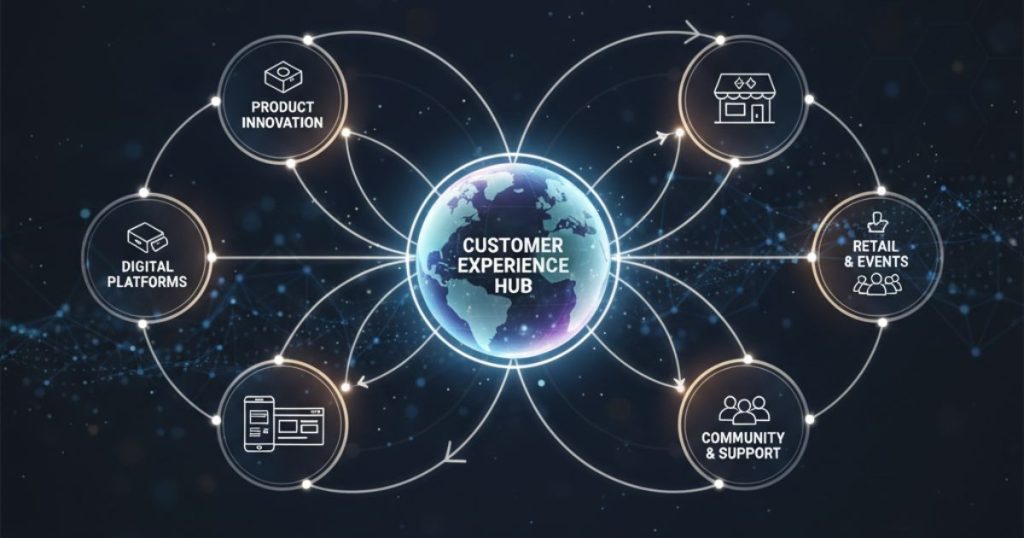
The digital marketplace is more connected than ever. Today, a brand is no longer defined by a logo, slogan, or visual identity alone. Customers interact with businesses through many different channels. These include social media platforms like Instagram, Facebook, and TikTok, branded websites, email marketing campaigns, mobile apps, in-store environments, online customer service portals, and even voice assistants such as Alexa and Google Assistant. Because these touchpoints are often fragmented, companies need a strong and unified brand ecosystem.
A brand ecosystem is the network of all the experiences, messages, platforms, and interactions that shape how people understand and engage with a brand. When these elements work together, they create clear and consistent communication across every channel. This leads to smoother customer journeys, better brand recognition, and stronger emotional connections with audiences.
In this article, we explore what a modern brand ecosystem is, why it matters for business growth, and how organizations—from startups to enterprise brands—can build and optimize an ecosystem that drives customer engagement, loyalty, and long-term success. You will learn how to align your content strategy, digital experience, brand voice, customer support, and data insights to create a connected system that works together and supports your overall business goals.
What Is a Brand Ecosystem?
A brand ecosystem is the network of all the places where people connect with your brand. It includes your website, social media pages, mobile app, emails, ads, and physical stores. It also includes customer support, online reviews, and third-party platforms like Amazon or Google.
All these touchpoints work together. They shape how people see and understand your brand. When your messages and visuals stay consistent, the experience feels smooth and trustworthy.
Strong brand ecosystems make it easy for customers to move from one channel to another. Brands like Apple, Nike, and Starbucks do this well. Their digital content, products, stores, and customer service all feel connected.
A clear brand ecosystem reduces confusion. It builds customer trust. It also helps your brand stay relevant and competitive in a fast-changing marketplace.
Why Cohesive Branding Matters
Cohesive branding builds trust. When customers see the same message, visuals, and tone across every channel, they feel more confident in your brand. This includes your website, social media content, email marketing, ads, and in-store experience. This brand consistency reduces confusion. It supports easier decision-making. It improves brand perception and brand recognition.
A strong brand ecosystem also helps internal teams work better. Clear brand guidelines and unified messaging keep everyone aligned. This creates smoother workflows and a better cross-channel experience for customers.
Brands that stay consistent stand out in crowded markets. They build customer loyalty and earn repeat buyers. They attract brand advocates who share positive reviews and word-of-mouth. Consistent brands can also charge higher prices because people trust their brand identity and value.
Cohesive branding is essential. It supports growth, improves engagement, and helps brands stay competitive in a fast-changing digital landscape.
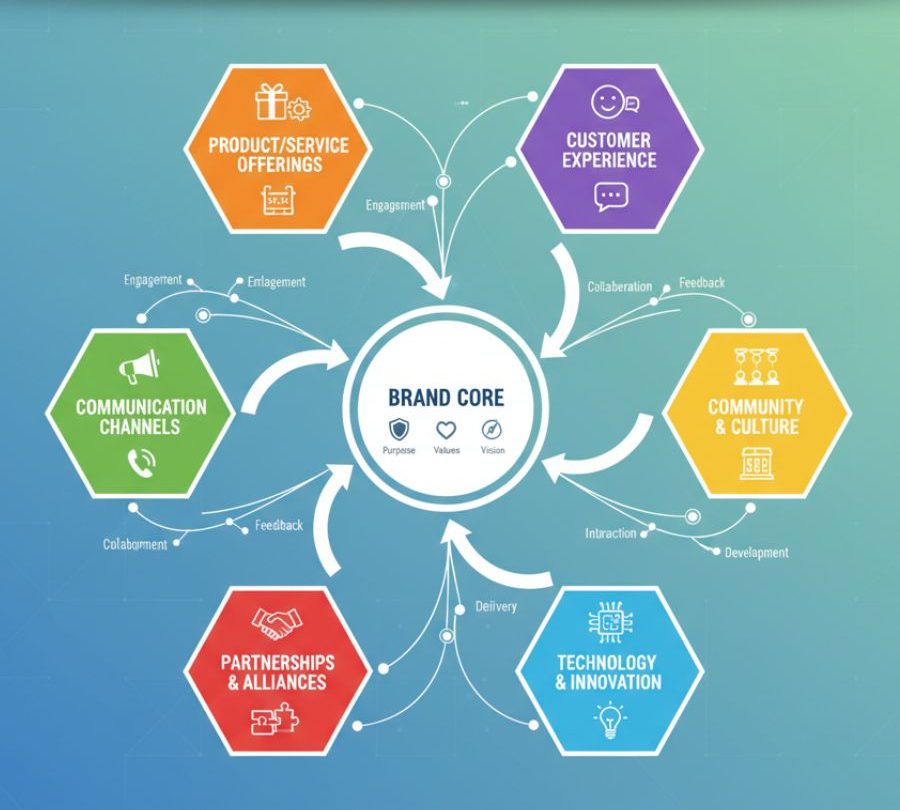
Key Components of a Brand Ecosystem
Visual Identity
Your visual identity includes your logo, color palette, typography, imagery, and graphic elements. It is the first thing people notice about your brand. It shapes first impressions and helps customers recognize you fast. A strong and consistent visual system keeps your brand aligned across all channels. This includes your website, social media posts, packaging, presentations, and event signage. Creating clear brand guidelines and well-organized asset libraries helps teams and partners stay consistent. It also makes it easier to maintain a unified look at every touchpoint.
Brand Voice and Messaging
Your brand voice is the personality and tone you use in all communication. It reflects how your brand speaks and how you want people to feel. You may sound playful, friendly, helpful, bold, or authoritative. What matters most is consistency. Clear and steady brand messaging builds trust, supports brand recognition, and strengthens emotional connections. A simple messaging framework can guide this process. It should include your value proposition, key themes, brand promise, and writing style. This helps teams create aligned content for blogs, social media, emails, ads, video scripts, and customer support conversations.
Customer Touchpoints
Every customer interaction matters. These touchpoints include website visits, social media interactions, search results, ads, mobile apps, in-store experiences, packaging, and customer support. Each moment shapes the customer journey. Mapping these touchpoints helps you find gaps, remove friction, and build smoother experiences. When every interaction reflects your brand ecosystem, customers feel a clear and connected story. This makes it easier for them to move from awareness to consideration, purchase, loyalty, and advocacy.
Technology and Platforms
Technology powers the modern brand ecosystem. Tools like content management systems (CMS), customer relationship management (CRM) platforms, marketing automation software, and analytics tools support your operations. These platforms need to work together and share data. Smooth system integration allows you to deliver personalized experiences and make informed decisions. Scalable and flexible digital solutions help your brand grow without breaking your ecosystem. Choosing interoperable tools ensures consistency, efficiency, and strong performance across all channels.
Building Your Brand Ecosystem: A Step-by-Step Guide
Creating a strong and cohesive brand ecosystem takes planning and teamwork. Each step helps you build a system that feels aligned, consistent, and customer-focused.
1. Audit Existing Assets
Start by reviewing everything connected to your brand. Look at your visual identity, messaging, website, social media profiles, emails, ads, packaging, and customer support materials. Study how each touchpoint performs. Document inconsistencies, content gaps, redundancies, and outdated elements. This audit will help you understand your current brand alignment and identify areas that need improvement.
2. Define Your Framework
Create a clear structure for your brand. This includes your core brand principles, mission, values, visual identity rules, and messaging pillars. Build a centralized brand playbook or style guide that explains your logo usage, color standards, brand voice, tone, and content rules. Make this guide easy to access so all teams and partners can follow the same brand guidelines. This framework becomes the foundation of your entire brand ecosystem.
3. Align Your Technology Stack
Review the tools that power your digital experience. This may include your CMS, CRM, marketing automation tools, email platforms, and analytics systems. Choose tools that work well together and support data integration. Smooth data flow helps you deliver personalized experiences, maintain consistency, and improve the customer journey across channels. A well-aligned tech stack strengthens your brand ecosystem.
4. Train Your Team
Your brand ecosystem works best when everyone understands it. Host training sessions, workshops, or onboarding programs to teach employees and partners how to use your brand guidelines. Encourage questions and feedback. Let teams share ideas and suggest improvements. The more confident your team feels, the stronger and more consistent your brand experience will be.
5. Implement and Monitor
Roll out the updated brand elements across all channels—online and offline. Update your website, social profiles, product packaging, templates, and marketing materials. Use analytics to track performance metrics such as engagement, customer satisfaction, and brand consistency. Review this data often. Refine your strategy based on what works and what doesn’t. Continuous monitoring helps your brand ecosystem stay strong and adaptable.
Case Studies: Brands Excelling in Ecosystem Cohesion
Example 1: A Global Retailer
A leading global retailer revamped its brand ecosystem by unifying its e-commerce platform, mobile app, and physical stores under a single visual and messaging framework. Consistent in-store signage, personalized push notifications, and seamless online-to-offline loyalty programs increased customer engagement by 25% and boosted repeat purchases by 18% within six months.
Example 2: A Tech Startup
A fast-growing tech startup focused on sustainability created a brand ecosystem that integrated its product design, digital experiences, and community initiatives. By aligning its eco-friendly values in packaging, website content, social media campaigns, and in-person workshops, the startup achieved a 40% increase in brand advocacy. It secured partnerships with two major industry players.
Measuring and Optimizing Your Brand Ecosystem
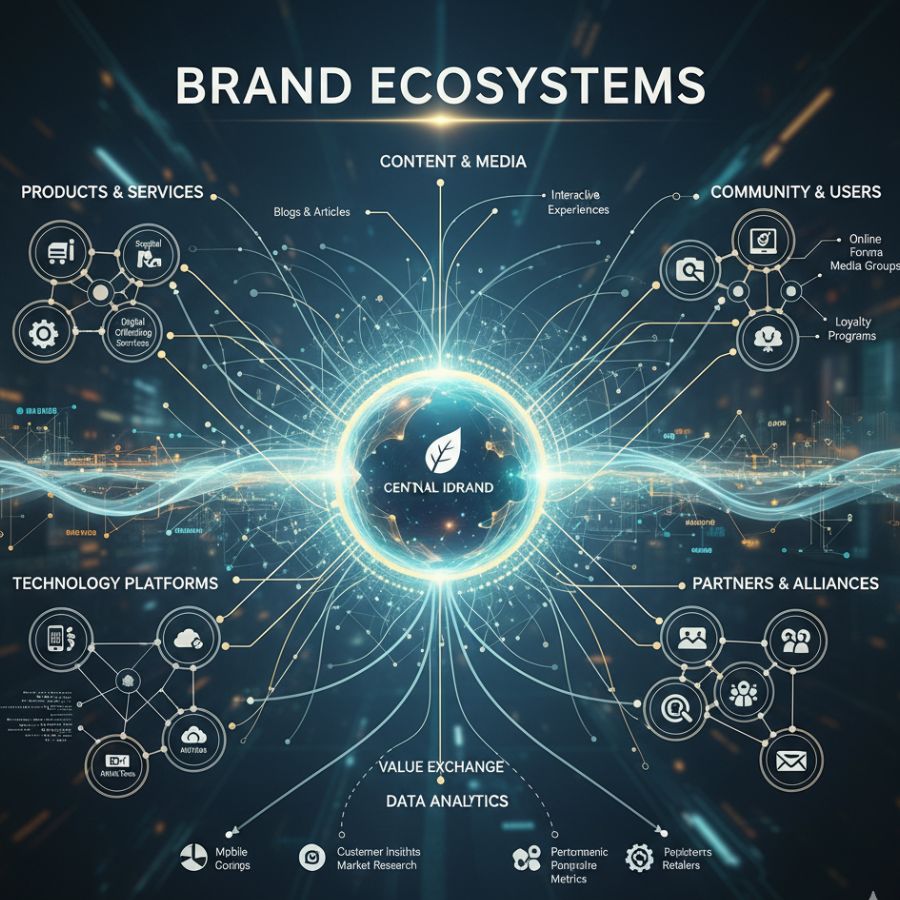
To understand the health of your brand ecosystem, you need to track both numbers and feedback. Look at key performance indicators that show how people see, experience, and engage with your brand.
Important metrics include:
-
Brand awareness to measure how many people recognize your brand.
-
Net Promoter Score (NPS) to understand customer loyalty and willingness to recommend your brand.
-
Customer retention rate to track how well you keep current customers.
-
Brand consistency scores to measure alignment across channels using regular brand audits.
You should also gather qualitative insights. Use surveys, interviews, customer reviews, and social listening tools to study customer sentiment. These insights help you identify moments of friction, confusion, or dissatisfaction. They also highlight what your audience values most.
Continuous Optimization Matters
A strong brand ecosystem is never static. It must evolve as customer expectations, market trends, and technology change. Regular updates keep your brand fresh, consistent, and competitive.
Here’s what to optimize on a regular basis:
-
Brand guidelines: Update visuals, messaging, and standards to match new trends or business goals.
-
Technology integrations: Improve system connections so your tools share data smoothly and support personalized experiences.
-
Messaging and content: Refine your tone, themes, and value propositions based on customer insights and performance data.
-
Customer journey touchpoints: Fix gaps, remove friction, and enhance consistency across digital and physical interactions.
A dynamic and adaptable brand ecosystem stays resilient. When you adjust your strategy based on audience needs, you build trust, strengthen loyalty, and keep your brand relevant in a fast-changing market.