The Key Components of Brand Marketing Strategy

A strong brand marketing strategy is the cornerstone of sustainable business success. It’s the blueprint that guides how your company connects with the world, leverages digital marketing channels, and builds lasting relationships across content marketing, influencer strategy, mobile marketing, and more.
This comprehensive guide explores the essential components that form a powerful brand marketing strategy. We’ll break down everything from defining your core identity and understanding your audience to leveraging emotional branding, programmatic ads, inbound marketing, social proof, and building a thriving brand community. You will gain actionable insights and practical examples to help you create a memorable brand that resonates deeply with customers, fosters loyalty, and sets you apart from the competition using modern tools like data analytics, SEO optimization, and webinar engagement.
The Core Elements of an Effective Brand Marketing Strategy
When you hear names like Apple or Coca-Cola, you don’t just think of products; you feel something. That feeling is the result of a meticulously crafted brand marketing strategy. It’s the art and science of shaping public perception to build brand awareness, reputation management, trust, and loyalty, often supported by omnichannel strategies and account-based marketing. Unlike product marketing, which often focuses on features and price, brand marketing is about the bigger picture: your company’s story, its values, and the emotional connection it shares with its audience.
A successful strategy isn’t just about a clever logo or catchy tagline. It’s a holistic approach that ensures every interaction a customer has with your business is consistent, positive, and memorable—whether that happens via e-commerce growth initiatives, social media management, local SEO, or innovative techniques like gamification strategies and augmented reality campaigns. It transforms one-time buyers into lifelong advocates. Let’s explore the fundamental components that make this possible.
1. Brand Identity: The Face of Your Business

Your brand identity is the collection of all tangible elements that your company creates to portray the right image to its consumer. It’s how you want to be seen. A strong identity is cohesive, consistent, and instantly recognizable across all channels, including video marketing, webinar marketing, and chatbot marketing.
Visual Elements
The visual components are often the first point of contact a customer has with your brand—crucial for cross-channel marketing, NFT marketing, and global brand accessibility.
- Logo: This is the primary symbol of your brand and a critical part of voice branding and sensory branding. Think of Nike’s swoosh or McDonald’s golden arches. A great logo is simple, memorable, and versatile.
- Color Palette: Colors evoke emotions. Blues suggest trust and stability (like Chase Bank), while greens signify health and sustainability marketing (like Whole Foods). A well-defined color scheme helps support awareness building, and improve brand equity and recognition by up to 80%.
- Typography: The fonts you use across your website, e-commerce platforms, and content marketing materials reflect your brand’s personality—whether modern and sleek or traditional and trustworthy.
- Imagery: The style of photography, video advertising, and interactive content should align with your brand’s tone. Red Bull uses action-packed visuals for reality branding, while luxury brands like Rolex use sophisticated imagery for sensory branding and neuromarketing insights.
Verbal and Auditory Elements
How your brand communicates—including with conversational AI and reality branding—is just as important as how it looks.
- Tone of Voice: Is your brand’s voice authoritative, friendly, witty, or inspirational? This tone should remain consistent in everything from SMS marketing to programmatic ads and affiliate marketing. Mailchimp is a great example of a brand with a friendly and encouraging tone.
- Brand Storytelling: The narrative you share—your origin, mission, and values—drives emotional branding and personal branding. Patagonia’s story of sustainability marketing resonates deeply, illustrating the power of storytelling in building brand advocacy.
- Sonic Branding: Think of the Intel “bong” or the Netflix “ta-dum.” These are key for metaverse branding, video content, and podcast and voice search optimization.
Actionable Tip: Create a comprehensive brand style guide covering logo usage, color codes, typography rules, and tone—essential for upholding your brand identity across all campaigns, including influencer marketing and gamified marketing. Tools like Google Search Console and SEMrush help track branded searches and improve reputation management.
2. Deep Audience Understanding
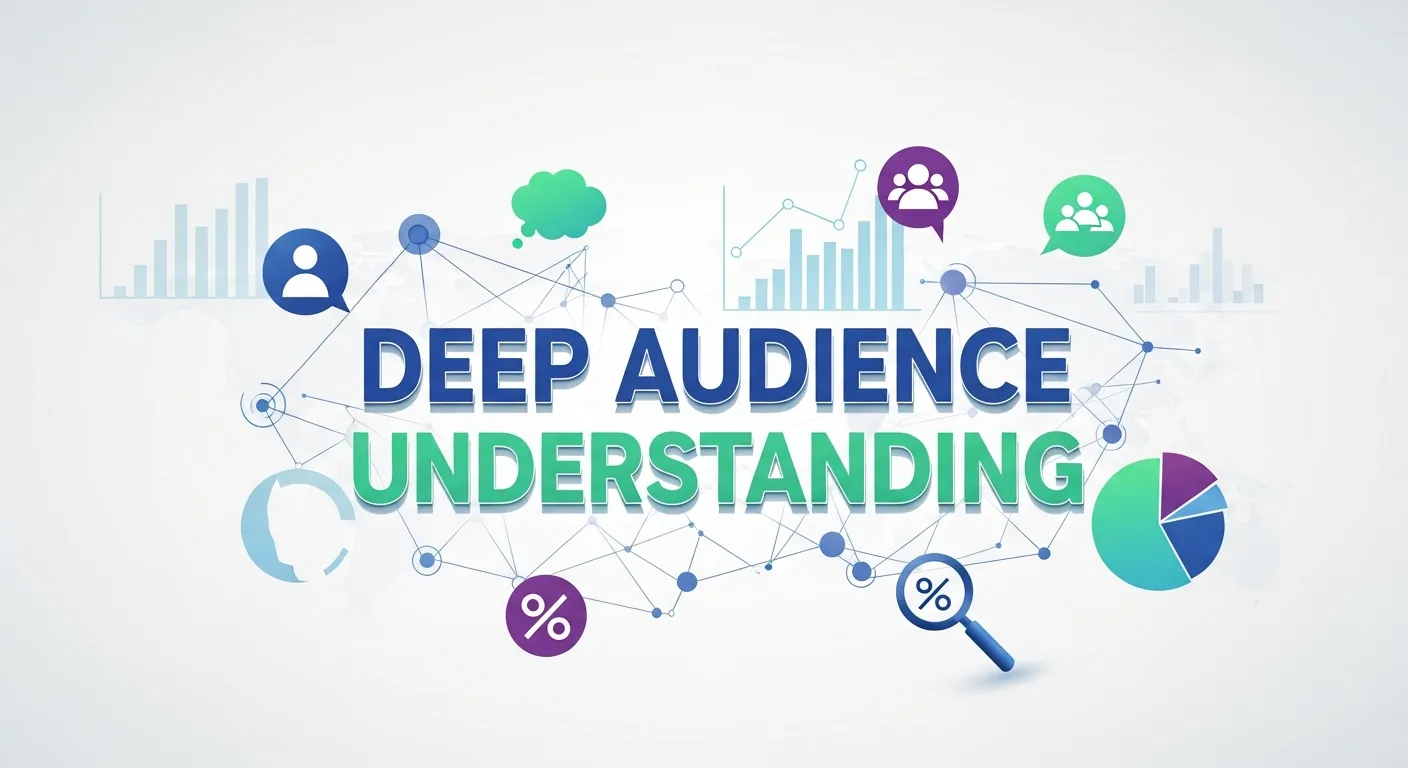
You cannot build a brand that resonates without knowing your digital marketing audience. A successful brand marketing strategy is built on deep, empathetic buyer personas and customer journey mapping, which are central for personalization tactics, lead generation, and conversion optimization.
Creating Buyer Personas
A buyer persona is a semi-fictional representation of your ideal customer based on market research and data analytics. For hyper-personalized branding, a detailed persona includes:
- Demographics: Age, gender, location, income, education.
- Psychographics: Values, beliefs, interests, lifestyle, brand archetypes, and personality traits.
- Pain Points: What problems are they trying to solve? What motivates zero-click conversions?
- Goals: What are they trying to achieve in their digital or offline lives?
- Watering Holes: Where do they spend time online? Social media, virtual influencers, TikTok marketing, or forums?
Conducting Market Research
- Surveys and Interviews: Collect direct feedback for data-driven insights and account-based marketing refinement.
- Analytics: Use tools like Google Analytics and Ahrefs to understand visitors, top channels, and successful inbound and outbound marketing strategies.
- Social Listening: Monitor brand mentions and sentiment analysis for reputation management, often using social media management tools or webinar engagement analytics.
Example: Glossier built its thriving business with influencer strategy, Instagram automation, and nano-influencers, reflecting deep audience understanding and appealing to the growing trend of harnessing micro moments.
3. Strategic Brand Positioning
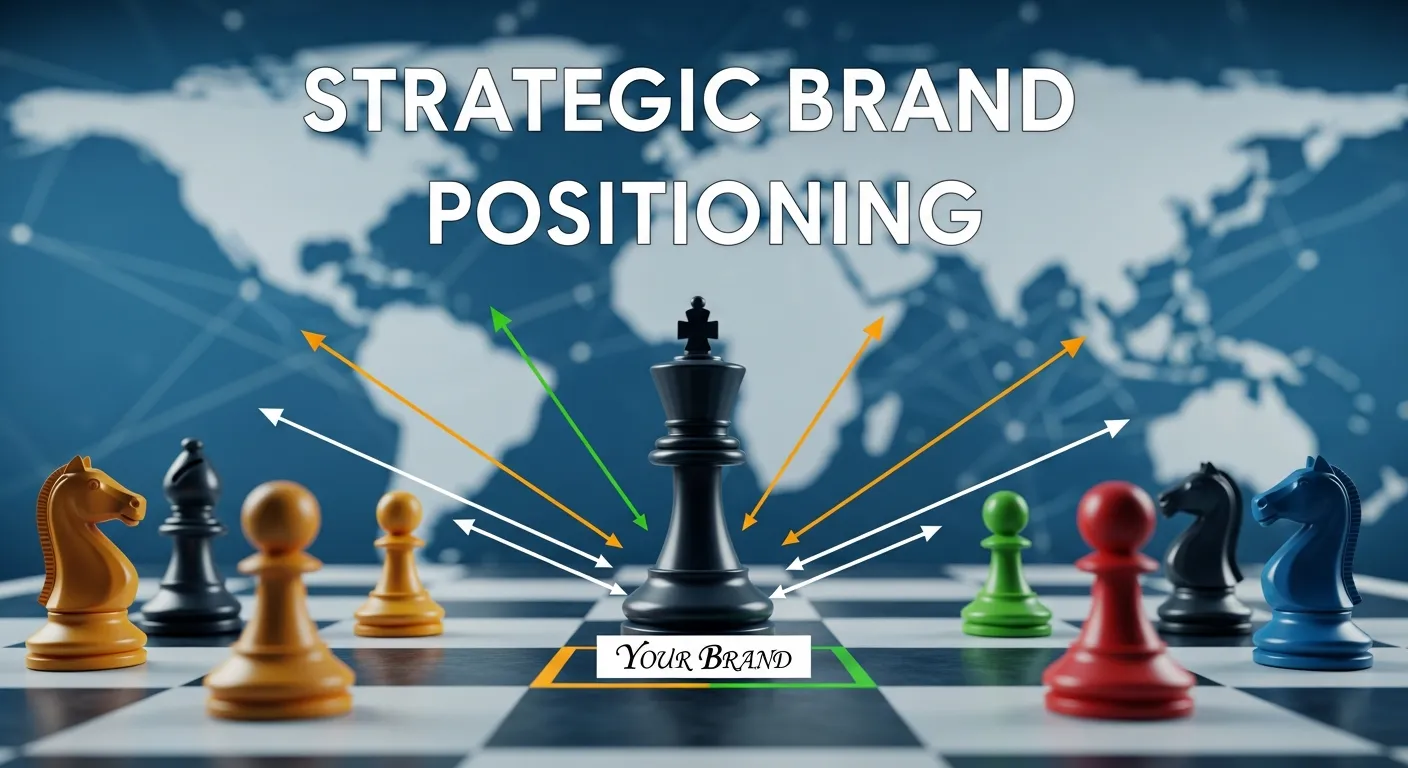
Brand positioning uses competitive brand analysis and LSI keywords to own a unique space in your customer’s mind—vital for local SEO, account-based marketing, virtual and nano-influencers, and hyperlocal marketing.
Key Steps for Effective Positioning:
- Identify Your Differentiator: What makes you unique? Is it your sustainability marketing, benefit of branding, conversion optimization, or green marketing initiative?
- Define Your Target Market: Targeting hyper-personalization and community building, your positioning should align with the ideal buyer, whether via webinar marketing, SMM, or Amazon brand promotion.
- Craft a Value Proposition: Clearly state the benefits, using emotional branding and brand accessibility.
- Develop a Positioning Statement: Use LSI keywords and metaphors rooted in brand archetypes and neuromarketing.
Example: Volvo has carved out a niche in safety—a classic case of competitive brand analysis and crisis management, further enforced by interactive content marketing and multisensory branding.
|
Positioning Strategy |
Description |
Example Brand |
|---|---|---|
|
Price-Based |
Most affordable, ideal for referral marketing. |
Walmart |
|
Quality-Based |
Luxury and high value for brand equity. |
Rolex |
|
Convenience-Based |
Fast, easy, perfect for global marketing. |
Amazon Prime |
|
Eco/Green-Based |
Environmentally focused for green marketing. |
Lush, Patagonia |
|
Influencer-Based |
Built on virtual/nano-influencers. |
Glossier |
4. Compelling Brand Messaging and Storytelling

Effective brand marketing strategies in 2026 require powerful storytelling, reputation management, and a voice consistent with your core values and visual identity, spread across digital, affiliate, and event marketing channels.
Components of Brand Messaging:
- Tagline/Slogan: A memorable phrase, critical for social proof and cross-channel campaigns (“Just Do It”).
- Mission Statement: Summarizes your company’s values; essential for brand equity KPI tracking.
- Core Values: Principles for every campaign, from NFT marketing and TikTok marketing to interactive webinars.
- Value Proposition: Clearly articulate your brand’s benefits for every audience segment, using omnichannel strategies.
The Power of Brand Storytelling
Stories bridge the gap between automated branding and resonant brand growth. Use case studies, influencer marketing, and benefit of branding testimonials in your webinar engagement and email marketing services.
Example: TOMS Shoes’ story created a movement—a model for meme marketing and cause-based branding embraced by event marketing and gamification strategies.
5. Emotional Branding: Creating a Connection
Emotional branding sits at the intersection of neuromarketing insights, sensory branding, and conversational marketing. It’s not about what you sell; it’s about how you make people feel—through your brand rituals, event marketing, and thoughtful brand archetypes.
How to Foster Emotional Connections:
- Appeal to Aspirations: Sell dreams, as Nike and Rolex do, empowering people through AI marketing or sensory branding.
- Build a Sense of Belonging: Use hyperlocal marketing, livestreams, and exclusive content for community building.
- Champion a Cause: Support causes with market share alignment, such as sustainability marketing or green marketing, and use reward-based gamification.
- Authentic Storytelling: Engage creators, micro-influencers, and virtual influencers to amplify your brand voice and advocacy.
An effective brand marketing strategy always includes emotional branding combined with reputation management and customer-centric brand development.
6. Consistency Across All Touchpoints

Consistency is non-negotiable, especially when deploying omnichannel strategies or programmatic ads. This extends to branding and sponsorship, reality branding, and the integration of conversational AI across all platforms.
- Digital Channels: Seamless experience across your website, social media management tools, influencer marketing, and Amazon brand promotion.
- Physical Assets: Support branding and sponsorship in multisensory campaigns.
- Customer Experience: All employees and chatbots should reflect your ethos and voice—this ensures brand resilience and customer retention.
Example: Starbucks combines metaverse branding, cross-channel campaigns, and real-time customer engagement (from mobile marketing to in-store experiences), providing consistent branding and social proof globally.
7. Customer Engagement and Community Building
Modern brand marketing strategies depend on customer engagement through inbound marketing, community building, gamified marketing, and webinar engagement.
Strategies for Engagement and Community Building:
- Micro-Influencers and Nano-Influencers: Build communities that support awareness and brand equity KPI growth.
- Exclusive Perks: Offer early access or event marketing invitations to foster engagement and brand longevity.
- Community Hub: Leverage forums, Slack, or Discord for personalized engagement, and use SMM and Meme Marketing for viral engagement.
Example: Peloton weaves together digital community, interactive content marketing, and hyper-personalization—keeping their audience engaged in real time with leaderboard gamification strategies.
8. Measurement and Brand Equity
A successful brand marketing strategy requires continuous improvement driven by analytics, automated branding, and measurement frameworks—from social listening to brand advocacy metrics.
Key Metrics to Track:
- Brand Awareness: Assess market share, social proof, direct traffic, influencer marketing impact, awareness building, and local/global reach.
- Brand Perception and Sentiment: Use sentiment analysis tools and social media management platforms for data-driven insights.
- Brand Loyalty and Retention: Measure lead generation, webinar engagement, and customer retention across hyper-personalized channels.
- Brand Equity: Evaluate with tools such as Ahrefs and Google Analytics, and monitor customer-centric metrics across multisensory, metaverse, and digital channels.
By continuously tracking KPIs such as lead generation, customer perception, and programmatic ad performance, your brand can thrive through any crisis management scenario or new trend, such as NFT marketing or zero-click conversions.
Conclusion
Building a powerful brand requires a multifaceted approach that integrates best practices from digital marketing, SEO optimization, programmatic ads, gamification strategies, account-based marketing, social media management, influencer marketing, webinar engagement, and more. A successful brand marketing strategy blends tradition with innovation—balancing personal branding and crisis management with cutting-edge tactics like chatbots, reality branding, and AI marketing—to deliver a consistent, memorable, and meaningful brand experience.
By leveraging cross-channel marketing, engaging communities, gamified strategies, and data-driven insights, your brand can establish a resilient and memorable presence that not only drives sales but also secures long-term loyalty and value in a competitive marketplace.
FAQs
1. What is the difference between brand marketing and product marketing?
Brand marketing is a strategic, long-term approach focused on building reputation, identity, and sustaining loyalty through strategies like branding and sponsorship, while product marketing focuses on the features and benefits of specific products, ideal for conversion optimization and lead generation.
2. How long does it take to build a strong brand?
Building a strong brand requires consistent effort in community building, local SEO, reputation management, and awareness building. It’s a long-term pursuit, often spanning years.
3. Can a small business have a strong brand marketing strategy?
Absolutely. Small businesses thrive with influencer strategy, SMM, local SEO, and hyper-personalization, combined with community engagement and positive customer experience.
4. What is brand equity and why is it important?
Brand equity reflects market share advantage due to awareness, trust, and value perception. It boosts ROI for campaigns such as webinar marketing, micro-influencer outreach, and creative marketing services.
5. How do I measure the ROI of my brand marketing strategy?
Monitor KPIs for lead generation, webinar engagement, social proof, and loyalty, using tools for analytics, reputation management, and affiliate marketing performance.
6. What is a brand archetype?
A brand archetype is a symbolic figure—like The Hero or The Explorer—guiding brand voice and strategies for engagement, emotional branding, and benefit of branding.
7. How important is a logo in a brand marketing strategy?
A logo is crucial for visual identity, social media management, and mobile marketing, but it works best as part of a holistic strategy combining tone, story, and multisensory branding.
8. What role does social media play in brand marketing?
Social media enables influencer marketing, SMM, meme marketing, video advertising, and hyperlocal campaigns—crucial for building brand awareness and community.
9. How can I ensure my branding is consistent across all channels?
Adopt a thorough brand style guide, enforce training across teams and services, and use automation tools for scheduled, consistent brand messaging—even when deploying global marketing or TikTok marketing.
10. What is emotional branding?
Emotional branding unlocks loyalty using narrative-driven content, influencer strategy, and campaigns rooted in neuromarketing and sensory branding—turning buyers into passionate brand advocates.