Brand Strategy for Startups vs. Established Companies: Key Differences
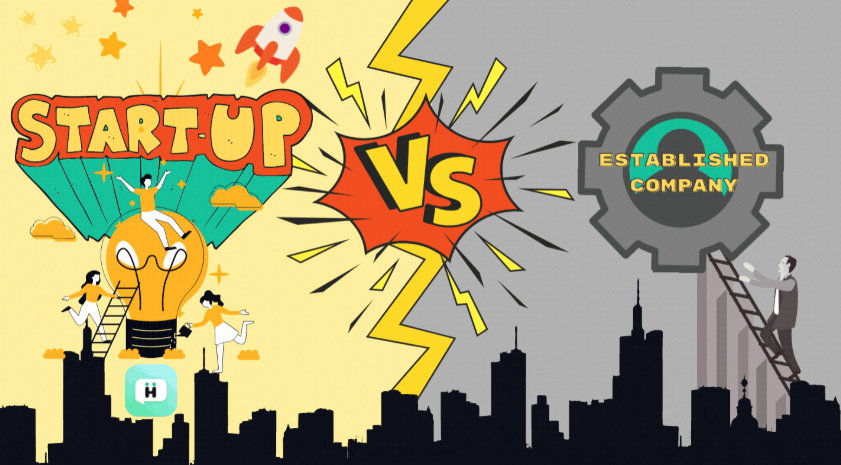
The path to building a powerful brand looks vastly different for a nimble startup versus a market giant. Understanding these distinctions is key to leveraging your unique strengths.
This guide explores the different approaches to brand strategy for startups vs. established companies. We break down contrasting resource realities, risk tolerances, and audience dynamics. Learn how each can play to their strengths, whether it’s a startup’s agility or an established company’s market position.
The Foundation: Different Starting Points
A brand strategy for startups vs. established companies begins from two fundamentally different places. Established companies build their brand strategies on top of existing market positions, customer relationships, and organizational identities. Their challenge is not creating awareness from scratch but evolving perceptions that are already embedded in the marketplace. Like renovating a historic building, they must honor the structural elements worth preserving while modernizing outdated features to meet current tastes.
Startups, conversely, face the blank canvas challenge. Without established associations or expectations, they possess immense freedom to define themselves—but must conjure significance from nothing. Their task resembles architectural creation rather than renovation, demanding a different set of skills, resources, and strategic mindsets. These distinct starting positions influence every subsequent aspect of brand strategy development, from research methodologies to implementation timelines and risk assessment.
Resource Realities and Their Strategic Implications
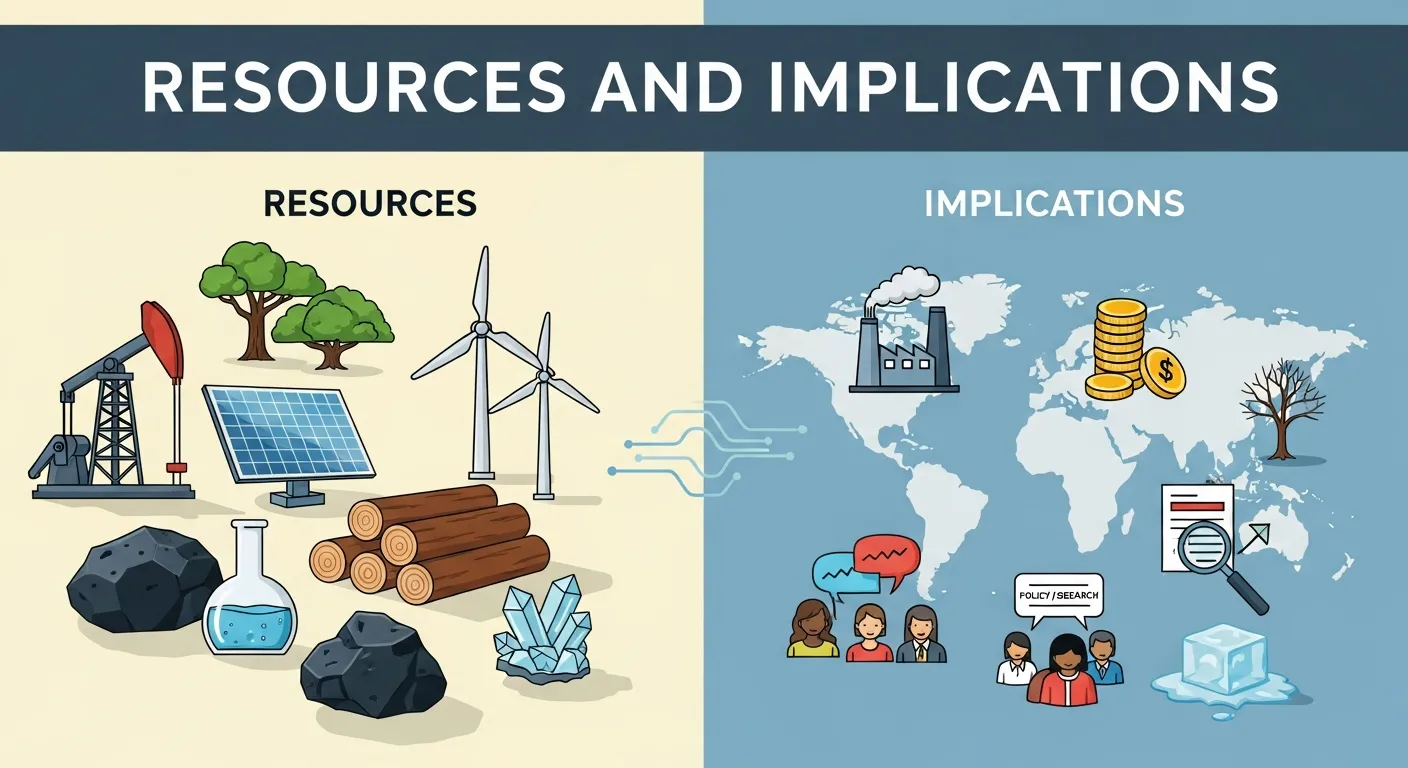
Perhaps the most obvious difference when comparing brand strategy for startups vs. established companies lies in available resources. This extends beyond just financial capital to include attention capital, relationship capital, and talent capital. These resource disparities necessitate fundamentally different approaches to building and managing a brand.
The Startup Resource Reality: Agility Over Abundance
Most startups operate with constrained financial resources but have an abundance of focused attention. The founding team can dedicate intense energy to brand development without navigating complex approval processes or competing departmental priorities. This creates several strategic implications:
- Speed Over Perfection: Startups must prioritize getting their brand into the market quickly. Their competitive advantage lies in rapid iteration based on real-world feedback, not flawless initial execution. This “minimum viable brand” approach allows them to learn and adapt faster than larger competitors.
- Personality Over Process: With founders typically at the helm of brand development, startup brands often reflect the personalities and passions of their creators. This infuses the brand with an authenticity that can be a powerful differentiator, though it can sometimes limit broader appeal if not managed carefully.
- Direct Customer Feedback Loop: Without layers of organizational hierarchy, startups can directly absorb market feedback. This allows the brand’s evolution to happen organically through customer interactions, online conversations, and direct support channels, rather than through formal, time-consuming research processes.
When Dollar Shave Club launched, its now-famous video wasn’t the product of extensive market research or a lengthy brand strategy process. Founder Michael Dubin’s background in comedy and his direct involvement created an authentic, irreverent voice that immediately differentiated the brand from established giants like Gillette. This founder-driven, personality-led approach would be nearly impossible to replicate within the procedural confines of most established companies.
The Established Company Reality: Scale Over Speed
Established companies operate with a different set of constraints and advantages. Their resource landscape shapes a more methodical and scaled approach to brand strategy.
- Financial Resources but Divided Attention: While budgets for brand initiatives may be significantly larger, attention is fragmented across numerous business units, product lines, and geographic markets. A brand strategy must compete for internal mindshare and resources against other pressing priorities.
- Deep Expertise but Potential for Groupthink: Large organizations typically house deep marketing and branding expertise. However, the need for internal consensus-building can sometimes smooth out the distinctive edges of a brand’s expression, leading to safer but less impactful creative output.
- Data Richness but Insight Challenges: Established companies often possess vast repositories of customer data. The challenge lies in extracting meaningful, actionable insights from this complexity. Turning terabytes of data from tools like Google Analytics into a clear strategic direction requires sophisticated data analytics capabilities.
When IBM repositioned itself from a hardware company to a service and solutions provider, it leveraged its substantial resources to execute a comprehensive and global brand transformation. This multi-year journey involved extensive research, partnerships with top agencies, and a coordinated global implementation that would be impossible for a startup. However, the process required navigating complex stakeholder relationships and internal politics that startups simply do not face.
Risk Tolerance and Decision-Making Dynamics
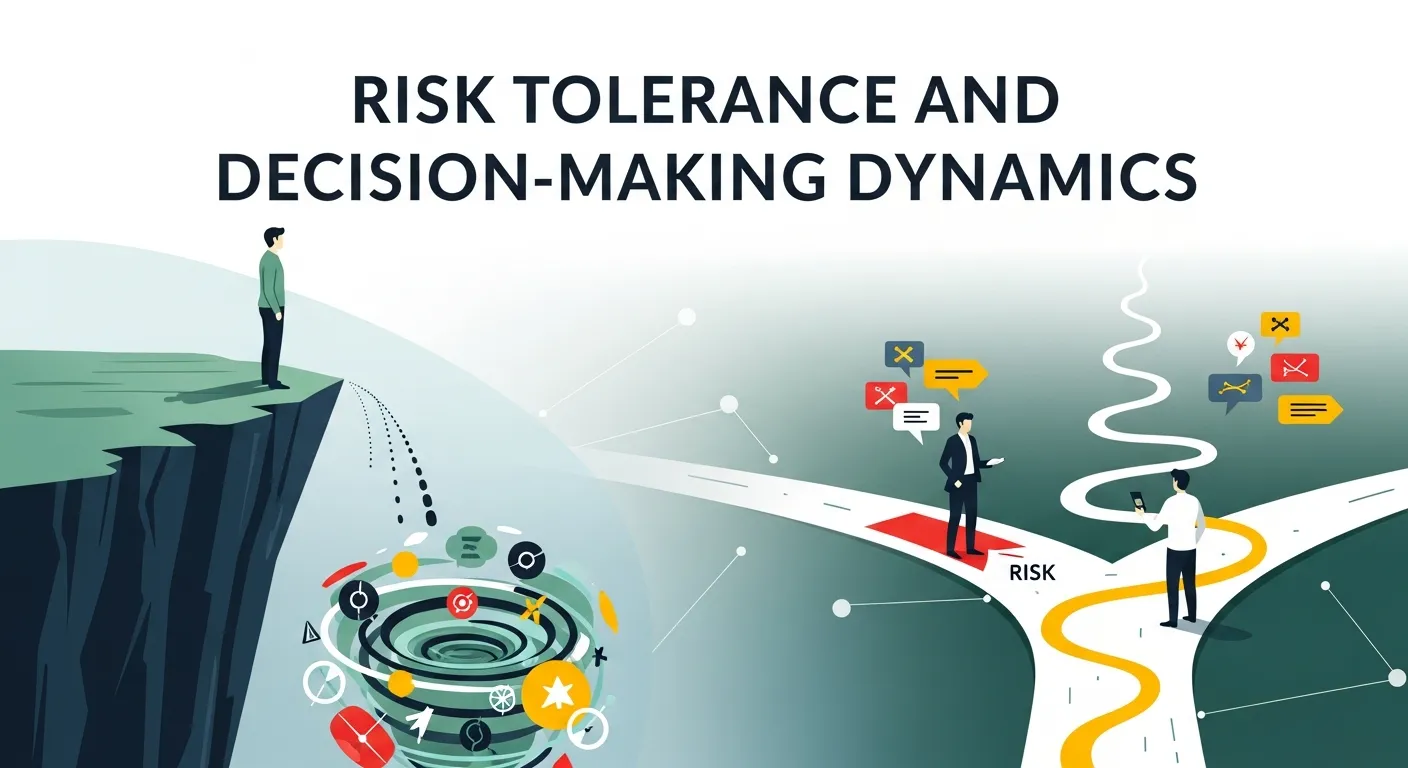
The most profound difference in brand strategy for startups vs. established companies often lies in their relationship with risk. This fundamental divergence shapes everything from market positioning and creative expression to channel selection.
Startup Risk Dynamics: The Peril of Being Ignored
For a startup, the greatest risk is not being controversial; it is being ignored. Without an established market presence, a startup must first break through the wall of consumer indifference to earn attention. This reality creates several strategic imperatives:
- Distinctive Over Conventional: Startups benefit from a strongly differentiated and focused positioning, even if it risks alienating a portion of the market. Being deeply meaningful to a specific niche audience is far more valuable than being vaguely acceptable to everyone.
- Principles Over Guidelines: Rather than creating a comprehensive, hundred-page brand guidelines document, startups often operate from a set of core principles. This provides the flexibility needed for rapid iteration while maintaining a cohesive direction.
- Cultural Immersion Over Documentation: In a small team, brand understanding is transmitted through shared experiences, daily conversations, and direct collaboration. The brand’s DNA is lived, not just documented, which fosters a deep, intrinsic alignment.
Consider how Airbnb developed its early brand. The founders photographed properties themselves, interacted directly with hosts and guests, and built their brand through authentic brand storytelling that emerged from these grassroots experiences. Their strategic decision to focus on the emotional benefit of “belonging” rather than the functional benefit of “accommodations” was a distinctive choice that established hotel brands would have found difficult to make, given their existing market associations.
Established Company Risk Dynamics: The Peril of Alienating the Base
Established companies navigate a different risk equation. They have existing brand equity to protect, which makes them more risk-averse.
- Evolution Over Revolution: With a loyal customer base, a radical brand repositioning risks alienating the very people who built the business. A successful branding strategy for an established company typically involves evolutionary change that respects existing associations while creating new relevance.
- Systematic Processes Over Intuition: Brand decisions impact numerous stakeholders, markets, and product lines. This necessitates more systematic and data-driven decision-making processes to justify investments and manage potential fallout.
- Balancing Consistency with Flexibility: Established companies must maintain brand consistency across a vast and diverse array of touchpoints. This requires robust governance systems while still allowing for appropriate flexibility across different markets, channels, and business units.
When Microsoft repositioned itself under the leadership of Satya Nadella, the company didn’t abandon its enterprise foundations. Instead, it evolved its brand to embrace a more empathetic, human-centered positioning focused on empowerment and collaboration. This strategic shift respected Microsoft’s existing equities while creating new relevance for a cloud-first world—a delicate balance that startups do not need to maintain.
Audience Relationships and Market Expectations
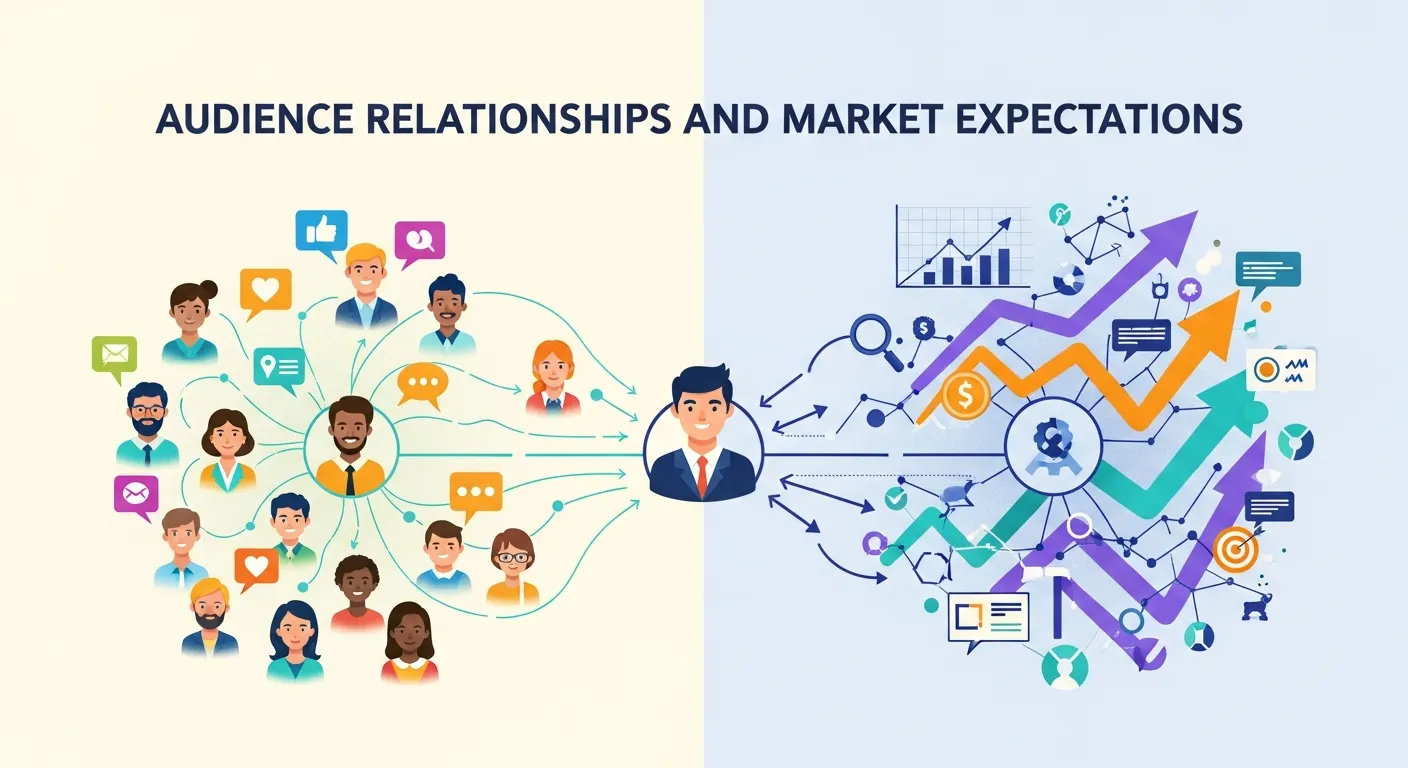
The starting point for audience relationships is another key differentiator in brand strategy for startups vs. established companies. This shapes communication tactics, community-building efforts, and the overall narrative.
The Startup Audience Reality: Building from Zero
Startups begin with no audience expectations, which creates both a challenge and an opportunity.
|
Challenge/Opportunity |
Description |
Strategic Approach |
|---|---|---|
|
The Credibility Hurdle |
Without a track record, startups must overcome initial trust barriers. |
Borrow credibility through partnerships, social proof (testimonials), or founder credentials. |
|
The Early Adopter Advantage |
Initial customers are often risk-takers who enjoy being part of something new. |
Engage this audience as co-creators. Foster a brand community and solicit feedback. |
|
The Narrative Opportunity |
Without an established story, startups can shape their narrative from scratch. |
Develop a compelling origin story and a clear brand purpose development that aligns with current market needs. |
When Impossible Foods launched, it faced significant credibility challenges as a plant-based meat alternative. The company leveraged this by turning its unique scientific approach into a compelling narrative. It engaged renowned chefs as early adopters who could testify to the product’s quality, all while building a movement-based narrative around environmental impact.
The Established Company Audience Reality: Managing a Legacy
Established companies have the benefit of existing relationships but also the burden of pre-existing expectations.
- The Expectation Burden: Years of customer interactions create set expectations that shape future perceptions. Brand strategies must respect these while creating room for evolution.
- The Relationship Advantage: Existing customer relationships provide built-in channels for sustained communication, such as email campaigns to a large, established list.
- The Fragmentation Challenge: Different audience segments may hold varying, sometimes conflicting, perceptions of the brand based on their unique experiences and historical contexts.
When Burberry rejuvenated its brand, it had to navigate the complexity of a heritage brand that had different meanings for different audiences—a luxury icon to some, a dated check pattern associated with “chav culture” to others. The strategy, led by Angela Ahrendts and Christopher Bailey, carefully honored heritage elements while modernizing the brand experience through digital innovation.
Implementation Timeline and Measurement Approaches
The timeline for brand strategy development, implementation, and measurement also differs significantly between startups and established companies.
Startup Implementation: Concentrated Bursts and Rapid Iteration
For startups, brand building occurs in intense sprints rather than long, sustained campaigns.
- Rapid Testing: Limited runway necessitates getting brand elements into the market quickly and refining them based on actual response, rather than engaging in extended planning cycles. This is often powered by agile digital marketing tactics.
- Qualitative Insight: Early-stage measurement focuses on qualitative feedback, social media engagement, and direct customer conversations rather than comprehensive, expensive brand tracking studies.
- Pivoting as an Option: If an initial positioning fails to resonate, startups can substantially revise their approach without the enormous sunk costs or institutional resistance that plague large corporations.
Warby Parker launched with a distinctive brand proposition around affordable, stylish eyewear with a social impact mission. They continually refined their messaging and customer experience based on direct customer feedback rather than adhering to rigid, pre-defined brand guidelines.
Established Company Implementation: Systematic and Scaled
Established companies deploy brand strategy through more methodical, long-term processes.
- Comprehensive Planning: With numerous touchpoints and stakeholders, implementation requires careful coordination across departments, regions, and channels.
- Quantitative Validation: Significant investments warrant comprehensive measurement through brand tracking studies, sentiment analysis using tools like Brandwatch, and advanced attribution modeling. Brand equity KPIs are closely monitored.
- Training and Governance: Ensuring brand consistency across a large, often global, organization necessitates formal training programs and governance structures that startups simply do not require.
When Mastercard updated its brand identity to be “priceless” and emphasize experiences over transactions, the implementation process took years to fully realize across its global footprint. The complexity of updating everything from physical cards to digital payment touchpoints required systematic planning that a startup would never need.
Conclusion
Neither the startup nor the established company approach to brand strategy is inherently superior. Each represents an appropriate response to different organizational realities. Understanding the key differences in brand strategy for startups vs. established companies allows leaders to play to their inherent advantages.
Startups that try to build brands like established companies often waste precious resources on premature formalization. Established companies that try to act like agile startups often create organizational whiplash without achieving sustainable change. The wisest approach is contextually appropriate—respecting your company’s current reality while creating a clear path toward your desired future.
Frequently Asked Questions (FAQs)
1. Should a startup invest in a full brand strategy from day one?
A startup should invest in a “minimum viable brand”: a clear purpose, a defined target audience, a core message, and a basic visual identity. A comprehensive, rigid strategy is less important than having a clear direction that allows for rapid learning and iteration.
2. How can an established company become more agile in its branding?
Established companies can create “brand labs” or pilot programs to test new ideas on a small scale. They can empower smaller, cross-functional teams to make faster decisions and adopt a more iterative approach for specific campaigns or product launches.
3. What is the biggest branding mistake startups make?
The biggest mistake is trying to appeal to everyone. A lack of focus leads to a generic brand that fails to connect deeply with any specific audience. Successful startups win by being hyper-relevant to a niche first.
4. What is the biggest branding mistake established companies make?
The biggest mistake is becoming complacent and failing to evolve. They often stick with what has worked in the past for too long, allowing more agile competitors to capture the attention of the next generation of consumers.
5. How does funding affect brand strategy for startups?
Seed-stage startups focus on building a brand that attracts early adopters and proves a concept. As they raise Series A, B, and beyond, the brand strategy must evolve to support scaling, entering new markets, and building a more professional, trusted image that justifies a higher valuation.
6. Is storytelling more important for startups or established companies?
Storytelling is crucial for both, but for different reasons. Startups use storytelling to build credibility and create an emotional connection from scratch. Established companies use it to reinforce their legacy, humanize their large-scale operations, and connect their history to their future vision.
7. How should startups approach SEO and content marketing?
Startups should focus on a narrow set of keywords related to their niche to gain early traction. Content marketing should focus on solving the specific pain points of their ideal customer profile. Tools like Ahrefs or SEMrush can help identify these niche opportunities.
8. How can an established company manage brand consistency across global markets?
They use a “glocal” approach: a global brand strategy provides the core framework (the “what” and “why”), but local teams are given the flexibility to adapt the execution (the “how”) to be culturally relevant.
9. When should a startup hire a brand consultant or agency?
A startup should consider hiring a brand development consultant when they have achieved product-market fit and are ready to scale. An external expert can bring structure and an outside perspective to help the brand mature beyond its founder-led origins.
10. How can an established brand use its history without looking dated?
By framing its heritage as a mark of expertise, quality, and trust. The key is to connect the past to the present, showing how decades of experience enable the brand to innovate and serve customers better today. This balances heritage with relevance.