Building Brand Consistency Across Digital and Physical Touchpoints
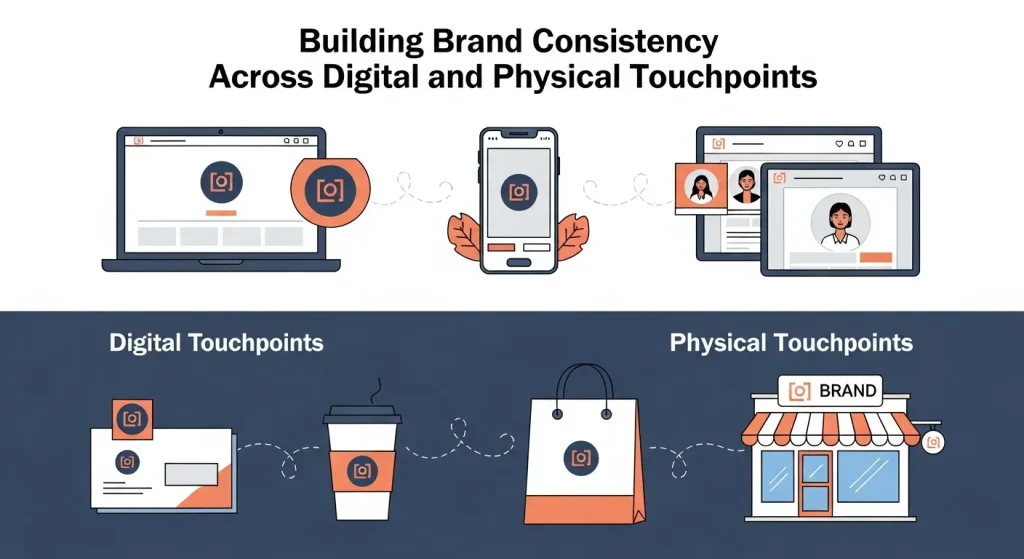
Consistency is the anchor in a fragmented, fast-evolving brand landscape. Whether online, offline, or somewhere in between, consumers expect unified experiences. Building brand consistency is no longer a nice-to-have—it’s the bedrock of trust, loyalty, and long-term brand value.
This in-depth guide covers why brand consistency matters and how to achieve it across complex digital and physical ecosystems. Explore the psychology of trust, proven frameworks, advanced strategies, trends reshaping branding, and real-world case studies. You’ll gain practical steps to align every customer interaction with your brand’s core identity—driving revenue, engagement, and measurable business results.
The Expanding Challenge of Fragmented Brand Experiences
The traditional customer journey is gone. Today, buyers ping between brand touchpoints: Instagram videos, e-commerce checkouts, store associates, event booths, mobile apps, and more. Each moment shapes brand perception and purchase intent.
Key Considerations:
- Multiplicity of Touchpoints: Customers may interact with your brand through 10+ channels before ever making a purchase.
- B2B Complexities: Business buyers engage with white papers, demo webinars, LinkedIn, email nurturing, and in-person events—all requiring cohesive messaging and visual identity.
- Physical Meets Digital: QR codes in packaging, live chat support in showrooms, “buy online, pick up in store”—the boundaries are fading fast.
- Global Brand Management: With international audiences and cultural nuances, brands face new layers of complexity when maintaining consistency across geographies.
Example:
A fast-food customer learns of a new menu via TikTok, places an order through a branded app, picks up curbside, and posts a review on Google—all within a single hour. Any disconnect along the way (in tone, visuals, service, or speed) can create confusion or erode trust.
The Psychology Behind Brand Consistency
Why do customers care so much about consistency? Our brains are wired for pattern recognition and certainty. Each repeated, aligned touchpoint tells the subconscious “this brand is reliable.”
- Processing Fluency: Familiarity facilitates faster, more positive decision-making.
- Emotional Safety: Predictable experiences foster comfort, lowering buyer resistance.
- Trust Building: Inconsistent messaging fuels skepticism; aligned branding builds authority.
Supporting Research:
According to the Edelman Trust Barometer, consistent brand communication and messaging rank among the top trust drivers globally—often surpassing product quality alone.
Foundations of Cross-Touchpoint Consistency
Articulating Brand Purpose and Values
A powerful brand starts with a clear purpose, guiding every action and asset. This extends well beyond mission statements:
- Communicate Your “Why” in onboarding, advertising, and service interactions.
- Cascade Values into supplier guidelines, community outreach, and investor presentations.
- Bridge Cultural Gaps: International brands like Unilever adapt messaging for local relevance but anchor storytelling to shared global values.
Multisensory Brand Language—More Than Visuals
Modern brands express themselves in sight, sound, touch, motion, and even scent:
- Visual: Logo, colors, motion graphics, layouts.
- Verbal: Taglines, microcopy, consistent tone across support, emails, FAQs.
- Audio: Jingles (Intel’s ‘bong’), in-store playlists, podcast stingers.
- Tactile: Packaging materials (IKEA’s flat packs), product textures (Apple devices).
- Scent & Taste: Retailers like Abercrombie infuse signature scents; Starbucks’ coffee aroma is brand-defining.
Pro Tip: Audit your brand’s sensory identity—try creating a sensory style guide, incorporating sample images, audio files, or tactile materials.
Mapping the Entire Touchpoint Ecosystem
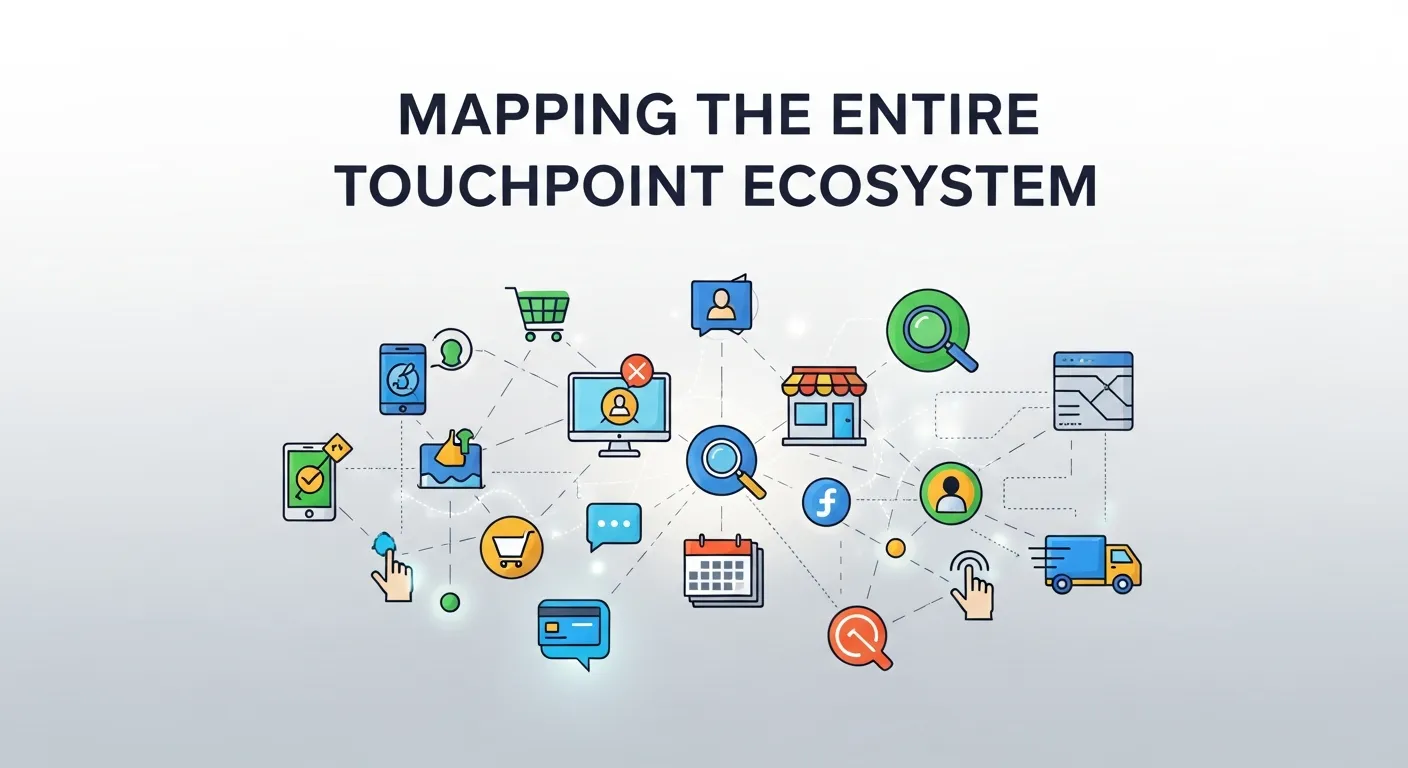
Understanding every customer interaction—owned, paid, and earned—is foundational.
|
Touchpoint Category |
Definition |
Examples |
|---|---|---|
|
Owned Touchpoints |
Channels you directly control. |
Website, apps, retail displays, emails, mobile notifications, events, loyalty programs |
|
Paid Touchpoints |
Channels you pay to leverage. |
Programmatic ads, video ads, sponsored posts, influencer partnerships, SEM |
|
Earned Touchpoints |
Audience or third-party. |
Reviews, word-of-mouth, social shares, press, collaborations, awards, directory listings |
Advanced Mapping Tips:
- Customer Journey Mapping: Leverage tools like Miro or UXPressia to visualize channel overlaps and friction points.
- Persona Layering: Group touchpoints by audience segment (e.g., Gen Z, B2B buyers, international markets) for targeted consistency.
- Moment Mapping: Distinguish between awareness, consideration, post-purchase, and advocacy touchpoints.
Operationalizing Consistency: Systems and Culture
Living Brand Guidelines & Dynamic Playbooks
Guidelines should be more than static PDFs. Forward-thinking brands use dynamic libraries with:
- Interactive do’s and don’ts
- Modular templates for digital and print campaigns
- Video examples for tone and movement
- “If/Then” rules for personalization and error handling
Advanced Example:
Spotify’s Brand Hub enables regional marketers to localize content while maintaining global identity, ensuring consistent visuals, tone, and UX.
Cross-Functional Brand Governance
Managing consistency requires clarity in:
- Ownership: Designating brand “owners” in marketing, IT, customer experience, HR.
- Processes: Scheduled cross-team reviews before major launches or pivots.
- Feedback Loops: Internal “mystery shopper” programs and staff surveys to surface hidden inconsistencies.
Technology as an Enabler
Modern marketing stacks unify brand experiences:
- DAM (Digital Asset Management): Centralize updated logos, fonts, videos.
- Design Systems (Figma, Sketch): Shared libraries for UI elements, email templates, ad banners.
- CMS and Automation: Templates and rules for automated emails, chatbots, landing pages.
- CDPs and CRM: Deliver personalized yet cohesive campaigns at scale.
Pro Tip: Consider Bynder for enterprise asset management, or tap integrations with Canva or Adobe Creative Cloud.
Going Deeper: Advanced Strategies for Building Brand Consistency
Global Consistency, Local Resonance
- Local Market Adaptation: McDonald’s menus, packaging, and restaurant design align with local tastes but keep consistent brand colors and iconography.
- Multilingual Content: Use technology to automate translation, but always employ native speakers for review to preserve tone and nuance.
- Cultural Sensitivity Playbooks: Regular training on visual symbols, taboos, and humor ensures messaging lands as intended in all markets.
Omnichannel Brand Personalization
- Unified Profiles: Walmart’s unified shopper ID system enables seamless transitions between app, website, and physical store loyalty programs.
- Consistent Personalization: Leverage AI to recommend products or content while ensuring tone, design, and values align across all surfaces.
- Interconnected Customer Service: Salesforce’s Service Cloud or Zendesk centralize customer data for consistent support regardless of contact method.
Experience Design & Immersive Branding
- Virtual & Augmented Reality: IKEA Place lets users visualize furniture in their home, blending physical and digital experience with brand-consistent navigation.
- Pop-Up Experiences: Coca-Cola’s pop-ups use familiar fonts, colors, and messaging to instantly evoke the brand anywhere in the world.
- Branded Packaging as Media: Unboxing videos are a crucial earned touchpoint—think of how Allbirds shoes or Apple products feel, look, and sound the same, regardless of sales channel.
Real-World Case Studies

1. Disney: Cohesive Storytelling Across Worlds
- Disney synchronizes physical parks, digital streaming, retail stores, and content. Whether through a mobile app, a toy, a retail shop, or a theme park ride, every interaction reinforces the same stories, characters, and visual identity.
- Takeaway: Brand worlds become immersive and coherent when every detail—from character language to signage typography—is governed by clear rules and shared values.
2. Nike: Cross-Media Product Launches
- Nike combines teaser videos on social media, in-store pop-ups, influencer unboxings, and app-exclusive drops for new sneaker releases. Every asset uses consistent fonts, colorways, and motivational language.
- Takeaway: Multichannel launches only drive true hype (and trust) if all touchpoints feel “of a piece”—no matter if you’re on YouTube, Instagram, SNKRS, or in a flagship store.
3. B2B SaaS: HubSpot’s Educational Ecosystem
- HubSpot’s consistency spans its UI, onboarding, webinars, knowledge base, email drip campaigns, and live events. Content style, visual language, and CTA phrasing never lose coherence.
- Takeaway: Consistency isn’t just for consumer brands—B2B firms drive conversions and retention with unified messaging, training, and support.
4. Starbucks: Sensory Branding at Scale
- Whether you’re in Seattle or Singapore, the Starbucks mermaid, brand green, menu layout, music, aroma, and service cues never deviate.
- Takeaway: Multisensory branding is powerful—if you can trigger memory and comfort using sight, sound, and even smell, you’re winning at consistency.
Measuring and Optimizing Cross-Touchpoint Consistency
What gets measured gets managed. Advanced brands use both qualitative and quantitative tools:
- Brand Health Tracking: Ongoing surveys measuring recall, trust, and perception.
- Touchpoint Audits: Internal and external reviewers analyze consistency (visual, verbal, service) across media and locations.
- Customer Journey Analytics: Use Google Analytics, Hotjar, or Mixpanel to trace buyer movement and identify where the experience falters.
- Social Listening/Monitoring: Tools like Brandwatch detect inconsistent messaging or off-brand mentions on social and review sites.
- Employee Training Effectiveness: Regularly test frontline staff for brand knowledge and adherence.
- Mystery Shopping: Regular evaluations of service and presentation across stores, websites, and customer support.
Emerging Trends in Cross-Channel Brand Consistency
- Conversational AI & Chatbots: As automated agents handle more interaction, maintaining a human, authentic brand “voice” is crucial. Brands like Lemonade use bot scripts reflecting their playful tone.
- Voice Search & Smart Devices: Optimize naming conventions, language, and even brand-owned Alexa skills or Google Assistant actions to sound exactly like other brand expressions.
- NFTs, AR, and Metaverse: As brands experiment with digital collectibles and immersive experiences, visual and tone consistency in these new environments sets early benchmarks.
- Hyper-Personalization: Machine learning delivers custom experiences at scale, but templates, colors, and values must stay tightly consistent.
- Sustainability Branding: As consumers prioritize ethics, consistent sustainability messaging (from marketing to packaging to social responsibility reports) builds credibility.
Conclusion
In a hyper-connected, choice-saturated world, building brand consistency is what differentiates great brands from forgettable ones. Whether you’re launching a global product, handling support calls, or commissioning your first TikTok, brand alignment is the lifeblood of trust and long-term equity. By strategically mapping touchpoints, leveraging technology, learning from the best, and proactively measuring performance, brands can deliver unified, meaningful experiences—anywhere, anytime.
Frequently Asked Questions (FAQs)
1. How does brand consistency benefit ROI?
Brand consistency increases marketing efficiency, boosts trust, lifts conversion rates, and improves customer retention—all of which drive financial performance.
2. What are the risks of inconsistency for fast-growing brands?
Rapid scaling often leads to makeshift assets, rogue campaigns, and siloed teams. The result: diluted trust, lower recall, and more negative word-of-mouth.
3. How can small businesses build brand consistency on a budget?
Start with a clear mission, a simple brand style guide, and regular audits. Empower employees as brand stewards—even a well-trained team can deliver consistent, memorable experiences.
4. How should B2B brands approach consistency?
Prioritize white-label documents, sales decks, onboarding, and support. Even technical documentation should reflect brand voice and visuals.
5. What metrics should I track to benchmark consistency success?
Brand recall, NPS, conversion rate, social sentiment, website bounce rate, and “first-contact resolution” in support are good starting points.
6. How do you handle consistency during a rebrand?
Roll out updates across ALL channels simultaneously. Clear communication internally and externally is key to avoid confusing customers.
7. How does personalization affect brand consistency?
Personalization should adjust content, not values or design architecture. Templates, color schemes, and personality must stay uniform even as messages get tailored.
8. What’s the most overlooked touchpoint for consistency?
Customer service calls and live chat—scripts and training are essential. Another is product packaging for e-commerce returns, which often betrays brand neglect.
9. How do emerging digital channels (AR, NFT, metaverse) impact consistency efforts?
They require new guidelines for visuals, interactive experiences, and virtual “behavior.” Early adoption of clear standards ensures readiness as these channels mature.
10. Where can I find more resources for building cross-channel brand consistency?
Check industry reports from SEMrush, Ahrefs, Google Analytics, and branding case studies from leading consultancies or marketing blogs.
Read more: The Psychology Behind Successful Brand Positioning