Gamified Marketing Strategies: Boost Customer Engagement with Play
Keeping customer attention in today’s crowded digital world is harder than ever. Traditional marketing methods are losing impact as consumers face constant information overload. That’s where gamified marketing strategies step in—by combining game-based experiences with your brand message, you can turn ordinary interactions into engaging, memorable moments.
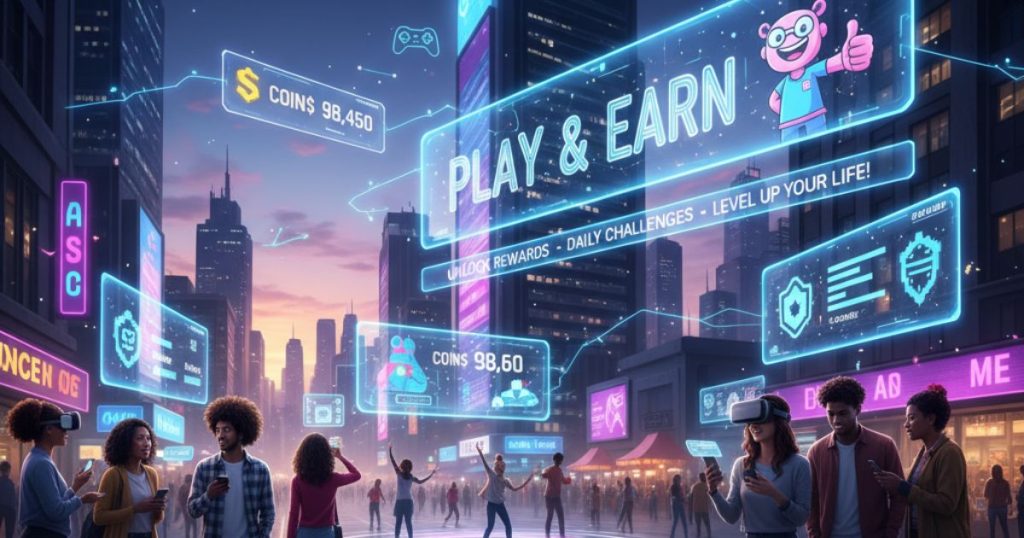
Gamification works because it taps into core human motivations like competition, achievement, curiosity, and social connection. Instead of passive scrolling, customers become active participants through interactive brand experiences, digital rewards, challenges, leaderboards, and loyalty gamification. Whether it’s a mobile app that encourages repeat visits, a social media quiz that sparks engagement, or a tier-based loyalty program that motivates progression, gamification enhances your customer engagement strategies across every touchpoint.
As you go through this guide, you’ll learn how to design effective interactive marketing experiences, apply real behavioral psychology triggers, avoid common gamification mistakes, and leverage emerging trends shaping the future—such as AI-powered personalization, real-time challenges, and deeper user participation. By the end, you’ll know exactly how to build a gamified strategy that boosts engagement, loyalty, and long-term brand growth.
What Is Gamified Marketing?
Gamified marketing is the strategy of integrating game mechanics and playful elements into non-gaming environments—such as websites, mobile apps, email sequences, social media campaigns, and even offline retail experiences. Instead of relying on traditional one-way messaging, this approach creates interactive experiences that motivate users to participate, engage, and return.
Brands use elements like points, badges, leaderboards, progress bars, challenges, and reward systems to make everyday interactions feel more exciting and meaningful. These engagement loops tap into core psychological triggers—such as achievement, curiosity, competition, and social recognition—to encourage behaviors that support business goals.
By leveraging these behavioral triggers, companies can increase time spent on digital platforms, boost social sharing, improve customer motivation, and drive repeat purchases. In essence, gamified marketing transforms standard touchpoints into immersive brand experiences that spark loyalty, enhance digital engagement, and keep customers coming back for more.
Key Benefits of Gamification in Marketing
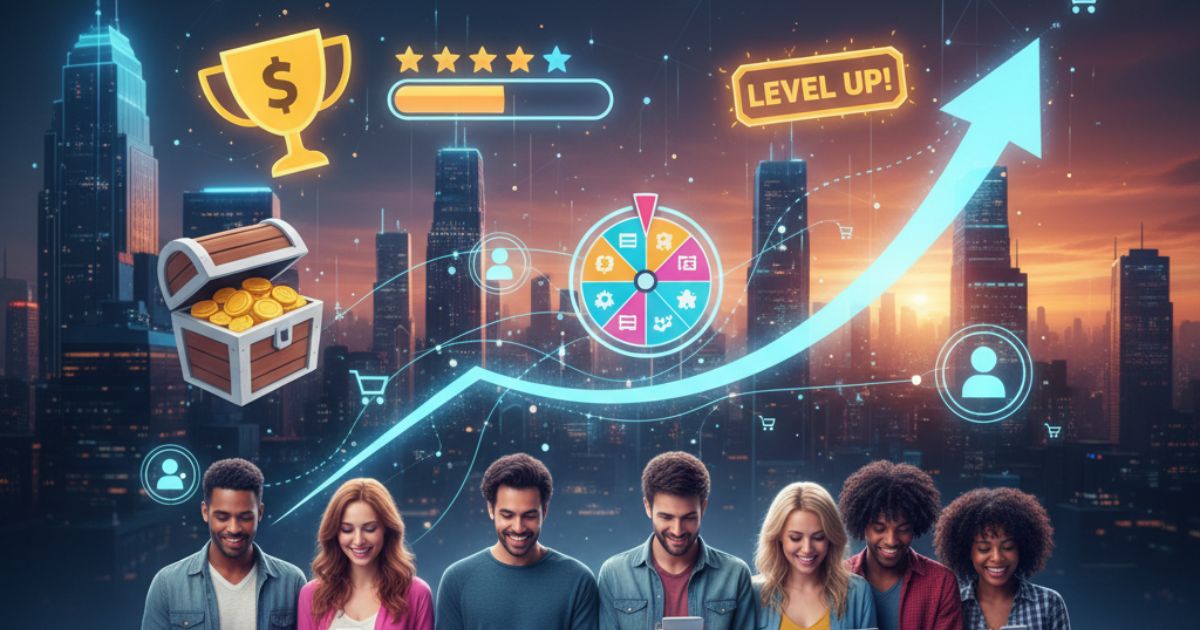
Incorporating gamification into your marketing strategy unlocks several powerful benefits that elevate both customer engagement and brand performance:
1. Enhanced Engagement
Gamified experiences use interactive game mechanics—such as challenges, rewards, and progress indicators—to capture attention and sustain interest far longer than static content. These engagement loops motivate users to complete tasks, boosting dwell time across your digital platforms and improving overall participation.
2. Improved Brand Recall
When customers associate your brand with enjoyable, immersive experiences, their emotional connection strengthens. This enhances brand recall, making them more likely to recommend you. Gamification reinforces your messaging through memorable, experience-driven interactions rather than passive viewing.
3. Data-Driven Insights
Every action a user takes—whether completing levels, earning badges, or interacting with quizzes—generates valuable behavioral data. These user insights help you understand preferences, pain points, and engagement patterns, enabling smarter personalization and more effective future campaigns.
4. Boosted Loyalty and Retention
Reward systems, progression paths, and loyalty gamification encourage repeat visits and long-term participation. By integrating points, tiers, or milestone achievements into your customer journey, you strengthen retention and increase customer lifetime value.
5. Viral Potential
Gamified campaigns often include shareable elements like referral challenges, social leaderboards, or collaborative quests. These features spark organic viral reach, prompting users to invite friends and expanding your audience without additional ad spend.
6. Competitive Differentiation
In saturated markets, interactive gamification sets your brand apart. By offering unique, engaging experiences rather than traditional ads, you stand out visually and emotionally—giving customers another reason to choose your brand over competitors.
7. Strong Behavioral Motivation
Well-designed gamification leverages behavioral psychology by providing clear goals, instant feedback, and a sense of progression. These elements drive intrinsic motivation and create lasting behavior change, extending the impact of your campaign long after it ends.
Essential Elements of Effective Gamification
A high-performing gamified marketing strategy is built on four foundational pillars that shape user motivation, engagement, and overall experience:
1. Clear Objectives
Every gamification initiative must start with well-defined, measurable goals. Whether you want to increase newsletter signups, drive app engagement, boost in-store foot traffic, or encourage repeat purchases, these objectives guide your game mechanics, reward structures, and UX design. Clear goals ensure your campaign aligns with broader marketing KPIs and delivers meaningful results.
2. Meaningful Rewards
Effective gamification uses reward that genuinely resonate with your audience. These incentives can be tangible—such as discounts, coupons, freebies, or loyalty points—or intangible, like exclusive access, status badges, VIP tiers, or community recognition. When rewards feel valuable and relevant, users are far more likely to stay engaged and complete desired actions.
3. Feedback and Progression
Real-time feedback is a cornerstone of strong engagement loops. Elements like progress bars, milestone celebrations, achievement notifications, and level-up animations create a visible sense of progression. This taps into intrinsic motivation by showing users that their actions matter, keeping them invested in the experience and encouraging ongoing participation.
4. Social Interaction
Incorporating social gamification—such as leaderboards, team challenges, referral missions, or community-sharing features—adds a powerful layer of connection. Social dynamics trigger recognition, friendly competition, and collaboration, making the experience more enjoyable and boosting organic reach through user sharing.
Popular Gamification Techniques
Points and Scoring Systems
Points are the foundation of many gamified experiences. By assigning a numerical value to user actions—such as completing a tutorial, making a purchase, or referring a friend—brands create a clear reward structure. Points systems leverage users’ competitive instincts and sense of progress. When well-implemented, they can drive participation across multiple touchpoints. To maximize impact, consider introducing tiered point levels or multipliers for high-value actions, encouraging users to aim for specific targets.
Badges and Achievements
Digital badges function as virtual trophies that recognize and celebrate user accomplishments. Whether for reaching a milestone, mastering a skill, or completing a series of tasks, badges provide a sense of pride and status. Displaying badges on user profiles or sharing them on social media reinforces social proof and amplifies reach. To boost engagement, create a diverse badge ecosystem with varying levels of rarity and prestige, encouraging users to collect and showcase their achievements.
Leaderboards and Friendly Competition
Leaderboards rank participants based on their performance, fostering friendly competition and social interaction. Public leaderboards can motivate top users to maintain their positions while inspiring others to increase their efforts. To prevent discouragement among lower-ranked participants, consider implementing segmented leaderboards (e.g., weekly or regional rankings) or offering consolation rewards. Balancing competitiveness with accessibility ensures a more inclusive experience.
Challenges and Quests
Structured challenges or quests guide users through a narrative or series of tasks, blending storytelling with clear objectives to create a seamless experience. Quests can range from simple daily check-ins to elaborate multi-step adventures that unlock exclusive content. Integrating time-bound events or seasonal themes adds urgency and novelty, encouraging users to return to your platform. Effective quests strike a balance between difficulty and reward, providing enough challenge to be engaging without causing frustration.
Integrating Gamification with Other Marketing Channels
Gamification becomes far more powerful when it’s woven into your broader omnichannel marketing strategy. By embedding game-like elements across multiple digital and offline touchpoints, brands can create a cohesive and highly engaging customer journey.
On websites and mobile apps, you can integrate interactive widgets, progress trackers, reward dashboards, and mini-games that motivate users to explore more content and complete desired actions. Within email marketing, elements like spin-the-wheel offers, interactive quizzes, milestone-based rewards, or referral challenges boost click-through rates and re-engagement.
Social media platforms offer an ideal environment for gamified activities—such as photo challenges, polls, achievement-based contests, hashtag missions, and community leaderboards—encouraging viral sharing and user-generated content. Even offline environments can be gamified: QR codes in physical stores can unlock digital rewards, while in-store kiosks can host branded mini-games that drive foot traffic and real-world participation.
By synchronizing these gamified touchpoints, you create a unified cross-channel experience that captures attention at every stage of the customer journey. Integrating gamification with your loyalty programs or CRM systems enhances personalization, enabling tailored challenges, dynamic rewards, and behavior-driven incentives based on each customer’s history, preferences, and activity patterns.
Real-World Examples of Gamified Campaigns
Many leading brands have harnessed gamification to achieve remarkable results. For instance, Starbucks Rewards awards stars for every purchase, unlocking complimentary beverages, personalized offers, and exclusive perks. This program boasts millions of active members who frequently engage with the brand’s app to track their progress. Nike’s Run Club app hosts community challenges—such as virtual 5K runs—that reward participants with digital badges and rare in-app content. This fosters a sense of belonging among fitness enthusiasts.
In the automotive sector, Ford introduced an interactive web experience called ‘FordPass’ that gamifies vehicle maintenance and service bookings. Users earn points for scheduling maintenance online, leaving reviews, or referring friends, which can be redeemed for accessories. Meanwhile, UNICEF’s Tap Project employed a charitable spin on gamification: users earned virtual water for every ten seconds they left a mobile device untouched, then UNICEF donated actual water to children in need. These campaigns demonstrate how gamification can be tailored to different objectives—from boosting sales to raising awareness—while maintaining strong emotional connections with users.
How to Implement a Gamified Marketing Campaign
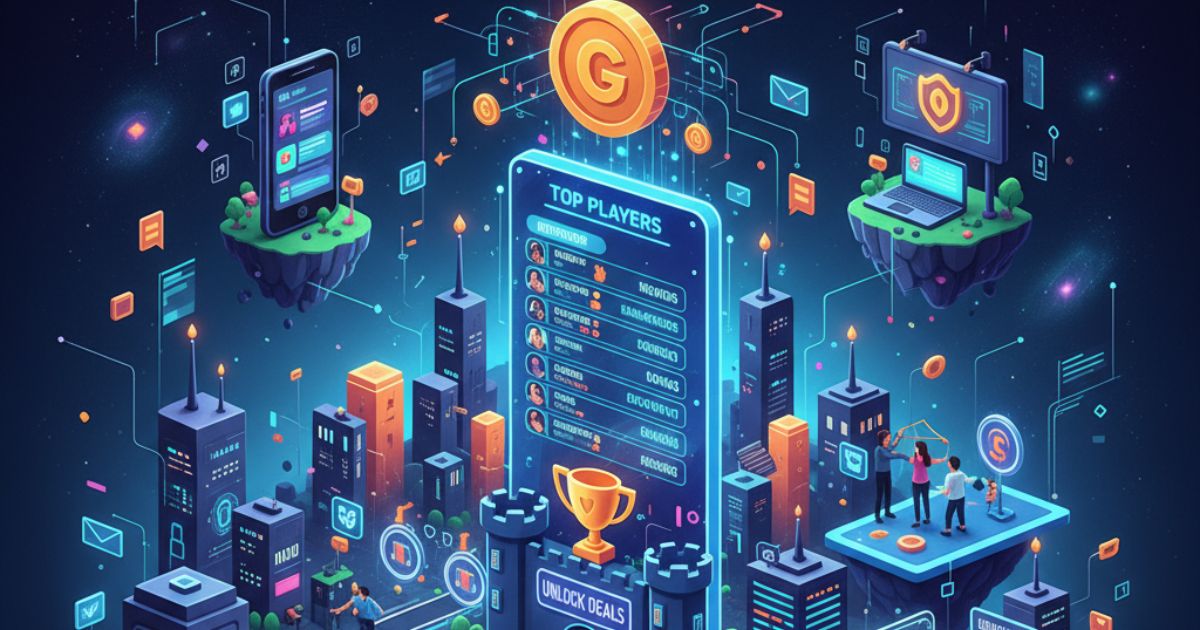
Implementing an effective gamified marketing strategy requires a balance of clear planning, user understanding, and well-designed game mechanics. Here’s how to build a campaign that drives meaningful engagement and long-term results:
1. Define Your Objectives
Start by setting clear, measurable goals for your campaign. Whether you want to increase brand awareness, grow email signups, boost repeat purchases, or generate user-generated content, your KPIs should guide every design decision. Concrete targets—such as “increase newsletter subscriptions by 20%”—ensure your gamification framework aligns with real business outcomes and performance indicators.
2. Know Your Audience
Understanding your audience’s motivations is essential. Use behavioral data, user surveys, focus groups, and customer insights to identify what drives them—competition, social recognition, achievement, curiosity, or rewards. These intrinsic motivators help you select the right game mechanics and engagement triggers that will resonate with their preferences.
3. Choose the Right Mechanics
Based on your objectives and audience psychology, select game elements such as points, badges, quests, leaderboards, spin-to-win modules, or milestone rewards. Avoid overwhelming users with excessive features; instead, focus on a few powerful mechanics that reinforce your engagement loops and motivate the behaviors you want to encourage.
4. Design Engaging Content
Create immersive visuals, narratives, and UI elements that match your brand identity. A cohesive theme or storyline adds emotional depth, guiding users through the experience and enhancing immersion. Whether you build interactive modules in-house or collaborate with creative agencies, ensure your gamified experience feels polished, intuitive, and enjoyable.
5. Test and Iterate
Before launching widely, release a beta version to a smaller audience segment. Track engagement metrics, reward redemption rates, UX friction points, and drop-off stages. Run A/B tests to compare variations in reward types, UI layouts, or messaging. Use the insights to optimize your user experience, refine mechanics, and improve campaign performance.
6. Integrate with Existing Systems
For a seamless customer journey, connect your gamification tools with your CRM, email automation, loyalty platform, and analytics dashboard. This allows for personalized rewards, behavior-based challenges, and accurate ROI measurement. Integrated systems ensure your gamification strategy is aligned with your overall omnichannel engagement efforts.
7. Plan Ongoing Maintenance
Gamification thrives on novelty and progression. To maintain momentum, schedule regular updates, seasonal events, new challenges, and limited-time rewards. Allocate resources for content creation, technical updates, and community management to keep your interactive experiences fresh, dynamic, and relevant over time.
Measuring the Success of Your Gamification Efforts
Determining the effectiveness of your gamified marketing efforts requires tracking both quantitative and qualitative metrics. Key quantitative metrics include:
- Engagement Rate: Percentage of users who participate in gamified elements versus total visitors.
- Average Session Duration: Time spent interacting with your game mechanics on site or in-app.
- Conversion Rate: Rate at which participants complete desired actions—signups, purchases, or referrals.
- Retention Rate: Percentage of users who return to engage with gamified experiences after their initial interaction.
- Social Shares and Referrals: The number of times your campaign is shared or referral codes are used.
Qualitative insights—gathered through user surveys, feedback forms, or social listening—reveal how participants perceive the fun and value of your campaign. Combine both data types to gain a comprehensive view of performance and areas for improvement.
Best Practices for Gamified Marketing
To ensure your gamified marketing strategy delivers meaningful engagement and long-lasting results, it’s essential to follow proven best practices that enhance usability, motivation, and customer satisfaction:
1. Keep Mechanics Simple
Avoid overly complex rules or game structures. Simple, intuitive interactions—such as tapping, collecting, leveling up, or spinning—ensure users stay engaged without cognitive overload. Clear game mechanics increase participation rates and reduce friction.
2. Align Rewards with Value
Effective reward systems balance effort and payoff. Whether you’re offering discounts, badges, exclusive access, or loyalty points, make sure the reward feels worth the user’s time. When the perceived value matches the challenge, users stay motivated and continue participating.
3. Foster Social Interaction
Incorporate social elements that encourage sharing, friendly competition, and collaboration. Features like leaderboards, referral challenges, team quests, and shareable achievements enhance social proof and help campaigns spread organically across social networks.
4. Personalize the Experience
Use customer data, behavioral triggers, and CRM insights to tailor challenges, reward tiers, and messaging to each user’s profile. Personalized gamification increases relevance, strengthens emotional engagement, and improves conversion rates.
5. Optimize for Mobile
Since most users interact from smartphones, ensure all gamified components are mobile-responsive, fast-loading, and visually clear. Prioritize seamless mobile UX—touch-friendly controls, lightweight graphics, and quick navigation—to maximize participation.
6. Maintain Transparency and Trust
Clearly explain how points are earned, how rewards are redeemed, and how user data is used. Transparent rules, fair progression, and upfront privacy communication build trust and encourage continued engagement with your gamified ecosystem.
Common Pitfalls to Avoid
Even well-designed gamified campaigns can fall short if certain mistakes go unnoticed. To ensure your strategy drives meaningful engagement and delivers measurable results, avoid these common pitfalls:
1. Neglecting the User Journey
Simply adding game elements without aligning them to the overall customer experience can feel random or forced. Gamification must support the user journey—reinforcing key touchpoints, not disrupting them.
2. Overemphasizing Competition
While leaderboards and competitive challenges can boost motivation, too much emphasis on winning may discourage users who prefer collaborative or self-paced experiences. Balance competitive mechanics with inclusive, achievement-based rewards.
3. Reward Oversaturation
Offering excessive or overly generous incentives can lead to reward fatigue, decreasing perceived value and inflating campaign costs. A strategic, well-paced reward system ensures sustainability and keeps users genuinely engaged.
4. Ignoring Accessibility
Failing to design for diverse abilities—such as visual impairments, motor limitations, or cognitive differences—reduces participation and undermines inclusivity. Ensure your gamified experiences follow accessibility best practices, from intuitive design to readable interfaces.
5. Lack of Iteration
Treating gamification as a one-time project instead of an evolving system weakens long-term engagement. Continuous optimization—through A/B testing, user feedback, and performance analytics—is essential for sustained success.
6. Data Siloes
Without proper integration with your CRM, analytics tools, or marketing automation systems, valuable engagement data remains unused. Breaking down data siloes enables personalization, segmentation, and accurate ROI measurement, ensuring your gamified campaign operates as part of a unified marketing ecosystem.
The Future of Gamification in Marketing
Looking ahead, emerging technologies will reshape gamified marketing landscapes:
- Augmented Reality (AR) and Virtual Reality (VR): Immersive experiences—such as AR scavenger hunts or VR brand worlds—will blur the lines between digital and physical engagement.
- Blockchain and NFTs: Brands can leverage non-fungible tokens to issue unique collectibles and verifiable rewards, opening new revenue streams.
- AI-Driven Personalization: Machine learning algorithms will tailor challenges and rewards in real time, enhancing relevance and user satisfaction.
- Voice and Gesture Interfaces: Gamified experiences powered by voice commands or motion sensors will create more natural and inclusive interactions.
- Social Impact Gamification: Purpose-driven campaigns that tie game mechanics to charitable actions will foster deeper emotional connections and enhance brand goodwill.
As competition intensifies, brands that adopt these trends early will gain a strategic edge, fostering deeper bonds and unlocking new engagement opportunities.
Conclusion
Gamified marketing represents a powerful approach to enhancing customer engagement, fostering loyalty, and achieving measurable results. Gamification in marketing utilizes game elements, such as points, rewards, and challenges, to make brand interactions more engaging and meaningful. By integrating these mechanics thoughtfully and aligning them with clear business objectives, marketers can transform passive audiences into active brand advocates.
The key is to start with a solid gamification strategy: define your goals, understand your audience, choose the proper game mechanics, and continuously improve using data-driven insights. With emerging technologies like AR, blockchain, and AI, the potential for creating interactive brand experiences is expanding rapidly.
Gamified campaigns not only boost participation but also build emotional connections and long-term customer loyalty. Embrace gamification today to create memorable, interactive experiences that engage customers and keep them coming back to your brand.
FAQS
1. How does gamified marketing increase customer engagement?
Gamified marketing increases engagement by turning passive interactions into active participation. Game mechanics like points, challenges, and rewards trigger psychological motivators such as achievement, curiosity, and competition. This keeps users involved longer, boosts click-through rates, and encourages repeat visits.
2. What types of businesses can benefit from gamification?
Almost any business—eCommerce, retail, fitness, education, SaaS, hospitality, and local service brands—can benefit from gamification. Any customer journey involving signups, purchases, learning, or loyalty can be enhanced with interactive experiences that motivate action.
3. Is gamification expensive to implement?
Gamification doesn’t have to be expensive. It can range from simple quizzes, spin-the-wheel popups, and rewards widgets to advanced mobile apps and interactive loyalty programs. The cost depends on the level of personalization, design, and integrations your brand needs.
4. What are the most effective gamification mechanics for marketing?
Common high-performing mechanics include points systems, badges, tiered rewards, progress bars, leaderboards, challenges, referral missions, and daily streaks. These elements create engagement loops that encourage users to continue interacting with your brand.
5. How do I measure the success of a gamified marketing campaign?
Success can be measured through engagement metrics (session time, participation rate), conversions (signups, purchases, referrals), retention rate, user-generated content, and social sharing. Qualitative feedback—like user satisfaction and perceived fun—is equally important for long-term optimization.