Harnessing Micro-Moments to Build Unshakeable Brand Trust

In today’s fast-moving digital landscape, consumer attention is short and decisions happen in seconds. People quickly decide what to buy, where to go, and which brand to trust—often in the middle of their daily routine. These intent-driven interactions, known as micro-moments, play a powerful role in shaping modern customer behavior and brand perception.
Micro-moments occur when users turn to their smartphones or digital devices to search, compare, learn, or take action. These moments usually happen on platforms like Google Search, YouTube, mobile apps, and social media. When brands respond with fast, relevant, and personalized content, they meet customer needs at the right time. This builds brand trust, improves customer experience, and strengthens emotional connections.
By using micro-moment marketing strategies, businesses can deliver value at the exact point of intent. Whether someone is checking online reviews, searching for nearby services, watching product videos, or making a quick mobile purchase, every interaction matters. Consistently showing up in these moments helps brands establish credibility, encourage customer loyalty, and increase conversion rates.
As mobile usage, voice search, and AI-driven personalization continue to grow, micro-moments are becoming even more important. Brands that understand user intent, optimize for real-time decision-making, and focus on seamless digital experiences can turn small interactions into long-term relationships. When done right, micro-moment optimization doesn’t just capture attention—it builds lasting trust and sustainable brand growth.
What Are Micro-Moments?

Micro-moments are brief, intent-driven interactions when people turn to a digital device—most often a smartphone—to act on an immediate need. The term was introduced by Google to describe moments when users want to know, go, do, or buy something right away. These moments happen throughout the day and strongly influence decision-making and brand perception.
Unlike traditional browsing sessions, micro-moments are short and frequent. A user may quickly check Google Search, watch a YouTube video, read online reviews, or compare products using a mobile app. Each interaction is driven by clear user intent and shaped by factors like location, time, and personal context. Because of this, brands must deliver fast, relevant, and helpful responses.
Micro-moments are also highly context-aware. Search results change based on location, device, and previous behavior. For example, someone searching “best coffee shop” on their phone expects nearby results with reviews and directions. Brands that optimize for mobile search, local SEO, and real-time personalization are more likely to appear in these high-impact moments.
From a marketing perspective, micro-moments represent opportunities to influence decisions instantly. Brands that respond with useful content, clear answers, and seamless experiences can build trust, increase engagement, and drive conversions. In today’s mobile-first world, mastering micro-moment marketing is essential for creating meaningful customer connections and long-term brand loyalty.
Why Micro-Moments Matter for Brand Trust?
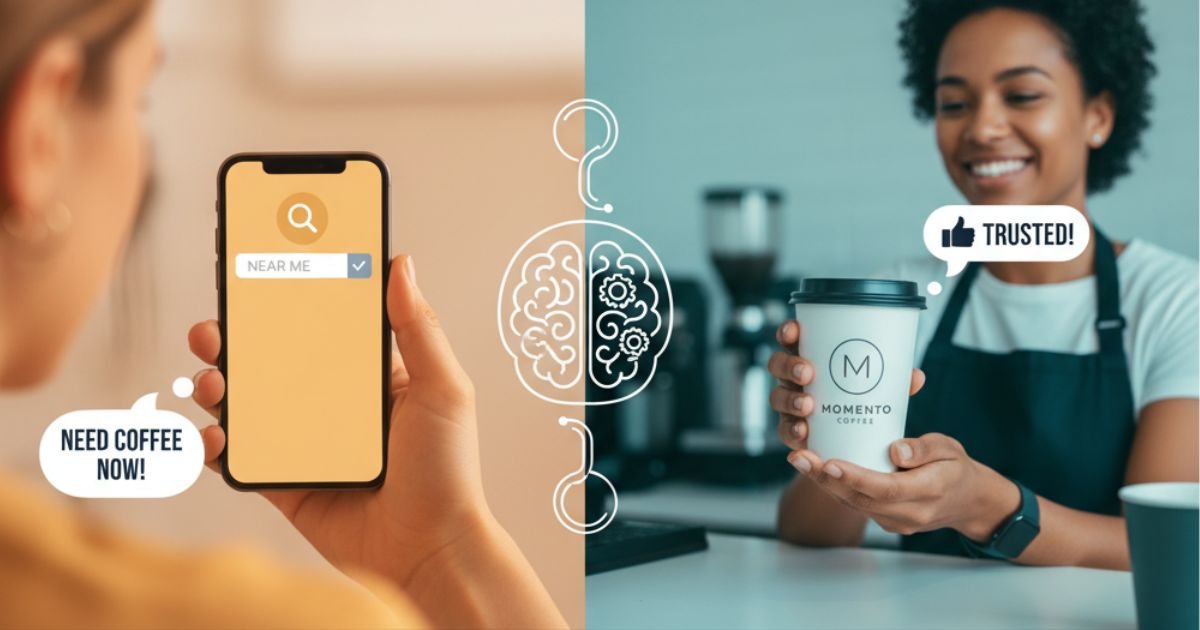
Brand trust is not built overnight. It is earned through many small interactions that happen at the right time. Micro-moments are those critical points when customers look for quick answers, instant solutions, or immediate reassurance. When a brand responds accurately and quickly, it shows reliability, understanding, and customer-first thinking.
Delivering value during a micro-moment signals that your brand understands user intent and respects the customer’s time. Whether it is a fast-loading mobile page, a clear answer on Google Search, or a helpful product recommendation on an app, these experiences shape how people perceive your brand and help build brand trust through consistent, positive interactions. On the other hand, slow websites, irrelevant content, or poor mobile experiences can quickly damage trust and push users toward competitors.
Effectively addressing micro-moments allows brands to demonstrate expertise and authority. Providing accurate, helpful information builds credibility and positions your business as a trusted source. Seamless, frictionless digital experiences—especially on mobile devices—reduce frustration and increase satisfaction, making users more likely to return.
Micro-moment marketing also enables real-time personalization. By using contextual data such as location, device type, and behavior patterns, brands can deliver relevant messages that feel timely and personal. This strengthens emotional connections and creates positive brand associations.
In a competitive digital landscape driven by mobile search, AI-powered personalization, and instant decision-making, brands that consistently show up during micro-moments earn trust, loyalty, and long-term customer relationships.
Identifying Micro-Moments in the Customer Journey
o identify micro-moments, start by mapping the full customer journey. Think about every situation where a user might quickly reach for their smartphone or digital device. This can happen at home, while commuting, inside a store, or during a conversation. Each of these moments represents a chance for your brand to meet an immediate need.
Use tools like Google Analytics, Google Search Console, heatmaps, and customer interviews to understand real user behavior. Look for patterns in mobile searches, short sessions, and high-intent actions. These insights help uncover common micro-moment scenarios that influence decisions.
Micro-moments usually fall into four key categories:
-
I want to know – Users search for product features, benefits, comparisons, or expert advice. This is the research phase where informative and educational content builds trust.
-
I want to go – Users look for nearby stores, service centers, or locations. Local SEO, Google Maps, and accurate business listings play a critical role here.
-
I want to do – Users seek tutorials, how-to guides, setup instructions, or troubleshooting tips. Clear content, videos, and step-by-step explanations improve experience.
-
I want to buy – Users compare prices, read reviews, check availability, or complete a purchase. Seamless checkout, trust signals, and mobile optimization are essential.
To turn insights into action, segment these micro-moments by audience persona, device type, and context. Factors such as time of day, location, past behavior, and previous interactions help define user intent more accurately. Organizing this information into a micro-moment matrix allows brands to align content, design, and technical strategy with real customer needs.
By identifying and planning for micro-moments across the customer journey, brands can deliver timely, relevant experiences that build trust, increase engagement, and drive meaningful conversions.
Strategies to Capitalize on Micro-Moments
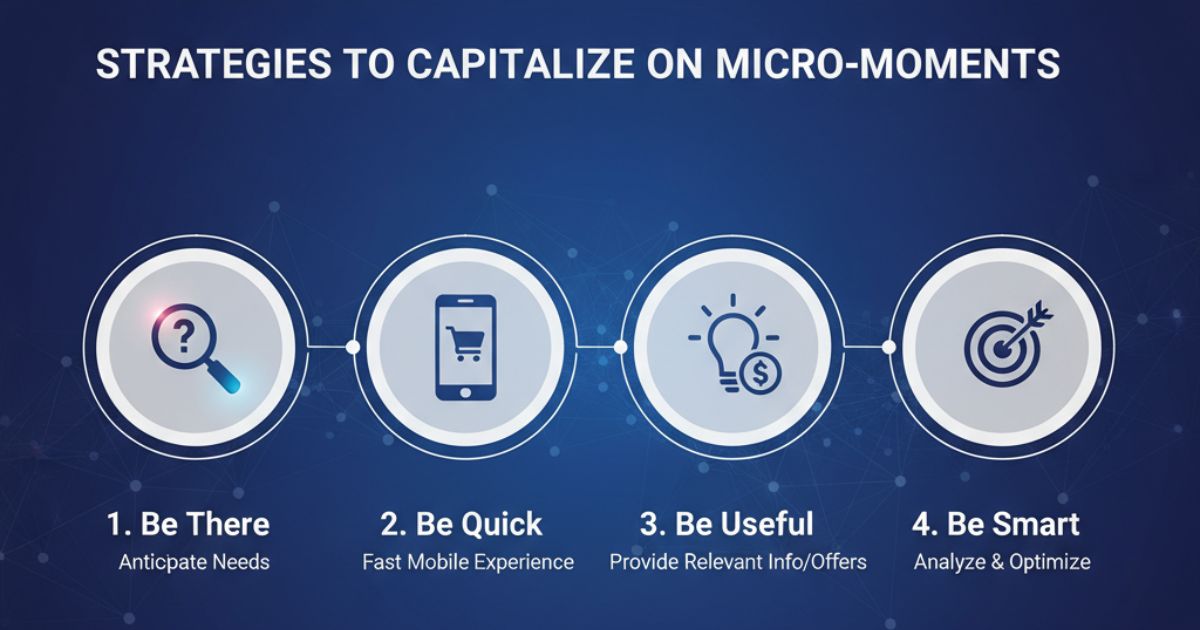
1. Personalization Through Real-Time Data
Personalization is at the core of effective micro-moment marketing. Use a Customer Data Platform (CDP) to bring together behavioral data, demographic insights, browsing history, and past purchases into one unified view. This allows brands to respond instantly when a user shows intent.
For example, if a user searches for a “how-to” guide, serve a personalized video tutorial or article based on their previous interactions. Real-time personalization increases relevance and makes users feel understood. When content feels timely and useful, it builds trust and strengthens brand credibility.
2. Instant, Mobile-Optimized Experiences
Micro-moments happen mostly on mobile devices, which makes mobile optimization essential. Page load speed is critical. Users expect results immediately, and even a short delay can lead to drop-offs. Aim for sub-two-second load times to meet user expectations.
Technologies like Accelerated Mobile Pages (AMP) and Progressive Web Apps (PWAs) help deliver fast, app-like experiences. Add quick-action features such as Call Now, Get Directions, or Book Appointment buttons. These frictionless options allow users to complete tasks without extra steps, improving conversion rates and satisfaction.
3. Contextual Content and Micro-Videos
Short, focused content performs best during micro-moments. Micro-videos—typically 15 to 30 seconds long—are ideal for answering one question or demonstrating a single action. These videos work well for product demos, tutorials, and quick tips.
Host micro-videos on your website, YouTube, social media platforms, and optimized landing pages. Use video schema markup so search engines can surface your content in featured snippets and rich results. This helps your brand capture attention exactly when users need help.
4. Proactive Messaging and Push Notifications
Proactive communication helps brands stay relevant during high-intent moments. Segment users based on behavior triggers such as abandoned carts, location-based activity, or low inventory alerts. Send timely push notifications, in-app messages, or SMS reminders that add value.
The key is balance. Messages should feel helpful, not intrusive. Smart timing and relevance improve engagement while maintaining user trust. When brands anticipate needs without overwhelming users, they create positive and memorable experiences.
5. Seamless Cross-Channel Customer Journeys
Customers move between devices throughout the day. A user might start browsing on a smartphone and complete a purchase on a laptop. Brands must support these cross-device journeys without interruption.
Enable features like saved shopping carts, consistent preferences, and synchronized messaging across platforms. Use single sign-on (SSO) and unified customer profiles to ensure continuity. When every micro-moment feels connected, users experience your brand as reliable, professional, and easy to engage with.
Measuring the Impact on Brand Trust
Measuring brand trust is not always straightforward, but micro-moment data provides valuable insight into how users perceive your brand. Since micro-moments are short and intent-driven, tracking the right performance indicators helps brands understand whether they are delivering fast, helpful, and trustworthy experiences.
One important metric is Time to First Interaction. This measures how quickly your website or app responds when a user takes action. Faster response times signal reliability and respect for user intent, especially on mobile devices. Slow load times or delayed interactions often lead to frustration and lost trust.
Another key indicator is the micro-conversion rate. This shows the percentage of users who complete small but meaningful actions, such as signing up for updates, watching a short video, clicking a call button, or saving a product. High micro-conversion rates suggest that your content is relevant and aligned with user needs.
Customer Satisfaction (CSAT) scores provide direct feedback after a micro-moment interaction. Simple in-app surveys or pop-up feedback forms can capture how users feel about their experience in real time. Positive CSAT scores reflect smooth, frictionless interactions that build confidence.
The Net Promoter Score (NPS) measures long-term brand loyalty by asking users how likely they are to recommend your brand. While NPS reflects overall sentiment, improvements over time often indicate that consistent positive micro-moments are strengthening trust and emotional connection.
Finally, track repeat micro-moment engagement. When users return frequently for quick answers, directions, or product checks, it shows growing trust and dependence on your brand. Consistent return behavior is a strong signal that your brand has become a reliable source during critical moments.
By monitoring these KPIs and aligning them with mobile analytics, customer experience metrics, and behavioral data, brands can clearly see how micro-moment optimization contributes to stronger brand trust and long-term customer loyalty.
Real-World Examples
Many brands are already using micro-moment strategies to build trust, improve customer experience, and drive measurable business results.
A luxury travel brand, JetVoyage, launched a Progressive Web App (PWA) designed for speed and convenience. The app allows users to check flight status, upgrade seats, and chat with a digital concierge—all within 30 seconds. By delivering instant, mobile-first experiences during high-intent moments, JetVoyage saw a 40% increase in in-app engagement and a 20% rise in repeat bookings. These results highlight how fast, frictionless micro-moments can strengthen customer loyalty in the travel industry.
Similarly, home improvement retailer FixItFast focused on helping customers at the exact moment they needed support. The brand introduced context-aware QR codes on product packaging, enabling shoppers to instantly access assembly videos, how-to guides, and live expert chat through their smartphones. This micro-moment solution reduced friction after purchase, leading to a 35% drop in customer support calls and CSAT scores exceeding 90%. By offering immediate assistance, FixItFast reinforced trust and improved post-purchase satisfaction.
These examples show that when brands combine mobile optimization, contextual content, and real-time customer support, micro-moments become powerful trust-building opportunities. Small, well-timed interactions can deliver meaningful impact across engagement, satisfaction, and long-term brand relationships.
Best Practices and Tools
Executing a successful micro-moment strategy requires the right mix of technology, data, and people. Brands must be ready to respond instantly with relevant and personalized experiences at every point of intent.
Start by investing in a robust Customer Data Platform (CDP) that brings together user behavior, preferences, and interaction history across channels. Pair this with AI-driven recommendation engines to deliver personalized content, product suggestions, and offers in real time. These tools help brands act on micro-moments with speed and accuracy.
Next, implement real-time analytics platforms such as Google Analytics or Mixpanel. These tools provide deep insight into user behavior, micro-conversions, and engagement patterns. Tracking events, funnels, and session flows helps teams understand which micro-moments drive trust and which need improvement.
For faster content delivery, adopt a headless CMS architecture. Headless systems allow teams to update content quickly across websites, mobile apps, and other digital touchpoints without technical delays. This flexibility is critical when responding to changing user intent and real-time demand.
Use A/B testing and experimentation tools like Optimizely or VWO to refine messaging, layouts, and calls to action. Testing different content formats, headlines, or micro-copy helps identify what resonates best during high-intent moments.
Finally, technology alone is not enough. Train customer-facing teams—including marketing, support, and sales—on micro-moment best practices. When teams understand user intent and respond consistently across channels, brands deliver seamless experiences that build trust and long-term loyalty.
Conclusion
Micro-moments have become the foundation of modern brand trust. These small, intent-driven interactions shape how customers perceive your brand in real time. When brands consistently respond with speed, relevance, and personalization, they signal reliability, empathy, and customer-first thinking—all core principles of inclusive branding.
By proactively identifying key micro-moments across the customer journey, businesses can deliver mobile-first, context-aware solutions that serve diverse user needs. Inclusive branding ensures that content, design, and messaging feel accessible, respectful, and relevant to every audience segment. Optimizing for fast load times, personalized experiences, and seamless cross-device journeys makes each interaction feel effortless and welcoming.
Measuring performance through micro-conversions, engagement metrics, and trust indicators helps brands refine both experience and inclusivity. Over time, these small improvements compound into stronger brand credibility, deeper customer loyalty, and sustainable growth.
Brands that embrace micro-moments alongside inclusive branding are better prepared to compete in a digital landscape shaped by mobile behavior, AI-driven personalization, and real-time decision-making. Start by mapping your most important micro-moments, testing mobile-first solutions, and building trust intentionally—one meaningful moment at a time.
FAQs
1. What are micro-moments in digital marketing?
Micro-moments are short, intent-driven interactions when users turn to their smartphones or digital devices to find information, compare options, or take immediate action. These moments usually fall into four types: I want to know, go, do, or buy. Brands that respond quickly with relevant content can influence decisions and build trust.
2. Why are micro-moments important for building brand trust?
Micro-moments matter because they happen when users need fast answers and reassurance. When a brand delivers helpful, accurate, and timely responses during these moments, it shows reliability and customer-first thinking. Consistent positive micro-moment experiences strengthen credibility and long-term brand trust.
3. How can brands identify micro-moments in the customer journey?
Brands can identify micro-moments by analyzing mobile behavior, search queries, short sessions, and high-intent actions using tools like analytics platforms and customer feedback. Mapping touchpoints across devices, locations, and time helps uncover when users need quick information or solutions.
4. What strategies help brands succeed in micro-moment marketing?
Successful micro-moment strategies include real-time personalization, fast mobile-optimized experiences, short-form content like micro-videos, proactive messaging, and seamless cross-device journeys. Using data, AI-driven tools, and mobile-first design ensures brands meet user intent instantly.
5. How does inclusive branding connect with micro-moments?
Inclusive branding ensures that micro-moment experiences are accessible, relevant, and respectful to diverse audiences. By considering different devices, abilities, languages, and contexts, brands can create welcoming interactions that build trust and emotional connection during every critical moment.