Hyper-Personalized Branding: The Future of One-to-One Marketing
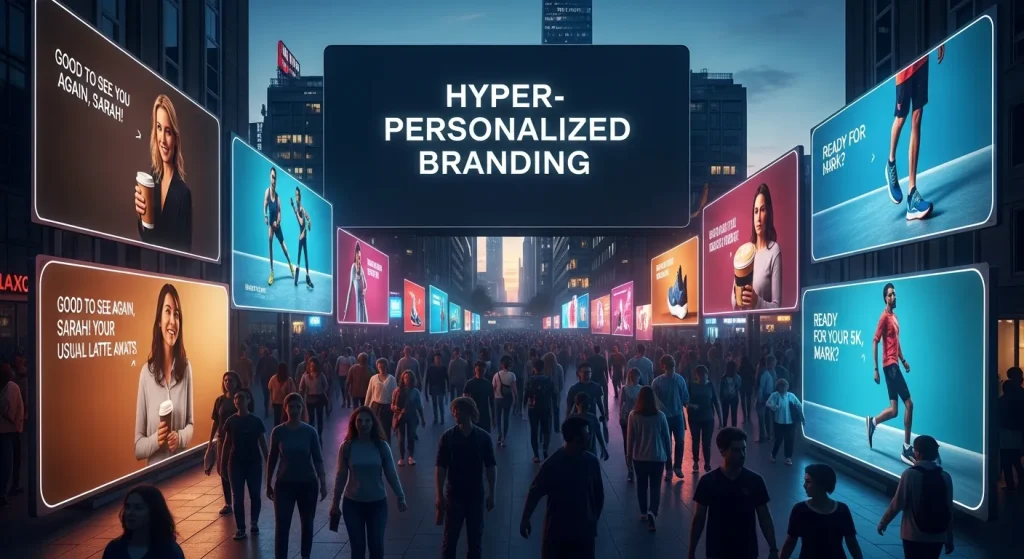
The era of “one-size-fits-all” marketing is dead. Today, hyper-personalized branding is the new standard, using real-time data to treat every customer like your only customer.
This comprehensive guide explores the transformative power of hyper-personalized branding. We delve into how Artificial Intelligence (AI) and Big Data enable brands to move beyond basic segmentation to deliver one-to-one marketing experiences. You will learn actionable strategies for implementing AI-driven personalization, overcoming privacy challenges, and boosting customer engagement through tailored interactions.
What is Hyper-Personalized Branding?
Hyper-personalized branding is the advanced evolution of personalized marketing. While traditional personalization might involve adding a customer’s first name to an email subject line or segmenting audiences by age, hyper-personalized branding goes much deeper. It leverages AI and Big Data to analyze individual behaviors, preferences, and context in real-time, delivering unique messages, products, and experiences to specific users at the exact moment they are most receptive.
In the context of brand marketing, this means shifting the focus from “target markets” to individual humans. It is the ultimate expression of customer-centric brand development. Instead of casting a wide net with a generic message, hyper-personalized branding uses predictive algorithms to anticipate what a specific user needs before they even realize it themselves.
Why is this shift necessary? Because consumer expectations have changed. In a world dominated by algorithms like TikTok and Netflix, consumers expect brands to know them. A generic ad is now seen as a nuisance; a relevant, hyper-personalized branding experience is seen as a service.
The Difference Between Personalization and Hyper-Personalization
To truly grasp hyper-personalized branding, we must distinguish it from standard personalization.
|
Feature |
Standard Personalization |
Hyper-Personalized Branding |
|---|---|---|
|
Data Source |
Basic demographics (Age, Location), Purchase History. |
Real-time behavioral data, Context, Sentiment, AI predictions. |
|
Timing |
Scheduled (e.g., Weekly Newsletter). |
Real-time / Trigger-based (e.g., Push notification upon entering a store). |
|
Communication |
One-to-Many (Segment based). |
One-to-One (Individual based). |
|
Technology |
CRM, Email Marketing Tools. |
AI, Machine Learning, Big Data Analytics, Predictive Engines. |
|
Goal |
Increase conversion rates within a segment. |
Maximize Customer Lifetime Value (CLV) through deep relevance. |
The Engine: AI and Big Data in Branding
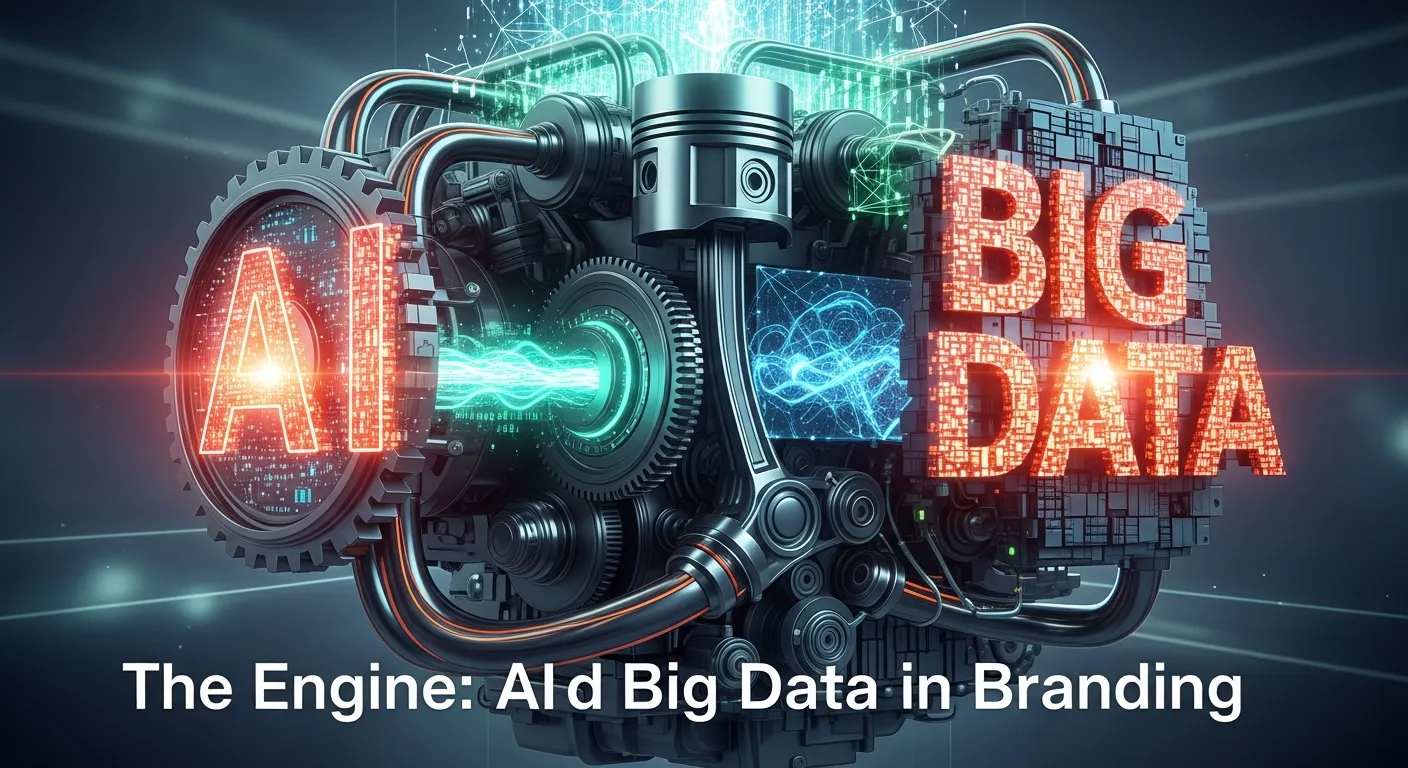
The fuel for hyper-personalized branding is data, and the engine is Artificial Intelligence. Without these two components, true one-to-one scale is impossible.
The Role of Big Data
Big Data refers to the massive volume of structured and unstructured data that floods a business on a day-to-day basis. For hyper-personalized branding to work, you need to harvest data from multiple touchpoints:
- Transactional Data: What they bought, when, and how much they spent.
- Behavioral Data: Website clicks, dwell time, cart abandonment, and content consumption.
- Social Data: Interactions on social media, shares, and likes.
- Contextual Data: Location (Geo-fencing), weather, device type, and time of day.
This aggregation of data allows for customer journey mapping that is dynamic and fluid, rather than static.
The Role of AI and Machine Learning
Humans cannot process millions of data points in real-time; AI can. AI-powered brand analysis tools process this data to find patterns and make predictions.
- Predictive Analytics: AI can predict what a customer is likely to buy next based on their past behavior and the behavior of similar users. This is predictive boost strategies in action.
- Natural Language Processing (NLP): AI can analyze customer reviews, support tickets, and social media chatter to understand sentiment and brand voice alignment.
- Generative AI: New tools can generate unique email copy or images for specific individuals, enabling generative engine optimization for personalized content at scale.
Strategies for Implementing Hyper-Personalized Branding

Implementing a hyper-personalized branding strategy requires a shift in mindset and technology stack. Here are the core strategies to succeed.
1. Unified Customer Data Platform (CDP)
You cannot execute hyper-personalized branding if your data is siloed. A Customer Data Platform (CDP) unifies data from marketing, sales, and customer service into a single source of truth. This allows you to see the “whole person.” For instance, if a customer complains about a product on Twitter, your email marketing system should know about it instantly so it doesn’t send them a “Refer a Friend” email 10 minutes later.
2. Omnichannel Personalization
Customers move seamlessly between devices. Your hyper-personalized branding must follow them. Omnichannel personalization ensures that the conversation continues exactly where it left off.
Example: A user adds a pair of shoes to their cart on their mobile app but doesn’t buy. Later, when they visit the desktop site, those shoes should be front and center. Later that evening, they receive an email with a customized discount for those specific shoes.
3. AI-Driven Content Recommendations
Netflix is the king of this. Their entire homepage is a manifestation of hyper-personalized branding. Every thumbnail image you see is chosen based on what you are most likely to click. Brands can apply this by using AI to dynamically change website banners, product grids, and article recommendations based on the visitor’s profile.
4. Dynamic Creative Optimization (DCO)
DCO technology allows marketers to create thousands of ad variations automatically. It mixes and matches images, copy, and calls-to-action to find the perfect combination for a specific user. This ensures that your digital marketing strategies are always optimized for the individual.
5. Leveraging Zero-Party Data
With the death of third-party cookies, zero-party data (data a customer intentionally shares with you) is gold. Use interactive content like quizzes or polls to ask customers what they want.
Example: A skincare brand asks, “What is your main skin concern?” If the user selects “Dryness,” the entire brand experience—from email tips to product suggestions—pivots to focus on hydration. This builds trust and makes hyper-personalized branding feel like a partnership.
The Psychology Behind Hyper-Personalization
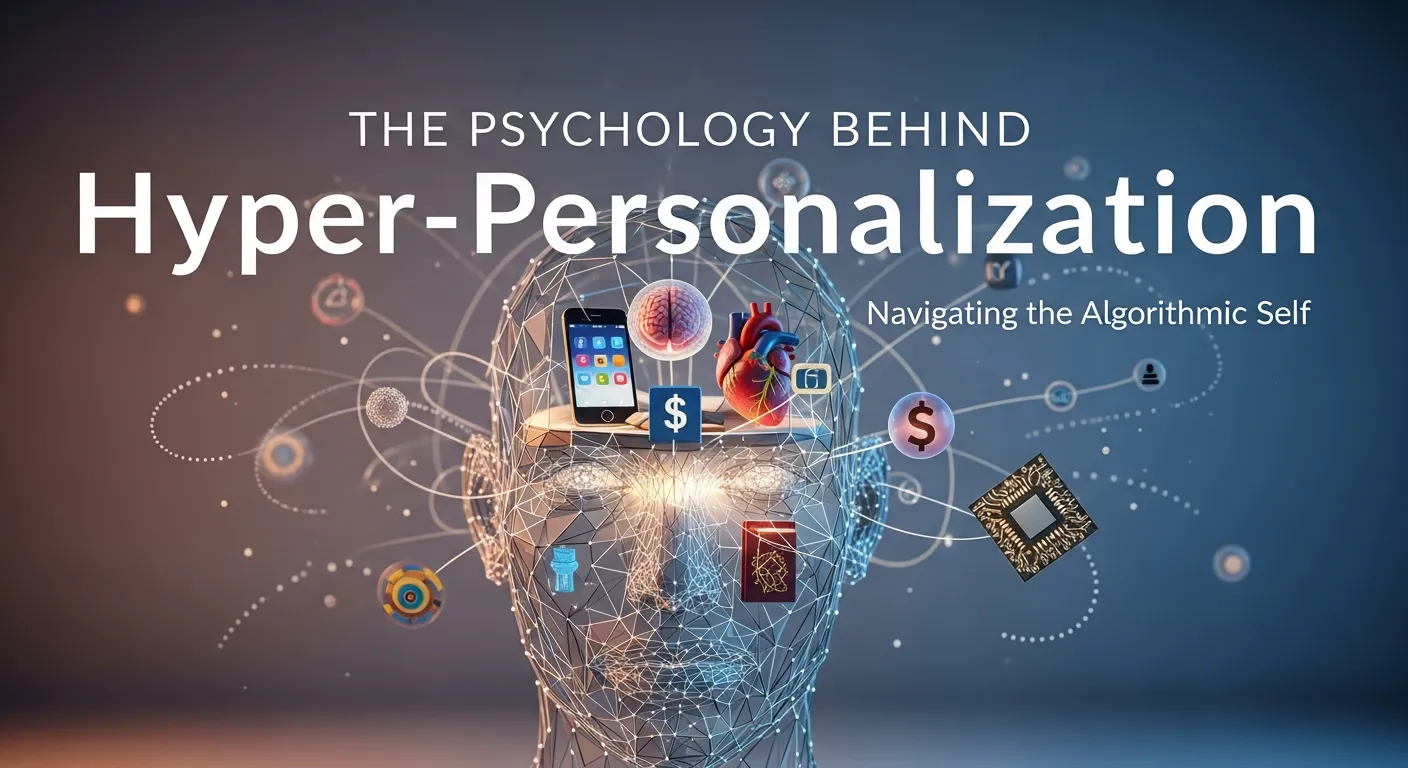
Why does hyper-personalized branding work so well? It taps into fundamental human psychology.
The Cocktail Party Effect
Our brains are wired to focus on information that is relevant to us (like hearing our name in a noisy room). Hyper-personalized branding cuts through the noise of the digital world by triggering this attention mechanism.
Reduced Cognitive Load
Decision fatigue is real. By curating options and showing customers exactly what they want, hyper-personalized branding reduces the mental effort required to make a purchase. This seamless user experience and branding alignment leads to higher conversion rates.
Emotional Connection and Neurochemistry
When a brand “gets” us, it triggers a release of dopamine. It creates a sense of belonging and validation. Neuromarketing techniques show that personalized experiences light up the pleasure centers of the brain. This emotional bond is the foundation of brand loyalty and equity.
Case Studies: Hyper-Personalized Branding in Action
To understand the power of hyper-personalized branding, we can look at industry leaders who have mastered it.
Spotify: Wrapped
Spotify Wrapped is perhaps the most viral example of hyper-personalized branding. By analyzing a year’s worth of listening data, Spotify creates a unique, shareable story for every single user. It leverages nostalgia in digital branding by reminding users of the songs that defined their year. It turns raw data into an emotional narrative, encouraging users to share their results, which acts as massive social proof.
Amazon: The Recommendation Engine
Amazon’s “Frequently Bought Together” and “Customers who viewed this item also viewed” features are powered by massive datasets. 35% of Amazon’s revenue is estimated to come from its recommendation engine. This is hyper-personalized branding focused on utility and convenience.
Starbucks: Gamified Personalization
Starbucks uses its app to gather data on purchasing habits. It then uses gamification in marketing to offer personalized challenges. One user might get a “Buy 2 Lattes” challenge, while another gets a “Visit after 2 PM” challenge, based entirely on their past behavior. This tailored approach maximizes customer engagement.
Challenges and Risks of Hyper-Personalized Branding
While the benefits are immense, hyper-personalized branding comes with significant risks that must be managed.
The Privacy Paradox
Customers want personalization, but they also fear surveillance. There is a fine line between being helpful and being “creepy.” Brand safety in digital marketing now includes data ethics. Brands must be transparent about what data they collect and how they use it. Trust is the currency of the future.
Data Security
Collecting massive amounts of personal data makes you a target for cyberattacks. A data breach can destroy brand reputation overnight. Robust cybersecurity is a non-negotiable part of a hyper-personalized branding infrastructure.
The Filter Bubble
If you only show customers what you think they want, you risk trapping them in a “filter bubble,” preventing them from discovering new products. Effective hyper-personalized branding should inject serendipity—occasionally suggesting something slightly outside the user’s usual patterns to broaden their horizons.
Advanced Concepts: The Future of Personalization
As technology evolves, hyper-personalized branding will enter new frontiers.
Hyper-Personalization in the Metaverse
Mastering metaverse branding will require adapting personalization to virtual worlds. Imagine an avatar walking into a virtual store, and the store’s layout, colors, and products instantly morph to match the user’s preferences. This is the ultimate immersive brand experience.
AI Sensory Branding
Future hyper-personalized branding might extend beyond visuals. AI sensory branding could allow devices to adjust audio frequencies or even emit scents (via specialized hardware) that trigger specific emotional responses based on the user’s biometric data.
Generative Engine Optimization (GEO)
As search engines evolve into answer engines powered by AI, brands will need to optimize their content not just for keywords, but for AI comprehension. Generative Engine Optimization will ensure that when an AI assistant curates a personalized list of recommendations for a user, your brand is included.
Predictive Customer Care
Hyper-personalized branding extends to support. AI will predict when a customer is about to experience an issue (e.g., a subscription running out or a shipping delay) and reach out proactively with a solution before the customer even complains.
Integrating Hyper-Personalization with Brand Values

Hyper-personalized branding must align with your core brand values.
Inclusive Brand Strategies
Personalization allows you to be more inclusive. By understanding the specific needs of diverse customer groups, you can tailor imagery and language to be culturally relevant. Inclusive brand strategies ensure that every individual feels seen and respected, rather than stereotyped.
Sustainable Branding Strategies
If your data shows a customer values sustainability, hyper-personalized branding allows you to highlight your eco-friendly products or your carbon footprint initiatives. This aligns your sustainable branding strategies with the specific values of the consumer, deepening the connection.
Best Practices for a Hyper-Personalized Strategy
- Start Small: Don’t try to hyper-personalize everything at once. Start with email subject lines or product recommendations.
- Test and Learn: Use A/B testing to see which personalized elements drive the most value. Google Analytics and other tools are essential for measuring impact.
- Prioritize Value: Always ask, “Does this personalization add value to the customer?” If it’s just personalization for the sake of it, it might be annoying.
- Keep the Human Touch: AI is a tool, not a replacement for human empathy. Ensure there is always a path to a human agent for complex issues.
Measuring the ROI of Hyper-Personalized Branding
To justify the investment in AI and data infrastructure, you need to track the right KPIs.
- Conversion Rate: Are personalized pages converting better?
- Average Order Value (AOV): Are recommendations driving upsells?
- Customer Retention Rate: Are personalized experiences keeping customers longer?
- Net Promoter Score (NPS): Does personalization improve customer sentiment?
Tools like SEMrush and Ahrefs can help track traffic improvements, while platform-specific analytics will track engagement.
Conclusion
Hyper-personalized branding is not a fleeting trend; it is the inevitable future of marketing. As AI becomes more sophisticated and big data becomes more accessible, the brands that win will be the ones that use these tools to create genuine, one-to-one connections. It is about treating the customer not as a data point, but as a partner.
By harnessing hyper-personalized branding, companies can transform generic transactions into meaningful relationships, driving brand loyalty, advocacy, and sustainable growth. The technology is here. The data is available. The only question remaining is: are you ready to get personal?
Frequently Asked Questions (FAQs)
1. What is the main difference between personalized and hyper-personalized branding?
Personalization usually relies on static data like name or location (e.g., “Hi John”). Hyper-personalized branding uses real-time data, AI, and predictive analytics to tailor the entire experience based on behavior, context, and intent (e.g., recommending a specific umbrella because it’s raining in John’s location and he just viewed raincoats).
2. Is hyper-personalized branding expensive to implement?
It can be, due to the need for AI tools and data platforms. However, the ROI often justifies the cost. Small businesses can start with affordable tools that offer dynamic content and basic automation before scaling up to enterprise-level hyper-personalized branding solutions.
3. Does hyper-personalization violate customer privacy?
It can if not done ethically. It is crucial to adhere to regulations like GDPR and CCPA. Successful hyper-personalized branding relies on transparency and preferably zero-party data, where the customer explicitly shares information in exchange for a better experience.
4. Can small businesses use hyper-personalized branding?
Yes. While they may not have Big Data, they can use tools like personalized email marketing, localized social media ads, and CRM systems to tag and segment customers based on behavior. Hyper-personalized branding is a mindset as much as a technology.
5. How does AI contribute to hyper-personalized branding?
AI processes vast amounts of data faster than humans. It identifies patterns, predicts future behaviors, and can automate content creation (Generative AI), making hyper-personalized branding scalable.
6. What role does “context” play in hyper-personalization?
Context is everything. Knowing where a customer is, what device they are using, and even the weather can change the relevance of a message. Hyper-personalized branding uses context to ensure the message is appropriate for the moment.
7. Can hyper-personalization improve customer retention?
Absolutely. When customers feel understood and valued, they are less likely to leave. Hyper-personalized branding creates “lock-in” by making the experience so convenient and relevant that switching to a competitor feels like a downgrade (e.g., leaving Spotify and losing your personalized playlists).
8. What is the “next best action” in marketing?
This is a concept used in hyper-personalized branding where AI analyzes a customer’s status and determines the single most effective action to take next—whether that’s sending a coupon, offering a tutorial, or leaving them alone.
9. How does hyper-personalization affect brand voice?
It allows the brand voice to modulate based on the user. For a serious B2B buyer, the tone might be professional. For a casual browser, it might be witty. However, the core brand personality must remain consistent to maintain authenticity.
10. Is hyper-personalized branding effective for B2B?
Yes. B2B buyers expect the same level of personalization they get as consumers. Hyper-personalized branding in B2B might look like customized landing pages for specific accounts (Account-Based Marketing) or content recommendations based on the prospect’s industry and role.