Understanding the Difference Between Brand Marketing and Content Marketing
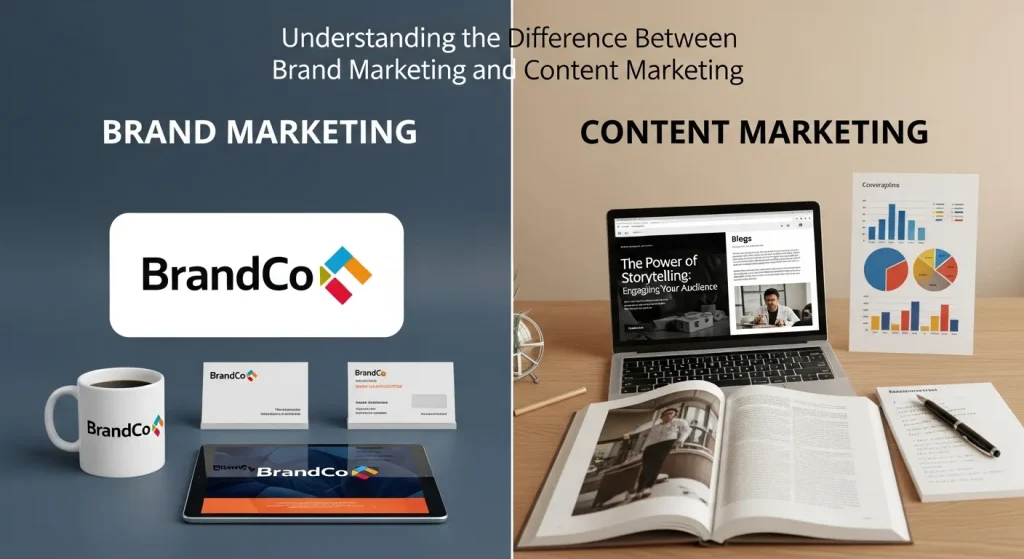
Brand marketing and content marketing are often used interchangeably, but they serve distinct roles. This guide will clarify their differences and show how they work together.
Brand marketing builds your company’s identity and reputation, creating a broad, emotional connection. Content marketing uses valuable information to attract and engage a specific audience, building trust and authority. While brand marketing is about who you are, content marketing is about what you know.
The Definitive Guide to Brand Marketing and Content Marketing
In the complex landscape of digital business, understanding the nuances of different marketing disciplines is crucial for success. Two terms that frequently cause confusion are brand marketing and content marketing. While they are deeply interconnected and often overlap, they are not the same. Brand marketing is the macro strategy focused on shaping public perception and building a lasting identity. Content marketing is a more tactical approach that uses valuable content to attract, engage, and convert a specific audience.
Disentangling brand marketing and content marketing allows businesses to build a more robust, integrated marketing plan. By appreciating their unique strengths and objectives, you can allocate resources more effectively, create more cohesive campaigns, and ultimately build a stronger, more resilient business. This comprehensive article will dissect each discipline, explore their key differences, and demonstrate how they can be synergistically combined to achieve remarkable growth.
What is Brand Marketing?
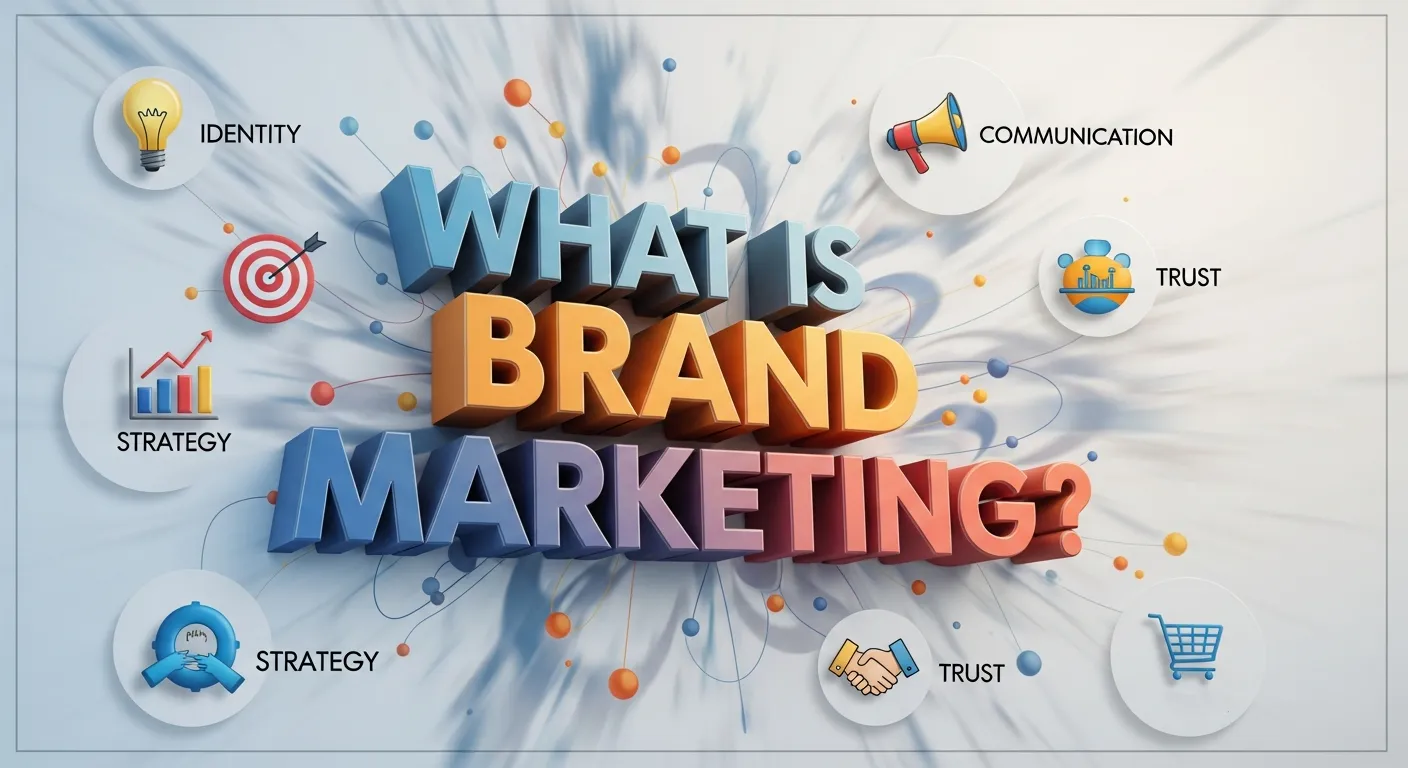
Brand marketing is a long-term, strategic approach focused on creating and maintaining a company’s brand. The brand is more than just a logo or a name; it is the entire experience your customers have with your company, product, or service. It’s the feeling, the promise, and the personality that people associate with your business. The major objective of all brand marketing is to build brand equity—the value a company generates from a product with a recognizable name when compared to a generic equivalent.
The core of brand marketing involves shaping the public’s perception of your company. It aims to establish a significant and differentiated presence in the market that attracts and retains loyal customers. This is achieved through a consistent message and visual identity across all platforms. Think of iconic brands like Apple or Nike. Their marketing efforts go beyond just selling products; they sell a lifestyle, an identity, and a set of values. This is the essence of successful brand marketing.
Key Components of Brand Marketing Strategy
A successful brand marketing strategy integrates several key components to create a unified and powerful brand presence.
- Brand Identity: This is the visual and verbal expression of your brand. It includes your logo, color palette, typography, and brand voice. A strong brand identity makes your business instantly recognizable.
- Brand Positioning in Marketing: This defines where your brand stands in relation to competitors in the minds of consumers. How to create strong brand positioning in your market involves identifying your unique value proposition and communicating it clearly.
- Brand Personality In Marketing: If your brand were a person, what would its personality be? Would it be sophisticated, rugged, playful, or trustworthy? This humanizes your brand and makes it more relatable. Brand archetypes are often used to define this personality.
- Brand Promise: This is the explicit or implicit commitment you make to your customers. It’s the value or experience they can expect to receive every time they interact with your business.
- Brand Awareness in Marketing: This measures how familiar your target audience is with your brand. The goal is to move from simple brand recognition to top-of-mind awareness, where your brand is the first one that comes to mind in a specific category.
The Psychology Behind Successful Brand Positioning
Effective brand marketing taps into deep psychological principles. The psychology of color in branding, for instance, shows how different colors can evoke specific emotions and associations. Neuromarketing techniques study consumer brain responses to marketing stimuli to create more effective campaigns. Emotional branding aims to form a deep, personal connection with consumers, turning them into loyal advocates. By understanding these psychological drivers, marketers can create brands that resonate on a subconscious level.
What is Content Marketing?
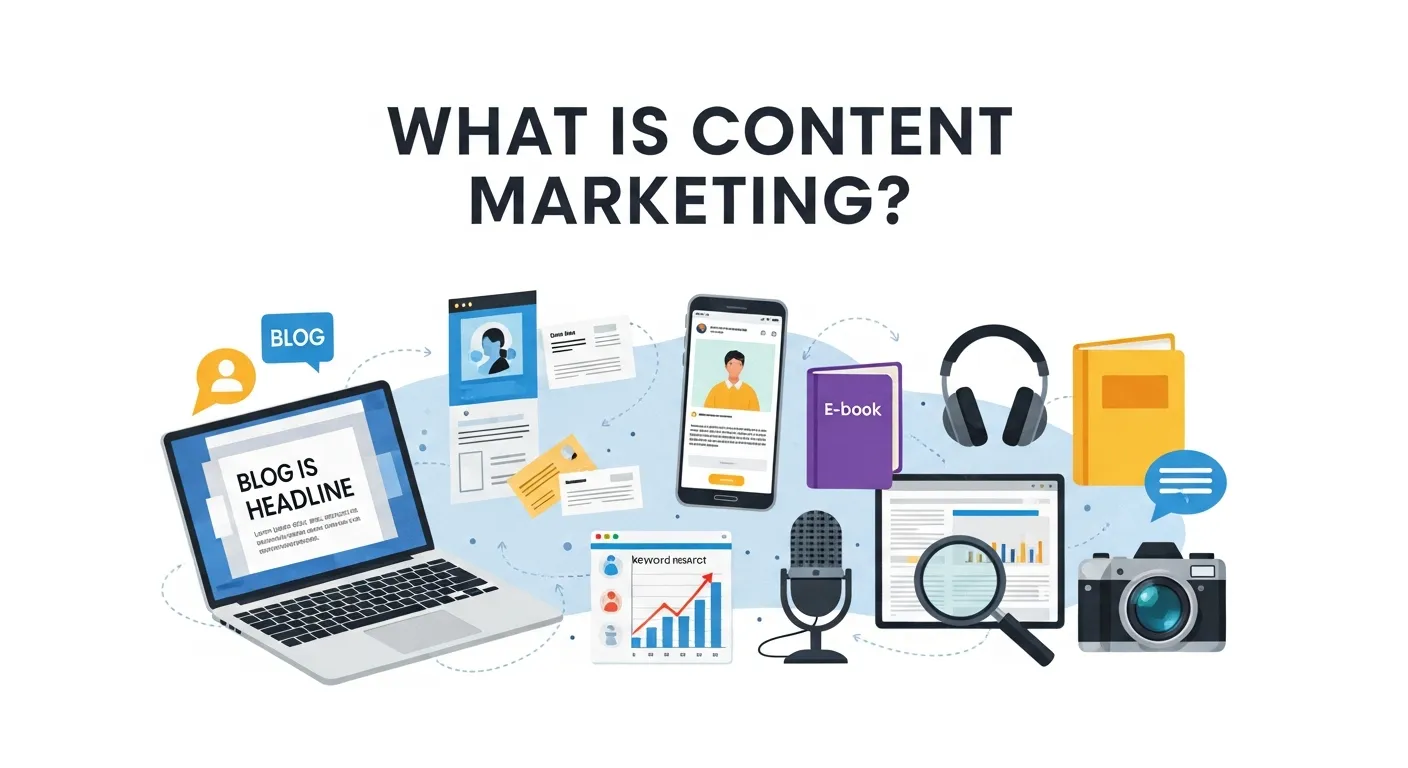
Content marketing is a strategic marketing approach focused on creating and distributing valuable, relevant, and consistent content to attract and retain a clearly defined audience — and, ultimately, to drive profitable customer action. Unlike traditional advertising, which interrupts the audience, content marketing provides value and builds a relationship over time.
Instead of pitching your products or services, you are delivering information that makes your buyer more intelligent. The essence of this content strategy is the belief that if we, as businesses, deliver consistent, ongoing valuable information to buyers, they will ultimately reward us with their business and loyalty. This is the fundamental difference in the brand marketing and content marketing dynamic; content marketing educates and informs to build trust.
What is branded content marketing? This is a subset where the content is more subtly tied to the brand’s identity and values, often through storytelling, rather than direct product promotion. The focus remains on providing entertainment or information, with the brand’s association being a secondary, yet powerful, element.
Key Components of a Content Marketing Strategy
A robust content marketing strategy is built on several foundational pillars that guide the creation and distribution process.
- Audience Personas: Before creating any content, you must deeply understand who you are trying to reach. Audience personas are semi-fictional representations of your ideal customers, based on market research and real data.
- Content Pillars: These are the core topics or themes your brand will focus on. They should align with your audience’s interests and your business’s expertise.
- Content Formats: Content can take many forms, including blog posts, videos, podcasts, infographics, ebooks, and webinars. A good strategy uses a mix of formats to appeal to different preferences and platforms.
- Distribution Channels: Creating great content is only half the battle. You need a plan to distribute it through channels like social media, email marketing, SEO, and paid promotion. How to use digital marketing to enhance brand awareness is often answered through effective content distribution.
- Measurement and KPIs: To understand what’s working, you need to track key performance indicators (KPIs). These might include website traffic, conversion rates, engagement metrics, and lead generation. Tools like Google Analytics are essential for this.
The Role of Storytelling in Content Marketing
Mastering brand storytelling is at the heart of effective content marketing. Stories are how we make sense of the world, and they create powerful emotional connections. Data-driven brand storytelling combines narrative with insights from customer data to create highly relevant and personalized content. Interactive storytelling in branding takes this a step further by inviting the audience to participate in the narrative, creating a more immersive and memorable experience.
Brand Marketing vs. Content Marketing: A Head-to-Head Comparison
While both brand marketing and content marketing aim to drive business growth, their methods, goals, and timelines differ significantly. Understanding these distinctions is key to developing a holistic marketing strategy.
|
Feature |
Brand Marketing |
Content Marketing |
|---|---|---|
|
Primary Goal |
Build brand identity, awareness, and loyalty. |
Generate leads, educate the audience, and drive conversions. |
|
Time Horizon |
Long-term; building a brand takes years. |
Short to medium-term; can generate results relatively quickly. |
|
Primary Metric |
Brand equity, sentiment, share of voice, awareness. |
Traffic, leads, conversion rates, engagement. |
|
Approach |
Holistic and broad; focuses on the “why” and “who.” |
Specific and targeted; focuses on the “how” and “what.” |
|
Audience Focus |
A wide, general audience. |
A niche, clearly defined audience. |
|
Communication Style |
Emotive, aspirational, and value-driven. |
Educational, informational, and problem-solving. |
|
Key Question |
“What do we want people to feel about our brand?” |
“What problem can we solve for our audience?” |
Goals and Objectives
The primary goal of brand marketing is to build a lasting reputation and an emotional connection with the public. It’s about making your brand memorable and trusted. The success of brand marketing is measured by metrics like brand awareness, brand equity in marketing, and customer sentiment.
Conversely, content marketing has more tangible, immediate goals. It aims to attract a specific audience segment by providing solutions to their problems. Its success is often measured by metrics like website traffic from search engines, number of leads generated, and conversion rates. An expert source on SEO and traffic is Backlinko, which offers deep insights into driving organic visitors. The focus of brand marketing and content marketing differs in this way: one builds perception, the other builds a direct path to a sale.
Audience and Targeting
Brand marketing typically casts a wider net. It aims to communicate the brand’s values and personality to a broad audience to build widespread recognition. Think of a Super Bowl commercial; it’s designed to appeal to millions of people from diverse backgrounds.
Content marketing is much more targeted. It begins with a deep understanding of a specific buyer persona. The content is then tailored to address that persona’s specific pain points, questions, and interests. For example, a B2B software company might create a detailed whitepaper on a niche industry challenge, targeting a small group of decision-makers.
Tactics and Channels
Brand marketing employs a wide array of tactics, many of which are part of traditional advertising. These include TV commercials, print ads, sponsorships, and large-scale public relations campaigns. In the digital realm, influencer marketing and brand-centric social media campaigns are common. The strength of integrated brand promotion lies in using these channels cohesively.
Content marketing tactics are focused on creating and distributing valuable assets. This includes SEO-optimized blog posts, in-depth guides, video tutorials, podcasts, case studies, and email newsletters. The channels are primarily digital and owned, such as the company blog, YouTube channel, and email list. The goal is to build an audience on platforms you control.
The Symbiotic Relationship: How Brand and Content Marketing Work Together

The most successful companies don’t choose between brand marketing and content marketing; they integrate them. They are two sides of the same coin, each strengthening the other in a continuous cycle of growth. Brand marketing creates the platform, and content marketing gives it a voice.
Content Marketing Builds the Brand
Every piece of content you produce is an opportunity to reinforce your brand identity. The tone, style, and subject matter of your content should all align with your desired brand personality. If your brand is innovative and forward-thinking, your content should explore cutting-edge topics. If your brand is helpful and supportive, your content should provide practical, actionable advice.
Consistent, high-quality content builds trust and authority, which are key components of brand equity. When you repeatedly provide value to your audience, they begin to see your company as a credible leader in its field. This enhances brand perception in marketing and fosters long-term loyalty. SEO tools like Ahrefs can help identify content opportunities that align with your brand’s expertise and audience needs.
Brand Marketing Amplifies Content
A strong brand provides a powerful tailwind for your content marketing efforts. When people already recognize and trust your brand, they are more likely to click on your articles, watch your videos, and subscribe to your newsletter. Your brand acts as a quality signal in a crowded digital world.
Furthermore, brand marketing initiatives can create massive exposure for your content. A successful PR campaign or a partnership with a major influencer can drive a huge influx of traffic to your content assets. This synergy is a core principle of integrated marketing, where all marketing activities are coordinated to create a unified and amplified impact.
Real-World Examples of Integrated Success
- Red Bull: Red Bull is a master of blending brand marketing and content marketing. Their brand marketing is all about adrenaline, adventure, and pushing human limits. Their content marketing brings this to life. They don’t just create ads; they produce feature-length films, host extreme sports events, and run a media house that rivals major publishers. Their content is their brand marketing.
- HubSpot: HubSpot built its entire business on content marketing. They provide immense value to marketers and salespeople through their blog, academy, and free tools. This has established them as the go-to authority in the inbound marketing space. This authority, a cornerstone of their brand, makes their software products an easy choice for their loyal audience.
- American Express: The AMEX Open Forum is a brilliant example of content marketing supporting a legacy brand. Instead of just advertising credit cards, American Express created a content hub that provides valuable advice and insights for small business owners. This positions the brand as a partner in their customers’ success, deepening the relationship far beyond a simple financial transaction.
Building Your Integrated Strategy: Brand Marketing and Content Marketing
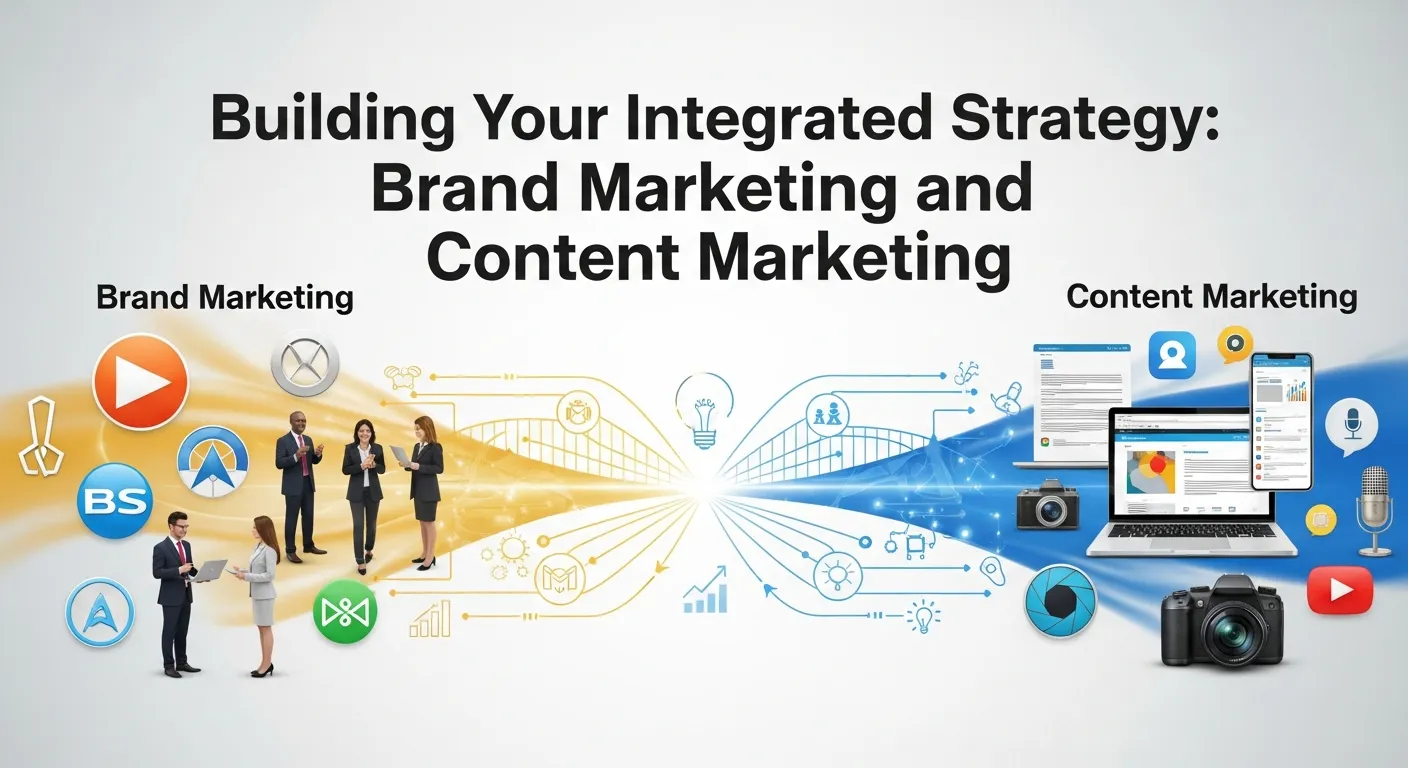
Developing a strategy that leverages both brand marketing and content marketing requires careful planning and coordination. It’s not about running separate campaigns but about creating a single, cohesive marketing engine.
Step 1: Define Your Core Brand Strategy
Before you write a single blog post, you need to be crystal clear on your brand. This is where brand strategy development comes in.
- Brand Purpose Development: Why does your company exist beyond making money? Your purpose is your north star.
- Competitive Brand Analysis: Understand how your competitors are positioned and identify your unique space in the market.
- Develop a Brand Strategy Framework: Document your brand’s mission, vision, values, personality, and voice. This framework will guide all future marketing efforts. A crucial element here is defining your brand voice in marketing.
- Internal Branding: Ensure that every employee understands and embodies the brand. Your team members are your most powerful brand ambassadors.
Step 2: Develop a Customer-Centric Content Strategy
With your brand foundation in place, you can build a content strategy that brings it to life.
- Customer Journey Mapping: Map out the stages your customers go through, from awareness to purchase and beyond. Identify their questions and needs at each stage.
- Keyword and Topic Research: Use tools like SEMrush to find the topics your audience is searching for. Focus on topics where your brand’s expertise and your audience’s needs intersect.
- Create a Content Calendar: Plan your content production and distribution in advance. This ensures consistency, which is vital for both SEO and audience building.
- Establish a Brand Voice Strategy: Your content should sound like it comes from your brand. Whether it’s formal, casual, witty, or technical, your brand voice must be consistent across all content pieces.
Step 3: Integrate and Amplify
This is where the magic happens. Weave your brand marketing and content marketing efforts together.
- Promote Content Through Brand Channels: Share your latest blog post in your email newsletter. Turn a whitepaper into a webinar. Create social media graphics from a case study.
- Use Content to Support Brand Campaigns: Launching a new product? Create a series of “how-to” videos and detailed blog posts to support the launch. Running a brand awareness campaign around sustainability? Publish an in-depth report on your sustainable practices.
- Leverage User-Generated Content (UGC): Encourage your customers to share their experiences with your brand. UGC is a powerful fusion of authentic content and social proof-driven brand marketing.
- Influencer Marketing: Collaborate with influencers who align with your brand values. They can create authentic content that promotes your brand to their engaged audience. The ROI of influencer marketing can be substantial when executed correctly.
Step 4: Measure, Analyze, and Optimize
A successful strategy is a living one. You must continuously measure your results and adapt your approach.
- Track Both Brand and Content Metrics: Use a combination of tools to monitor your performance. Use Google Analytics for web traffic and conversions, social listening tools for brand sentiment, and survey tools to measure brand awareness.
- Conduct a Comprehensive Brand Audit: Periodically step back and assess your brand’s health. Is your positioning still relevant? Is your messaging consistent? A brand audit can reveal critical insights for refinement.
- A/B Test Your Content: Experiment with different headlines, formats, and calls-to-action to see what resonates most with your audience. Continuous optimization is key to maximizing the impact of your content marketing.
The Future of Brand Marketing and Content Marketing

The lines between brand marketing and content marketing will continue to blur. Technology and changing consumer behavior are driving new trends that integrate these two disciplines more deeply than ever before.
- AI-Powered Personalization: Artificial intelligence will allow for hyper-personalized brand experiences and content delivery. AI brand storytelling and conversational marketing powered by chatbots will create unique journeys for every user.
- Immersive Experiences: Technologies like augmented reality (AR) and the metaverse will offer new canvases for both brand marketing and content marketing. Augmented reality branding can overlay digital information onto the physical world, creating interactive and memorable brand experiences.
- The Rise of Voice Branding: With the growth of smart speakers, voice search optimization and sonic branding (the use of a specific sound or jingle) will become critical components of brand identity.
- Authenticity and Purpose: Consumers are increasingly drawn to brands that are authentic, ethical, and purpose-driven. Sustainable branding and inclusive brand strategies are no longer optional. Brands that engage in “greenwashing” without real commitment will be called out. The truth behind branded sustainability is becoming a major consumer concern.
Mastering both brand marketing and content marketing is no longer a choice but a necessity for sustainable business growth. Brand marketing builds the foundation of trust and recognition, while content marketing builds the bridge that connects that brand to the daily lives of its customers. By understanding their distinct roles and creating a strategy that integrates them seamlessly, you can build a brand that not only captures attention but also earns lasting loyalty.
Conclusion
Ultimately, brand marketing and content marketing are not adversaries but powerful partners in the pursuit of business growth. Brand marketing builds the essential foundation of who you are and what you stand for, creating an emotional connection with a broad audience. Content marketing then leverages that foundation, using targeted, valuable information to build trust, demonstrate expertise, and guide customers toward a purchase. The most resilient and successful companies master the art of weaving these two disciplines into a single, cohesive strategy.
Frequently Asked Questions (FAQs)
1. Can I do content marketing without brand marketing?
You can, but it will be far less effective. Without a clear brand strategy, your content will lack a consistent voice and direction. It might attract traffic, but it won’t build lasting loyalty or differentiate you from competitors. A strong brand acts as an amplifier for all your content marketing efforts, making them more credible and memorable.
2. Which is more important for a startup: brand marketing or content marketing?
For a startup, content marketing is often the more practical and cost-effective place to start. It allows you to attract an early audience and generate leads with a limited budget by focusing on a specific niche. However, foundational branding work (like defining your mission, vision, and brand personality) should happen from day one. This initial brand strategy will guide your early content marketing efforts and set you up for long-term success.
3. How do you measure the ROI of brand marketing?
Measuring the ROI of brand marketing is more complex than for content marketing because its effects are long-term and less direct. Key metrics include:
- Brand Awareness: Measured through surveys, direct traffic, and social media mentions.
- Brand Sentiment: Analyzed using social listening tools to gauge public perception.
- Share of Voice: Comparing your brand’s mentions to competitors.
- Brand Equity: A more complex financial valuation, often assessed through market research.
4. What is the difference between brand marketing vs performance marketing?
Brand marketing focuses on long-term goals like building reputation and loyalty, with success measured by broad metrics like awareness and sentiment. Performance marketing is focused on short-term, specific actions like clicks, leads, or sales. Its success is measured by direct ROI and cost per acquisition (CPA). Content marketing can serve both; a top-of-funnel blog post builds the brand, while a bottom-of-funnel landing page drives performance.
5. How does SEO fit into brand marketing and content marketing?
SEO is a critical tactic within content marketing. It involves optimizing your content to rank high in search engine results for relevant keywords, driving organic traffic. SEO also supports brand marketing. When your brand consistently appears at the top of search results for important industry terms, it builds authority and enhances brand perception. Ranking well on a trusted platform like Google is a powerful brand signal.
6. What is the role of social media in this dynamic?
Social media is a versatile platform that serves both brand marketing and content marketing. For brand marketing, it’s used to express the brand’s personality, engage with the community, and manage the brand’s reputation. For content marketing, it’s a primary distribution channel for sharing blog posts, videos, and other content to drive traffic and engagement. Can social media marketing increase brand awareness? Absolutely, it’s one of its primary functions.
7. How much of my budget should I allocate to brand marketing vs. content marketing?
There is no single answer, as it depends on your business stage, industry, and goals. A common approach for growing businesses is a 60/40 split, with 60% on long-term brand building and 40% on short-term performance and content-driven activation. However, a new startup might invest more heavily in content marketing to generate initial traction, while a large, established brand might focus more on broad brand marketing campaigns.
8. What are brand archetypes and how do they relate to brand marketing?
Brand archetypes are a concept based on Carl Jung’s psychological archetypes, representing universal patterns of human behavior. There are 12 primary archetypes (e.g., The Hero, The Sage, The Jester). In brand marketing, choosing an archetype helps define a brand’s personality in a way that feels familiar and resonant to consumers. For example, Nike embodies The Hero, while Google embodies The Sage. This provides a clear framework for tone, messaging, and storytelling.
9. Is influencer marketing considered brand marketing or content marketing?
Influencer marketing sits at the intersection of brand marketing and content marketing. When an influencer shares a brand’s values and promotes it to their audience, it’s a brand marketing activity aimed at building awareness and social proof. When that same influencer creates a detailed “how-to” video or an in-depth review using the product, they are creating content that serves content marketing goals, like educating the audience and driving conversions.
10. What is integrated marketing, and how does it relate to this topic?
Integrated marketing is the practice of unifying all marketing and communication efforts to deliver a consistent and seamless customer experience across all channels. It is the philosophy that brings brand marketing and content marketing together. In an integrated strategy, a brand’s overarching message (brand marketing) is reinforced and elaborated upon through its various content pieces (content marketing), ensuring that every touchpoint a customer has with the brand feels connected and cohesive.