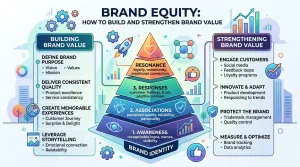
This blog explains how strategic brand positioning helps B2B companies build trust, improve visibility, and attract ideal clients. It covers research, messaging, differentiation, and digital strategies for sustainable business growth and market success.
b2b brand positioning defines how a company is perceived by other businesses in a competitive market. It focuses on building trust, clarity, and long-term value through consistent messaging and strategy. Strong positioning helps businesses communicate their uniqueness, attract the right clients, and improve credibility. This guide explains key steps to create effective positioning for sustainable growth and market success.
Understanding B2B Brand Positioning
Brand positioning refers to how your business defines itself in the minds of other companies. It is about shaping perception through consistent messaging, clear value communication, and strategic differentiation. Unlike consumer branding, B2B positioning focuses more on logic, trust, ROI, and long-term relationships rather than emotional appeal. A strong positioning strategy ensures that your target audience clearly understands what your company does and why it matters. It also helps eliminate confusion in competitive markets where many companies offer similar solutions. By developing a clear positioning framework, businesses can establish authority, improve recognition, and influence decision-makers more effectively. Ultimately, it acts as the foundation for all marketing and communication efforts, ensuring consistency across channels.
Importance of Strong Brand Positioning
Strong b2b brand positioning is essential because it directly impacts how potential clients perceive your business. In complex B2B buying cycles, multiple stakeholders evaluate your credibility before making decisions. Clear b2b brand positioning helps simplify this process by communicating your value in a structured way. It also builds trust, which is critical in long-term business relationships. Without strong b2b brand positioning, businesses often struggle with inconsistent messaging, weak brand identity, and low conversion rates. A well-defined strategy improves visibility and makes your brand more memorable in a crowded market. It also enables businesses to justify premium pricing by highlighting unique value. Ultimately, strong b2b brand positioning helps you attract the right clients and build sustainable business growth.
Conducting Market Research for Positioning
 Market research is a key step in developing an effective positioning strategy. It helps businesses understand industry trends, customer expectations, and competitor strategies. Without proper research, positioning efforts may not align with real market needs. Through surveys, interviews, competitor analysis, and data insights, companies can identify gaps and opportunities for differentiation. Understanding buyer behavior is especially important in B2B markets where decisions are based on logic, value, and long-term impact. A strong strategy uses research to refine messaging and ensure relevance. It also helps businesses avoid assumptions and build strategies based on real data. This foundation ensures that your brand remains competitive, targeted, and aligned with customer needs.
Defining a Unique Value Proposition
A strong, unique value proposition is the heart of successful positioning. It explains why a customer should choose your business over competitors. Your value proposition should clearly highlight benefits such as efficiency, cost savings, innovation, or improved performance. In B2B environments, clarity is more important than creativity because decision-makers prioritize practical value. A well-defined strategy ensures your value proposition is simple, focused, and relevant to your audience’s challenges. Businesses that fail to define their value often struggle with weak messaging and lost opportunities. By aligning your strengths with customer pain points, you can create a compelling reason for clients to engage with your brand.
Identifying and Segmenting the Target Audience
Understanding your audience is critical for effective b2b brand positioning. Not all businesses have the same needs, so segmentation allows you to tailor messaging and solutions. Companies can segment audiences based on industry type, company size, job roles, or specific challenges. This helps create more personalized and impactful communication. A strong b2b brand positioning strategy ensures that each message speaks directly to the right decision-makers. When businesses deeply understand their audience, they can deliver more relevant solutions and build stronger relationships. Audience segmentation also improves marketing efficiency and increases conversion rates by focusing efforts on high-potential clients rather than a broad, unfocused market approach.
Crafting Clear and Consistent Messaging
Messaging is a core part of positioning because it defines how your brand communicates value. Clear and consistent messaging ensures that your audience understands your offerings without confusion. In B2B markets, decision-makers expect structured, logical, and benefit-driven communication. A strong strategy maintains consistency across websites, presentations, emails, and marketing campaigns. Inconsistent messaging can weaken trust and reduce brand credibility. Businesses should focus on highlighting key benefits, proof points, and solutions to customer problems. When messaging is aligned across all channels, it strengthens brand authority and makes it easier for clients to understand and trust your business.
Building a Strong Visual Identity
Visual identity plays an important role in b2b brand positioning because it reinforces how your brand is perceived. Elements like logos, colors, typography, and design style contribute to brand recognition and professionalism. In B2B markets, a strong visual identity signals reliability and expertise, which are essential for building trust. A consistent b2b brand positioning strategy ensures that all visual elements align with messaging and brand values. This consistency across digital platforms, presentations, and marketing materials helps strengthen recall and credibility. Even though B2B decisions are logic-driven, visual presentation still influences perception and can significantly impact how a brand is evaluated.
Building Long-Term Brand Authority
Long-term success in b2b brand positioning comes from building strong brand authority over time. Authority is created when a business consistently delivers value, shares expertise, and maintains trust with its audience. This helps position the company as a reliable leader in its industry. Businesses that focus on authority gain stronger customer loyalty and higher-quality leads. It also allows them to stand out even in highly competitive markets. Authority is not built overnight; it requires continuous effort in content creation, customer service, and thought leadership. Over time, this strengthens brand reputation and market influence.
Key points:
- Establishes trust and industry leadership
- Improves customer loyalty and retention
- Increases organic lead generation
- Strengthens competitive advantage
- Builds long-term brand reputation
| Authority Factor | Action | Business Impact |
|---|---|---|
| Content | Share insights & blogs | Build expertise |
| Customer Service | Provide excellent support | Increase trust |
| Thought Leadership | Industry opinions | Gain influence |
| Consistency | Regular messaging | Strong reputation |
Leveraging Digital Channels
 Digital platforms are essential for modern b2b brand positioning because they allow businesses to reach and engage their audience effectively. Websites, LinkedIn, email marketing, and content platforms help establish authority and communicate expertise. A well-optimized online presence ensures that your brand remains visible in competitive markets. A strong b2b brand positioning strategy uses digital channels to share insights, case studies, and industry knowledge. This helps build trust and attract qualified leads. Consistent digital engagement also strengthens relationships with potential clients and keeps your brand relevant. Businesses that effectively use digital channels can significantly improve visibility and long-term growth opportunities.
Differentiating from Competitors
Differentiation is a critical part of positioning because it helps your business stand out in a crowded market. Companies must clearly communicate what makes them unique, whether it is innovation, pricing, service quality, or expertise. A strong strategy highlights these differences clearly and compellingly. Without differentiation, businesses risk blending into the competition and losing opportunities. By analyzing competitors and identifying gaps in the market, companies can position themselves more effectively. Differentiation not only attracts attention but also builds stronger client loyalty by offering clear and unique value.
Aligning Sales and Marketing for Strong Positioning
A strong b2b brand positioning strategy depends heavily on how well sales and marketing teams work together. When both departments are aligned, the business delivers a consistent message to potential clients, improving trust and conversion rates. Marketing attracts and educates leads, while sales converts them through direct communication. If their messaging differs, it creates confusion and weakens brand credibility. Alignment ensures that customer expectations match actual delivery, strengthening long-term relationships. It also improves lead quality and shortens the sales cycle. Businesses that integrate both teams effectively create a smoother customer journey and stronger market presence.
Key points:
- Ensures consistent messaging across all channels
- Improves lead quality and conversion rates
- Reduces customer confusion and mistrust
- Strengthens collaboration between teams
- Shortens sales cycle and improves efficiency
| Area | Marketing Role | Sales Role |
|---|---|---|
| Messaging | Builds awareness | Reinforces value |
| Leads | Generates prospects | Converts leads |
| Communication | Educational content | Direct interaction |
| Goal | Attract audience | Close deals |
Measuring Positioning Effectiveness
 Measuring success is essential for continuous improvement. Businesses should track metrics such as brand awareness, lead quality, conversion rates, and customer feedback. These insights help determine whether strategies are working effectively. A strong approach is flexible and evolves based on performance data and market changes. Regular analysis allows businesses to refine messaging, improve targeting, and strengthen brand perception. Without measurement, companies may miss opportunities for improvement. By continuously evaluating results, businesses can ensure their positioning remains strong, relevant, and aligned with customer expectations.
Conclusion
Strong brand positioning is essential for building trust, clarity, and long-term growth in the B2B market. It helps businesses define their identity, communicate value effectively, and stand out in competitive industries. When companies align their messaging, audience understanding, and differentiation strategies, they create a powerful and consistent market presence. A well-executed approach improves credibility, attracts quality clients, and supports sustainable success. Ultimately, effective positioning is not a one-time effort but an ongoing process that evolves with market changes and customer needs, ensuring lasting business relevance and growth.
Frequently Asked Questions
1: What is B2B brand positioning?
B2B brand positioning is the process of defining how a business is perceived by other businesses in the market. It focuses on creating a clear identity, strong value message, and consistent communication that builds trust, credibility, and long-term professional relationships.
2: Why is brand positioning important in B2B?
Brand positioning is important in B2B because it helps companies stand out in competitive markets. It builds trust among decision-makers, improves brand recognition, and supports better lead conversion by clearly communicating value, expertise, and reliability in a structured and consistent way.
3: How does brand positioning affect business growth?
Strong brand positioning directly supports business growth by attracting the right clients and improving conversion rates. It helps businesses communicate value clearly, build authority in their industry, and strengthen long-term customer relationships that lead to repeat business and higher revenue opportunities.
4: What are the key elements of B2B positioning?
Key elements include target audience understanding, unique value proposition, consistent messaging, market research, and differentiation. These components work together to build a strong identity, improve credibility, and ensure that the brand communicates its strengths clearly across all platforms.
5: How do you identify your target audience?
Identifying a target audience involves analyzing industry type, company size, decision-makers, and customer pain points. Businesses use research, surveys, and data analysis to understand who needs their services and how to tailor messaging for better engagement and higher conversions.
6: What role does messaging play in positioning?
Messaging plays a crucial role in positioning by communicating brand value clearly and consistently. It ensures that potential clients understand what the business offers, how it solves problems, and why it is better than competitors, building trust and authority in the market.
7: How does differentiation improve positioning?
Differentiation improves positioning by highlighting what makes a business unique compared to competitors. It can include innovation, pricing, service quality, or expertise. Clear differentiation helps attract attention, build trust, and create stronger preference among potential B2B clients.
8: Can digital marketing improve brand positioning?
Yes, digital marketing strategies improve brand positioning by increasing visibility and authority. Through websites, LinkedIn, and content marketing, businesses can share expertise, attract leads, and maintain consistent communication that strengthens their identity in competitive B2B markets.
9: How do you measure brand positioning success?
Brand positioning success is measured through metrics like brand awareness, lead quality, conversion rates, and customer feedback. These insights help businesses understand how well their messaging works and whether their strategy is effectively attracting and converting the right clients.
10: Is brand positioning a one-time process?
No, brand positioning is an ongoing process that evolves with market trends, customer needs, and competition. Businesses must continuously refine their messaging, strategies, and audience understanding to maintain relevance, strengthen trust, and achieve long-term success in the B2B market.