How To Plan A Winning Brand Promotion Strategy
A powerful brand promotion strategy does more than just sell; it builds a lasting connection with your audience, creating loyalty and driving sustainable growth for your business.
This guide details how to plan a winning brand promotion strategy. We will explore setting objectives, understanding your audience, crafting a message, selecting the right channels, and measuring success to ensure your brand stands out in a crowded marketplace.
Understanding the Foundations of Brand Promotion
Before crafting your plan, it’s vital to grasp what a brand promotion strategy entails. It’s a comprehensive, integrated plan designed to increase brand awareness, attract new customers, and cultivate loyalty. A successful approach is about more than just advertising; it’s about creating a cohesive narrative across various touchpoints. Learning how to plan a winning brand promotion strategy requires a deep dive into your brand’s core identity, your market, and the psychological triggers that influence consumer behavior.
The major objective of all brand marketing is to build brand equity—the commercial value a company generates from a product with a recognizable name. This value is built through strategic promotional activities. An effective plan considers everything from your brand personality in marketing to the channels you use to communicate. This is where the strength of integrated brand promotion shines, ensuring all your promotional activities work in harmony.
The Difference: Branding vs. Marketing vs. Promotion
These terms are often used interchangeably, but they represent distinct, though related, concepts. Understanding them is key to how to plan a winning brand promotion strategy.
- Branding: This is the process of creating a unique name, identity, and image for a product or company. It’s the answer to “Who are you?” It encompasses your values, promise, and the psychology of color in branding. This is what is branding in marketing.
- Marketing: This is the broader set of activities a company undertakes to create, communicate, deliver, and exchange offerings that have value for customers. It includes market research, sales, distribution, and promotion. Branding vs. Marketing is a common point of confusion, but branding is a component of the larger marketing puzzle.
- Brand Promotion: This is a specific subset of marketing. It consists of the tactics you use to spread the word about your brand. Learning how to plan a winning brand promotion strategy is about selecting the right promotional mix to achieve your branding goals.
An integrated brand promotion (IBP) approach ensures all your promotional activities reinforce your brand’s message. This integration is crucial for building a resilient and recognizable brand.
Step 1: Define Your Goals and Objectives
The first step in how to plan a winning brand promotion strategy is to know what you want to achieve. Vague goals are ineffective. You need SMART (Specific, Measurable, Achievable, Relevant, and Time-bound) objectives.
Common Brand Promotion Goals:
- Increase Brand Awareness: This is often a primary goal, especially for startups. It’s about ensuring your target audience knows you exist and understands what you stand for. How to increase brand awareness through digital marketing is a common question here. You can measure this through metrics like website traffic, social media mentions, and reach using tools like Google Analytics.
- Generate High-Quality Leads: Your promotion should attract potential customers genuinely interested in what you offer. This objective is about filling your sales funnel for future conversions.
- Boost Customer Engagement: A winning strategy encourages interaction. This could mean more comments on social media, higher email open rates, or active participation in a brand community you build.
- Drive Sales and Revenue: Ultimately, promotions must contribute to the bottom line. This goal is directly tied to a measurable return on investment (ROI) and helps determine how to increase market share for brand recognition.
- Improve Brand Perception: You might want to shift how your brand is viewed. Perhaps you want to be seen as more sustainable, luxurious, or innovative. This requires a targeted brand promotion strategy and can involve nostalgia in digital branding or focusing on inclusive brand strategies.
Setting clear objectives will guide every subsequent decision in your planning process, from choosing your channels to crafting your messaging. This clarity is essential for anyone asking how to plan a winning brand promotion strategy.
Step 2: Identify and Understand Your Target Audience
You cannot effectively promote your brand if you don’t know who you’re talking to. A deep understanding of your target audience is fundamental to how to plan a winning brand promotion strategy. Go beyond basic demographics. Create detailed buyer personas that include:
- Demographics: Age, gender, location, income, education level.
- Psychographics: Values, interests, lifestyle, attitudes, and personality traits. What are their pain points? What motivates their decisions?
- Behavioral Data: How do they shop? What social media platforms do they frequent? What content do they consume? This helps you understand their customer journey.
How to Gather Audience Insights:
- Market Research: Use surveys, focus groups, and interviews.
- Competitive Brand Analysis: Analyze who your competitors are targeting. What is their brand positioning in marketing? Where are the gaps you can fill?
- Social Listening: Monitor conversations about your industry and brand on social media. Tools like those from SEMrush can help you track mentions and sentiment, which is critical for brand crisis management in the social media era.
- Customer Data Analysis: Use your CRM and analytics tools to study your existing customers. This helps you understand customer perception and improve it.
Once you have a clear picture, you can tailor your promotional messages. This customer-centric approach is the core of any successful plan. Knowing your audience is the secret to how to plan a winning brand promotion strategy that resonates.
Step 3: Craft a Powerful Brand Positioning and Message
Your brand positioning is the unique space you occupy in the mind of your customer. It’s what differentiates you. To create strong brand positioning in your market, you must clearly define your unique value proposition (UVP). What do you offer that no one else does?
A brand positioning statement is an internal tool to guide your marketing. It typically follows a formula:
For [target audience], [your brand] is the [category] that provides [unique benefit] because [reason to believe].
Once your positioning is clear, develop your core message. This message should be:
- Clear and Concise: Easy to understand and remember.
- Consistent: Used across all your promotional channels, reflecting your brand voice in marketing.
- Compelling: Resonates emotionally with your audience, leveraging emotional branding.
- Authentic: Reflects your brand’s true values and brand personality in marketing.
Your brand voice is critical here. Are you professional and authoritative? Fun and quirky? Empathetic and supportive? This voice should permeate all your content, from website copy to social media updates. Mastering how to plan a winning brand promotion strategy means ensuring your message and voice are perfectly aligned with your audience’s expectations.
Step 4: Choose the Right Promotion Channels and Tactics
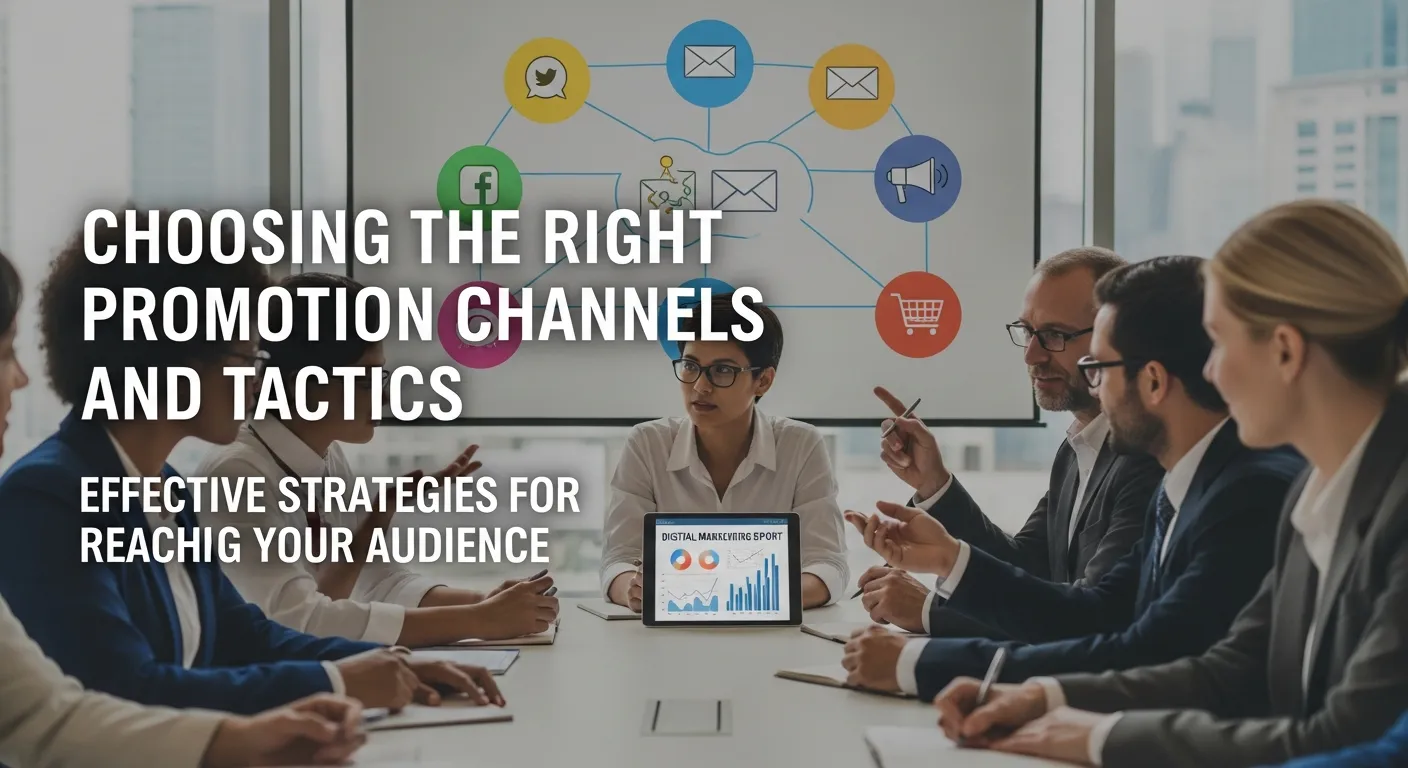
With your goals, audience, and message defined, it’s time to select the right channels. There is no one-size-fits-all answer; the best channels depend on where your audience spends their time. The key is to create an integrated marketing mix where each channel supports the others.
Digital Marketing Strategies
Digital marketing strategies are essential for reaching modern consumers. Knowing how to use digital marketing to enhance brand awareness is a cornerstone of a modern brand promotion strategy.
- Content Marketing: This involves creating valuable content to attract an audience. This can include blogs, videos, podcasts, and case studies. This is the essence of what is branded content marketing? High-quality content establishes you as a thought leader.
- Social Media Marketing: Can social media marketing increase brand awareness? Absolutely. Platforms like Instagram, Facebook, TikTok, and LinkedIn are powerful for engaging your audience. This is where you can explore how to get brand promotions on Instagram or use gamified branding to boost engagement.
- Email Marketing: Email remains one of the most effective channels for direct, personalized communication. Use it for updates, exclusive promotions, and nurturing leads through well-crafted sequences.
- Search Engine Optimization (SEO): SEO is the practice of optimizing your website to rank higher in search engine results. It’s a long-term strategy that drives organic traffic. A comprehensive guide to how to plan a winning brand promotion strategy must include a robust SEO component.
- Pay-Per-Click (PPC) Advertising: Platforms like Google Ads allow you to target specific demographics. PPC can deliver quick results and is highly measurable. This is often compared in a brand marketing vs performance marketing discussion.
Influencer Marketing
Influencer marketing has become a major component of many brand promotion strategies. It involves partnering with individuals who have a dedicated following.
- The ROI of Influencer Marketing: When done right, influencer marketing delivers significant returns. It leverages the trust and authenticity that influencers have built with their audience.
- Finding the Right Influencers: Look for influencers whose audience aligns with your target market and whose values match your brand. Micro-influencers can often be more effective and affordable.
Traditional and Experiential Marketing
While digital is dominant, don’t discount traditional methods. They are a key part of how to plan a winning brand promotion strategy for many businesses.
- Public Relations (PR): Earning media coverage boosts credibility.
- Events and Sponsorships: Hosting webinars or sponsoring events puts your brand directly in front of your audience. This is where you explore what is brand sponsorship in marketing.
- Co-Branding Partnerships: Collaborating with a complementary brand can expose you to a new audience. Successful co-branding in marketing leverages the strengths of both partners.
A Table of Promotional Tactics
|
Tactic |
Description |
Best For |
|---|---|---|
|
Content Marketing |
Creating valuable content (blogs, videos) to attract an audience. |
Building authority, long-term growth, SEO. |
|
Social Media Marketing |
Engaging with customers on platforms like Instagram, Facebook, TikTok. |
Building community, showcasing brand personality, quick feedback. |
|
Influencer Marketing |
Partnering with influencers to reach their dedicated followers. |
Building trust, reaching niche audiences, generating buzz. |
|
Email Marketing |
Sending targeted messages directly to subscribers’ inboxes. |
Nurturing leads, customer retention, high ROI. |
|
SEO |
Optimizing your website to rank higher in search engine results. |
Driving organic traffic, building long-term credibility. |
|
PPC Advertising |
Paying for ad placements on search engines and social media. |
Driving immediate traffic, testing messages, performance marketing. |
|
Public Relations (PR) |
Securing positive media coverage and managing brand reputation. |
Building credibility, brand crisis management, improving brand perception. |
|
Event Marketing |
Hosting or sponsoring events (online or offline) to engage directly. |
Lead generation, networking, creating memorable brand experiences. |
Choosing the right mix of these tactics is a critical part of how to plan a winning brand promotion strategy.
Step 5: Set a Budget and Allocate Resources
Your brand promotion strategy needs a realistic budget. Your budget will influence the scale of your activities.
- Percentage of Sales: Allocate a certain percentage of your sales to marketing.
- Competitive Parity: Set your budget based on what competitors are spending.
- Objective and Task Method: This is the most strategic approach. Define your objectives, outline the tasks needed, and calculate the cost.
Once you have a budget, allocate it across your chosen channels. Be flexible. As you gather data, you may need to reallocate funds. A key part of how to plan a winning brand promotion strategy is being agile with your spending.
Step 6: Execute and Monitor Your Campaign

This is where planning ends and action begins. Launch your promotional activities according to your timeline. However, the work doesn’t stop at launch. Continuous monitoring is essential.
Key Performance Indicators (KPIs) to Track:
Your KPIs should align with the goals you set.
- For Brand Awareness:
-
- Website Traffic (from tools like Google Analytics)
- Social Media Reach and Impressions
- Branded Search Volume (tracked in tools like Ahrefs or SEMrush)
- Social Mentions
- For Engagement:
-
- Likes, Comments, Shares
- Email Open and Click-Through Rates
- Time on Page and Bounce Rate
- For Lead Generation and Sales:
-
- Conversion Rate
- Cost Per Lead (CPL)
- Customer Acquisition Cost (CAC)
- Return on Investment (ROI)
Use analytics dashboards to monitor these KPIs. Regular check-ins will help you identify what’s working, allowing you to make informed adjustments. This iterative process is the engine of a successful and evolving brand promotion strategy.
Step 7: Analyze, Optimize, and Iterate
A winning brand promotion strategy is not static; it’s a living plan. After a set period, conduct a thorough analysis.
- Review Your KPIs vs. Your Goals: Did you achieve what you set out to do?
- Identify Top-Performing Channels: Which channels delivered the best ROI?
- Analyze Underperforming Activities: What didn’t work as expected?
- Gather Feedback: Collect feedback from your sales team and customers.
Use these insights to optimize your strategy. This could mean doubling down on what works or testing new approaches. The ability to learn and adapt is what separates a good promotion from a great one. How to plan a winning brand promotion strategy is an ongoing cycle of planning, executing, measuring, and refining. You might even consider a brand refresh if data shows your message isn’t landing as intended.
Conclusion
Planning a winning brand promotion strategy is a meticulous process that requires clear goals, a deep understanding of your audience, and a cohesive message delivered through the right channels. It’s about building relationships, not just making sales. By following these steps, you create a powerful framework for elevating your brand, engaging your customers, and driving sustainable business growth.
Frequently Asked Questions (FAQs)
1. What is the difference between a brand strategy and a brand promotion strategy?
A brand strategy is the high-level plan for how your brand will be perceived. It defines your purpose, values, and positioning. A brand promotion strategy is a tactical component of that larger plan; it outlines the specific activities you will use to communicate your brand’s message and achieve goals like increased brand awareness and sales.
2. How much should I budget for a brand promotion strategy?
This depends on your industry, goals, and size. A common rule for small businesses is to allocate 7-8% of gross revenue to marketing. However, the most effective method is the “objective and task” approach, where you budget based on the specific costs of the activities required to meet your goals. This is a crucial step in how to plan a winning brand promotion strategy.
3. How can I measure the ROI of my brand promotion efforts?
To measure ROI, track both your costs and your returns using the formula: (Net Profit - Marketing Cost) / Marketing Cost. For goals like brand awareness, which are harder to tie directly to revenue, use proxy metrics like increases in branded search traffic and social media reach. Tools like Google Analytics are invaluable for this.
4. What is integrated brand promotion (IBP)?
Integrated brand promotion is the process of coordinating all sources of information about a product or service to create a seamless and consistent brand experience. It ensures that your advertising, social media, influencer marketing, and other promotional activities all work together to reinforce the same core message.
5. How long does it take to see results from a brand promotion strategy?
The timeline for results varies. Paid advertising (PPC) can generate traffic almost immediately. In contrast, organic digital marketing strategies like SEO and content marketing are long-term investments that can take 6-12 months to show significant results. A balanced strategy includes both short-term and long-term tactics.
6. Can a small business create a winning brand promotion strategy on a limited budget?
Absolutely. A limited budget forces creativity. Small businesses can focus on low-cost tactics like content marketing, social media, and local SEO. The key is to deeply understand your niche audience and deliver exceptional value. This is a core challenge when learning how to plan a winning brand promotion strategy.
7. What is the role of brand personality in marketing?
Brand personality in marketing is the set of human characteristics attributed to a brand. It’s how your brand would speak and behave. A strong brand personality helps you connect with your audience emotionally, differentiate from competitors, and build a loyal community.
8. Why is brand positioning important for my promotion strategy?
Brand positioning defines your unique place in the market. Without it, your promotional messages will be generic. A strong positioning statement acts as a compass for your entire strategy, ensuring every piece of content communicates a clear, compelling reason why customers should choose you.
9. How do inclusive brand strategies benefit a business?
Inclusive brand strategies focus on designing brand experiences that embrace diversity and equality. By representing and catering to a wider range of people, brands can build stronger emotional connections, expand their market reach, and enhance their reputation as a modern, socially conscious organization.
10. What is the difference between brand marketing vs performance marketing?
Brand marketing aims to build long-term brand awareness, loyalty, and positive perception. Its success is measured over time through metrics like brand equity and sentiment. Performance marketing focuses on short-term, specific actions like clicks, leads, or sales, with a clear and immediate ROI. A good plan for how to plan a winning brand promotion strategy often blends both.