Gamification in Marketing: How to Drive Customer Engagement and Loyalty Through Play
Sarah Mitchell November 5, 2025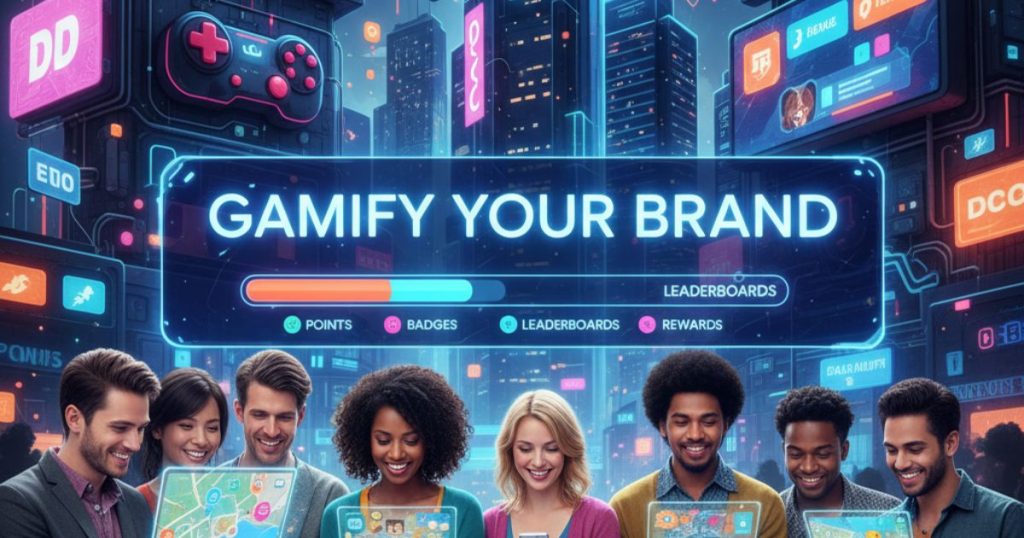
Why do we love games? Because they are fun, rewarding, and addictive. Gamification in Marketing taps into this psychology to transform passive buyers into active, loyal players who champion your brand.
This guide explores the transformative power of gamification in marketing. You will learn how to leverage game mechanics like points, badges, and leaderboards to boost customer engagement and loyalty. We cover actionable strategies, real-world examples, and psychological triggers to help you build an immersive brand experience that drives measurable growth.
What is Gamification in Marketing?
Gamification in marketing is the strategic application of game-design elements and game principles in non-game contexts. It is not about creating a video game; it is about taking the essence of what makes games compelling—competition, achievement, and fun—and applying it to your marketing strategy to motivate specific behaviors.
At its core, gamification in marketing is about human psychology. It leverages our natural desires for status, achievement, self-expression, and altruism. By rewarding customers for interacting with your brand, you create a value exchange that goes beyond the transaction. This approach transforms the customer relationship from a monologue into an interactive dialogue, fostering deep customer engagement.
Whether it’s a loyalty program where you earn stars for coffee, a fitness app that badges you for hitting milestones, or a website that tracks your profile completion progress, gamification in marketing is everywhere. It is a powerful tool for mastering digital marketing because it cuts through the noise of traditional advertising, offering an experience that users actually want to participate in.
Why Gamification Works: The Psychology of Play
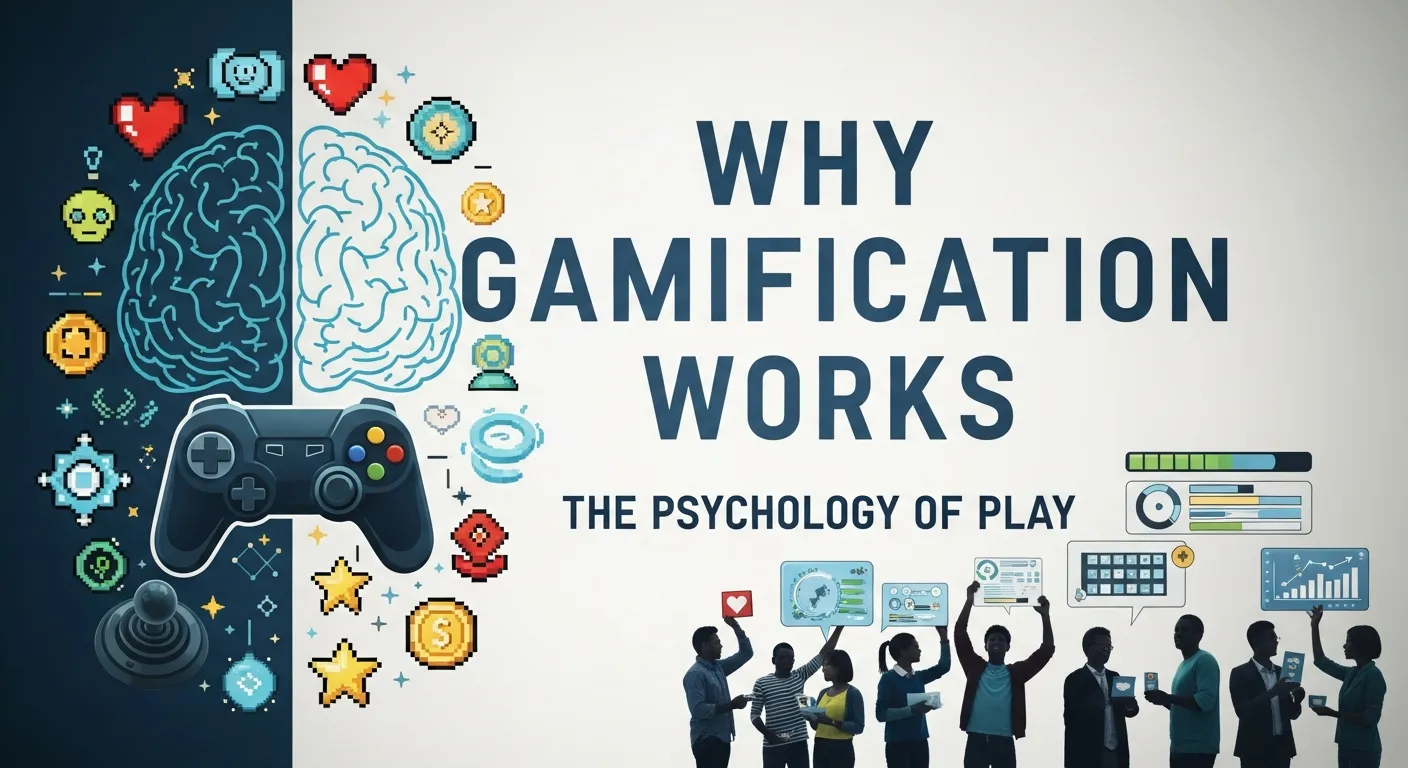
To succeed with gamification in marketing, you must understand the psychological triggers that drive participation. It’s not just about giving away points; it’s about tapping into intrinsic and extrinsic motivation.
1. The Dopamine Loop
When a user completes a task and receives a reward—even a virtual one like a badge—their brain releases dopamine, the “feel-good” neurotransmitter. This creates a positive feedback loop. The user associates your brand with that feeling of pleasure and accomplishment, driving them to repeat the behavior. This is the secret sauce behind brand loyalty.
2. Sense of Achievement and Status
We all want to feel successful. Gamification in marketing provides clear goals and visual feedback on progress. Leaderboards satisfy our competitive nature and desire for social status. When a customer reaches a “VIP” tier, they feel special and recognized, which significantly enhances brand perception.
3. Fear of Missing Out (FOMO)
Limited-time challenges or exclusive rewards trigger FOMO. This urgency compels users to act quickly to avoid losing out on a potential gain. marketing FOMO is a potent driver of immediate engagement.
4. Ownership and Possession
When users invest time and effort into building a profile or collecting virtual items, they value them more. This is known as the “Ikea Effect.” In gamification in marketing, this translates to higher retention rates because leaving the brand means losing the “assets” they have worked to acquire.
Core Elements of a Gamification Strategy
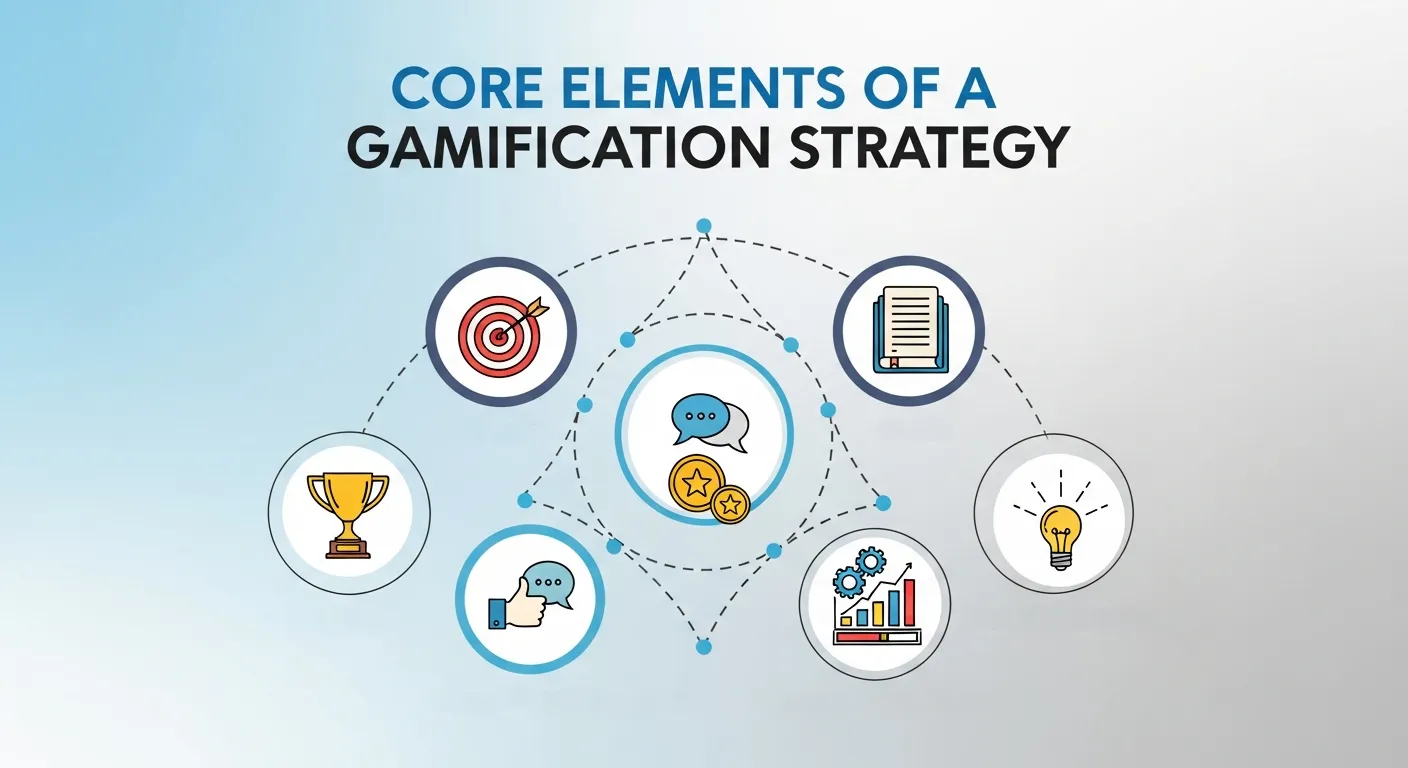
A successful gamification in marketing strategy relies on a few key mechanics. These are the building blocks of your campaign.
Points
Points are the granular units of value. They measure progression and can often be exchanged for tangible rewards. They are the simplest way to provide immediate feedback.
Example: Earn 10 points for every dollar spent, or 50 points for writing a review.
Badges
Badges are visual representations of achievement. They serve as “virtual trophies” that users can display. Badges are excellent for marking milestones and encouraging specific behaviors.
Example: A “Sustainability Hero” badge for customers who choose eco-friendly shipping options, aligning with sustainable branding strategies.
Leaderboards
Leaderboards rank users against each other. This introduces a competitive element that can drive high engagement among competitive personality types.
Example: A fitness brand showing who ran the most miles this month.
Levels
Levels indicate long-term progression. As users accumulate points, they “level up,” unlocking new privileges or status. This creates a sense of journey and long-term commitment.
Example: Moving from “Bronze” to “Silver” to “Gold” membership status.
Challenges and Quests
These are specific tasks that users must complete. They provide direction and give users a reason to return to the app or website.
Example: “Complete your profile to unlock a 10% discount” or “Visit 5 different store locations.”
Steps to Implement Gamification in Marketing
Implementing gamification in marketing requires a strategic approach. It’s not enough to just slap a leaderboard on your website. You need a plan that aligns with your business goals.
Step 1: Define Your Goals
What do you want to achieve? Are you looking to increase brand awareness, drive user-generated content, boost retention, or gather data? Your goals will dictate the mechanics you choose. If you want brand awareness, a viral contest with a leaderboard might be best. If you want loyalty, a points-based system is superior.
Step 2: Know Your Audience
Who are you gamifying for? Different demographics respond to different triggers.
- Achievers: Want to master the system and earn every badge.
- Socializers: Want to interact with others and share their success.
- Explorers: Want to discover hidden content or “Easter eggs.”
- Killers: Want to beat other players on the leaderboard.
Understanding your audience ensures your gamified branding resonates. Use customer journey mapping to identify where gamification can add the most value.
Step 3: Keep It Simple
The entry barrier must be low. If the rules are too complex, users will disengage. Start with simple mechanics—like points for purchase—and layer in complexity as users become more comfortable. A seamless user experience and branding interface is critical.
Step 4: Offer Meaningful Rewards
Rewards don’t always have to be monetary. While discounts are great, exclusive access, early product releases, or recognition can be even more powerful. In luxury brand marketing, status is often more valuable than a discount.
Step 5: Measure and Optimize
You need to track the performance of your gamification strategy. Use tools like Google Analytics to monitor metrics such as daily active users, time on site, and conversion rates. Are users getting stuck at a certain level? Is the leaderboard stagnant? Use this data to refine your approach.
Real-World Examples of Gamification in Marketing
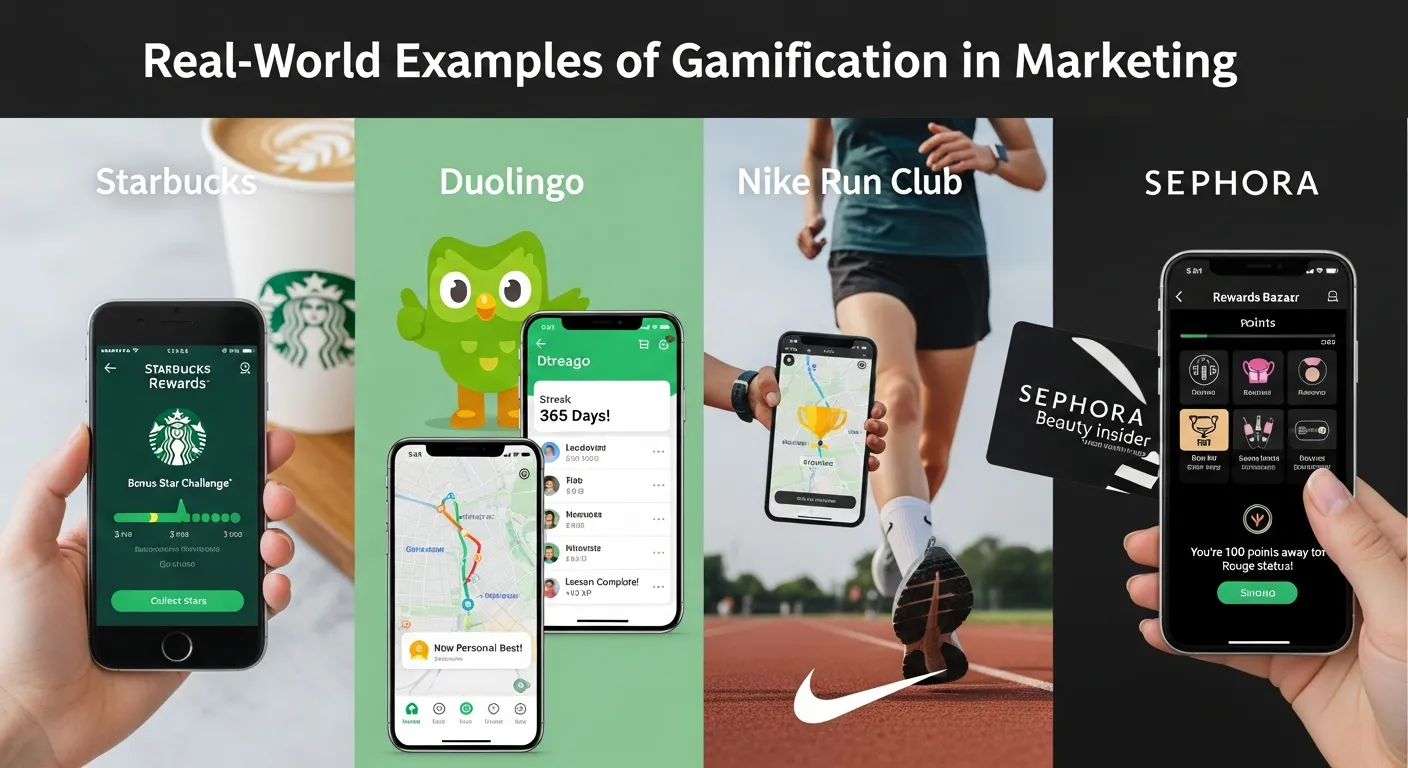
To truly understand gamification in marketing, let’s look at brands that have mastered it.
Starbucks Rewards
Starbucks has the gold standard of gamified branding. Their app rewards users with “Stars” for purchases, which can be redeemed for free food and drinks.
Why it works: It uses a clear visual progress bar (Stars) and offers tangible rewards. They also use “Double Star Days” (challenges) to drive traffic on slow days. This drives immense brand loyalty.
Duolingo
Duolingo isn’t just a language app; it’s a game. It uses streaks, hearts (lives), and leaderboards to keep users coming back daily.
Why it works: The “streak” mechanic uses loss aversion. Users are terrified of losing their 100-day streak, so they log in even for just 5 minutes. This creates a daily habit loop.
Nike Run Club
Nike uses gamification in marketing to build a community. The app tracks runs, awards badges for milestones (e.g., “Fastest 5k”), and allows users to compete with friends.
Why it works: It taps into the competitive nature of athletes and provides social proof. It transforms running from a solitary chore into a social game.
Sephora Beauty Insider
Sephora’s loyalty program is a masterclass in tiered rewards. Members move from Insider to VIB to Rouge.
Why it works: The higher tiers offer exclusive experiences and early access to products, appealing to the status desires of beauty enthusiasts. It creates a sense of an exclusive club.
Gamification and Digital Marketing Strategies
Gamification in marketing integrates seamlessly with other digital strategies to supercharge results.
Gamification and Content Marketing
Interactive content marketing is a rising trend. Quizzes, polls, and assessments are simple forms of gamification.
- BuzzFeed Quizzes: People love learning about themselves. A “Which Brand Archetype Are You?” quiz is highly shareable and drives traffic.
- Interactive Infographics: Allow users to click and explore data, making the consumption of information an active experience.
Gamification and Social Media
Social media is naturally gamified (likes, shares, follower counts). Brands can amplify this.
- Contests: “Tag 3 friends to enter” is a simple game mechanic.
- User-Generated Content (UGC) Challenges: Ask users to post a photo with your product for a chance to be featured. This leverages influencer marketing principles at a micro-level.
Gamification and Email Marketing
Email can be boring. Gamify it.
- Scratch-off Discounts: Include a digital “scratch card” in your email to reveal a discount code. This increases click-through rates significantly.
- Progress Bars: Show customers how close they are to the next loyalty tier directly in the email.
The Role of Technology: AI and the Metaverse
The future of gamification in marketing is high-tech.
AI-Powered Gamification
AI brand storytelling can personalize the game experience. Imagine a fitness app that uses AI to adjust challenges based on your past performance, ensuring they are challenging but achievable (the “flow state”). Predictive analytics can identify when a user is at risk of churning and trigger a specific gamified incentive to re-engage them.
Gamification in the Metaverse
Mastering metaverse branding is the next frontier. In virtual worlds, gamification is native. Brands can create immersive quests, virtual scavenger hunts, and exclusive digital assets (NFTs) that users can collect and display on their avatars. Augmented reality branding allows for gamified experiences in the physical world, like Pokémon GO-style brand activations.
Challenges and Pitfalls of Gamification in Marketing
While powerful, gamification in marketing is not without risks.
The “Pointsification” Trap
Adding points to a boring experience doesn’t make it fun. It just makes it a boring experience with points. The core activity must have intrinsic value or the game mechanics must be compelling enough on their own.
Complexity and Confusion
If users don’t understand how to play or win, they will abandon the game. Keep the rules simple and the feedback loops tight.
Short-Term Engagement vs. Long-Term Loyalty
Gamification can drive a spike in activity (e.g., during a contest), but does it build lasting loyalty? You need to design for the “endgame.” What keeps users engaged after they have unlocked the first few badges? This requires a deep understanding of customer retention.
Cheating and Gaming the System
Whenever there are rewards, some users will try to cheat. You need robust fraud detection, especially if the rewards have real monetary value.
Measuring the ROI of Gamification
How do you know if your gamification in marketing strategy is paying off? You need to look beyond vanity metrics.
- Engagement: Time on site, pages per session, daily active users.
- Viral Coefficient: How many new users does each existing user bring in (referrals)?
- Conversion Rate: Do gamified users convert at a higher rate?
- Customer Lifetime Value (CLV): Are gamified users staying longer and spending more over time?
- Social Sentiment: Are people talking positively about the experience on social media? Tools for social listening as a brand strategy tool are essential here.
Gamification Mechanics vs. Marketing Goals
|
Marketing Goal |
Recommended Game Mechanic |
Why It Works |
Real-World Application |
|---|---|---|---|
|
Increase Engagement |
Challenges / Quests |
Gives users a specific reason to interact now. |
“Read 3 articles to unlock a badge.” |
|
Boost Retention |
Streaks / Daily Check-ins |
Builds a daily habit loop through loss aversion. |
“Log in 7 days in a row for a bonus.” |
|
Drive Sales |
Points / Virtual Currency |
Incentivizes spend by offering a rebate value. |
“Earn 10 Gold Coins for every $1 spent.” |
|
Brand Awareness |
Social Sharing / Referral Bonuses |
Leverages social proof and viral loops. |
“Invite a friend and you both get $10.” |
|
Customer Education |
Progress Bars / Tutorials |
visually tracks learning and completion. |
“Complete the onboarding tour to reach 100%.” |
|
Identify Super-Users |
Leaderboards |
Highlights top performers and competitive users. |
“Top 10 contributors this month get a prize.” |
Conclusion
Gamification in marketing is more than a trend; it is a fundamental shift in how brands interact with consumers. By moving from transactional relationships to interactional, play-based experiences, you tap into the core of human motivation. Whether through simple loyalty points or immersive metaverse quests, the goal remains the same: to drive deep customer engagement and foster unshakeable brand loyalty. Start small, test your mechanics, and remember—if it isn’t fun, it isn’t working. It’s time to stop marketing at your customers and start playing with them.
Frequently Asked Questions (FAQs)
1. Is gamification in marketing only for young people?
No. While younger generations (Gen Z, Millennials) are digital natives familiar with gaming tropes, the psychological drivers of gamification—achievement, status, and reward—are universal across all ages. The mechanics might differ (e.g., simple points vs. complex quests), but the appeal is broad.
2. Is gamification expensive to implement?
It doesn’t have to be. While a custom app with 3D graphics is costly, simple gamification in marketing tactics like a “spin-to-win” email popup or a basic points system on your website can be implemented inexpensively using existing software plugins.
3. Can gamification work for B2B marketing?
Absolutely. B2B buyers are still humans who enjoy achievement. You can gamify employee training, certification programs, or community engagement. For example, Salesforce uses “Trailhead” to gamify learning their software, rewarding users with badges that enhance their professional status.
4. What is the difference between gamification and game-based learning?
Game-based learning uses actual games to teach a skill. Gamification in marketing uses elements of games (points, badges) in a non-game context (like buying coffee) to influence behavior.
5. How do I prevent my gamification strategy from becoming stale?
Refresh your challenges regularly. Introduce seasonal events, limited-time badges, or new tiers. Just like a video game releases expansion packs, your marketing program needs fresh content to keep long-term users engaged.
6. Does gamification improve SEO?
Indirectly, yes. Gamification increases user engagement metrics like “time on page” and reduces “bounce rate” because users are interacting with content. These are positive signals to search engines like Google, which can improve your rankings.
7. Can gamification help with data collection?
Yes. Users are often willing to trade personal data for rewards or to “unlock” a personalized result (like in a quiz). This is a transparent and ethical way to gather zero-party data for hyper-personalized branding.
8. What is the “Octalysis” framework?
It is a popular gamification framework created by Yu-kai Chou. It breaks down human motivation into 8 core drives, such as “Epic Meaning,” “Ownership,” and “Scarcity.” It is a useful tool for designing balanced gamification strategies.
9. How does gamification relate to loyalty programs?
Most modern loyalty programs are a form of gamification in marketing. They use points, tiers (levels), and rewards. However, gamification can exist outside of a loyalty program, such as in a one-off marketing campaign or a contest.
10. What is a “Badging” strategy?
This is a specific type of gamification in marketing where the primary motivator is collecting badges. It works well for communities (like Stack Overflow or TripAdvisor) where users want to show off their expertise or contributions to the group.