Multisensory Branding: How to Engage All Five Senses to Create Unforgettable Brand Experiences
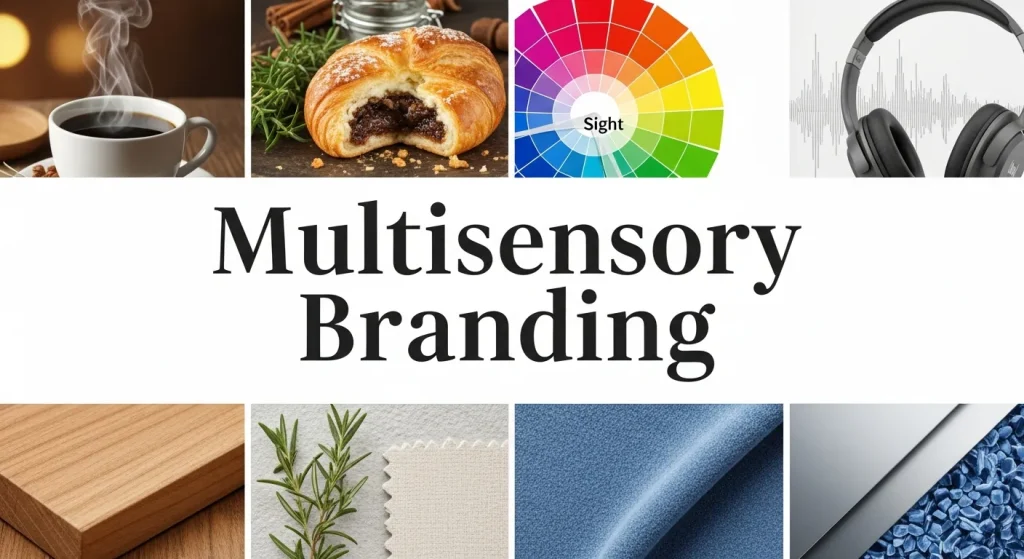
In a world saturated with visual noise, the most powerful brands are not just seen—they are felt. Multisensory branding engages all five senses to create truly immersive and unforgettable experiences.
This guide explores the world of multisensory branding, a strategy that goes beyond logos and colors to engage customers through sound, smell, taste, and touch. We will dissect the science behind sensory branding and provide actionable steps for creating a holistic brand experience that boosts memory, emotion, and loyalty.
What is Multisensory Branding?
Multisensory branding, also known as sensory branding, is a strategic approach that aims to create a holistic brand experience by appealing to all five human senses: sight, sound, smell, taste, and touch. Instead of relying solely on visual cues, this methodology recognizes that the most powerful and memorable brand connections are forged when multiple sensory pathways are stimulated simultaneously.
The core premise of multisensory branding is rooted in neuroscience-driven branding. Research shows that the more senses a brand engages, the more memorable it becomes. Our senses are the gateways to our emotions and memories. When a brand experience is rich with sensory input, it creates stronger and more numerous neural pathways in the brain, leading to enhanced brand recognition and a deeper emotional connection.
Think about the last time you walked into a bakery. You don’t just see the bread; you smell the warm aroma, you might taste a free sample, you hear the crunch of the crust, and you feel the warmth of the oven. This complete sensory experience is what makes the memory so powerful. Multisensory branding applies this same principle to every brand, from retail stores and hotels to digital apps and even B2B services. It’s about designing every touchpoint to contribute to a cohesive and emotionally resonant brand world.
The Science Behind Multisensory Branding
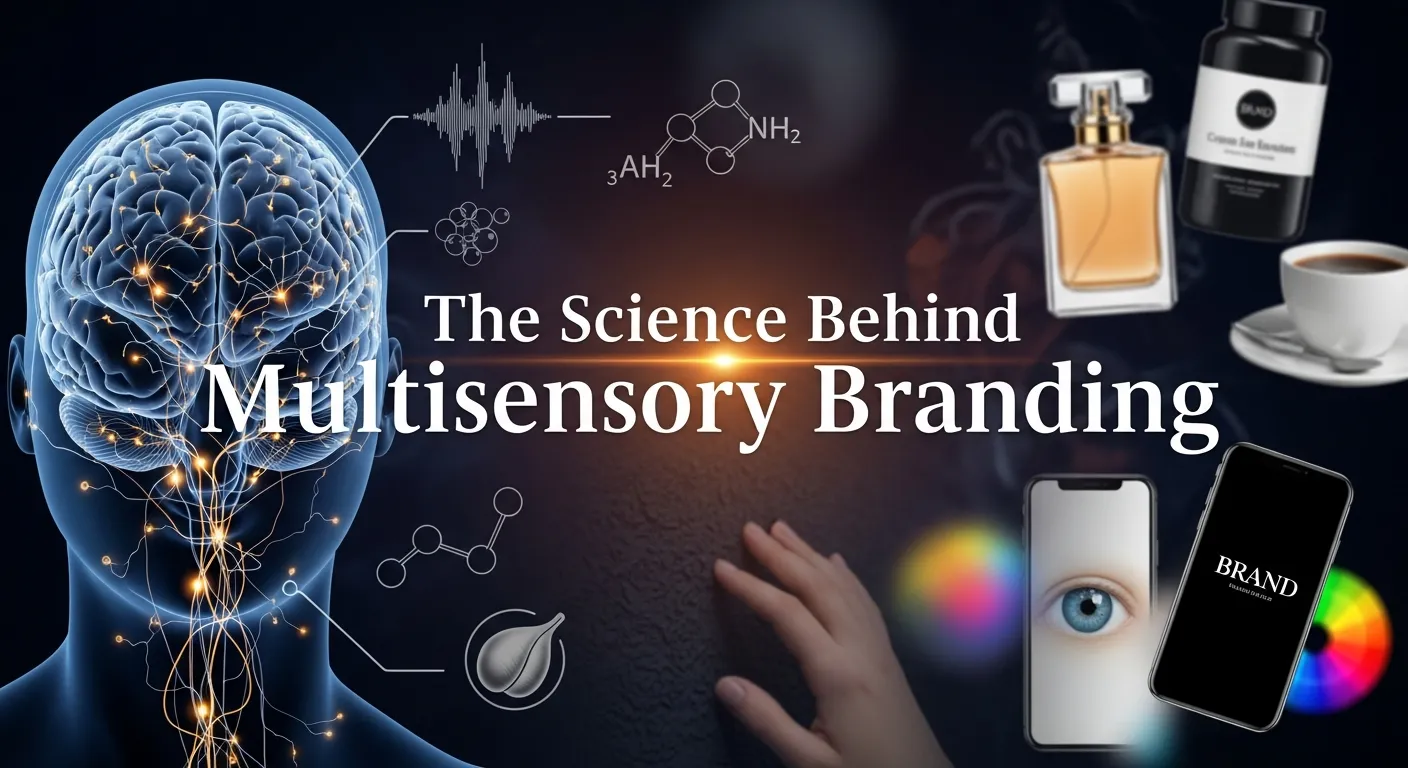
Why is a multisensory branding approach so effective? The answer lies in how our brains are wired.
The Power of Sensory Congruence
Our brains seek harmony. When sensory cues are aligned, they reinforce each other, making the experience more pleasant and the brand message more credible. This is called sensory congruence mapping. For example, the sound of a crisp bite in a chip commercial (sound) reinforces the visual of a crunchy chip (sight). Conversely, incongruent cues can create confusion and distrust. A luxury car with a flimsy-sounding door undermines the brand’s premium positioning. A successful multisensory branding strategy ensures all sensory inputs tell the same story.
The Olfactory-Memory Connection
Smell is our most primal and powerful sense. The olfactory bulb, which processes smells, is directly linked to the limbic system—the brain’s center for emotion and memory. This is why a specific scent can instantly transport you back to a childhood memory. Brands that leverage a signature scent create a potent and hard-to-replicate memory anchor.
The Emotional Impact of Sound
Sound profoundly affects our mood and perception. Fast-paced music can increase heart rates and encourage faster shopping in a retail environment, while classical music can create a perception of luxury and sophistication. The power of sonic branding lies in its ability to communicate a brand’s personality non-verbally.
Haptic Feedback and Ownership
Touch creates a sense of ownership and connection. The weight of a high-quality product, the texture of premium packaging, or even the satisfying click of a button on an app contributes to our perception of value. In an increasingly digital world, the role of touch in multisensory branding is becoming even more critical.
Engaging the Five Senses: A Tactical Guide
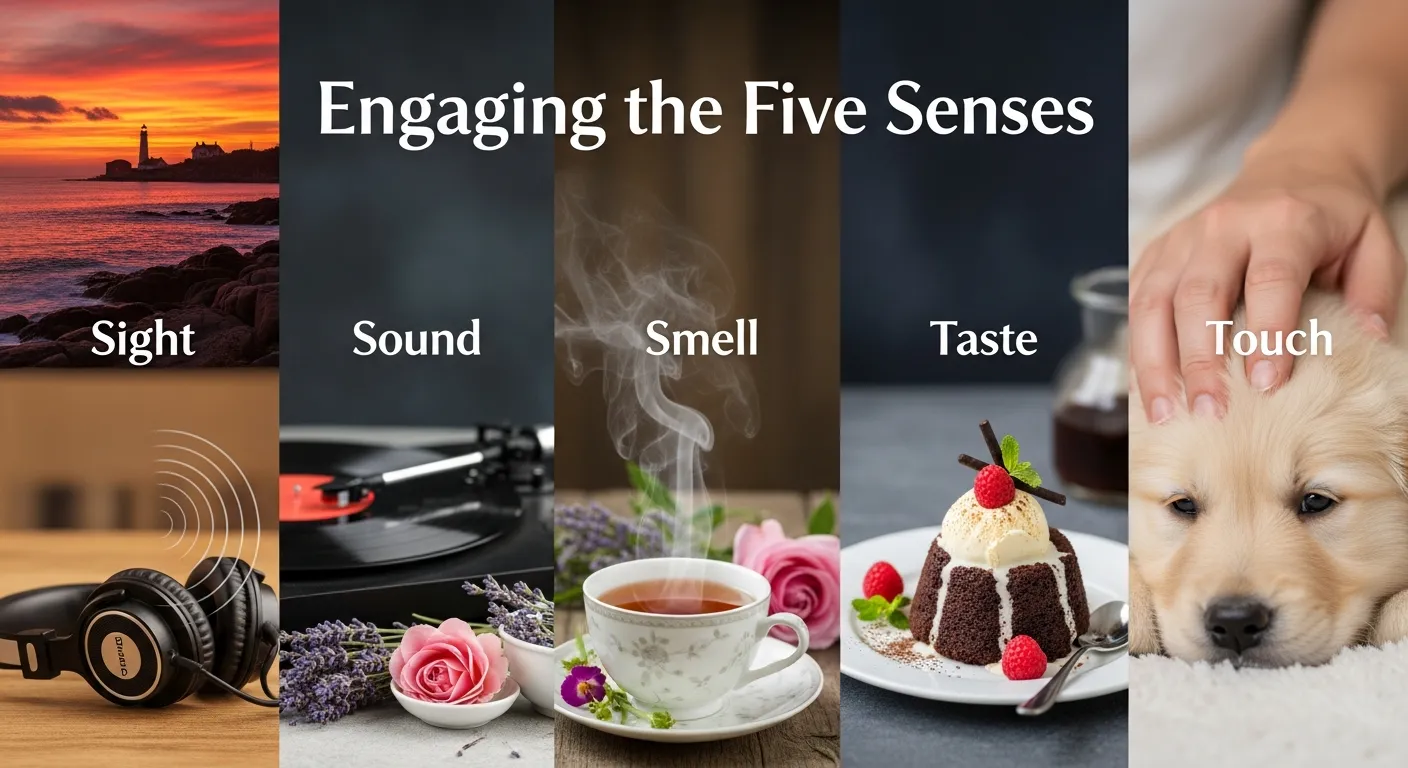
Implementing multisensory branding requires a deliberate strategy for each sense.
1. Sight: The Visual Foundation
Sight is the most stimulated sense in marketing, but multisensory branding goes beyond just a logo.
- Color Psychology: The psychology of color in branding is well-documented. Blue conveys trust, red creates urgency, and green signals health or nature.
- Shape and Form: The iconic contour of a Coca-Cola bottle is recognizable even in the dark. The design of your product and packaging is a visual signature.
- Lighting and Atmosphere: The bright, clean lighting of an Apple Store communicates modernity and simplicity, while the dim, focused lighting of a high-end restaurant creates intimacy.
2. Sound: The Auditory Signature
Your brand’s sound is as important as its look. This is the domain of sonic branding.
- Audio Logo/Jingle: Think of the Intel “bong” or the McDonald’s “I’m Lovin’ It” jingle. These short audio clips create instant recognition.
- Brand Music: The music played in your store, in your ads, or on your website’s hold line should reflect your brand personality.
- Product Sounds: The satisfying “thump” of a luxury car door or the distinctive pop of a Pringles can are integral parts of the multisensory branding experience.
3. Smell: The Scent of a Brand
A signature scent can be a powerful differentiator and a driver of sales.
- Ambient Scenting: Hotels like Westin diffuse a signature “White Tea” scent in their lobbies worldwide, creating a consistent feeling of calm luxury. This is a hallmark of effective multisensory branding.
- Scented Products: For CPG brand marketing, the scent of a lotion or cleaning product is often the primary purchasing driver.
- Scented Marketing Materials: Scented direct mail or packaging can create a memorable unboxing experience.
4. Taste: The Flavor Profile
While most relevant for food and beverage brands, taste can be applied creatively elsewhere.
- Signature Flavors: A brand like Starbucks built an empire on a specific flavor profile.
- In-Store Tastings: Offering samples is a direct and effective way to engage this sense.
- Cross-Modal Associations: Even non-food brands can evoke taste. Describing a color as “mocha” or “mint green” uses language to trigger taste associations.
5. Touch: The Haptic Connection
The feel of a brand can communicate quality and value.
- Product Ergonomics: How a product feels in the hand. Apple obsesses over the haptic feedback (the subtle vibration) of its trackpads and phone screens.
- Packaging Texture: The heavy cardstock of a premium business card or the embossed logo on a box communicates luxury before the product is even revealed.
- Retail Environment: The texture of surfaces in a store, from wooden tables to plush carpets, contributes to the overall brand feel.
The Power of Congruence: A Multisensory Branding Case Study
Consider the multisensory branding of Singapore Airlines:
- Sight: The flight attendants’ distinctive “Singapore Girl” sarong kebaya uniform.
- Smell: A patented signature scent, “Stefan Floridian Waters,” is used in their cabins, on hot towels, and by the flight crew.
- Touch: The texture of the hot towels and the quality of the materials in the cabin seats.
- Sound: A specific, calming boarding music is played to create a relaxing atmosphere.
- Taste: Curated menus designed by world-class chefs.
Each sensory element reinforces the core brand promise of premium service and luxury. This is multisensory branding in perfect harmony.
Implementing Your Multisensory Branding Strategy
Creating a cohesive sensory experience requires a methodical process.
Step 1: Conduct a Sensory Audit
Start by auditing every single customer touchpoint. From your website and social media to your physical store and packaging, list every interaction.
- For each touchpoint, ask:
-
- What does the customer see?
- What do they hear?
- What do they smell?
- What do they touch?
- What (if anything) do they taste?
This audit will reveal sensory gaps and opportunities. How to conduct a comprehensive brand audit should always include this sensory dimension.
Step 2: Define Your Sensory Signature
Based on your brand personality and brand positioning, define what you want to communicate through each sense.
- Example: If your brand is “natural and organic,” your sensory signature might be:
-
- Sight: Earthy tones, natural light, minimalist design.
- Sound: Acoustic music, sounds of nature.
- Smell: Scents of lavender, eucalyptus, or sandalwood.
- Touch: Uncoated paper, natural wood textures, cotton fabrics.
- Taste: Herbal teas offered in-store.
Step 3: Test and Refine
Neuromarketing techniques can be invaluable here. Use tools like eye-tracking, facial coding, or EEG to measure subconscious reactions to different sensory stimuli. Do customers associate your chosen scent with “luxury” or “cheap”? Does your sonic logo evoke excitement or annoyance?
Step 4: Ensure Consistency Across All Channels
The biggest challenge in multisensory branding is maintaining consistency. Your physical retail experience must align with your digital presence.
Digital Translation: How do you translate touch and smell online? Use high-resolution images that show texture. Use descriptive language (“buttery soft leather”). AI Sensory Branding is an emerging field that aims to translate and personalize these cues for digital environments.
Linking Senses to Brand Attributes
|
Brand Attribute |
Sight |
Sound |
Smell |
Touch |
Taste |
|---|---|---|---|---|---|
|
Luxury |
Rich colors (gold, purple), elegant fonts |
Classical music, low-volume ambiance |
Complex scents (leather, oud) |
Heavy materials (metal, velvet) |
Complex flavors, high-quality ingredients |
|
Energy/Excitement |
Bright colors (red, orange), dynamic shapes |
Fast-paced pop/electronic music |
Citrus, mint scents |
Sleek, smooth surfaces |
Spicy, bold flavors |
|
Natural/Organic |
Earth tones (green, brown), natural light |
Acoustic music, nature sounds |
Herbal scents (lavender, cedar) |
Rough, natural textures (wood, stone) |
Simple, clean flavors |
|
Trust/Reliability |
Blue, white colors, simple grid layouts |
Clear, calm voiceovers |
Clean, fresh scents (cotton, ocean) |
Solid, sturdy materials |
Mild, familiar flavors |
The Future of Multisensory Branding: Tech and Personalization
Multisensory branding is poised to become even more sophisticated with emerging technologies.
Augmented and Virtual Reality (AR/VR)
Mastering metaverse branding is the ultimate challenge for multisensory branding. In a virtual world, you can fully control the entire sensory environment. Augmented reality branding can overlay digital sounds and visuals onto physical products, enriching the real-world experience.
Haptic Technology
Advanced haptics will allow digital devices to replicate a wide range of textures, from rough denim to smooth silk, allowing e-commerce brands to finally engage the sense of touch meaningfully.
AI-Driven Personalization
AI-powered brand analysis will enable hyper-personalized branding at a sensory level. Imagine walking into a store where the lighting and music subtly adjust based on your mood, which is detected by facial recognition. This is the future of customer-centric brand development.
Conclusion
In a marketplace of endless choices, brands that create an emotional resonance are the ones that win. Multisensory branding is the most powerful tool for forging that connection. By moving beyond what a brand looks like and considering how it sounds, smells, feels, and even tastes, you create a rich, immersive world that customers want to be a part of. A brand that is felt on a sensory level is a brand that gets encoded into long-term memory, building the foundation for unshakable brand loyalty.
Frequently Asked Questions (FAQs)
1. Is multisensory branding only for physical products and stores?
No. While it’s most obvious in physical spaces, multisensory branding can be applied digitally. A website’s user experience (sight), notification sounds (sound), and haptic feedback on mobile (touch) are all sensory touchpoints.
2. What is the most powerful sense for branding?
Smell is considered the most powerful because of its direct link to the brain’s emotion and memory centers. However, the true power of multisensory branding comes from the congruent combination of multiple senses.
3. How can a B2B company use multisensory branding?
A B2B company can use it in many ways: the quality and feel of their business cards and proposals (touch), a consistent and professional brand voice in webinars (sound), a clean and intuitive website design (sight), and even offering high-quality coffee at meetings (taste/smell).
4. How much does it cost to implement a multisensory strategy?
It varies widely. Developing a custom signature scent can be expensive, but choosing a consistent playlist for your office or improving the texture of your packaging might be a low-cost change with a high impact.
5. What is the difference between sensory branding and multisensory branding?
The terms are often used interchangeably. Sensory branding can sometimes refer to engaging just one sense (like sonic branding), while multisensory branding always implies a strategy that integrates two or more senses.
6. How do you measure the ROI of multisensory branding?
You can track metrics like foot traffic and dwell time in a retail store after introducing a scent. You can A/B test a website with and without haptic feedback to see the effect on conversion rates. You can also use Google Analytics to measure engagement on pages with embedded audio or video.
7. Can a sound be trademarked?
Yes. This is called a “sound mark” or “audio trademark.” Many famous sonic logos, like the NBC chimes or the THX “Deep Note,” are legally protected.
8. What is “cross-modal correspondence”?
This is the scientific term for the brain’s tendency to associate stimuli from different senses. For example, people associate high-pitched sounds with smaller, lighter objects and low-pitched sounds with larger, heavier ones. A skilled multisensory branding strategist uses these correspondences.
9. How does multisensory branding affect customer perception?
It can make a brand seem more premium, more authentic, or more exciting. The right sensory cues prime the brain and shape the customer’s subjective experience of the brand, often on a subconscious level.
10. Where can I start if I have a small budget?
Start with an audit. Identify sensory “dead zones” or inconsistencies. The easiest places to start are often sound (create a brand playlist) and touch (improve the quality of your printed materials). These small changes can have a significant impact on brand perception.