
B2B Brand Differentiation: Strategies for Crowded Professional Markets
In a saturated marketplace where competitors sound identical, standing out is no longer optional—it is a survival imperative. Learn how to carve a unique identity that commands attention and drives growth.
This comprehensive guide explores the critical strategies for B2B brand differentiation, moving beyond features and price. We delve into emotional branding, customer-centric innovation, and data-driven insights to help you build a resilient brand. Discover actionable techniques to transform your business from a commodity into a market leader.
The Crisis of Sameness in B2B Markets
The modern B2B landscape is suffering from a crisis of sameness. Visit the websites of any five competitors in SaaS, logistics, or professional services, and you will likely find interchangeable blue logos, stock photos of shaking hands, and vague promises of “innovative solutions” and “world-class service.” This “sea of sameness” makes it nearly impossible for buyers to distinguish one vendor from another, leading to long sales cycles, price wars, and high customer churn.
B2B brand differentiation is the strategic antidote to this problem. It is the art and science of establishing a distinct position in the mind of your ideal customer. It goes beyond having a better product; it is about having a better story, a clearer purpose, and a more resonant connection with the people behind the businesses you serve. In 2026, where artificial intelligence and automation are leveling the playing field for product features, your brand’s unique identity is the only durable competitive advantage left.
To truly differentiate, we must first understand the psychological and strategic levers that influence B2B buying behavior. Contrary to the old belief that B2B buyers are purely rational “spock-like” decision-makers, research shows they are deeply influenced by emotion, trust, and shared values. A differentiated brand speaks to these human needs, reducing the perceived risk of the purchase and building a foundation for long-term loyalty.
Strategy 1: The Power of Emotional Branding in B2B

For years, B2B marketing has been dominated by logic: features, specs, and ROI calculators. While these are important, they are rarely the deciding factor in a competitive pitch. Emotional branding is the secret weapon of market leaders. It acknowledges that behind every B2B transaction is a human being—a CTO worried about data security, a marketing director under pressure to deliver leads, or a CEO anxious about legacy.
Moving Beyond the “What” to the “Why”
Great B2B brands connect on an emotional level by focusing on their brand purpose development. Why does your company exist beyond making money? What wrong are you trying to right in your industry? When you articulate a compelling “why,” you attract customers who believe what you believe. This shared belief creates a bond that is far stronger than a contract based solely on price.
For example, a cybersecurity firm isn’t just selling software; they are selling peace of mind and the protection of reputation. A logistics company isn’t just moving boxes; they are delivering promises and enabling commerce. By shifting your narrative to the emotional outcome of your service, you differentiate yourself from competitors who are merely selling tools.
Brand Archetypes: Giving Your Brand a Soul
One effective tool for establishing an emotional connection is the use of brand archetypes. Derived from Jungian psychology, these 12 archetypes (e.g., The Hero, The Sage, The Outlaw, The Caregiver) provide a framework for building a consistent brand personality in marketing.
- The Sage: Brands like McKinsey or Google rely on expertise and truth. They differentiate by being the smartest in the room.
- The Hero: Brands like FedEx or Nike (in their B2B partnerships) focus on mastery and overcoming challenges. They differentiate by promising to get the job done, no matter what.
- The Outlaw: Brands like Salesforce (in its early “No Software” days) challenge the status quo. They differentiate by being a revolutionary force.
Defining your archetype helps clarify your brand voice, visual identity, and brand storytelling. It ensures that every touchpoint, from your website copy to your sales deck, feels like it comes from a distinct, living entity rather than a faceless corporation.
Strategy 2: Niche Down to Scale Up
One of the most common fears in B2B is the fear of narrowing the target market. Companies often dilute their messaging in an attempt to appeal to everyone. However, in a crowded market, trying to be everything to everyone means being nothing to anyone. B2B brand differentiation often requires a radical commitment to a niche.
The Power of Vertical Expertise
Generalist agencies and software providers are a dime a dozen. Specialists command higher fees and deeper loyalty. By focusing on a specific industry vertical (e.g., “CRM for Dental Practices” vs. “CRM for Small Business”), you can tailor your product, language, and case studies to the specific pain points of that audience. This signals to the buyer, “We understand you. We are one of you.”
This strategy leverages inclusive brand strategies by deeply understanding the specific culture and needs of a subgroup. It allows you to speak their language—literally using the jargon and acronyms they use—which instantly builds credibility. A generalist competitor can’t compete with that level of implicit understanding.
Account-Based Marketing (ABM) as a Differentiation Tool
Differentiation isn’t just about what you say to the market at large; it’s about what you say to specific high-value accounts. ABM is the ultimate form of niche marketing. It treats individual client accounts as markets of one. By creating hyper-personalized content and campaigns for a specific target company, you demonstrate a level of investment and understanding that generic competitors cannot match. This creates a customer-centric brand development approach that feels bespoke and premium.
Strategy 3: Owning a Distinctive Brand Voice
In a world of AI-generated content, a human, distinct brand voice is a powerful differentiator. Most B2B content is dry, corporate, and safe. It reads like a white paper written by a committee. To stand out, your brand needs to sound different.
The “No Jargon” Rule
The first step to a distinctive voice is eliminating the “corporate speak” that plagues B2B. Words like “synergy,” “best-in-class,” “leverage,” and “paradigm shift” are noise. They mean nothing because everyone uses them. Differentiated brands use plain, punchy language. They speak like a smart friend, not a textbook.
Humor and Personality
Who says B2B has to be boring? Brands like Gong or Slack have used humor and informality to disrupt serious industries. They recognize that B2B buyers are also consumers who watch Netflix and scroll through TikTok. A witty, conversational tone can make your brand memorable and approachable. This is particularly effective in social media marketing, where engagement relies on stopping the scroll.
Taking a Stand: Thought Leadership with Teeth
True thought leadership isn’t just summarizing industry trends; it’s having a point of view. It’s about taking a stand on controversial topics within your industry. This is sometimes called “contrarian marketing.” If everyone in your industry is zigging, you differentiate by zagging. For instance, if your competitors are all talking about the benefits of AI, you could write a piece about “The Hidden Dangers of AI in B2B Decision Making.” This provokes thought and positions your brand as a bold leader, not a follower. This approach is key to building a resonant brand that people actually want to follow.
Strategy 4: Superior Customer Experience (CX) as a Brand Promise

Your brand is not what you say it is; it is what your customers experience. In B2B, where products often have similar feature sets, the experience of buying and using the product becomes the primary differentiator. Customer experience is the brand.
Frictionless Onboarding and Support
How easy is it to do business with you? Is your pricing transparent, or does it require five meetings to get a quote? Is your onboarding process smooth, or is it a technical nightmare? Companies that invest in user experience and branding create a “halo effect” around their products. Buyers will choose a slightly inferior product with a superior support experience over a feature-rich product that is a pain to manage.
The Role of Employee Advocacy
Your employees are the face of your brand. In B2B, relationships are often person-to-person. Internal branding—turning employees into brand ambassadors—is crucial. When your sales team, customer success managers, and support staff embody the brand values, they differentiate your company in every interaction. An empowered, happy employee base suggests a healthy, reliable company—a key factor for buyers evaluating long-term partners.
Strategy 5: Visual Identity and “Brand Codes”
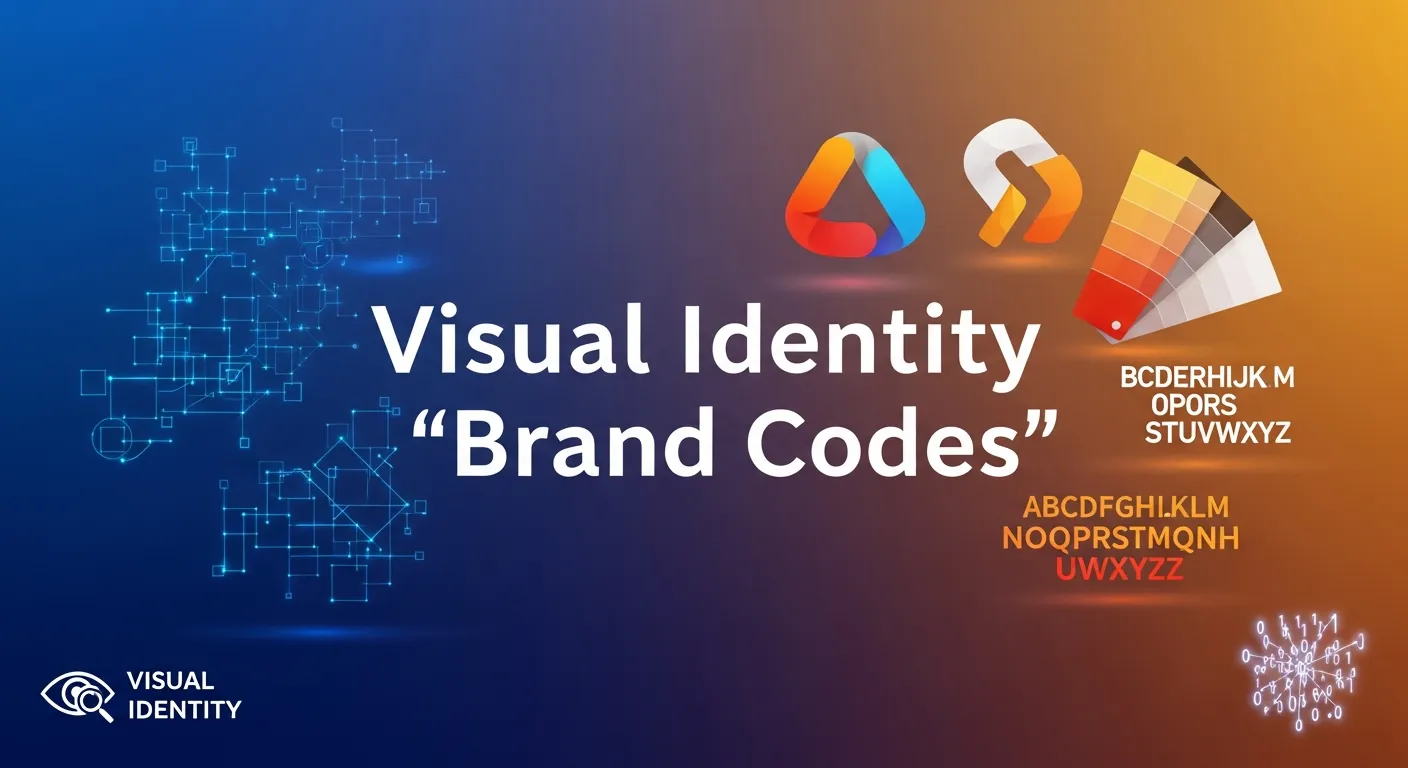
While strategy is invisible, design is visceral. Your visual identity is often the first interaction a prospect has with your brand. B2B brand differentiation requires breaking the visual conventions of your industry.
Breaking the “Blue” Curse
Tech and finance companies love the color blue because it signifies trust. The result? A sea of blue logos. To differentiate, consider the psychology of color in branding. Could you own purple? Orange? Green? A distinctive color palette can make your brand instantly recognizable in a crowded trade show hall or a busy LinkedIn feed.
Distinctive Brand Assets
Beyond the logo, successful brands build “distinctive assets” or brand codes. This could be a specific illustration style (like Mailchimp’s sketches), a sonic logo (like Intel’s bong), or a unique mascot (like Salesforce’s Astro). These assets create mental shortcuts for the buyer. When they see that style or hear that sound, they immediately think of you. This builds brand distinctiveness and salience—the quality of being “top of mind” when a buyer is ready to purchase.
Strategy 6: Leveraging Data and Social Proof
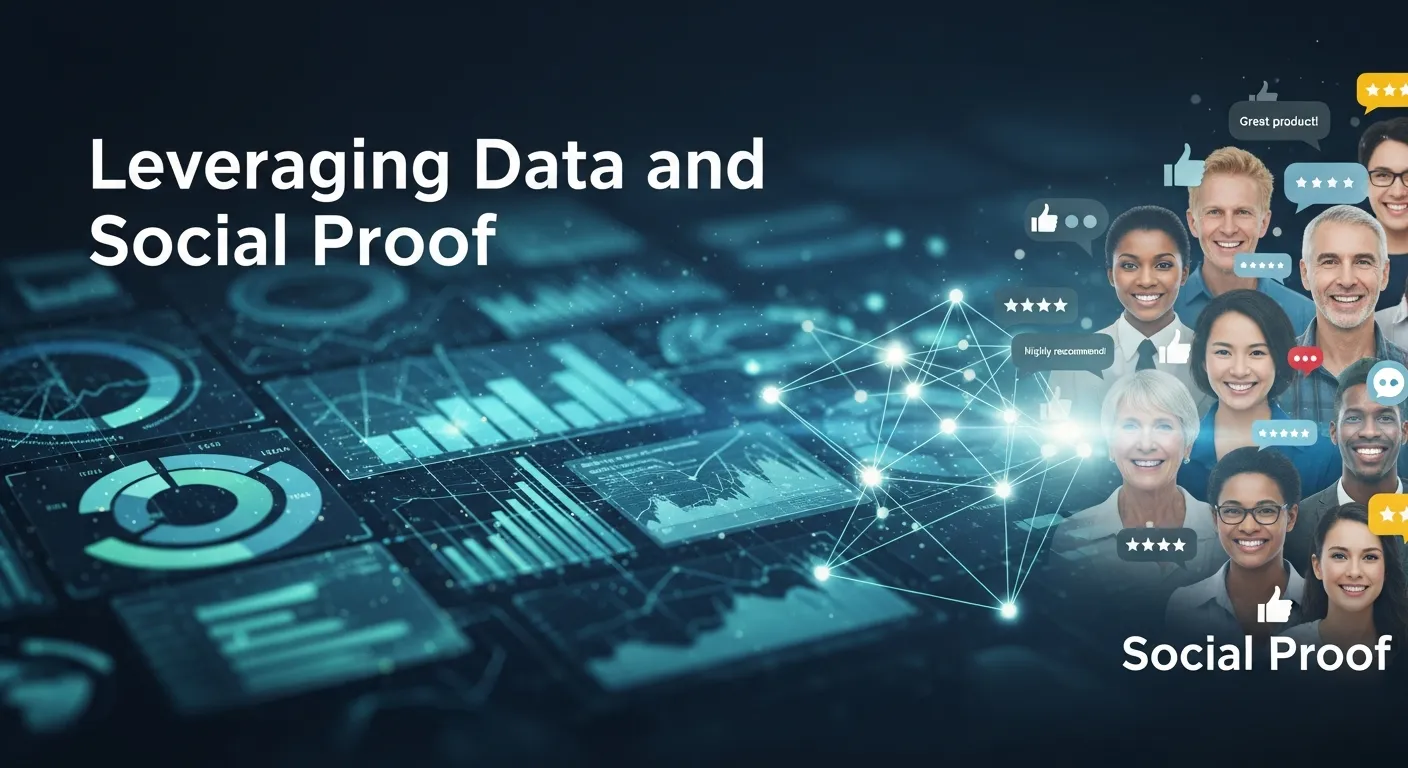
Trust is the currency of B2B. You can claim you are different, but can you prove it? Data-driven brand storytelling uses hard evidence to back up your differentiation claims.
Proprietary Data and Research
One of the most powerful ways to differentiate is to become the source of truth for your industry. conducting original research and publishing annual reports (like the “State of Marketing” reports) positions your brand as an authority. Competitors might quote your data, which only reinforces your leadership position.
The Power of Case Studies
Generic testimonials (“They were great!”) are forgettable. Differentiated case studies tell a story of transformation. They follow a narrative arc: The Struggle, The Solution, and The Triumph. They use specific metrics and quotes. Video testimonials are even more powerful, as they capture the emotion and authenticity of the client’s experience. This links back to interactive storytelling in branding, allowing prospects to see themselves in your success stories.
Strategy 7: Sustainability and Ethical Differentiation

We are entering an era where corporate values matter more than ever. Sustainable branding strategies are no longer just for B2C companies. B2B buyers have their own ESG (Environmental, Social, and Governance) goals to meet, and they prefer vendors who help them achieve those goals.
Beyond Greenwashing
Authenticity is key. The truth behind branded sustainability and environmental harm is often exposed, leading to backlash. True differentiation comes from a genuine, measurable commitment to sustainable practices. Whether it’s a carbon-neutral supply chain, ethical labor practices, or a commitment to diversity and inclusion (inclusive branding), these values can be the deciding factor in a Request for Proposal (RFP).
Strategy 8: The Role of Community and Content

A brand is stronger when it is surrounded by a community. The future of brand communities in B2B is about creating spaces where your customers can connect with each other, learn, and grow—independent of your sales pitch.
Building a Media Company
The most differentiated B2B brands act like media companies. They produce high-quality podcasts, newsletters, and video series that offer genuine value. They don’t just blog about their product updates; they create content that helps their customers advance their careers. This creates brand affinity and keeps your company top-of-mind long before a purchase decision is made. This aligns with the concept of branded content marketing, where the content itself is a valuable product.
Customer Advisory Boards
Inviting your top customers to join an advisory board differentiates you by showing that you value their input in your roadmap. It turns customers into partners and advocates, fostering deep loyalty and providing you with invaluable market insights.
Advanced Tactics: AI and Predictive Branding
As we look toward 2026 and beyond, technology will play a larger role in differentiation.
AI-Powered Personalization
Hyper-personalized branding uses AI to tailor the web experience for every visitor. Imagine a prospect from the healthcare industry visiting your site and seeing healthcare-specific headlines, case studies, and imagery automatically. This level of relevance is a powerful differentiator.
Predictive Analytics
Using predictive analytics in trend marketing, brands can anticipate customer needs before the customer even articulates them. Being the partner that brings new ideas and “around the corner” visibility to a client is a massive competitive advantage.
Implementing Your Differentiation Strategy
Differentiation is not a one-time project; it is an ongoing discipline. It requires alignment across the entire organization.
- Conduct a Brand Audit: Analyze your current position. How are you perceived? How does this compare to your competitors? Use competitive brand analysis to find the white space.
- Define Your Value Proposition: innovative branding starts with a clear, concise statement of what you do, who you do it for, and why you are different.
- Align Internal Teams: Your sales, marketing, and product teams must all sing from the same song sheet. Brand consistency is vital.
- Execute and Iterate: Roll out your new identity across all touchpoints. Monitor the market response and be willing to adjust. Brand agility is key to staying relevant.
The “Commodity vs. Differentiated” Brand Checklist
|
Feature |
Commodity Brand |
Differentiated Brand |
|---|---|---|
|
Focus |
Product Features |
Customer Outcomes & Emotions |
|
Messaging |
Generic, Jargon-heavy |
Specific, Human, Conversational |
|
Visuals |
Safe, “Blue”, Stock Photos |
Distinctive, Bold, Custom Assets |
|
Audience |
“Everyone” |
Niche, Ideal Customer Profile (ICP) |
|
Content |
Sales Pitch |
Thought Leadership & Education |
|
Relationship |
Transactional |
Partnership & Community |
|
Pricing |
Race to the Bottom |
Value-Based Premium |
Conclusion
B2B brand differentiation is the engine of sustainable growth in a crowded market. It is the difference between being a vendor that is constantly squeezed on price and being a partner that is valued for unique expertise and vision. By embracing emotional connection, niche expertise, distinctive creativity, and a customer-centric culture, you can build a brand that is not just seen, but sought after.
The strategies outlined here—from brand archetyping to community building—are your toolkit for the future. In a world of noise, be the signal. Be bold, be human, and be undeniably you. The market rewards those with the courage to stand out.
Frequently Asked Questions (FAQs)
1. What is B2B brand differentiation, and why is it critical?
B2B brand differentiation is the strategy of establishing a unique position in the market that distinguishes your company from competitors. It is critical because, without it, businesses are viewed as commodities, leading to price wars, lower margins, and lower customer loyalty. It helps buyers understand why they should choose you over others.
2. How does emotional branding apply to B2B markets?
Emotional branding applies to B2B because buyers are human beings driven by psychological needs like trust, security, and confidence. B2B purchases often carry high personal risk for the decision-maker. Brands that connect emotionally—by alleviating fear or inspiring confidence—create deeper relationships than those that rely solely on logic and specs.
3. What is the difference between brand positioning and brand differentiation?
Brand positioning is where you sit in the market relative to competitors (e.g., the low-cost option vs. the premium option). Brand differentiation is how you prove that position and make it unique (e.g., through a unique voice, proprietary technology, or superior service). Positioning is the strategy; differentiation is the execution.
4. How can a B2B company find its unique differentiator?
Start by conducting a comprehensive brand audit and talking to your best customers. Ask them why they bought from you and why they stay. Look for the intersection of what your customers need, what you do exceptionally well, and what your competitors are ignoring. This “white space” is your opportunity for differentiation.
5. Can a small B2B business compete with large enterprise brands?
Yes, often better than they think. Small businesses can differentiate through agility, hyper-specialization (niche focus), and personalized service—things that large enterprises struggle to deliver at scale. Being a “boutique” specialist is a powerful differentiator against a “factory” generalist.
6. What role does content marketing play in differentiation?
Content is the voice of your differentiation. It is how you demonstrate your expertise and point of view. By producing high-quality, original content (not just AI-generated fluff), you prove your authority. Branded content marketing that educates rather than sells builds trust and sets you apart as a helpful resource.
7. Is visual identity really that important in B2B?
Absolutely. In a digital-first world, your visual identity is your storefront. If your website and materials look dated or generic, buyers will assume your product is too. Distinctive “brand codes”—colors, fonts, logo styles—create memory structures that help buyers recall your brand when they are ready to purchase.
8. How do I measure the success of my differentiation strategy?
Success metrics include increased brand awareness, shorter sales cycles (because buyers already know why they want you), higher close rates, reduced price sensitivity, and improved customer retention. You can also track share of voice and sentiment analysis to see if the market is repeating your unique narrative.
9. What is “Brand Salience” and why does it matter?
Brand salience is the degree to which your brand is thought of in a buying situation. It matters because most B2B buyers have a mental shortlist of vendors before they even start research. Differentiation increases salience by making your brand memorable and easy to recall, ensuring you make that shortlist.
10. How often should we revisit our differentiation strategy?
Differentiation is dynamic. Markets change, competitors adapt, and technology evolves. You should review your brand strategy annually. However, a major rebrand or pivot usually happens every 3-5 years or when there is a significant shift in the business model or market landscape. Brand resilience requires constant monitoring of your relevance.




1 thought on “B2B Brand Differentiation: Strategies for Crowded Professional Markets”