Future-Proofing Your Brand Adaptation Strategies
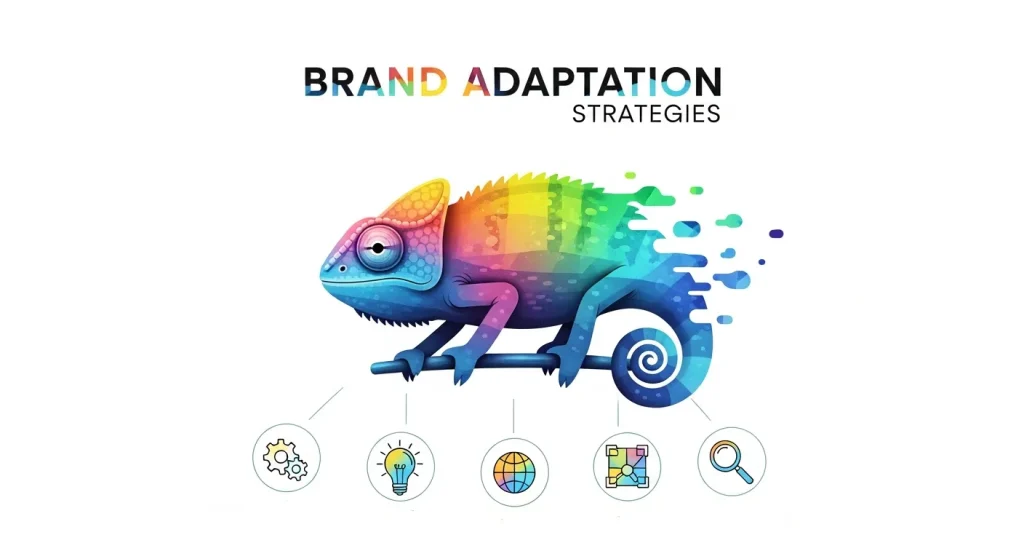
In a marketplace defined by rapid evolution, standing still is the fastest way to fall behind. Adapting your brand isn’t just an option—it’s a survival imperative for long-term success.
This guide explores essential brand adaptation strategies to help businesses navigate accelerating market changes. From leveraging anticipatory intelligence to balancing core identity with flexibility, we provide actionable insights and examples to ensure your brand remains resilient, relevant, and ready for the future, regardless of industry disruptions.
The Adaptation Imperative
In a business landscape characterized by accelerating change, yesterday’s market leaders regularly become tomorrow’s cautionary tales. Brands once considered unassailable—Kodak, Blockbuster, Toys “R” Us—have collapsed not from competitive pressure alone but from an inability to adapt to shifting market fundamentals. This pattern continues as technological advancement, evolving consumer expectations, and societal shifts create new vulnerabilities even for seemingly established brands.
Future-proofing requires more than incremental innovation or reactive market responses. It demands a systematic approach to anticipating change while preserving core brand strength—balancing adaptability with authenticity in ways that maintain relevance without sacrificing distinctive identity. This balancing act explains why some heritage brands navigate decades of market evolution while others falter despite substantial resources and market share.
Implementing effective brand adaptation strategies is about creating a dynamic ecosystem where your brand can breathe, grow, and pivot without losing its soul. It is about understanding that the safest place is not in the harbor of the past, but on the open seas of the future, provided you have the right navigational tools.
The Adaptation Paradox
Brands face an inherent tension between stability and change. Consistency builds recognition and trust establishment, yet rigidity creates vulnerability as markets evolve. This tension explains why many adaptation attempts fail: organizations either change too little too late or transform so dramatically they surrender the equity they’ve built.
The most resilient brands navigate this paradox through what might be called principled adaptation—evolution guided by enduring brand principles rather than reactive market following. This approach allows brands to respond to changing conditions while maintaining their essential character and customer connections.
Consider how National Geographic has navigated the digital revolution that devastated many traditional publishers. Rather than clinging exclusively to print or abandoning their heritage entirely, they expanded their distinctive visual storytelling and exploration ethos across emerging platforms and experiences. Their yellow rectangle frame—a visual brand signature—now contains everything from Instagram stories to virtual reality experiences while maintaining consistent brand meaning.
This demonstrates a crucial lesson in brand resilience: You can change how you deliver value without changing why you exist.
Core vs. Flexible Elements
To manage the adaptation paradox, it is helpful to categorize brand elements into two buckets:
- Core Elements (The Anchor): These are non-negotiable. Your purpose, your fundamental values, and your distinctive brand assets (like the Nike Swoosh or Coca-Cola red). These provide the stability needed for customer retention.
- Flexible Elements (The Sail): These are adaptable. Your marketing channels, product features, visual styles, and communication tactics. These adjust to catch the winds of market trends and consumer perception.
Anticipatory Intelligence: Beyond Trend Watching

Effective future-proofing begins with developing what military strategists call situational awareness—a comprehensive understanding of the operating environment and forces affecting it. While many organizations conduct periodic trend reviews, truly adaptive brands develop ongoing intelligence systems that detect subtle signals before they become obvious marketplace shifts.
According to research from McKinsey & Company, companies with systematic trend-scanning capabilities demonstrate a 33% higher probability of above-average growth compared to their industry peers. Yet relatively few organizations develop these capabilities beyond surface-level market research.
Meaningful anticipatory intelligence examines several interconnected dimensions to inform your brand adaptation strategies.
Technology Evolution Beyond Direct Applications
Rather than focusing narrowly on technologies directly affecting their category, adaptive organizations track broader technological evolution that might enable new competitors, shift customer expectations, or create substitute solutions. The hospitality industry’s disruption by Airbnb exemplifies this pattern—a business model enabled by technologies developed outside the industry itself.
Effective technology scanning examines not just what’s being developed but how emerging capabilities might combine to create unexpected market effects. These combinations often produce the most disruptive market shifts, yet typically receive less attention than individual technological developments.
For instance, the convergence of AI marketing and hyper-personalization creates new standards for customer experience. Brands that ignore this convergence risk appearing archaic compared to competitors who offer predictive, personalized interactions.
Social Value Shifts
Customer preferences change not just in response to new offerings but through deeper shifts in social values and meaning systems. These transformations often begin subtly before manifesting in purchasing behavior, creating windows for anticipatory adaptation before markets visibly change.
Consider how sustainability evolved from a niche concern to a mainstream purchasing criterion. Brands like Patagonia that recognized this value shift early gained a substantial advantage over competitors forced into reactive green marketing efforts. Their early alignment with emerging values created authenticity advantages impossible to replicate through late-stage adaptation.
Monitoring systems should examine leading cultural indicators rather than mass market behaviors, identifying emerging values while adaptation remains proactive rather than reactive. This helps in maintaining brand relevance in a socially conscious market.
Ecosystem Reconfiguration
Markets increasingly function as complex ecosystems rather than linear value chains. Future-proofing requires monitoring how these ecosystems might reconfigure as new players enter, traditional boundaries blur, and unexpected partnerships form.
The health industry demonstrates this pattern as technology companies, retailers, insurance providers, and traditional healthcare organizations form new configurations that challenge established market structures. Organizations tracking these ecosystem shifts create adaptation windows that slower-moving competitors miss entirely. By analyzing competitive brand analysis reports, businesses can spot these ecosystem shifts early.
Balanced Evolution: The Core/Flex Framework

Once potential change vectors are identified, adaptive brands determine where evolution is necessary while protecting distinctive brand assets. The most effective approach involves explicitly distinguishing between core elements that maintain identity and flexible elements that can evolve without compromising brand integrity.
Consider how Apple navigates this balance. Their core principles around design minimalism, user experience focus, and ecosystem integration remain consistent across decades and product categories. However, they demonstrate tremendous flexibility in business models, distribution approaches, and even aesthetic expressions within their minimalist framework.
This deliberate separation of core and flexible elements creates what adaptive systems theorists call “requisite variety”—sufficient adaptability to respond to changing conditions while maintaining system integrity. Without this explicit framework, organizations tend toward either rigid preservation of all existing elements or indiscriminate change that undermines valuable brand equity.
Implementing the Core/Flex Framework
To implement this framework, brands should conduct an audit using the following table as a guide:
|
Element Category |
Description |
Adaptation Strategy |
Example |
|---|---|---|---|
|
Brand Purpose |
The fundamental “why” behind the brand. |
Preserve: Keep consistent to maintain trust and direction. |
“To organize the world’s information” (Google) |
|
Brand Values |
Guiding principles of behavior. |
Preserve: Ensure all new initiatives align with these values. |
Integrity, Innovation, Sustainability. |
|
Product Offerings |
The specific goods or services sold. |
Evolve: Innovate features, pivot lines, or discontinue obsolete items. |
Netflix moving from DVD rental to streaming. |
|
Marketing Channels |
Where the brand communicates. |
Evolve: Shift budget to where the audience is (e.g., TikTok vs. TV). |
Shifting from print ads to influencer strategy. |
|
Visual Identity |
Logos, colors, fonts. |
Refine: Modernize periodically without losing recognition. |
Burger King’s retro-modern rebrand. |
Strategic Resilience Planning
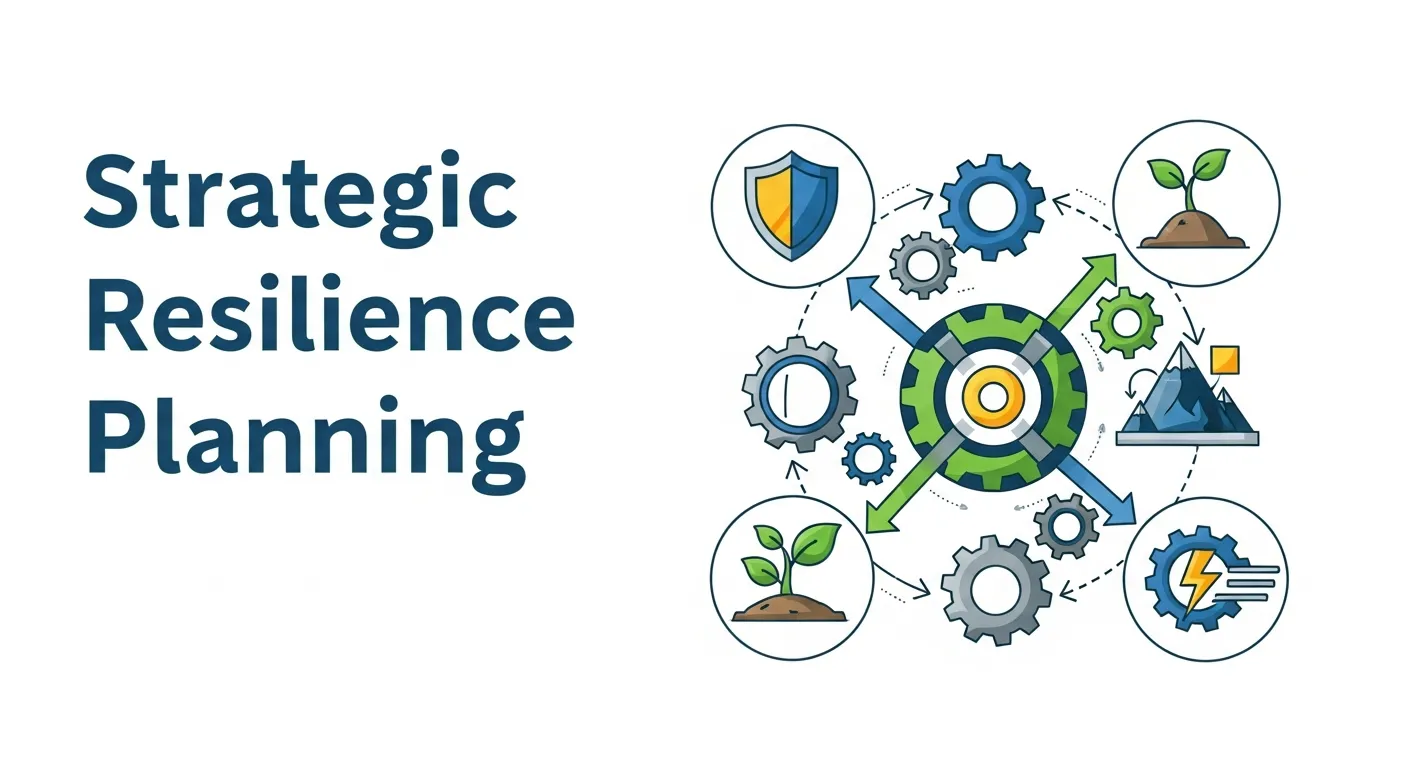
Beyond adaptation to anticipated changes, future-proofing requires developing general resilience—the capacity to absorb unexpected disruptions while maintaining essential functions. The organizations that weathered COVID-19 disruption most effectively weren’t necessarily those who specifically predicted a pandemic, but rather those who had developed general resilience capabilities applicable across various disruption scenarios.
According to an extensive analysis from Deloitte, organizationally resilient companies share several characteristics including resource fluidity, operational redundancy, and scenario-based contingency planning. These capabilities create adaptation capacity regardless of the specific disruption encountered.
For brands, resilience planning includes several key dimensions that bolster crisis management.
Channel Flexibility
Brands overly dependent on single distribution channels face particular vulnerability as consumer behaviors shift. Organizations with flexible, multi-channel presence maintain customer connections even when specific touchpoints face disruption. This is the essence of omnichannel strategies.
Compare Barnes & Noble’s struggle against Amazon with smaller independent bookstores that developed community events, cafés, and online presences that complemented their physical retail operations. Many of these smaller operations demonstrated greater resilience despite fewer resources precisely because they maintained multiple connection points with their audiences.
Actionable Tip: Audit your revenue streams. If more than 60% of your revenue comes from a single channel (e.g., Facebook ads or one major retailer), prioritize diversification immediately.
Audience Relationship Depth
Transactional customer relationships create vulnerability during market shifts as customers easily switch to alternatives offering marginal advantages. Conversely, brands that develop deeper connections based on shared values and identity alignment maintain loyalty through disruption periods.
LEGO exemplifies this resilience through their cultivation of adult enthusiast communities alongside their traditional children’s market. These deep-relationship segments not only provided stability during toy industry disruption but also generated valuable co-creation that strengthened their market position. Community building is a potent defense against commoditization.
Purpose Anchoring
Perhaps the most powerful resilience factor involves anchoring brand identity in a purpose that transcends specific product offerings or business models. Purpose-centered brands maintain relevance even when market conditions require substantial business evolution because their core reason for existence remains constant while execution adapts.
Patagonia again provides an instructive example—their environmental mission provides continuous direction regardless of specific product categories or distribution approaches. This purpose continuity creates resilience through market shifts while maintaining brand authenticity that competitors struggle to replicate.
Organizational Enablers of Adaptation
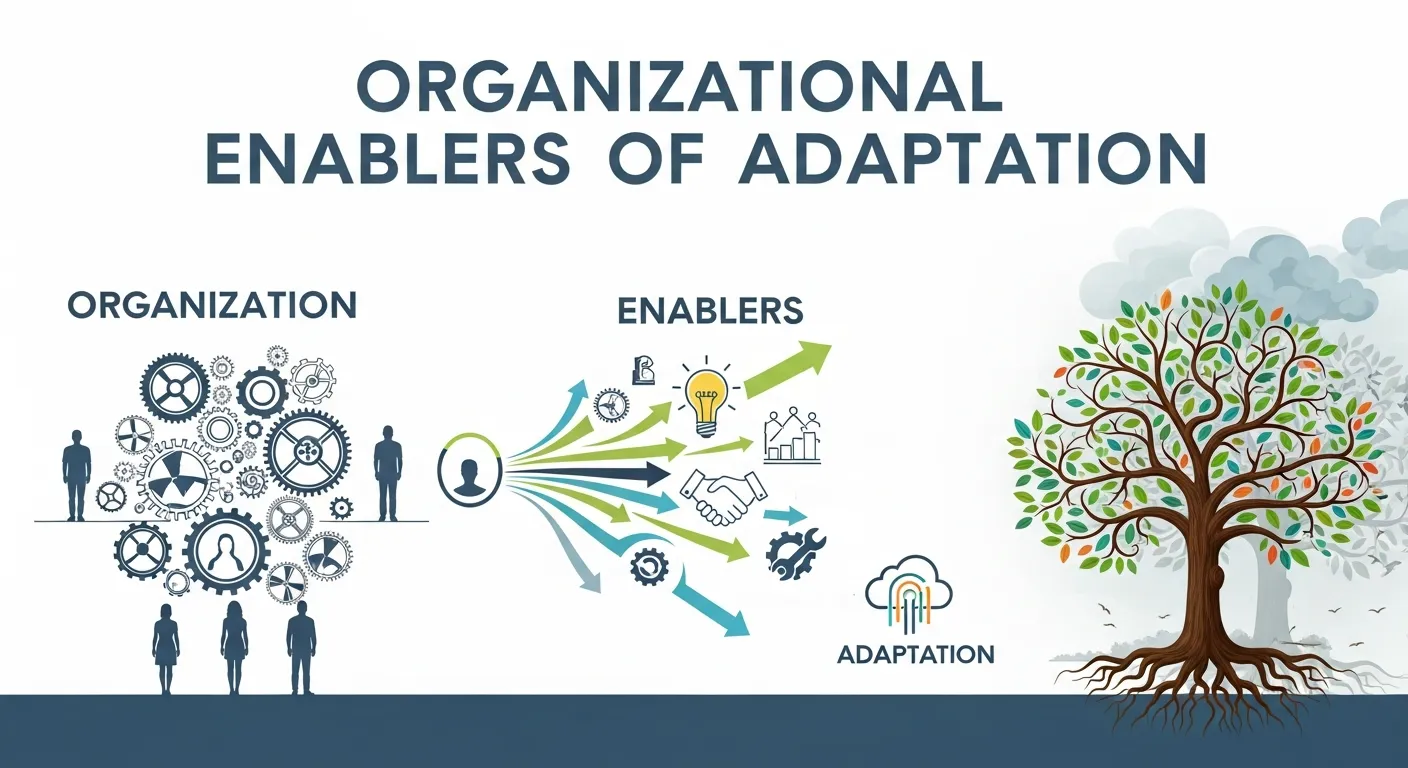
Even with a clear adaptation strategy, many organizations struggle with implementation due to structural and cultural barriers. Several organizational characteristics consistently enable more effective brand adaptation strategies.
Insight Integration
Organizations where market intelligence remains isolated within research or strategy functions adapt less effectively than those where insights flow throughout decision-making processes. Adaptive organizations develop systematic approaches to ensuring external signals influence operational choices rather than remaining theoretical awareness.
Integrating data analytics into daily workflows ensures that everyone from product developers to customer service agents understands the shifting landscape. Tools like Google Analytics and social listening platforms should be accessible, not siloed.
Edge Exploration
Markets often change first at their edges before transformation reaches mainstream segments. Organizations maintaining a deliberate presence in fringe or emerging market segments detect early signals invisible to competitors focused exclusively on core markets. These edge explorations provide adaptation windows that create first-mover advantages during broader market shifts.
This might look like experimenting with NFT marketing or metaverse branding before they become mainstream standards. It is about planting small seeds in fertile, unproven ground.
Comfort with Contradiction
Adaptive brand management requires maintaining seemingly contradictory capacities—preservation alongside evolution, consistency alongside change, scale alongside agility. Organizations with cultures comfortable navigating paradox adapt more successfully than those seeking single-dimension optimization.
This cultural agility allows a brand to be both premium and accessible, or heritage-driven and futuristic. It requires leadership that embraces nuance and rejects binary thinking.
From Adaptation to Anticipation
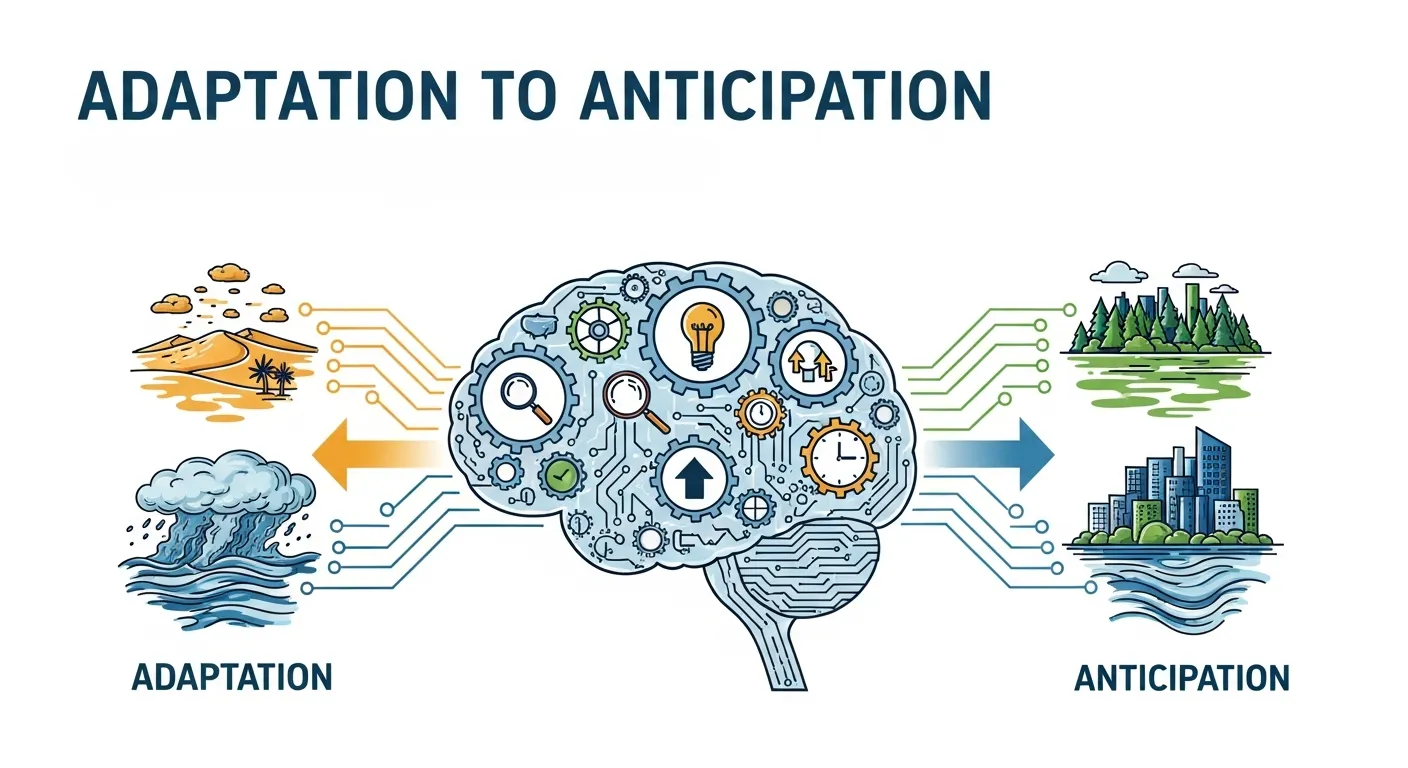
The most sophisticated approach to future-proofing moves beyond reactive adaptation toward anticipatory market shaping. Rather than simply responding to changing conditions, market-shaping organizations actively influence how their categories evolve.
Tesla demonstrates this approach by not merely adapting to automotive industry changes but actively shaping consumer expectations around electrification, direct sales models, and software-defined vehicles. This market-shaping stance creates advantages beyond first-mover benefits by establishing category definitions favorable to the organization’s capabilities.
While not every brand can shape markets at Tesla’s scale, most organizations can identify aspects of their market where proactive influence proves possible. These shaping opportunities typically emerge around emerging customer needs, value system shifts, or technological capabilities where established patterns haven’t solidified.
Leveraging Data for Anticipation
To move to anticipation, brands must harness data-driven insights.
- Predictive Analytics: Use historical data to forecast future trends.
- Social Listening: Identify rising conversations before they peak using tools like Brandwatch or Sprout Social.
- Search Intent Analysis: Use SEMrush or Ahrefs to see what questions people are starting to ask, indicating future needs.
Digital Transformation as an Adaptation Driver
In the modern era, brand adaptation strategies are inextricably linked to digital transformation. The ability to leverage digital tools determines the speed and effectiveness of adaptation.
E-commerce Growth and Mobile Marketing
The shift to digital commerce is not new, but its acceleration is constant. Brands must optimize for mobile marketing and seamless e-commerce experiences. If your checkout process is friction-heavy, you are not adapted to the “zero click” expectation of modern consumers.
AI and Automation
AI marketing is reshaping how brands interact with customers. Chatbots offer 24/7 support, while algorithms curate personalized product recommendations. Adapting to these technologies frees up human resources for creative and strategic tasks, enhancing overall efficiency.
Conclusion
Future-proofing ultimately requires shifting organizational perspective from stability as the default state with change as periodic disruption toward continuous evolution as a normal operating condition. This mindset shift transforms adaptation from crisis response to ongoing capability—something organizations develop systematically rather than deploying reactively.
The organizations that navigate coming market shifts most successfully will likely be those developing these capabilities now, before disruption becomes obvious. They recognize that in increasingly dynamic markets, adaptation capacity itself becomes a competitive advantage rather than merely a crisis response tool.
By developing systematic approaches to detecting change signals, determining appropriate brand adaptation strategies, and building organizational capabilities that enable evolution, brands create resilience without sacrificing their essential character. This balanced approach protects brand equity while ensuring continued relevance regardless of how dramatically markets transform.
Frequently Asked Questions (FAQs)
1. What is the difference between brand adaptation and rebranding?
Brand adaptation is an ongoing, subtle process of evolving your brand to stay relevant (e.g., updating a logo, shifting tone on social media). Rebranding is a significant, often radical change to the brand’s identity, name, or core purpose, usually done when the current brand is failing or the company is pivoting entirely.
2. How do I know when it’s time to adapt my brand strategy?
Key indicators include declining market share, a disconnect with younger audiences, negative customer feedback regarding relevance, or the entry of disruptive competitors. Regularly reviewing your brand equity KPIs can signal when adaptation is needed.
3. Can a heritage brand adapt without losing its loyal customers?
Yes, by using the Core/Flex framework. Preserve the core values and purpose that loyal customers love, while updating the delivery methods, visuals, or product features to attract new audiences. Brand storytelling plays a huge role in bridging the gap between the old and the new.
4. What role does employee culture play in brand adaptation?
It is critical. Employees are the ones who execute the adaptation. If the internal culture resists change, the adaptation will fail. Fostering a culture of learning, agility, and “comfort with contradiction” ensures the team is ready to pivot when necessary.
5. How much budget should be allocated to future-proofing?
While there is no fixed percentage, adaptive companies often allocate 10-20% of their budget to “Edge Exploration”—R&D, testing new channels, or experimenting with new technologies like augmented reality or metaverse marketing.
6. Is digital transformation the same as future-proofing?
Digital transformation is a part of future-proofing, but not the whole picture. Future-proofing also involves cultural shifts, supply chain resilience, and adapting to social value changes (like sustainability). You can be digitally advanced but still fail if your brand values don’t align with society.
7. How does customer feedback inform adaptation strategies?
Customer feedback provides the “why” and “what” for adaptation. Direct surveys, social proof, and reviews highlight pain points and unmet needs. Adapting based on this feedback ensures you are solving real problems, not just chasing trends.
8. What are the risks of adapting too quickly?
Adapting too quickly or chasing every trend can lead to “brand drift,” where customers no longer recognize what you stand for. It can also alienate your existing base. Adaptation should be strategic and data-backed, not impulsive.
9. How does SEO help in future-proofing a brand?
SEO optimization ensures you remain visible as search behaviors change (e.g., the rise of voice search). By creating content around emerging keywords and topics, you position your brand as a forward-thinking authority, attracting traffic from future trends.
10. Can small businesses apply these adaptation strategies?
Absolutely. Small businesses often have an advantage because they are more agile than large corporations. They can pivot faster, engage more deeply with their community building efforts, and implement changes without layers of bureaucracy.
Learn more: Brand Strategy Consulting: A Guide for Marketing Professionals