Brand Archetypes in Practice: From Theory to Marketplace Reality
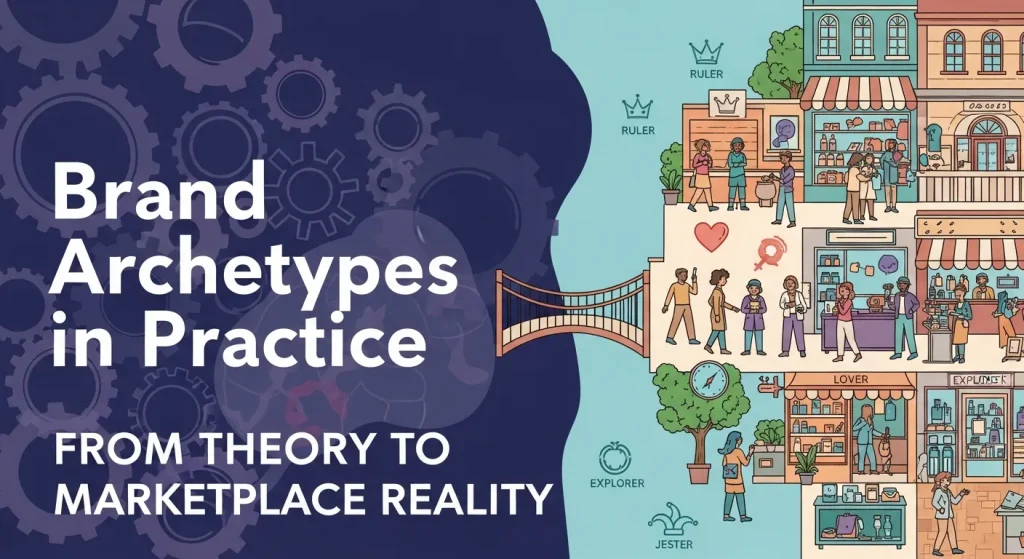
Unlock the secret language of connection. Understanding brand archetypes isn’t just marketing theory; it’s the bridge between a faceless corporation and a beloved, trusted partner in your customer’s life.
This definitive guide moves beyond basic definitions to explore the practical application of brand archetypes in modern business. We dissect implementation frameworks, analyze real-world case studies like Patagonia and Mailchimp, and provide actionable strategies for aligning organizational behavior with brand personality. You will learn to measure success, navigate cultural shifts, and build lasting emotional connections through consistent archetype expression.
What are Brand Archetypes?
At their core, brand archetypes are universal patterns of behavior and personality that reside in the collective unconscious. Coined by psychologist Carl Jung and adapted for business by Margaret Mark and Carol S. Pearson, these archetypes represent fundamental human desires and values. They provide a shortcut to meaning, allowing consumers to instinctively understand what a brand stands for without needing a lengthy explanation.
When we talk about brand personality in marketing, we are essentially discussing which archetype a brand embodies. Is it the Hero, fighting for a cause? The Caregiver, nurturing and protecting? Or the Jester, bringing joy and laughter? Defining this is the first step in effective brand positioning strategy.
The Psychology of Connection
Why do brand archetypes work so effectively? The answer lies in cognitive fluency. The human brain craves patterns. When a brand behaves consistently according to a recognizable archetype, it becomes easier for the brain to process and categorize. This reduces cognitive load and increases the likelihood of brand awareness and recall.
For consumer brand marketing, this is gold. In a crowded marketplace, the brand that feels the most “human” and consistent wins. If a brand claims to be a Rebel (Outlaw) but acts like a Ruler (authoritarian and rigid), the consumer senses a disconnect. This cognitive dissonance erodes trust. Conversely, perfect alignment creates a sense of reliability and authenticity that is essential for building brand consistency.
The 12 Primary Brand Archetypes
To implement brand archetypes effectively, we must first understand the landscape. Here is a brief overview of the 12 primary archetypes commonly used in brand strategy frameworks:
- The Innocent: Seeks happiness and safety (e.g., Dove, Coca-Cola).
- The Explorer: Seeks freedom and discovery (e.g., Jeep, REI, The North Face).
- The Sage: Seeks truth and wisdom (e.g., Google, BBC, TED).
- The Hero: Seeks mastery and courage (e.g., Nike, FedEx).
- The Outlaw: Seeks revolution and liberation (e.g., Harley-Davidson, Virgin).
- The Magician: Seeks transformation and vision (e.g., Disney, Dyson).
- The Regular Guy/Gal: Seeks belonging and connection (e.g., IKEA, Levi’s).
- The Lover: Seeks intimacy and pleasure (e.g., Victoria’s Secret, Godiva).
- The Jester: Seeks enjoyment and humor (e.g., Old Spice, M&M’s).
- The Caregiver: Seeks service and protection (e.g., Johnson & Johnson, Volvo).
- The Creator: Seeks innovation and expression (e.g., Apple, Adobe, LEGO).
- The Ruler: Seeks control and order (e.g., Mercedes-Benz, Rolex).
Each of these brand archetypes offers a distinct roadmap for brand storytelling, visual identity, and customer interaction.
Beyond Theory: The Implementation Framework
Successful application of brand archetypes moves beyond simplistic labeling to nuanced expression across all brand touchpoints. It is not enough to simply say, “We are a Hero brand.” That is merely a label. True implementation requires a systematic approach that permeates the organization.
The initial phase demands brutal honesty about organizational identity. This is where many companies fail; they choose an archetype they want to be, rather than the one they are. A brand audit is often necessary here to uncover the true internal culture.
When REI embraced the Explorer archetype, they didn’t merely adopt superficial adventure imagery—they restructured their entire business model around facilitating authentic outdoor experiences. Their co-op structure, extensive trip offerings, and knowledgeable outfitter approach flow organically from this archetype commitment. This is brand purpose development in action.
Operational Alignment vs. Marketing Tactics
Unlike superficial visual refreshes or a simple rebrand, genuine archetype implementation requires operational alignment. This means the HR department hires differently, the product team designs differently, and customer service speaks differently.
Consider how Trader Joe’s expresses the Jester archetype through unexpected product descriptions, quirky store announcements, and Hawaiian-shirted employees. These elements aren’t merely creative content services or marketing tactics; they reflect a deeper organizational commitment to approaching retail differently. If Trader Joe’s employees were forced to wear stiff suits and recite scripts, the Jester archetype would collapse, and the brand would lose its unique brand positioning.
According to researchers at Stanford’s Graduate School of Business, brands achieving archetype-behavior alignment see consumer trust scores approximately 32% higher than those with disconnected messaging. This alignment creates cognitive coherence that resonates with consumers at subconscious levels, directly impacting brand equity in marketing.
The Three-Layered Implementation Structure
To move brand archetypes from a slide deck into the real world, successful brands operate simultaneously across three connected layers. This brand strategy road map ensures that the personality is not just skin deep.
|
Implementation Layer |
Focus Area |
Example Brands/Applications |
|---|---|---|
|
Foundational |
Defining core identity—brand voice, visual language, and narrative |
Apple’s “Think Different” campaign; luxury brands establishing exclusivity through design and messaging |
|
Middle |
Translating identity into tactical expressions—content strategy, customer experience, campaigns |
Nike’s “Just Do It” storytelling, Sage brands offering webinars, Jester brands with playful social content |
|
Outer |
Adapting to market interaction—crisis management, cultural trends, social listening |
Dove’s evolution to broader beauty narratives; brands responding to cultural moments while upholding core values |
Layer 1: The Foundational Layer
The foundational layer establishes core identity elements—brand voice, visual language, and underlying narrative. This is the “soul” of the brand.
Apple’s manifestation of the Creator archetype begins here. Their fundamental narrative isn’t about computer specs; it is about empowering individual creativity through elegantly designed tools. Their “Think Different” campaign wasn’t just an ad; it was a manifesto of their archetype. This layer requires ruthless commitment to consistency. Every font choice, every piece of packaging, and every executive keynote must align with the Creator’s desire for perfection and innovation.
For a luxury brand marketing strategy, this layer is non-negotiable. The foundation must be built on exclusivity and refinement if the archetype is the Ruler or the Lover.
Layer 2: The Middle Layer
The middle layer translates foundational elements into tactical expressions—content strategy, customer experience design, and campaign development. This is where brand archetypes meet the customer.
Nike’s Hero archetype shines here. It isn’t just about the “Just Do It” slogan (Foundational). It is about the apps that track your running stats, the commercials featuring athletes overcoming injury, and the community challenges that push athletic boundaries. This is emotional marketing at its finest—storytelling that celebrates ordinary people overcoming extraordinary obstacles.
In this layer, brand marketing strategy becomes tangible. If you are a Sage brand, your middle layer consists of white papers, detailed webinar guides, and educational content. If you are a Jester, your middle layer is TikTok challenges, memes, and playful social media management.
Layer 3: The Outer Layer
The outer layer addresses marketplace interaction—how the brand responds to cultural shifts while maintaining archetype integrity. This is dynamic and reactive. It involves brand crisis management, social listening, and adaptation.
Dove’s successful evolution of the Caregiver archetype demonstrates this balance. They expanded from simple nurturing messages about skin care (functional caregiving) to broader conversations about beauty standards and self-esteem (societal caregiving). They maintained their fundamental protection-oriented identity while adapting to the “Real Beauty” cultural conversation.
This layer is crucial for brand resilience strategies. Brands that are rigid in their archetype expression risk becoming irrelevant. Brands that are fluid in the outer layer while anchored in the foundational layer survive and thrive.
Case Studies: Archetypes in Action
Abstract frameworks gain clarity through concrete application. Let’s explore how successful companies utilize brand archetypes to dominate their markets.
Patagonia: The Caregiver-Explorer Hybrid
Patagonia demonstrates a nuanced approach to archetype expression by blending primary Explorer traits with secondary Caregiver elements. In the world of integrated marketing, pure archetypes are rare; most sophisticated brands are a blend.
Their Explorer foundation manifests through products engineered for extreme environments and marketing that celebrates wilderness immersion. This appeals to the customer’s desire for adventure. However, their Caregiver dimension appears in their environmental activism, repair programs (Worn Wear), and transparency initiatives.
This hybrid approach creates distinctive positioning between pure adventure brands (who might ignore the environment) and pure sustainability charities (who don’t sell cool gear). By intertwining these brand archetypes, Patagonia speaks authentically to consumers seeking both personal adventure and environmental responsibility.
Their implementation process began with founder Yvon Chouinard’s personal ethos, gradually extending through product development, operational choices, and finally, explicit marketing messages. This inside-out development sequence established authenticity that resonated deeply with their target audience, creating immense brand loyalty.
Mailchimp: The Unexpected Jester
In the traditionally staid B2B digital marketing strategies space, Mailchimp’s commitment to the Jester archetype transformed commodity email services into a beloved brand.
Their implementation began with small expressions—Freddie, the cartoon monkey mascot, and playful interface language—but progressively extended to their entire customer experience. When you send a campaign, the monkey’s hand sweats as it hovers over the button. It acknowledges the stress of marketing with humor.
Their approach worked because it addressed a genuine customer pain point: marketing technology anxiety. By making these tools approachable through humor, Mailchimp differentiated themselves while solving a real emotional need. According to Marketing Week, this archetype-driven approach helped them achieve 140% growth during a five-year period when competitors averaged 17%.
The implementation sequence proves instructive: they began with subtle expressions (visual identity, interface language), gradually expanded to more visible elements (advertising campaigns, brand voice strategy), and finally incorporated structural expressions. This proves that brand archetypes are powerful tools even for software companies.
Harley-Davidson: The Outlaw’s Evolution
Few brands demonstrate archetype commitment more clearly than Harley-Davidson’s embodiment of the Outlaw. Their expression goes beyond superficial rebellion imagery to encompass every business aspect—from product acoustics engineered for distinctive rumbling (a form of sonic branding) to community-building strategies that foster brotherhood among riders.
What makes their implementation particularly instructive is their successful navigation of changing cultural contexts. As traditional outlaw expressions became problematic in some markets (or as their core demographic aged out of “rebellion”), Harley evolved toward liberation-focused messaging while maintaining their archetype essence. They shifted from “breaking the law” to “breaking free from the cage of daily life.”
This demonstrates how thoughtful archetype implementation accommodates cultural shifts without abandoning core identity. It is a lesson in brand adaptation strategies. Their approach demonstrates the importance of sensory archetype expression—the distinctive sound of their engines, the tactile experience of their products, and the immersive nature of their events all reinforce their archetype through non-verbal channels.
Implementation Challenges and Solutions
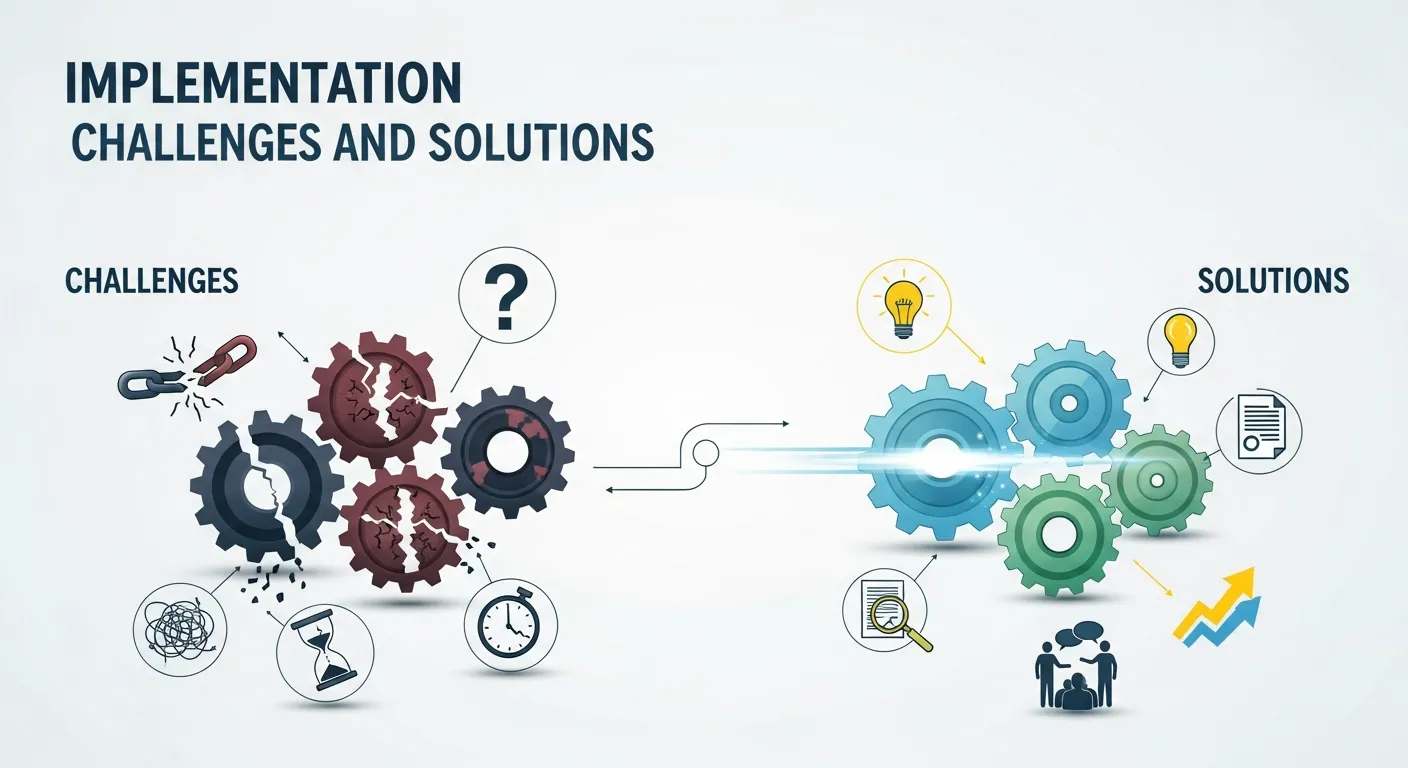
Even with clear brand strategy frameworks, archetype implementation faces common obstacles. Knowing the pitfalls is key to brand longevity challenges.
Challenge 1: Cross-Functional Misalignment
Many organizations struggle with cross-functional alignment. Marketing teams may embrace an archetype while product development, customer service, or operations continue previous practices.
- Scenario: A company adopts the Caregiver archetype. Marketing promises “We treat you like family.” However, the Finance department uses aggressive, automated debt collection agencies. The archetype breaks.
- Solution: Successful implementation requires executive-level commitment to archetype expression across all departments. Consider creating cross-functional “archetype guardians” or a brand alignment committee who evaluate decisions through this lens. This ensures brand safety in digital marketing and physical operations alike.
Challenge 2: The Stereotype Trap
Another common challenge involves maintaining consistency while avoiding stereotype or caricature. A Jester brand can become annoying; a Hero brand can become arrogant; a Sage brand can become boring and pedantic.
- Scenario: Nike’s Hero archetype could easily become one-dimensional through endless “winning” narratives that alienate people who just want to jog for health.
- Solution: Explore diverse dimensions of the archetype. Nike celebrates persistence alongside victory, and acknowledges struggle as part of heroism. They show the messy, ugly side of trying. To avoid stereotypes, brands need deep customer journey mapping to understand the nuance of their audience’s relationship with the archetype.
Challenge 3: Legacy Brand Transition
Legacy brands face particular difficulties when transitioning to more deliberate archetype expression. A 100-year-old bank cannot suddenly become a Jester overnight without confusing its customers.
- Solution: Gradual implementation works best. Begin with subtle shifts in brand voice before addressing more visible elements. Old Spice’s transformation from traditional Ruler/History to playful Jester illustrates this approach. They didn’t change the product immediately; they changed the conversation. Their initial subtle voice changes eventually expanded to comprehensive repositioning and rebranding case studies that are now legendary.
Measuring Archetype Implementation Success
Effective implementation requires clear success metrics beyond traditional brand awareness measures. You cannot manage what you do not measure.
Archetype Congruence Testing
This involves evaluating how consistently consumers identify your intended archetype across touchpoints. Through structured interviews, surveys, and association testing, you can measure whether your expression creates coherent psychological patterns.
- Method: Show consumers your logo or an ad without the brand name. Ask them to select personality adjectives (e.g., daring, caring, funny, authoritative). If their selection matches your intended archetype’s traits, you have high congruence. If they pick random traits, your brand perception in marketing is muddy.
Emotional Resonance Measurement
This tracks whether your archetype evokes intended emotional responses. This goes beyond simple sentiment analysis (positive/negative) to evaluate specific emotional patterns associated with your chosen archetype.
- Method: Using advanced brand monitoring services and sentiment analysis tools, look for specific emotional keywords. A Hero brand should evoke feelings of “empowerment” and “motivation.” A Magician brand should evoke “wonder” and “awe.” If a Caregiver brand is evoking “excitement,” there might be a misalignment.
Behavioral Alignment Analysis
This examines whether consumer behavior reflects archetype-appropriate responses. Brands embodying the Sage archetype, for instance, should measure information-seeking behaviors, content engagement depth, and perception changes following interaction.
- Method: Analyze website behavior. Are users reading your long-form brand storytelling content (Sage)? Are they joining your community forum (Regular Guy)? Are they sharing your memes (Jester)? High engagement in archetype-specific behaviors indicates successful implementation and contributes to strong brand equity KPIs.
The Path Forward: Strategic Recommendations
Successful archetype implementation requires organizational patience and commitment. Cultural psychologist Joseph Campbell noted that archetypes gain power through consistent repetition across contexts. Similarly, brand archetypes require consistent expression across all touchpoints to achieve their full psychological impact.
1. The Brand Audit
Begin by auditing current brand expressions against your intended archetype. Identify misalignments across customer experiences. Use competitive brand analysis to see which archetypes your competitors are occupying. If everyone in your niche is a Sage, perhaps there is an opening for an Outlaw or a Jester to disrupt the market.
2. The Implementation Roadmap
Develop implementation roadmaps that address foundational elements first. Do not start with the Super Bowl ad. Start with the employee handbook. Start with the customer service script. Gradually extend to more visible expressions like media buying services and influencer marketing services.
3. Governance and Guardianship
Finally, establish ongoing governance processes to maintain archetype integrity through changing market conditions and organizational changes. As new CMOs come and go, the archetype should remain the North Star. This protects against brand cannibalization and dilution.
When implemented thoughtfully, brand archetypes transform abstract positioning statements into living psychological realities that resonate with audiences at instinctual levels. This resonance creates the emotional attachment that distinguishes truly successful brands from their forgettable competitors.
For further reading on this topic, exploring resources like “Value-Based Brand Positioning: Aligning with Customer Core Beliefs” or utilizing tools from SEMrush and Ahrefs can provide deeper data insights into how personality impacts search behavior and brand performance.
Frequently Asked Questions (FAQs)
1. Can a brand have more than one archetype?
Yes, most successful modern brands use a primary archetype (about 70% of the personality) and a secondary archetype (about 30%). For example, Apple is primarily a Creator but has secondary traits of the Magician. This mixture creates a more nuanced, human-like brand personality in marketing. However, having more than two can lead to a confused message.
2. How do I choose the right archetype for my business?
You must align three things: your internal culture (who you really are), your customer’s desires (what they need emotionally), and the competitive landscape (what archetypes are already taken). A brand audit and brand positioning strategy workshop are usually required to triangulate the perfect fit.
3. Are brand archetypes relevant for B2B companies?
Absolutely. While B2B is often seen as “rational,” decision-makers are still humans driven by emotion. IBM (Ruler/Sage) and Mailchimp (Jester) are proof that archetypes work in B2B. They help differentiate a company in a sea of identical feature lists and SaaS development services.
4. What if my current brand archetype isn’t working?
If your archetype isn’t resonating, it might be the wrong fit for your audience, or the execution might be flawed. Conduct brand perception in marketing research. If customers see you as arrogant when you’re trying to be a Hero, you need to pivot your tone or perhaps shift to a Regular Guy archetype to build relatability.
5. Can a brand change its archetype over time?
Yes, brands can evolve, but it requires a careful rebranding case study approach. Old Spice moved from Ruler to Jester. It’s risky and requires a total overhaul of brand voice, visuals, and strategy. It is usually done when a brand is in decline and needs a radical refresh to survive brand longevity challenges.
6. How do archetypes impact SEO?
Brand archetypes influence the keywords you target and the content you create. A Sage brand targets informational keywords (“how to,” “guide”). A Hero brand might target motivational keywords. This consistency signals relevance to search engines and improves engagement metrics (time on site), which are key for SEO services.
7. What is the difference between brand personality and brand archetype?
The archetype is the category or framework (e.g., The Hero). The personality is the specific expression of that archetype (e.g., A gritty, urban Hero vs. a polished, futuristic Hero). The archetype provides the structure; the personality provides the flavor.
8. How do I use archetypes in visual design?
Each archetype has associated color palettes and font styles.
- Innocent: Pastels, soft curves, simple fonts.
- Outlaw: Black, red, bold/gritty typography.
- Sage: Earth tones, clean lines, serif fonts.
Designers use these cues to signal the archetype subconsciously, an essential part of web design & development.
9. Can a small business use brand archetypes effectively?
Yes, small businesses often benefit more because they are closer to their customers. A local coffee shop acting as the Caregiver (knowing your name, asking about your day) can build stronger loyalty than a massive chain. It defines your personal reputation management and local standing.
10. Do different cultures interpret archetypes differently?
Yes. While archetypes are universal, their expression varies. A “Hero” in the US might be an individualist (the lone cowboy). A “Hero” in Japan might be collectivist (the team player). Global brands must adapt their brand adaptation strategies to ensure the archetype translates culturally without losing its core meaning.