Branding and Marketing Mix How They Work Together for Business Success

Branding defines who your business is, while marketing uses that identity to communicate with your audience. Branding builds your personality, values, and promise. Marketing uses strategy, promotion, and messaging to reach customers. Both are different, but they work best when they support each other.
A strong brand gives your marketing direction. A clear marketing mix brings your brand to life. When these two elements work in harmony, businesses create trust, loyalty, and long-term growth.
In this guide, you will learn how branding and marketing connect, why both are important, and how combining them can improve visibility, customer experience, and business success. You will also understand the role of brand identity, marketing strategy, consistency, and customer perception in building a powerful presence in the market.
Whether you’re growing a startup or improving an established business, a unified branding and marketing mix will help you attract the right customers, stand out from competitors, and boost your overall performance.
What Is Branding?
Branding is how your business defines who it is. It is the soul of your company, shaped by your values, mission, voice, and visuals. Branding includes your logo, colors, style, and tone — everything that builds recognition and sets you apart from other businesses.
A strong brand communicates your purpose, identity, personality, and promise to your ideal customers. It helps people understand what you stand for and why they should trust you. Branding also builds emotional connection, brand authority, and brand loyalty, which are essential for long-term success.
For example, Nike’s branding focuses on inspiration, motivation, confidence, and high performance. Their slogan “Just Do It” and bold visuals express a clear brand message and a consistent brand story.
Effective branding shapes how customers feel, remember, and engage with your business. It creates a solid foundation for visibility, customer experience, and the overall brand identity that supports your marketing strategy.
What Is the Marketing Mix?
The marketing mix is a strategic framework that guides how a business promotes its products or services. It helps you choose the right tactics to reach customers, increase demand, and support your overall marketing strategy. The classic model includes the 4 Ps of marketing:
-
Product: The goods or services you offer to solve customer needs.
-
Price: The cost customers pay and how your pricing reflects value, competition, and market demand.
-
Place (Location): The channels or platforms where your product is available, such as stores, websites, or marketplaces.
-
Promotion: The tools and activities used to communicate with your audience, including advertising, content marketing, social media, and sales promotions.
Modern approaches sometimes expand the model to the 7 Ps of marketing, especially for service-based businesses. These include the original four plus three additional elements:
-
Product – What you offer to meet customer needs.
-
Price – What customers pay and how that pricing reflects value.
-
Place – Where and how your product or service is distributed.
-
Promotion – All the activities used to communicate with your audience.
-
People – The employees and individuals who shape the customer experience.
-
Process – The systems, workflows, and steps that ensure smooth service delivery.
-
Physical Evidence – Tangible cues that build trust, such as packaging, branding, store layout, website quality, or any visual proof of your offer.
All seven elements work together to build a strong marketing strategy, increase customer engagement, and deliver your brand message consistently. This structure, originally adapted from Jerome McCarthy’s Four Ps, remains a cornerstone of modern marketing planning, customer experience, and long-term business growth.
The Relationship Between Branding and Marketing Mix
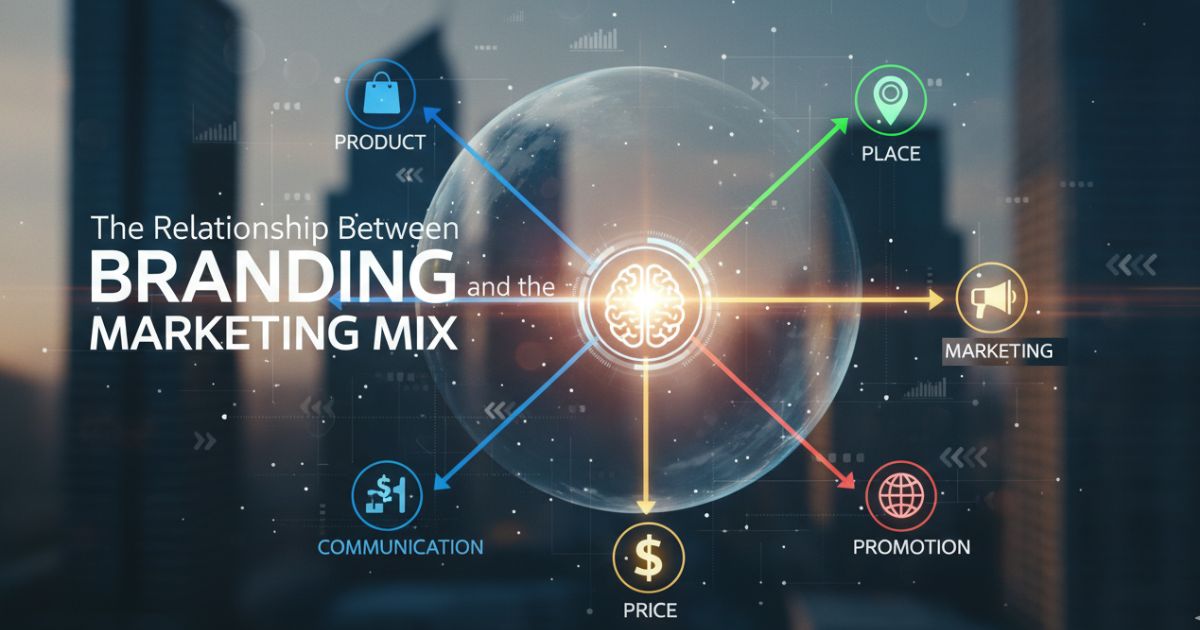
Now that you understand what branding and marketing are, it becomes clearer how powerful they become when they work together. Branding gives your business its identity, while the marketing mix uses that identity to reach the right audience. When both are aligned, your business gains stronger visibility, trust, and long-term growth.
Branding Drives Marketing Efficiency
Marketing without branding is like speaking without a voice. Your brand identity directly guides every part of your marketing mix. It shapes how your products look, how you price them, where you sell them, and how you promote them.
-
Your Product reflects your brand’s quality, purpose, and values.
-
Your Price communicates the value and positioning of your brand.
-
Your Place (distribution) should match your brand experience—easy, responsive, and consistent.
-
Your Promotion uses your brand’s tone, color palette, visuals, and messaging to deliver a cohesive customer experience.
A strong example is Apple. Its clean, premium, minimalist branding flows through every marketing activity they do. From product design to ad campaigns, the brand identity drives the entire marketing strategy. This consistency helps Apple stand out globally and build deep brand loyalty.
Marketing Breathes Life Into Your Brand
Branding creates your identity, but marketing brings it to the world. Marketing communicates who you are, what you offer, and why customers should care.
-
Every social media post reflects your brand voice and personality.
-
Online and offline ads strengthen your visual identity and brand recall.
-
Email campaigns deliver your brand promise and nurture relationships.
Another example is Coca-Cola. The Coca-Cola brand focuses on happiness, connection, and togetherness. Their marketing reinforces this message through emotional ads, global campaigns, festive themes, and positive storytelling. Here, marketing amplifies the brand’s core values.
The Cycle of Impact
When branding and marketing work together, they create a powerful cycle that supports both business growth and customer engagement:
-
Branding defines who you are.
-
Marketing communicates that identity to your audience.
-
Customer responses and feedback help you adjust and strengthen your brand.
-
A stronger brand leads to more effective and consistent marketing over time.
Businesses that integrate branding with the marketing mix can achieve better visibility, stronger customer loyalty, and higher revenue. A unified approach improves brand positioning, builds trust, and creates a smooth, memorable customer experience.
Creating an Integrated Brand-Marketing Ecosystem
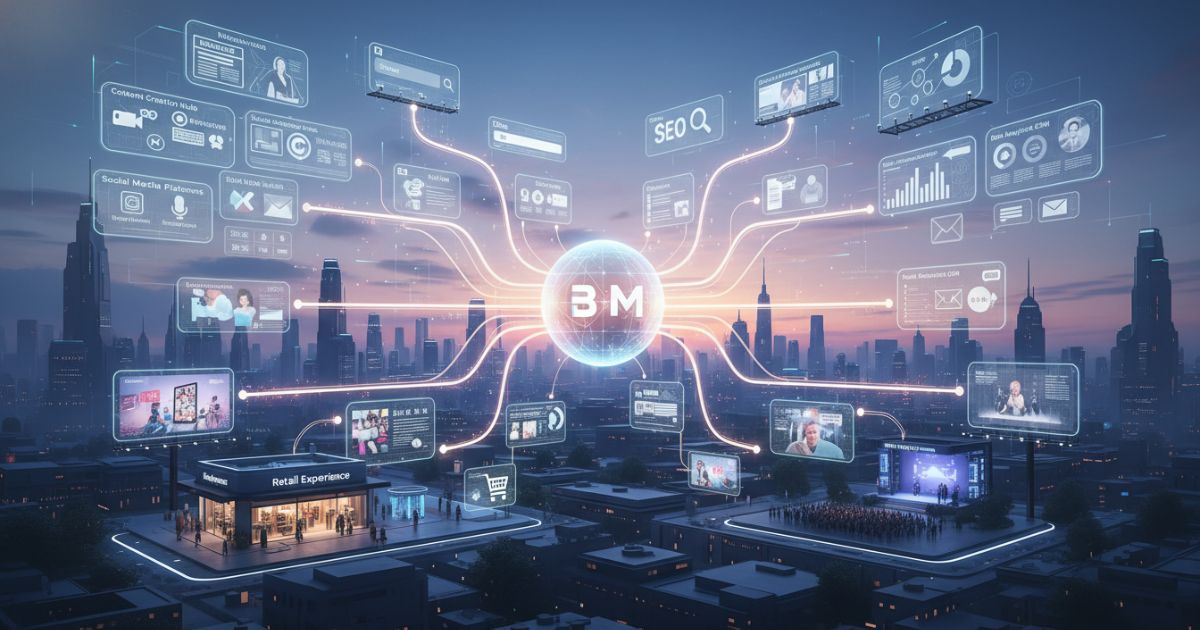
To build a strong and consistent business presence, marketing and branding must work together. An integrated ecosystem helps you stay clear, organized, and consistent across every platform. Here are practical ways to combine both in a smooth and effective way.
Begin With a Strong Brand Strategy
Before you launch any marketing campaign, you need a clear brand foundation. Your brand strategy acts as your roadmap. It answers essential questions that guide your marketing decisions:
-
Who is my target audience?
-
What problem does my product or service solve?
-
What values and beliefs define my business?
-
How should my brand look, sound, and communicate?
A clear brand strategy builds strong brand positioning, brand identity, and direction for your marketing efforts.
Maintain a Unified Visual Image and Message
Brand consistency is key. Your logo, colors, fonts, tagline, and design style should remain uniform across all marketing channels. The same applies to your brand voice — whether you speak formally, casually, or humorously.
Consistent visuals and messaging strengthen brand recall, improve trust, and create a cohesive customer experience across digital and offline touchpoints.
Understand Your Customers to Shape Your Brand and Marketing
Customer insight plays a major role in both branding and marketing. Learn what your audience likes, dislikes, needs, and values. Shape your brand identity to match their expectations while staying true to your mission.
Your marketing campaigns should speak directly to customer pain points, goals, and motivations — but always remain aligned with your brand promise and personality.
Leverage the Marketing Mix to Magnify Brand Values
The marketing mix (4 Ps or 7 Ps) is a powerful tool for strengthening your brand image:
-
Product: Make sure your product reflects your brand promise and quality.
-
Price: Use pricing to signal value — premium, mid-range, or affordable — based on your brand positioning.
-
Place: Select distribution channels that highlight your reach and accessibility.
-
Promotion: Create ads and content that reflect your brand personality, tone, and message.
For service-based businesses, the added Ps — People, Process, and Physical Evidence — help reinforce the overall brand experience.
Measure and Adapt
To ensure your branding and marketing stay aligned, track your performance. Measure metrics such as:
-
Website traffic
-
Engagement and social shares
-
Conversion rates
-
Customer feedback
-
Sales performance
These results show how effectively your marketing communicates your brand identity. Adjust your messaging, visuals, or campaign strategies based on these insights. Over time, this approach strengthens your brand consistency and ensures measurable success.
The Importance of Branding and Marketing Working Together
When branding and marketing operate in sync, businesses enjoy stronger performance and long-term success. An integrated approach creates clarity, consistency, and trust — all essential for growth. Here are the key benefits:
Loyal Customers
A clear and consistent brand makes it easier for people to trust your business. When your marketing reflects the same values and personality, customers feel more connected and return again and again. This builds customer loyalty, emotional connection, and long-term relationships.
Better ROI
Brand-aligned marketing is more effective. When your message, visuals, tone, and positioning stay consistent, your campaigns become more targeted and meaningful. This increases sales, improves conversion rates, and delivers a stronger return on investment (ROI).
Market Differentiation
A strong brand identity helps you stand out in busy and competitive markets. When branding and marketing work together, your company becomes more recognizable, memorable, and unique. This boosts brand positioning, visibility, and competitive advantage.
Scalability
A solid brand foundation makes marketing easier as your business grows. It reduces confusion, speeds up decision-making, and gives your marketing team clear direction. This allows you to scale your campaigns confidently and supports long-term business expansion, market growth, and future opportunities.
Take the Next Step Today
Once you truly understand how branding and marketing work together, you gain a fresh perspective on how to grow your business with more clarity and confidence. When both elements come together in a powerful and consistent way, they do more than increase sales — they create emotional connection, build trust, and strengthen long-term relationships with your audience.
If you’re ready to refine your brand or elevate your marketing strategy, now is the perfect time to begin. Explore our helpful resources or connect with our team of experts. We can help you develop a clear, scalable, and results-driven strategy that supports your brand identity, improves customer experience, and drives sustainable business growth.
Take the next step toward a stronger, more unified brand–marketing ecosystem today.
FAQs
1. What is the main difference between branding and marketing?
Branding defines who your business is — your personality, values, promise, and identity. Marketing is how you communicate that identity to your audience using strategies, promotions, and channels. Branding shapes the message, while marketing delivers it.
2. Why is it important to align branding with the marketing mix?
When branding and the marketing mix work together, your message becomes consistent across every touchpoint. This improves customer trust, strengthens brand recognition, and makes your marketing more effective, leading to better results and long-term growth.
3. How do the 7Ps of marketing support my brand?
Each P — Product, Price, Place, Promotion, People, Process, and Physical Evidence — helps bring your brand identity to life. They ensure your product quality, pricing, customer interactions, and marketing materials all match your brand values and positioning.
4. Can strong branding improve my marketing ROI?
Yes. A strong, consistent brand makes marketing more targeted and meaningful. When customers clearly understand who you are, your campaigns become more effective, leading to higher conversions, better engagement, and improved return on investment.
5. How can small businesses integrate branding and marketing effectively?
Start with a clear brand strategy, keep visuals and messaging consistent, understand your audience, use the 4Ps or 7Ps to guide decisions, and track performance regularly. Even small steps — like consistent colors, tone, and content — can build strong brand identity and boost marketing results.