Internal Branding: Turning Employees into Your Most Powerful Brand Ambassadors
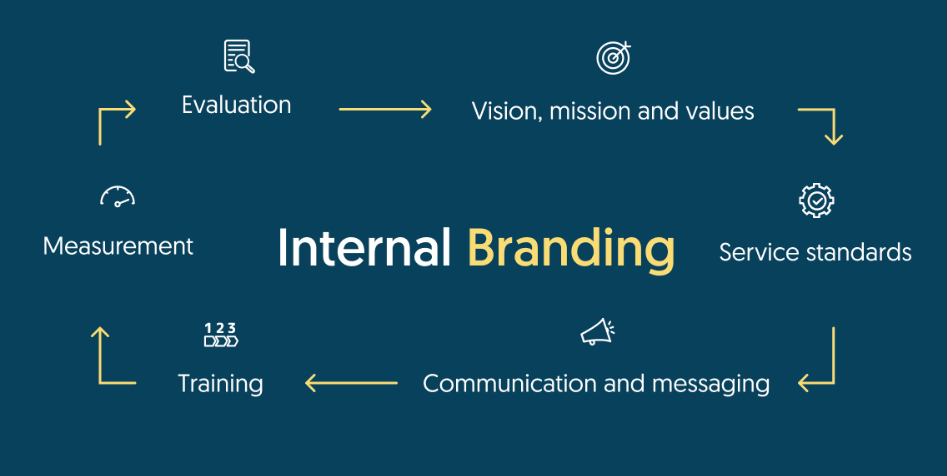
Internal branding shapes how employees think, feel, and act about a company. When done well, it turns teams into authentic brand ambassadors who deliver on brand promises daily.
Internal branding connects purpose, culture, and behavior. Through emotional connection, storytelling, leadership alignment, and supportive systems, organizations build engaged employees who naturally reinforce brand values, strengthen customer experiences, and sustain long-term brand success—even during times of crisis.
The Hidden Brand-Building Opportunity
The numbers tell a compelling story. According to research from Gallup, companies with highly engaged employees outperform their competitors by 147% in earnings per share. When employees deeply understand and connect with their company’s brand purpose, they deliver experiences that naturally reinforce brand promises rather than contradicting them.
Consider this reality: your employees collectively have larger social networks and more authentic relationships with potential customers than your corporate accounts ever will. When they genuinely believe in what your organization stands for, they become walking embodiments of your brand values—not because they’re instructed to, but because those values resonate with them personally.
As we’ve written about extensively on Brands Dad, brands that thrive in today’s transparent marketplace recognize that there’s no meaningful separation between internal culture and external perception. The two inevitably bleed into each other.
Beyond Superficial Brand Awareness
Many internal branding efforts fail because they stop at superficial awareness. Distributing brand guidelines, hanging values posters, or conducting occasional brand training sessions barely scratches the surface of true internal brand building.
Transformative internal branding must go deeper, addressing three critical dimensions:
Intellectual Understanding
Employees need more than slogans—they need context. They should understand not just what your brand stands for, but why those values matter, how they differentiate the organization in the marketplace, and how specific roles connect to delivering on brand promises.
Patagonia exemplifies this approach. Their employees don’t just know the company values environmental sustainability; they understand the specific environmental threats their business model addresses, how their supply chain decisions impact those issues, and how their individual roles contribute to the company’s mission of “saving our home planet.”
This depth of understanding enables employees to make brand-aligned decisions independently rather than simply following prescribed scripts.
Emotional Connection
Intellectual understanding alone rarely drives advocacy. Employees must feel an emotional connection to the brand’s purpose—a sense that their work contributes to something meaningful that aligns with their personal values.
Southwest Airlines cultivates this emotional connection by celebrating employee stories that exemplify their purpose of connecting people to what’s important in their lives. Regular storytelling rituals share instances where employees went above and beyond to help customers in meaningful ways. These narratives create emotional anchors that help employees see themselves as part of something larger than a transportation company.
Behavioral Enablement
Even when employees understand and feel connected to the brand, operational realities can prevent them from embodying it. Systems, processes, and policies must align with brand values, giving employees both permission and resources to deliver authentic brand experiences.
Zappos doesn’t just tell customer service representatives to deliver “wow” experiences—they provide the operational freedom to do so. With no call time limits and the authority to send thoughtful gifts to customers, employees have the tools to translate brand values into memorable actions.
Strategic Approaches to Internal Brand Building
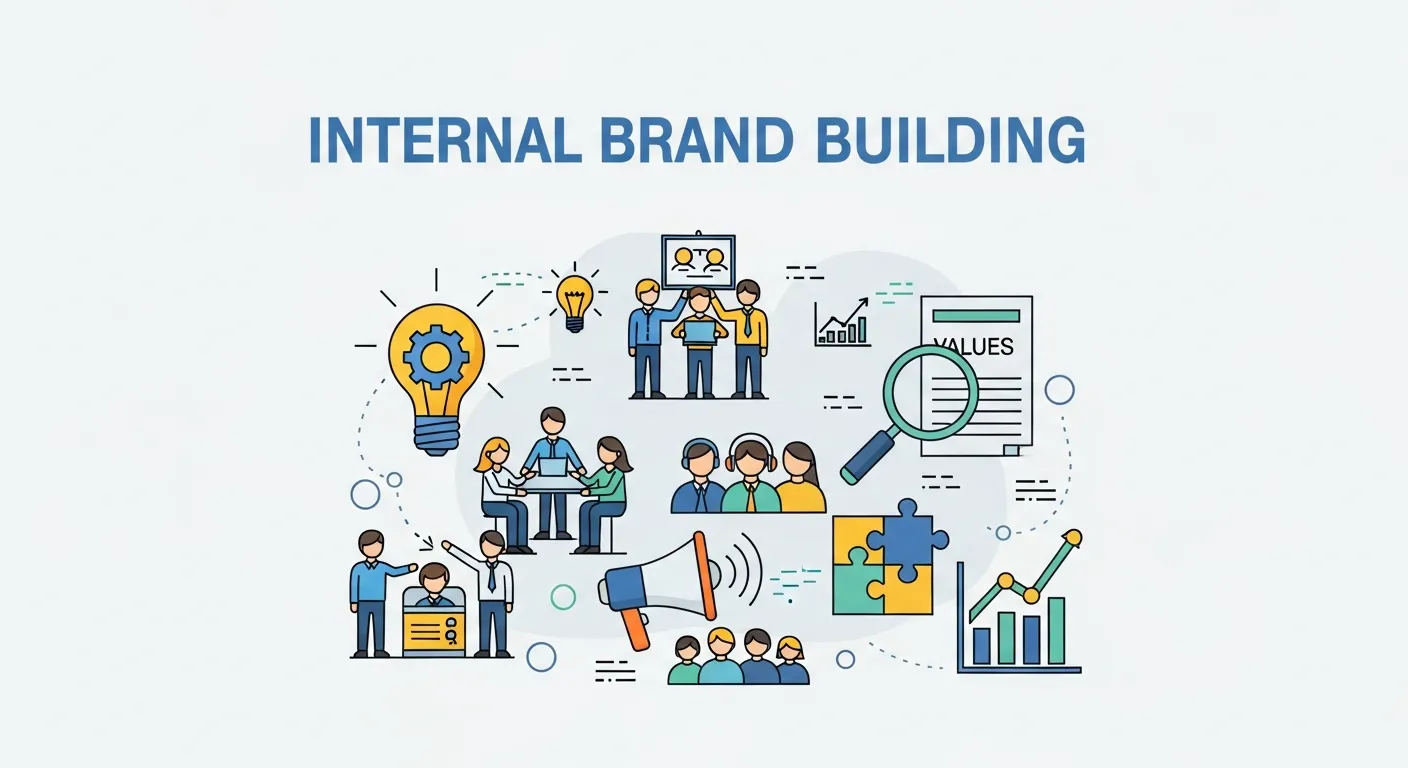
Organizations that excel at internal branding approach it as strategically as they would any external marketing campaign. Their efforts include:
Brand Purpose Translation
Effective internal branding translates lofty purpose statements into concrete, role-specific meanings. It answers the critical question: “What does our purpose mean for my daily work?”
Hotel chain Ritz-Carlton masterfully connects their brand credo—”Ladies and gentlemen serving ladies and gentlemen”—to specific behavioral standards for every role. Housekeepers don’t just clean rooms; they create comfort and dignity for guests. Maintenance staff don’t just fix problems; they uphold the integrity of a refined environment. This translation makes abstract values tangible in everyday work.
Multi-Sensory Brand Immersion
The most memorable internal branding efforts engage employees through multiple senses and experiences rather than relying solely on verbal or written communication.
When Microsoft refreshed their brand under CEO Satya Nadella, they created immersive experiences that helped employees physically interact with the company’s evolving mission. Campus renovations incorporated design elements reflecting the brand’s transformation. Leadership meetings featured activities that metaphorically represented the shift from “know-it-all” to “learn-it-all” culture. These tangible experiences made abstract cultural shifts concrete.
Authentic Leadership Embodiment
Employees inevitably look to leaders for signals about which values truly matter versus which are merely for public consumption. When leadership behavior contradicts stated brand values, even the most elaborate internal branding efforts collapse.
Outdoor retailer REI demonstrates coherence between leadership behavior and brand values. When they launched their renowned #OptOutside campaign, closing stores on Black Friday, executives and board members participated alongside employees in outdoor activities. This alignment between words and actions cemented employee belief in the authenticity of the company’s purpose.
Measurement Beyond Engagement Surveys
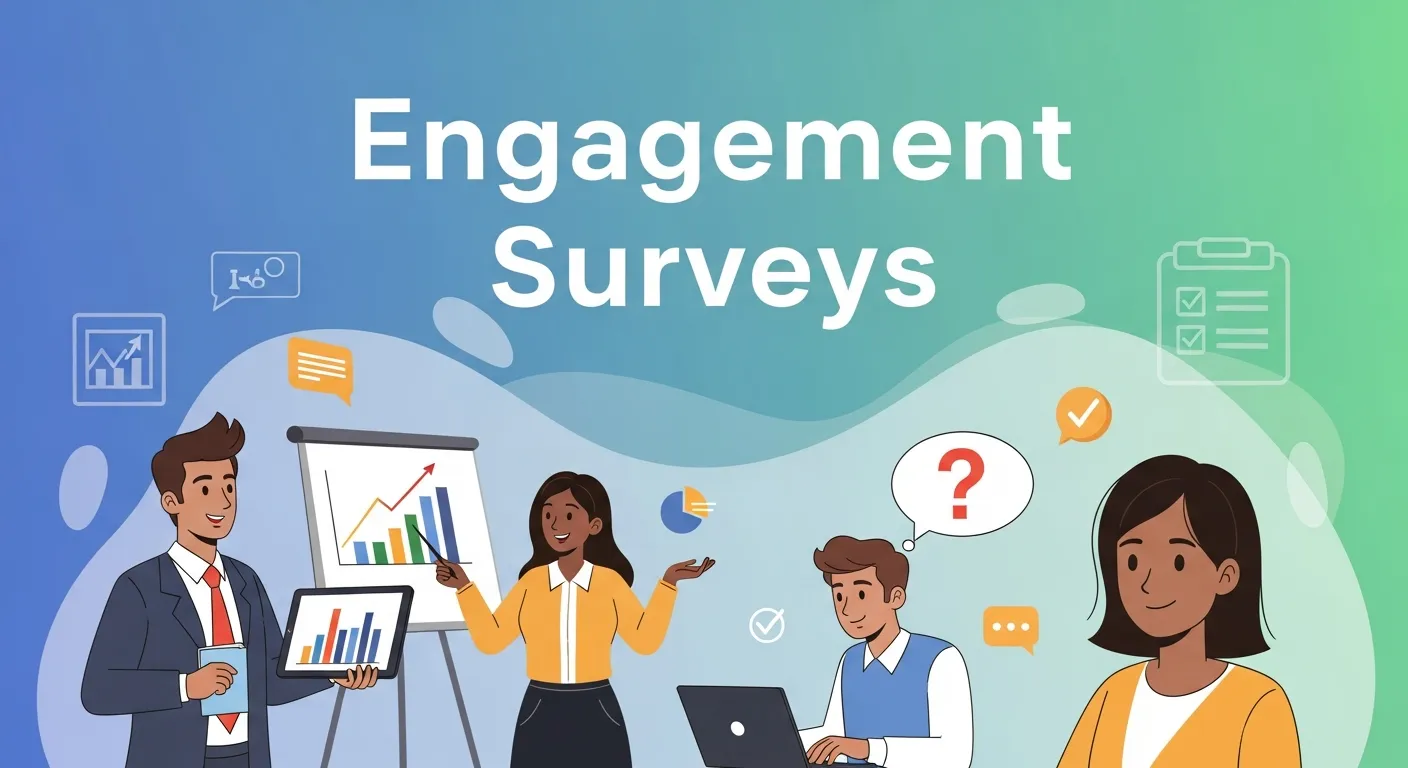
While traditional employee engagement surveys provide some insight into internal branding effectiveness, leading organizations employ more sophisticated measurement approaches:
Brand Behavior Assessment
Rather than simply asking whether employees understand brand values, effective measurement examines how consistently they demonstrate brand-aligned behaviors in realistic scenarios.
Some organizations use mystery shopping techniques internally, presenting employees with situations that test their brand understanding through decisions rather than words. Others incorporate brand alignment into performance reviews, evaluating how employees translate values into action.
External Brand Perception Tracking
The ultimate measure of internal branding success appears in how customers experience the brand through employee interactions. Regular tracking of customer feedback specifically related to employee touchpoints reveals whether internal efforts successfully translate to external experiences.
Brand Advocacy Metrics
Digital tools now allow organizations to measure how actively employees advocate for the brand through social media, employee referral programs, and community involvement. These metrics provide tangible evidence of whether employees have moved beyond compliance to genuine advocacy.
Creating a Brand Ambassador Culture Through Internal Branding
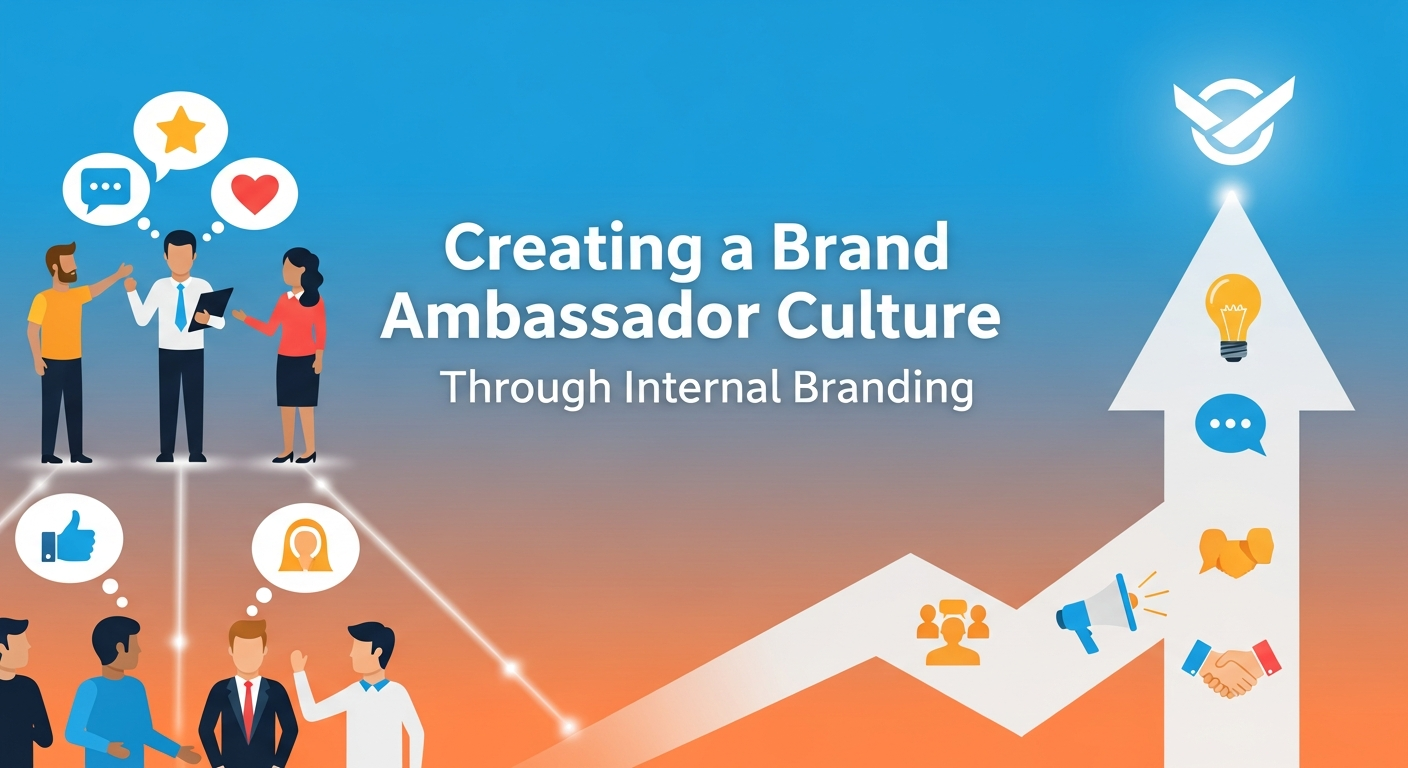
Sustainable internal branding goes beyond programs and campaigns to create cultural systems that naturally cultivate brand ambassadors. These systems include:
Talent Alignment
The foundation of authentic brand advocacy begins with hiring people whose personal values naturally align with organizational values. Southwest Airlines famously hires for attitude first, recognizing that technical skills can be taught but value alignment comes from within.
Onboarding Immersion
First impressions matter as much for employees as they do for customers. Forward-thinking organizations design onboarding experiences that immerse new hires in brand purpose from day one, establishing culture as a priority equal to operational training.
Airbnb sends every new employee on a trip as a guest, ensuring they personally experience the company’s purpose of “belonging anywhere” before they begin contributing to it. This firsthand experience creates deeper understanding than any orientation presentation could achieve.
Ongoing Narrative Building
Stories shape culture more powerfully than policies. Organizations with strong ambassador cultures deliberately collect and share narratives that reinforce brand values in action, creating folklore that guides future behavior.
Mayo Clinic preserves and shares stories of exceptional patient care dating back to the organization’s founding. These narratives create a sense of heritage and responsibility that shapes how current staff view their roles within the institution’s larger story.
Recognition Systems
What gets recognized gets repeated. When recognition systems explicitly celebrate brand-aligned behaviors, they reinforce the connection between values and daily actions.
Nordstrom’s customer service legacy persists partly because they systematically share stories of employees who deliver exceptional service—often through considerable personal initiative. These recognition practices signal what the organization truly values beyond financial metrics.
Strengthening Culture With Internal Branding
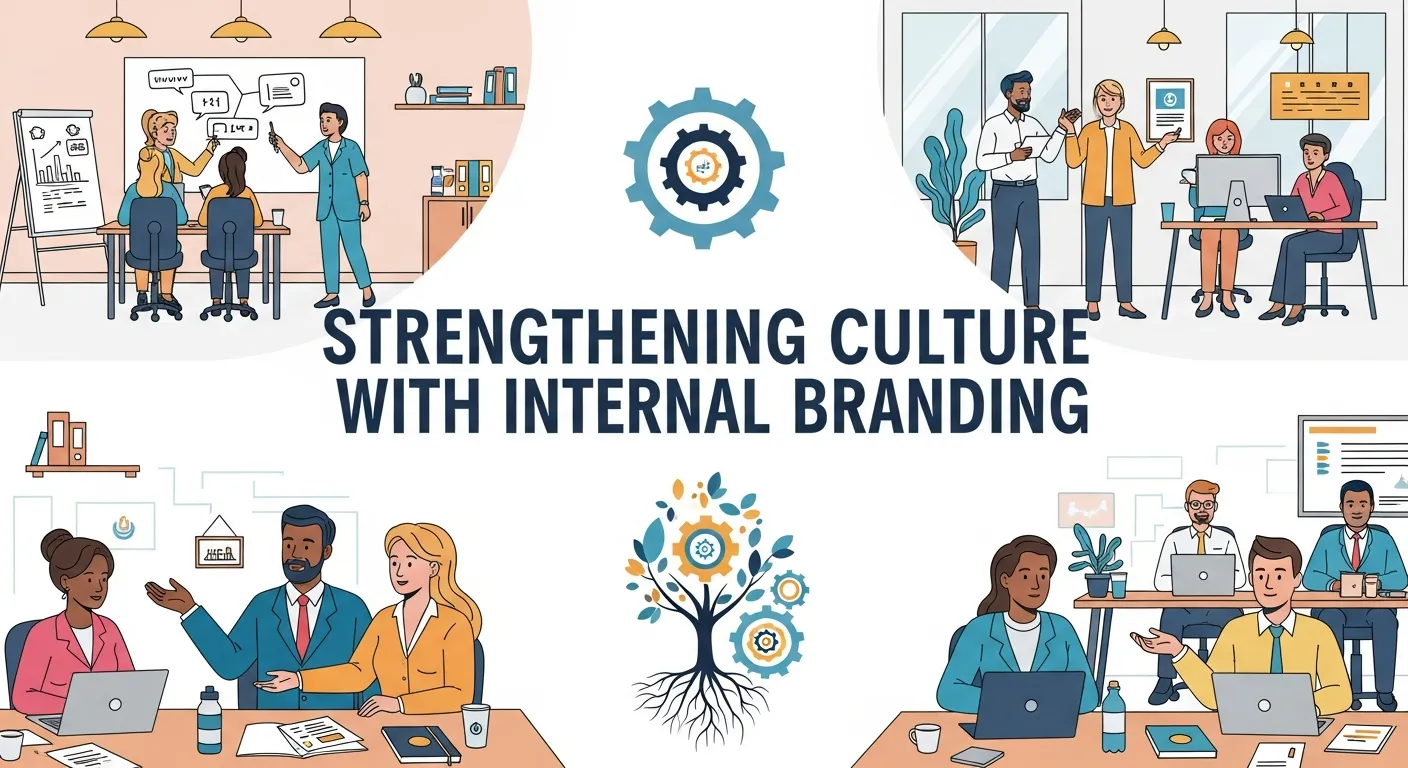
Effective Internal Branding connects employees emotionally to the organization’s mission, turning everyday actions into moments of brand storytelling. When teams understand how their roles support brand purpose development and brand alignment, they naturally contribute to trust-building, stronger customer perception, and long-term loyalty—making culture a key driver of business performance.
Key Practices That Support Brand Ambassador Cultures
-
Embed values into hiring through customer-centric brand development principles
-
Design onboarding around brand rituals and immersive experiences
-
Use storytelling to support cultural branding and emotional connection
-
Align rewards with brand equity KPI tracking
-
Encourage leadership to model successful branding strategy behaviors
-
Reinforce trust establishment through transparent internal communication
How Culture Systems Support Internal Branding
| Cultural System | Purpose | Branding Impact |
|---|---|---|
| Talent Alignment | Hire for shared values | Stronger brand alignment |
| Onboarding Immersion | Teach purpose early | Faster cultural adoption |
| Narrative Building | Share real brand stories | Supports brand storytelling |
| Recognition Systems | Reward brand-driven actions | Improves brand equity KPI outcomes |
| Leadership Modeling | Show values in action | Builds trust establishment |