Neuroscience-Driven Branding: Harnessing Brain Science for Unforgettable Connections
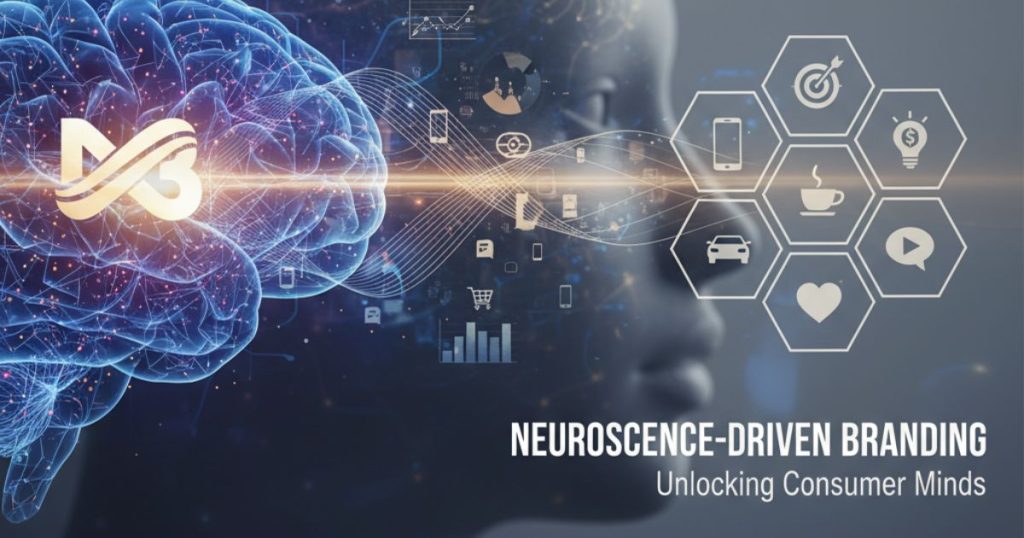
Why do we choose certain brands without thinking? The answer lies in our brain’s wiring. Neuroscience-driven branding decodes these subconscious triggers to build truly unforgettable connections.
This guide explores the fascinating world of neuroscience-driven branding, showing how marketers can leverage brain science to influence customer perception and behavior. We’ll examine key neuromarketing techniques, from emotional branding to sensory branding, providing a roadmap for creating brands that resonate on a biological level.
What is Neuroscience-Driven Branding?
Neuroscience-driven branding is a cutting-edge approach that applies the principles of cognitive neuroscience to marketing and brand strategy. It moves beyond traditional market research, which relies on what consumers say, and instead focuses on what their brains do. By using tools like fMRI (functional Magnetic Resonance Imaging), EEG (Electroencephalography), and eye-tracking, this discipline measures subconscious physiological and neural signals to understand true consumer motivations, preferences, and decision-making processes.
At its core, neuroscience-driven branding recognizes a fundamental truth: most human decisions are not rational. They are driven by emotion, instinct, and mental shortcuts (heuristics) that occur in the limbic system, the “feeling” part of our brain. While we use our prefrontal cortex to rationalize our choices, the initial impulse often comes from a much deeper, more primal place.
A successful strategy in neuroscience-driven branding doesn’t just create a logo or a catchy slogan; it architects an entire brand experience designed to trigger specific neural responses. This involves everything from the psychology of color in branding to the tactile sensation of packaging. It’s a scientific method for building brand equity in marketing by forging memory structures that make a brand not just recognizable, but indispensable.
The Three Brains: A Marketer’s Guide to the Human Mind
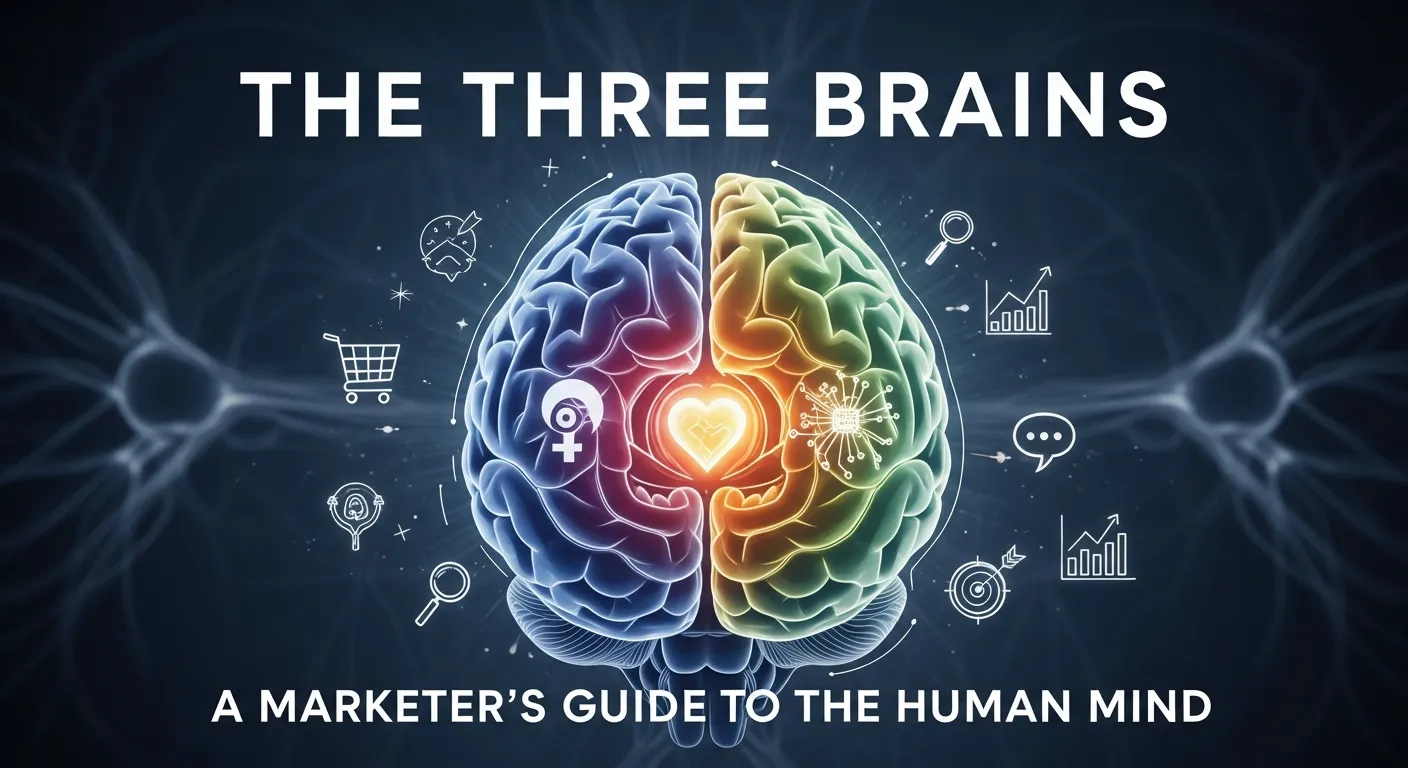
To implement neuroscience-driven branding, it’s helpful to understand a simplified model of the brain, often broken down into three parts:
- The New Brain (Neocortex): This is the rational, analytical brain. It processes logic, language, and data. Traditional marketing, with its feature lists and price comparisons, speaks to this brain.
- The Mid Brain (Limbic System): This is the emotional brain. It processes feelings, social connections, and value judgments. It’s the source of gut feelings and the driver of emotional branding.
- The Old Brain (Reptilian Brain): This is the instinctual brain, focused on survival, safety, and reproduction. It is visual, self-centered, and responds to high contrast and tangible inputs. The old brain is the ultimate decision-maker.
Effective neuroscience-driven branding aims to bypass the analytical new brain and speak directly to the emotional and instinctual brains. When a brand message resonates with the old brain’s survival instincts, it gets prioritized, remembered, and acted upon.
Core Pillars of Neuroscience-Driven Branding
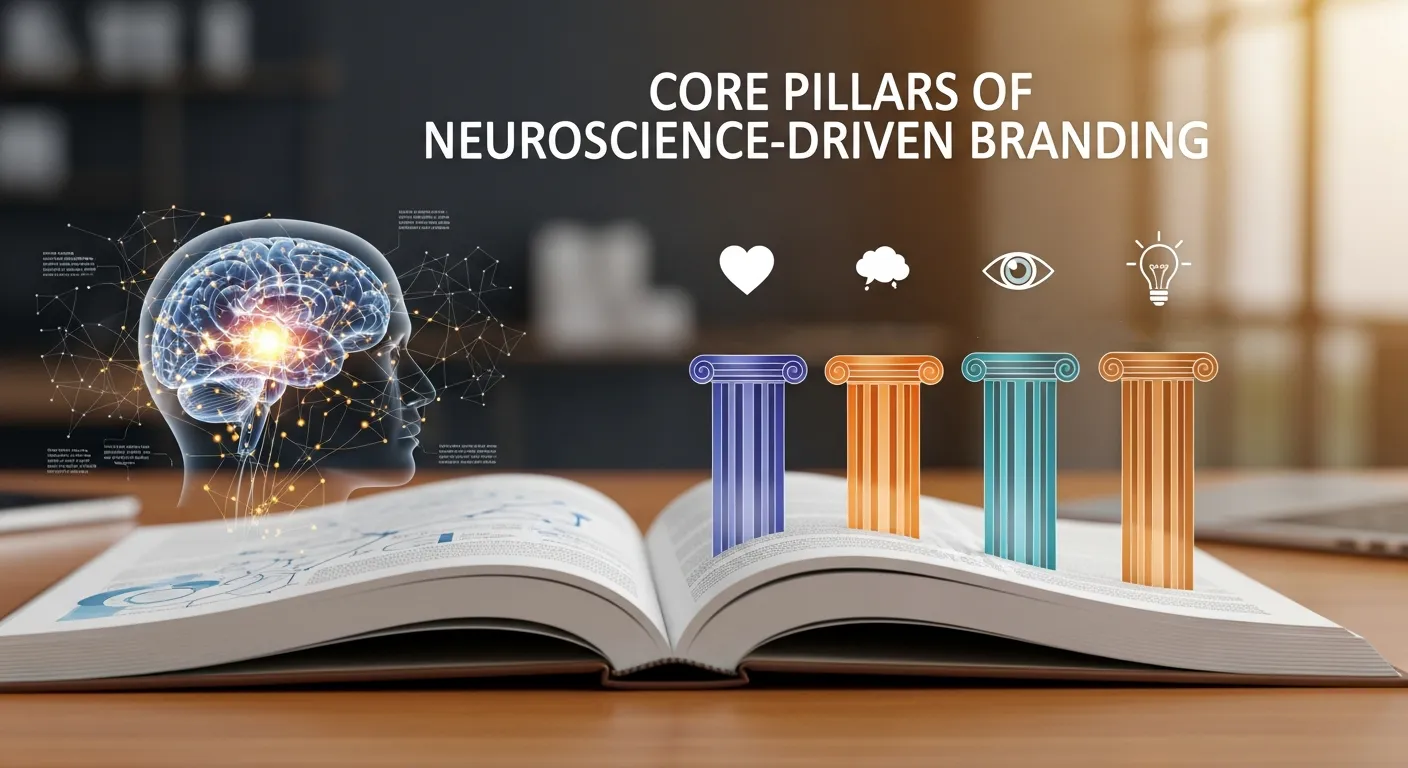
Harnessing brain science for your brand isn’t about a single tactic; it’s about integrating several core principles into your overall strategy.
1. Emotional Branding: Speaking to the Heart
Emotions are the superglue of memory. The neuroscience of brand loyalty proves that emotional connections are far stickier than rational arguments.
- How it Works: The amygdala, the brain’s emotional processing center, tags experiences with emotional significance. A highly emotional event—positive or negative—is more likely to be encoded into long-term memory by the hippocampus.
- Application: Mastering brand storytelling is the primary vehicle for emotional branding. Narratives that feature struggle, triumph, and relatable characters trigger empathy and release oxytocin, the “bonding hormone.” Nike’s campaigns rarely talk about shoe technology; they tell stories of athletes overcoming adversity, creating a powerful emotional link to the feeling of determination.
2. Sensory Branding: Engaging All Five Senses
Our senses are the gateways to the brain. A multisensory branding experience creates more neural pathways, making the brand more memorable.
- How it Works: Each sense has a unique pathway to the brain. Smell is particularly powerful, as the olfactory bulb is directly connected to the limbic system. This is why a scent can instantly trigger a vivid memory.
- Application:
-
- Sonic Branding: The Intel “bong” or the Netflix “ta-dum” are audio logos that create instant recognition.
- Olfactory Branding: Singapore Airlines diffuses a signature scent in its cabins to create a consistent atmosphere of luxury.
- Tactile Branding: Apple’s obsession with the weight and texture of its packaging is a key part of its premium neuroscience-driven branding strategy.
3. Cognitive Biases and Heuristics: The Brain’s Shortcuts
The brain is lazy. It uses mental shortcuts, or cognitive biases, to make decisions quickly without expending too much energy. Neuroscience-driven branding leverages these predictable patterns.
- Social Proof: We are wired to follow the herd. Highlighting testimonials, reviews, and user counts triggers this bias.
- Scarcity: Limited-time offers or “only 3 left in stock” messages trigger a fear of missing out (FOMO), which is a powerful motivator rooted in the old brain’s survival instincts.
- Anchoring: The first piece of information we receive heavily influences subsequent judgments. Showing a higher “original” price next to a sale price anchors the customer’s perception of value.
4. The Science of Brand Memory: Building Mental Availability
A brand that isn’t remembered cannot be bought. Neuroscience-driven branding focuses on creating strong memory structures through consistency and repetition.
- How it Works: “Neurons that fire together, wire together.” Every time a consumer is exposed to a brand’s distinctive assets (logo, colors, slogan), the neural network associated with that brand is strengthened.
- Application: Brand consistency is paramount. Drastically changing your logo or brand colors can destroy years of built-up memory structures. The goal is to create “fluent” assets that the brain can process with minimal effort, leading to a feeling of familiarity and trust.
Key Neuromarketing Techniques for Your Brand
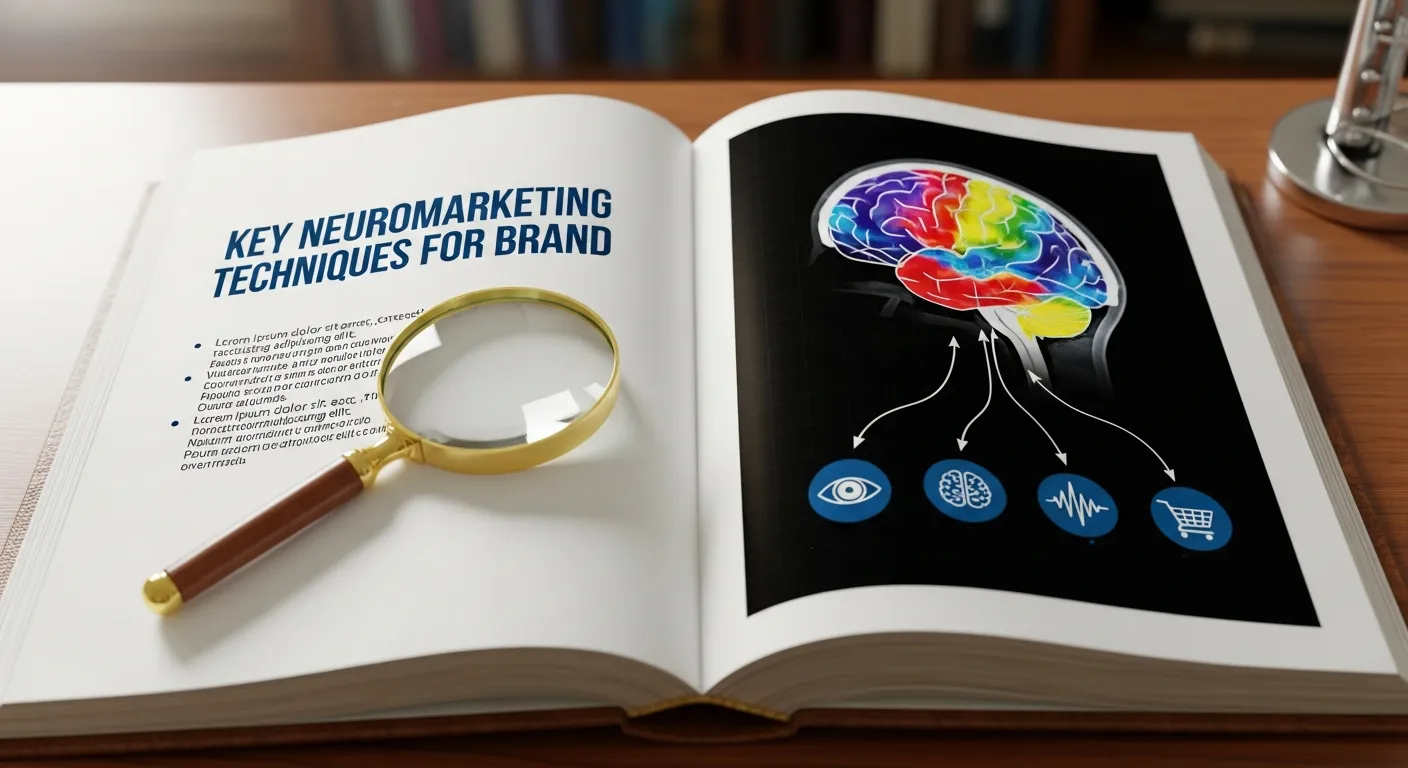
So how do you move from theory to practice? Here are actionable neuromarketing techniques to integrate into your strategy.
1. Using fMRI and EEG to Test Creatives
While expensive, these tools provide unparalleled insight.
- fMRI (Functional Magnetic Resonance Imaging): Measures brain activity by detecting changes in blood flow. It can pinpoint which parts of the brain are activated by an ad, revealing emotional engagement or cognitive load.
- EEG (Electroencephalography): Measures electrical activity in the brain via electrodes placed on the scalp. It is excellent for tracking moment-to-moment engagement, attention, and emotional valence as a consumer watches a video.
2. Eye-Tracking for Visual Optimization
What do customers actually look at on your website or packaging? Eye-tracking reveals their visual path.
Application: Use heatmaps to ensure your most important message or call-to-action is in your audience’s line of sight. This data is invaluable for designing high-converting landing pages and effective packaging.
3. Facial Coding to Measure Emotional Response
Facial coding software uses webcams to analyze micro-expressions, providing a real-time read of emotional reactions like joy, surprise, anger, or confusion. This is a scalable way to test how your brand storytelling is landing emotionally.
4. The Psychology of Color in Branding
Colors are not just decorative; they are data. Neuroscience-driven branding uses color to evoke specific feelings and guide behavior.
- Red: Evokes energy, passion, and urgency. Often used for clearance sales or in fast-food to stimulate appetite.
- Blue: Conveys trust, security, and calm. Favored by banks and tech companies.
- Green: Associated with nature, health, and wealth. Used by organic food brands and financial institutions.
Linking Neuromarketing Concepts to Branding Tactics
|
Neuromarketing Concept |
Brain Region Involved |
Branding Tactic & Example |
|---|---|---|
|
Emotional Resonance |
Limbic System (Amygdala) |
Emotional Branding: Dove’s “Real Beauty” campaign, which tells stories of self-esteem. |
|
Sensory Association |
Olfactory Bulb, Auditory Cortex |
Sensory Branding: The signature “new car smell” used by auto manufacturers. |
|
Cognitive Fluency |
Visual Cortex |
Brand Consistency: Coca-Cola’s consistent use of the color red and script font. |
|
Loss Aversion |
Amygdala, Striatum |
Scarcity Marketing: Booking.com’s “Only 2 rooms left!” messages. |
|
Dopamine Reward System |
Nucleus Accumbens |
Gamified Branding: Starbucks’ rewards app, where users earn stars for purchases. |
|
Mirror Neurons |
Premotor Cortex |
Influencer Marketing: Showing a relatable influencer enjoying a product so viewers vicariously feel the same pleasure. |
The Ethics of Neuroscience-Driven Branding
The power to influence subconscious behavior comes with significant ethical responsibility. A neuroscience-driven branding strategy must navigate the fine line between persuasion and manipulation.
- Transparency: Brands should be honest about their intentions. Using neuromarketing techniques to trick consumers into buying something they don’t need or that is harmful is unethical.
- Vulnerable Audiences: Extra care must be taken when marketing to children or other vulnerable populations whose cognitive defenses are lower.
- Enhancement vs. Exploitation: The goal of neuroscience-driven branding should be to create genuinely better, more intuitive, and more enjoyable customer experiences—not to exploit cognitive biases for short-term gain. Ethical branding builds long-term brand trust, which is the ultimate goal.
The Future of Neuroscience-Driven Branding
This field is rapidly evolving, with new technologies creating exciting possibilities.
AI-Powered Neuromarketing
AI-powered brand analysis can now process vast datasets from EEG and facial coding to identify patterns that a human analyst might miss. AI brand storytelling tools could one day generate narratives optimized to evoke specific emotional responses in different audience segments.
Neuroscience in the Metaverse
As we move into virtual worlds, mastering metaverse branding will require a deep understanding of how the brain processes immersive experiences. Neuroscience-driven branding will be used to design virtual spaces that are not just visually impressive but also emotionally engaging and cognitively intuitive. Augmented reality branding will overlay digital information onto the real world in a way that minimizes cognitive load.
Hyper-Personalization
The ultimate frontier of neuroscience-driven branding is personalization at the biological level. In the distant future, wearable biosensors could allow brands to adapt experiences in real-time based on a user’s mood, heart rate, or stress level, creating a truly symbiotic brand-consumer relationship.
Conclusion
Neuroscience-driven branding represents a paradigm shift in marketing. It moves us from guesswork to science, from broadcasting messages to creating biologically resonant experiences. By understanding how the brain processes emotion, memory, and decisions, you can build a brand that doesn’t just capture attention but captures hearts. The brands that win the future will be those that stop selling products and start creating unforgettable connections, using brain science as their guide. This is the new frontier of building brands that last.
Frequently Asked Questions (FAQs)
1. Is neuroscience-driven branding the same as neuromarketing?
They are closely related. Neuromarketing is the broader field of using neuroscience tools to study consumer behavior for any marketing purpose (e.g., ad testing, pricing). Neuroscience-driven branding is the specific application of those insights to build a long-term brand strategy.
2. Is this approach too expensive for small businesses?
While tools like fMRI are expensive, the principles are not. Small businesses can apply neuroscience-driven branding by leveraging known cognitive biases (like social proof), focusing on emotional storytelling, and maintaining rigorous brand consistency.
3. What is the most important part of the brain for marketers to understand?
The “old brain” or reptilian brain. It is the ultimate decision-maker, driven by primal instincts for survival, safety, and reward. If your message doesn’t appeal to the old brain, it will likely be ignored.
4. How can I use neuroscience to improve my website’s UX?
Use high-contrast visuals to guide attention to your call-to-action. Simplify choices to avoid “analysis paralysis.” Use eye-tracking principles (even without the hardware) by placing key information where the eye naturally falls (top-left).
5. Does neuroscience prove that logic doesn’t matter in marketing?
No. Logic is still important, but it plays a supporting role. The emotional brain makes the initial decision to buy, and the rational brain then looks for logical reasons to justify that decision. You must provide both.
6. What are “mirror neurons” and why are they important for branding?
Mirror neurons are brain cells that fire both when we perform an action and when we see someone else perform that same action. They are the basis of empathy. In branding, showing someone having a positive experience with your product causes the viewer’s mirror neurons to fire, allowing them to feel that positive emotion vicariously.
7. Can you use neuroscience in B2B branding?
Absolutely. B2B buyers are still human. They are motivated by the same desires to reduce risk (safety), gain status (reward), and make their job easier (efficiency). Neuroscience-driven branding is highly effective in B2B contexts.
8. How does brand consistency help from a neuroscience perspective?
Consistency builds cognitive fluency. When the brain encounters something familiar, it can process it easily and quickly. This ease of processing creates a subconscious feeling of trust and positivity toward the brand.
9. Is subliminal messaging a part of neuroscience-driven branding?
No. Subliminal messaging (presenting stimuli below the threshold of conscious perception) has been largely debunked as ineffective and is ethically questionable. Neuroscience-driven branding focuses on influencing subconscious processes, but through stimuli that are consciously perceptible.
10. How can I learn more about this topic?
Start with foundational books like “Thinking, Fast and Slow” by Daniel Kahneman and “Buyology” by Martin Lindstrom. These provide an excellent introduction to the cognitive biases and brain processes that drive consumer behavior.