Personalized Nostalgia & Future-Glimpse Brand Journeys
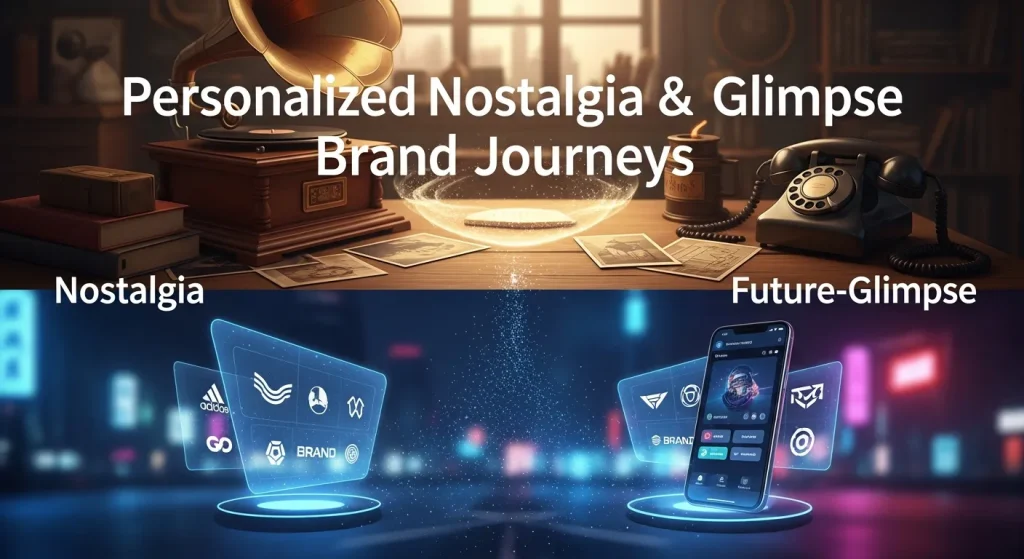
Brands are using personalized nostalgia to build emotional connections. This strategy blends cherished memories with forward-looking elements to create deeply engaging and memorable customer journeys.
This article explores personalized nostalgia in branding, from its psychological roots to its future applications. We’ll cover how to blend past and present, manage risks, and use technology to create compelling brand stories.
The Psychology of Personalized Nostalgia
Nostalgia is a powerful, bittersweet emotion—a sentimental longing for a past that we often idealize. It’s not just a simple memory; it’s a deeply emotional experience that connects us to our identity. This phenomenon is often described by psychologists as “rosy retrospection,” a cognitive bias that makes us recall past events more fondly than they may have actually been. When we think back to our childhood, we remember the joy of a favorite toy or the taste of a specific candy, and our brains tend to filter out the less pleasant details. This selective memory process is the engine behind the power of nostalgia.
The key to modern marketing success lies in transforming this general feeling into personalized nostalgia. This isn’t about a universal longing for a bygone decade; it’s about triggering specific, individual memories that resonate on a deeply personal level. A brand that can evoke the feeling of your first concert, the scent of your grandmother’s kitchen, or the excitement of unboxing your first video game console creates an emotional bond that transcends typical advertising. Personalized nostalgia taps into the intersection of memory and identity, making a consumer feel seen and understood.
From a neuroscientific standpoint, experiencing nostalgia activates the brain’s reward centers, releasing dopamine and oxytocin. These are the same neurochemicals associated with pleasure, social bonding, and trust. This chemical reaction explains why feelings of warmth, comfort, and belonging surface when we’re reminded of positive past experiences. This emotional response has a direct commercial impact. Studies have shown that when consumers feel nostalgic, their willingness to spend money increases. They are not just buying a product; they are purchasing a feeling, a piece of comfort, or a connection to a happier time. This makes personalized nostalgia an incredibly potent tool for building brand loyalty and driving purchase decisions.
The effectiveness of personalized nostalgia also stems from its ability to provide a sense of continuity and stability in a world that often feels chaotic and uncertain. Consumers gravitate towards brands that feel reliable and authentic. By referencing shared cultural moments or personal milestones, brands can position themselves as a familiar and trustworthy presence in a consumer’s life. This emotional branding strategy bypasses logical decision-making and speaks directly to the heart, forging connections that are both enduring and profitable. This is the core of what makes personalized nostalgia a cornerstone of modern brand strategy.
Why Nostalgia Works in Branding
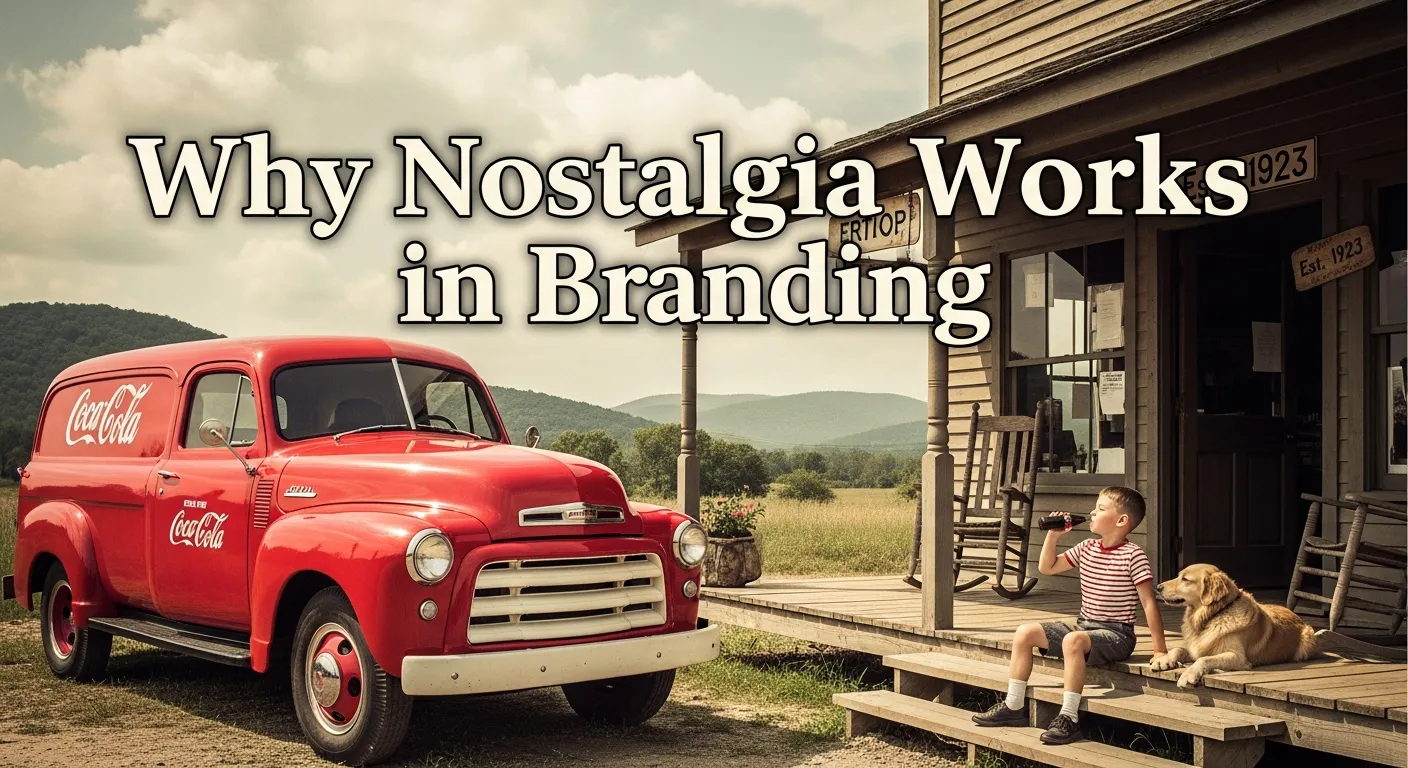
Harnessing the past has become a go-to strategy for marketers, and for good reason. Nostalgia in branding isn’t just a fleeting trend; it’s a reliable method for forging deep, emotional connections with consumers. The strategy’s success can be attributed to several core psychological and social factors that influence consumer behavior.
- Forging Emotional Connections and Trust: At its heart, effective marketing is about emotion, not just logic. Campaigns that evoke familiar memories can bypass consumer skepticism, creating an immediate sense of warmth and connection. When a brand brings back a classic logo, jingle, or package design, it signals longevity and authenticity. For consumers, this familiarity translates into trust. The thought process is simple: “I remember this brand from my childhood, I liked it then, so I can trust it now.” In an oversaturated market filled with endless choices, personalized nostalgia offers a shortcut to building brand trust.
- Fostering Social Connectedness and Community: Nostalgia is rarely a solitary emotion. It often connects us to shared experiences with friends, family, and our broader culture. Remembering Saturday morning cartoons or the music of a specific era evokes a sense of collective identity. When brands tap into this shared history, they do more than just sell a product; they foster a community. A campaign built on personalized nostalgia can become a viral sensation because it invites consumers to participate in a shared memory. This transforms customers from passive recipients of advertising into active participants in a brand’s story.
- Increasing Willingness to Pay: Nostalgia doesn’t just make people feel good—it directly influences their spending habits. Research indicates that consumers are more willing to spend money when seeking emotional comfort, and nostalgic cues provide that comfort in spades. This emotional pull can make a product seem more valuable. In fact, some studies suggest that consumers are willing to pay a premium for products that rekindle positive memories. This is emotional economics in action, where the value of a product is enhanced by the positive feelings associated with it. This is where personalized nostalgia directly impacts the bottom line.
By understanding these principles, brands can move beyond simple throwbacks and develop sophisticated campaigns that leverage the full power of personalized nostalgia to build lasting relationships with their audience.
Balancing Nostalgia with Innovation
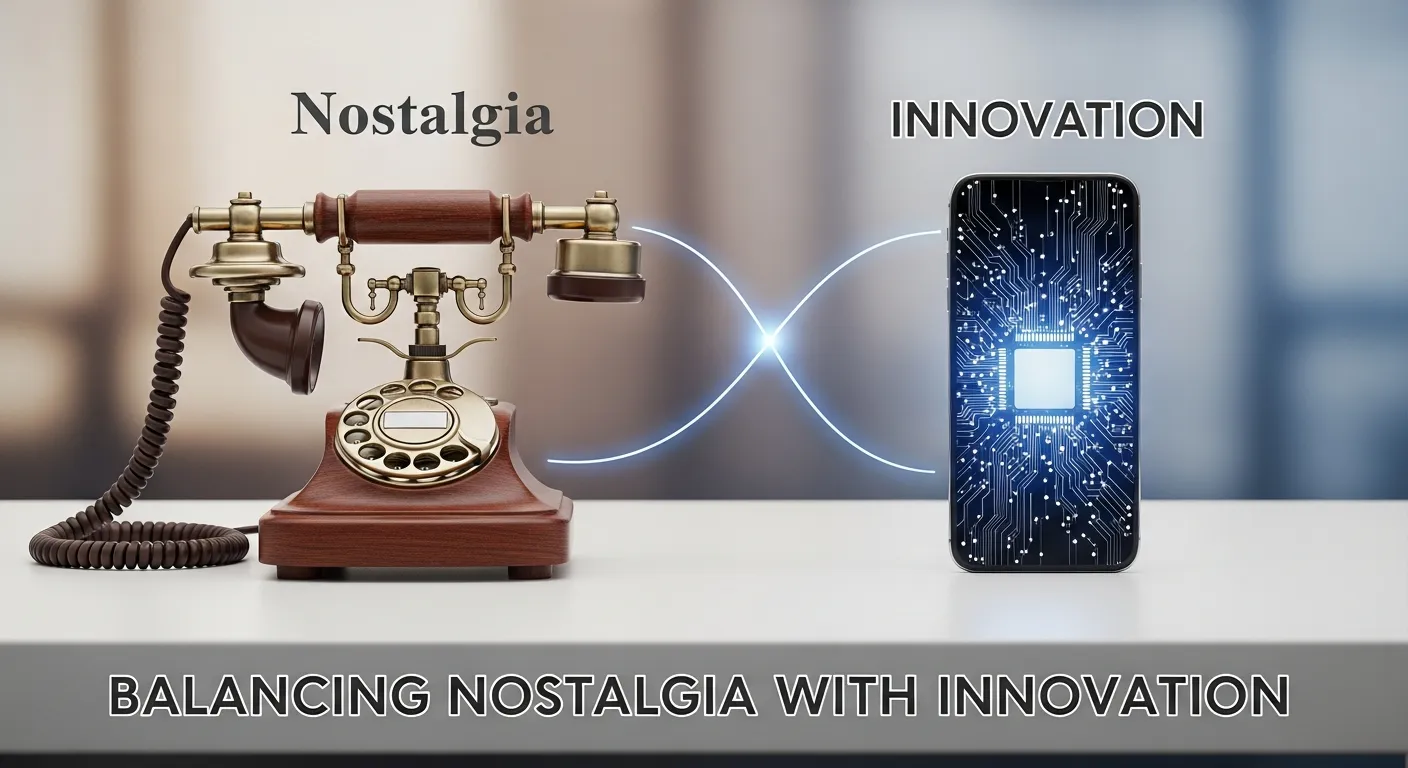
While nostalgia is a powerful motivator, relying on it exclusively is a risky strategy. The most successful brands understand that the past should be a launchpad, not an anchor. The true art lies in balancing personalized nostalgia with forward-thinking innovation. This delicate balance ensures that a brand remains relevant to both its loyal, long-time customers and a new generation of consumers.
One of the biggest pitfalls of nostalgia marketing is stagnation. A brand that only looks backward risks becoming a relic. Consumers may enjoy a retro campaign for a short time, but they live in the present and are always looking toward the future. Without innovation, a brand can quickly seem out of touch. The key is to use nostalgic elements to enhance a modern product or experience, not to simply recreate the past. This approach tells consumers that the brand respects its heritage but is committed to evolving with their needs. It is this combination that transforms a simple memory into a dynamic brand experience.
Successfully blending past and present requires a strategic approach. It’s not enough to slap a vintage logo on a new product. Brands must find authentic ways to integrate nostalgic themes into modern contexts. For instance, a company might revive a beloved character from a classic ad campaign but place them in a story that addresses contemporary values. Or, a brand could re-release a classic product but infuse it with new technology that enhances its functionality. This strategy honors the emotional connection consumers have with the past while delivering the innovation they expect from a modern brand. Personalized nostalgia becomes the emotional hook, while innovation provides the ongoing value.
Furthermore, this balance is crucial for cross-generational appeal. A campaign rooted solely in the 1980s might resonate with Gen X, but it could alienate younger consumers who have no personal connection to that era. By infusing nostalgic elements with modern flair, brands can create a “vintage cool” aesthetic that appeals to both. Younger audiences get to discover a piece of cultural history, while older audiences can relive cherished memories. This turns personalized nostalgia from a generational reference into a shared cultural moment, bridging the gap between different age groups and broadening the brand’s reach.
Real-World Examples of Nostalgia Marketing Success
Many brands have masterfully wielded personalized nostalgia to create memorable and highly successful campaigns. These examples demonstrate how a look back at the past can powerfully propel a brand forward when executed with creativity and authenticity.
|
Brand |
Campaign/Product |
Nostalgic Element |
Innovative Twist |
|---|---|---|---|
|
Coca-Cola |
“Share a Coke” |
The classic experience of sharing a Coke. |
Personalized bottles with popular names, creating a modern, shareable moment. |
|
Nintendo |
NES Classic Edition |
The beloved 1980s gaming console and its iconic games. |
A miniaturized, plug-and-play version with pre-loaded games for modern televisions. |
|
Nike |
Retro Air Jordans |
The iconic sneaker line from Michael Jordan’s 1980s/90s heyday. |
Limited-edition releases with new colorways and materials, appealing to collectors and new fans. |
|
Netflix |
Stranger Things |
The cultural aesthetic of the 1980s (films, music, fashion). |
A new, original story that uses nostalgia to create a unique atmosphere for a modern audience. |
Coca-Cola: The “Share a Coke” Campaign
Coca-Cola’s “Share a Coke” campaign is a prime example of personalized nostalgia in action. Instead of focusing on a specific decade, the campaign tapped into the timeless, personal memory of sharing a Coke with someone. By replacing its iconic logo with hundreds of popular names, the brand invited consumers to find their own name or the name of a friend or family member. This simple act of personalization transformed a mass-produced product into a unique, personal artifact. The success lay in its ability to spark millions of individual moments of connection, making the act of buying a Coke a fun, interactive experience.
Nintendo: The NES Classic Edition
Nintendo struck gold by tapping directly into the childhood memories of millennials and Gen X. The company re-released its legendary Nintendo Entertainment System (NES) from the 1980s as a miniature, plug-and-play console. It came pre-loaded with 30 classic games, allowing an entire generation to relive the joy of their first gaming experiences. The campaign was a masterclass in personalized nostalgia, as it didn’t just sell a product; it sold the feeling of being a kid again. The overwhelming demand, which led to the console selling out almost instantly, proved the commercial power of well-executed nostalgia.
Netflix’s Stranger Things: Crafting a Cultural Moment
Netflix’s hit series Stranger Things demonstrates that nostalgia doesn’t have to be tied to a brand’s own history. The show became a cultural phenomenon by perfectly recreating the look and feel of 1980s cinema, music, and fashion. It resonated with older viewers who grew up with the films of Steven Spielberg and John Carpenter, while its compelling mystery and young cast captivated a new generation. The show’s success created a halo effect for brands featured in it, like Eggo waffles and New Coke, proving that even “vicarious nostalgia” for a time one never experienced can be incredibly powerful. This form of personalized nostalgia relies on tapping into a cultural zeitgeist.
These examples show that the most effective nostalgia marketing is not just about looking back. It’s about using the past to create a new, meaningful experience in the present.
Risks and Challenges of Nostalgia Marketing
While deploying personalized nostalgia can yield significant rewards, it is not without its risks. A poorly executed campaign can backfire, damaging brand perception and alienating the very consumers it aims to attract. Brands must navigate several challenges to ensure their nostalgic efforts are received as authentic tributes rather than hollow manipulations.
One of the most significant risks is appearing inauthentic or tone-deaf. Consumers are savvy and can quickly spot when a brand is simply trying to cash in on a trend without a genuine connection to the past it’s referencing. This is particularly dangerous when a brand attempts to co-opt sensitive cultural or social movements for commercial gain. A prime example is Pepsi’s 2017 ad featuring Kendall Jenner, which was widely criticized for trivializing protest movements. The backlash was swift and severe, demonstrating that misusing nostalgia or cultural moments can lead to a public relations disaster. Personalized nostalgia must feel genuine to be effective.
Another major challenge is the risk of alienating younger generations. While a campaign centered on ’90s culture might delight millennials, it could fall flat with Gen Z, who have no direct memories of that time. If a brand leans too heavily on historical references that are not universally understood or appreciated, it risks being perceived as outdated or irrelevant by a crucial market segment. The goal of personalized nostalgia should be to create inclusive experiences. Successful brands often bridge this generational gap by framing nostalgia in a way that feels “vintage” and cool to younger audiences, rather than just a throwback for older ones.
Finally, there’s the danger of “nostalgia fatigue.” As more and more brands jump on the bandwagon, the effectiveness of the strategy can diminish. When consumers are constantly bombarded with retro-themed advertisements, the novelty wears off, and the emotional impact weakens. To stand out, brands must do more than simply resurrect an old jingle or logo. They need to find a unique angle or a new twist that makes their use of personalized nostalgia feel fresh and exciting. Over-reliance on the past without adding new value can lead to brand stagnation and make it difficult to compete with more innovative companies. This is why the element of personalized nostalgia is so critical—it must feel unique to the individual, not like a generic appeal to a bygone era.
Future Trends: Nostalgia Meets Technology
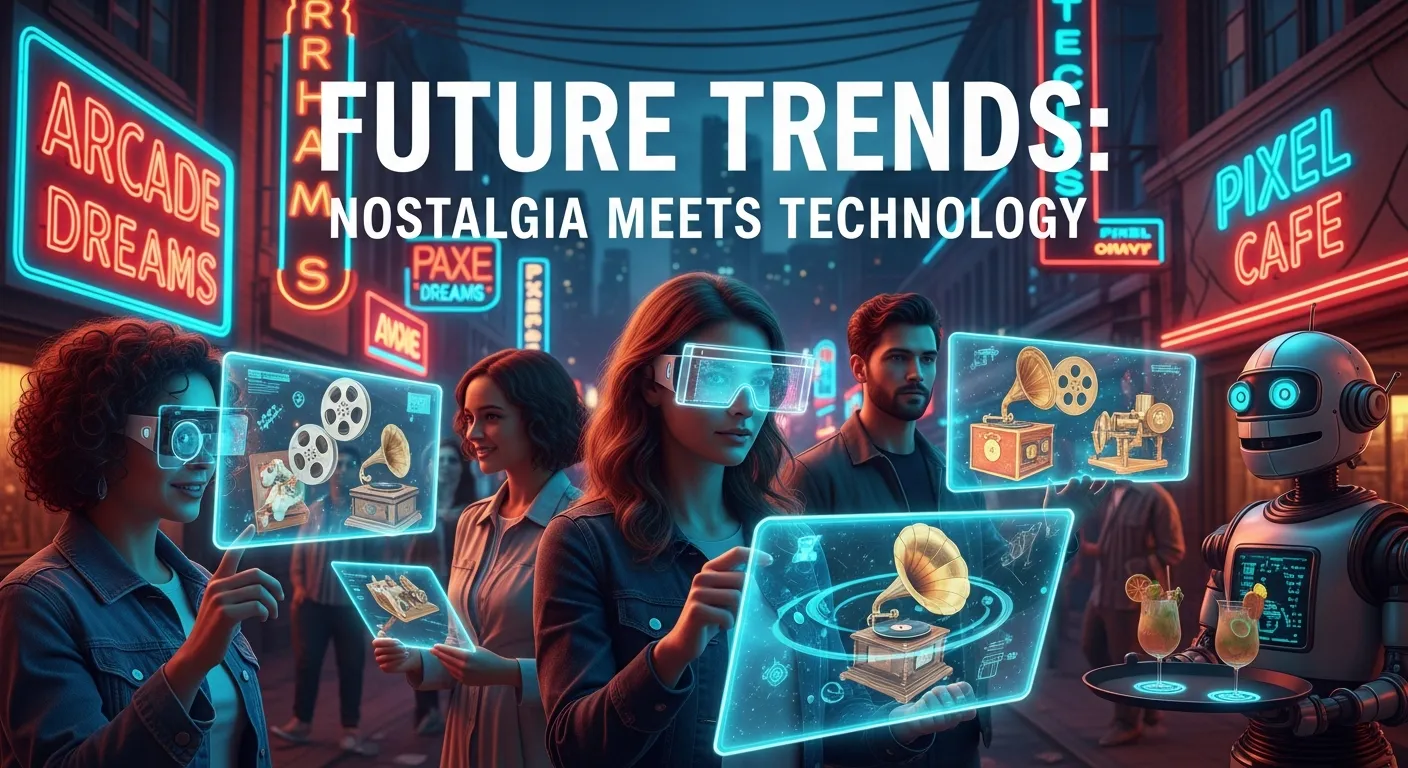
The future of personalized nostalgia lies at the an exciting intersection of memory and technology. As advancements in artificial intelligence (AI), augmented reality (AR), and virtual reality (VR) become more mainstream, brands will have unprecedented opportunities to create immersive and deeply personal nostalgic experiences. These technologies will move beyond simple visual cues and allow consumers to step directly into their fondest memories.
Augmented Reality (AR) and Interactive Storytelling
Augmented reality is poised to revolutionize nostalgia in digital branding. Imagine pointing your smartphone at a product on a store shelf and seeing a classic television commercial for that product play on your screen. Brands can use AR to unlock hidden content, such as interactive stories or games that bring a brand’s history to life. For example, a cereal brand could create an AR filter that lets users play a modernized version of a game from the back of an old cereal box. This form of interactive storytelling in branding makes the consumer an active participant in the nostalgic experience, creating a much deeper and more memorable connection. Pokémon Go was an early indicator of this potential, bringing a beloved ’90s franchise into the real world and captivating millions.
AI-Driven Hyper-Personalization
Artificial intelligence will enable a new level of personalized nostalgia. By analyzing user data—such as age, location, music preferences, and even past purchases—AI algorithms can deliver nostalgic content that is uniquely tailored to each individual. Spotify’s “Time Capsule” playlists are a perfect example of this. The service curates a playlist of songs from a user’s teenage years, creating a powerful and highly personal nostalgic moment. In the future, this could extend to visual content, with AI generating ads that feature imagery or cultural references specific to a user’s formative years. This hyper-personalization will make brand interactions feel less like advertising and more like a conversation with an old friend.
Virtual Reality (VR) and Immersive Brand Worlds
Virtual reality offers the ultimate platform for personalized nostalgia, allowing brands to create fully immersive worlds that consumers can explore. Imagine a car brand allowing you to take a virtual test drive in a classic model from the 1960s, complete with the music and scenery of that era. Or a fashion brand that creates a VR experience where you can “attend” a famous fashion show from decades past. These virtual experiences can evoke a powerful emotional response by engaging multiple senses and making the past feel tangibly real. As VR technology becomes more accessible, brands will be able to use it to build deep, lasting memories that blend the best of the past with the excitement of the future. The potential for emotional branding in these virtual spaces is immense.
The fusion of technology and personalized nostalgia will allow brands to craft future-glimpse journeys that are not just about remembering the past, but about reliving it in new and exciting ways.
Conclusion
Ultimately, the art of leveraging personalized nostalgia is a delicate dance between honoring the past and embracing the future. When executed with authenticity and creativity, it transcends simple marketing, becoming a powerful tool for forging genuine emotional connections. By blending cherished memories with innovative experiences, brands can create uniquely resonant journeys that build lasting loyalty and captivate audiences across generations.
FAQs
1. What is personalized nostalgia in marketing?
Personalized nostalgia is a marketing strategy that aims to evoke specific, individual memories from a consumer’s past to create a deep emotional connection. Instead of using general references to a decade, it taps into personal milestones, preferences, or cultural touchstones that are unique to the target individual, making the brand experience feel highly relevant and personal.
2. Why is emotional branding so effective?
Emotional branding is effective because it bypasses rational decision-making and connects with consumers on a deeper, more human level. By evoking feelings like happiness, comfort, and trust, brands can build strong loyalty that isn’t easily swayed by price or competitors. A positive emotional association makes a brand more memorable and desirable.
3. How can a new brand use nostalgia marketing?
A new brand can use “vicarious nostalgia” by tapping into broader cultural trends or aesthetics from a popular era, such as the ’90s or Y2K. They can adopt vintage-inspired designs, reference classic films or music, or partner with influencers who embody a retro style. This allows them to borrow the emotional weight of a bygone era without having a long history of their own.
4. What are the risks of using personalized nostalgia?
The primary risks include appearing inauthentic or manipulative, which can damage trust. There’s also the danger of alienating younger audiences who don’t share the nostalgic references. Finally, overuse can lead to “nostalgia fatigue,” where the strategy loses its impact due to market saturation.
5. What is the difference between nostalgia and personalized nostalgia?
Nostalgia is a general longing for the past, often for a shared cultural period (e.g., the 1980s). Personalized nostalgia is far more specific. It targets an individual’s unique history, such as the music they listened to in high school or their favorite childhood snack, to create a one-on-one emotional connection.
6. How is technology shaping the future of nostalgia marketing?
Technologies like AI, AR, and VR are making nostalgic experiences more immersive and personal. AI can tailor content to an individual’s past, AR can overlay digital memories onto the real world, and VR can create entire historical worlds for consumers to explore. This creates a more powerful and engaging form of personalized nostalgia.
7. Can nostalgia marketing work for B2B brands?
Yes, though it requires a different approach. B2B nostalgia might focus on the history of an industry, the evolution of a professional practice, or the early days of a specific technology. For example, a software company could reference early computing or the challenges of a pre-internet workplace to connect with seasoned professionals on a personal level.
8. How do you measure the success of a personalized nostalgia campaign?
Success can be measured through a mix of metrics. Engagement rates (likes, shares, comments) on social media often spike with nostalgic content. Brand sentiment analysis can track positive mentions and emotional tone. Ultimately, success can be tied to business goals like increased sales, higher customer loyalty, and improved brand recall.
9. What role does interactive storytelling play in nostalgia branding?
Interactive storytelling in branding allows consumers to become active participants in a nostalgic narrative rather than passive observers. This can be achieved through games, quizzes, AR filters, or personalized digital experiences. By inviting interaction, brands deepen engagement and make the nostalgic connection more memorable and impactful.
10. How can brands ensure their nostalgic campaigns are inclusive?
To be inclusive, brands should use nostalgic themes that resonate across different demographics or find ways to frame them for a modern, diverse audience. This might mean celebrating universal themes like friendship or family, or re-contextualizing a past trend in a way that feels fresh and relevant to everyone, regardless of whether they experienced it the first time.