Sensory Branding: Beyond Visual Identity to Multi-Sensory Experiences
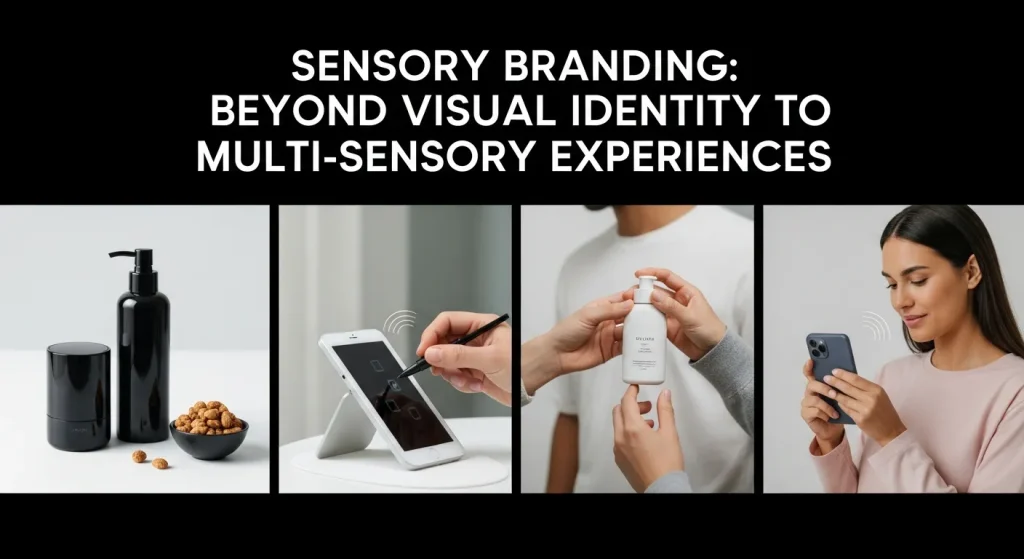
In a world saturated with logos and screens, the most memorable brands aren’t just seen—they are felt, heard, and experienced. Sensory branding unlocks a deeper level of engagement by orchestrating every touchpoint to resonate with human biology.
This comprehensive guide explores the transformative power of sensory branding, moving beyond traditional visual identity to engage all five senses. We delve into the neuroscience of multisensory experiences, practical strategies for implementation across physical and digital realms, and the metrics needed to measure success. You will learn how to build distinct sensory signatures that drive brand awareness, foster emotional branding, and secure long-term loyalty.
The Limitations of Vision-Only Branding in a Crowded Marketplace
The modern marketplace has never been more crowded. Everywhere consumers turn, they face a barrage of logos, taglines, and advertisements clamoring for attention. This visual bombardment has created an unintended consequence: diminishing returns on traditional branding approaches. In response, forward-thinking companies have begun exploring territory beyond the visual realm, venturing into the rich landscape of sensory branding.
Traditional branding has overwhelmingly privileged the visual sense. Companies invest millions perfecting logos, color schemes, typography, and visual identity systems. While these elements remain important, they represent just one-fifth of our sensory capacity as humans. This narrow focus leaves tremendous untapped potential for creating distinctive, memorable brand experiences.
Research consistently demonstrates that humans process and remember information more effectively when it arrives through multiple sensory channels simultaneously. A study from Oxford University’s Crossmodal Research Laboratory found that multisensory experiences are remembered approximately 70% more effectively than single-sensory ones. For brands, this presents both an opportunity and an imperative: engage more senses to create more memorable experiences.
By relying solely on visual cues, brands risk blending into the background noise of the digital age. To truly stand out, businesses must adopt multisensory branding strategies that create a holistic environment for the consumer—one that tells a consistent story through sight, sound, touch, smell, and taste.
The Neuroscience Behind the Sensory Branding Advantage
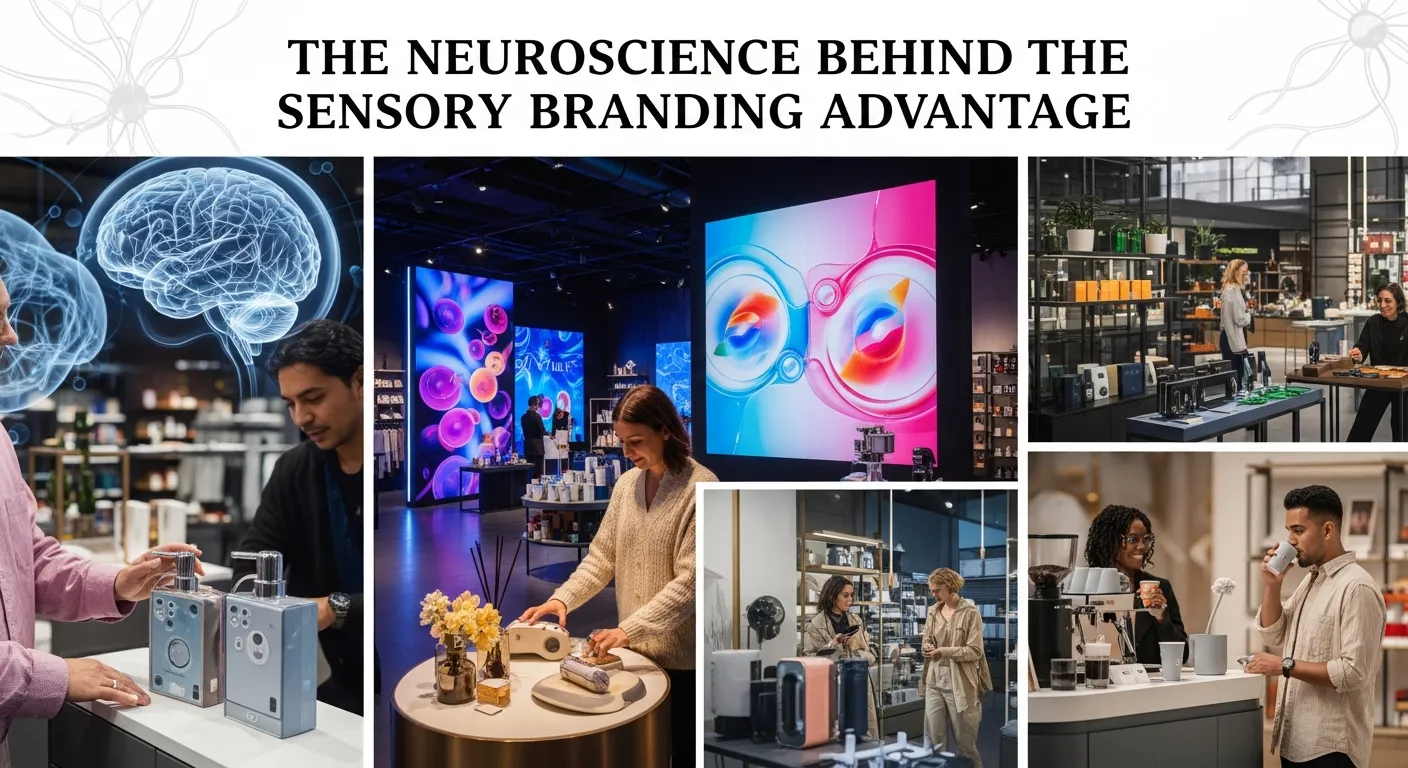
Sensory branding recognizes that human experience doesn’t occur through isolated sensory channels. Rather, we navigate the world through a complex interplay of sight, sound, smell, taste, and touch. By deliberately designing touchpoints that engage multiple senses in harmony, brands create experiences that trigger powerful neurological responses.
Commanding Deeper Attention
In an attention economy where focus has become perhaps our scarcest resource, multisensory experiences stand out precisely because they engage the brain more comprehensively. When Singapore Airlines carefully curates everything from cabin fragrances to the fabric texture of flight attendant uniforms, they’re creating an enveloping experience that demands attention simply because it activates so many neural pathways simultaneously. This is a prime example of leveraging neuromarketing insights to capture and hold consumer focus.
Creating Stronger Emotional Connections
Emotions and sensory experiences are neurologically intertwined. Our limbic system, which processes emotions, receives direct input from our sensory systems. This connection explains why scents can instantaneously trigger powerful memories and emotional states in ways visual stimuli rarely achieve. When Abercrombie & Fitch deployed its distinctive store fragrance, it wasn’t merely creating an ambient feature—it was establishing direct pathways to emotional memory centers. This creates a foundation for robust emotional branding, where the consumer feels a personal, almost instinctual connection to the brand.
Fostering Greater Brand Recognizability
When brands engage multiple senses consistently, they create recognition shortcuts that operate below conscious awareness. The distinctive sound of a Harley-Davidson engine, instantly recognizable without any visual cues, demonstrates this phenomenon perfectly. Riders and non-riders alike can identify that particular rumble without seeing the motorcycle—a level of brand recognition most companies can only dream about.
At BrandsDad, we’ve consistently observed that brands implementing thoughtful sensory strategies typically achieve recognition rates approximately 30% higher than those relying solely on visual identity elements. This heightened recognition translates directly into brand resilience; even if a competitor copies your look, they cannot easily replicate the entire sensory ecosystem you have built.
Strategic Approaches to Developing Sensory Signatures
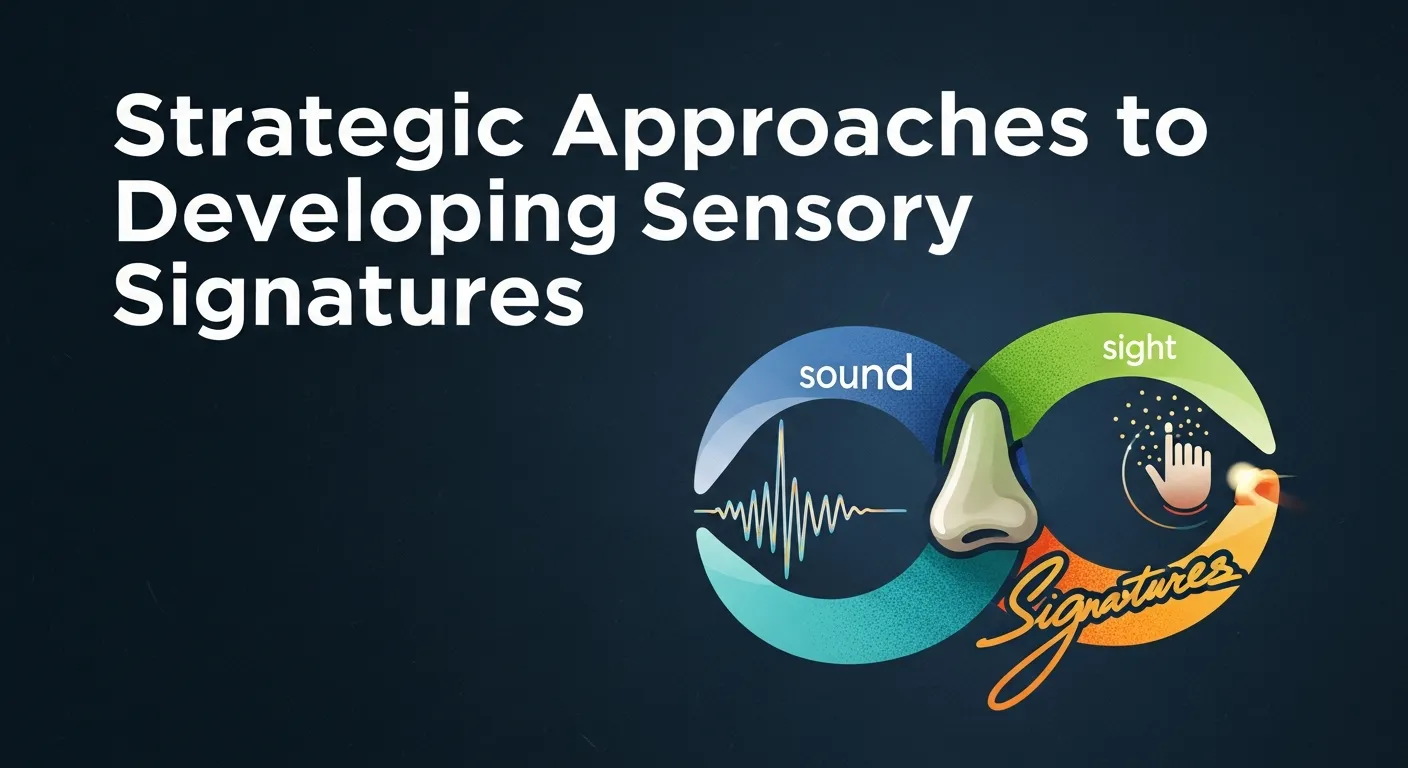
Developing effective sensory branding requires more than simply adding sensory elements to existing touchpoints. It demands a comprehensive approach that aligns sensory expressions with core brand values and promises.
Sensory Congruence
Successful sensory branding depends heavily on congruence—the alignment between different sensory elements and their collective harmony with brand positioning. When luxury hotel brand Ritz-Carlton developed its signature scent “Cobalt Waters,” the company ensured the fragrance conveyed the same sophisticated tranquility communicated through its visual identity and service approach. This sensory congruence prevents the cognitive dissonance that occurs when sensory cues send contradictory messages.
If a brand claims to be high-tech and futuristic but its physical products feel flimsy or its hold music is distorted classical audio, the sensory experience contradicts the brand promise. This misalignment erodes trust. Congruence ensures that your brand voice strategy, visual design, and sensory inputs all tell the same story.
Developing Sensory Signatures
The most sophisticated practitioners of sensory branding develop distinctive sensory signatures—specific sensory expressions that become uniquely associated with their brands.
1. Auditory Signatures (Sonic Branding)
Sound travels into the brain faster than visual information. Voice branding and sonic logos are powerful tools.
- Examples: The three-note NBC chime, the Netflix “ta-dum,” or the consistent sonic environment in Apple stores that combines specific background music with carefully engineered ambient noise levels.
- Application: Brands should consider the sound of their app notifications, the hold music on customer support lines, and even the sound their packaging makes when opened.
2. Tactile Signatures (Touch)
Touch is the sense of ownership. When we hold something, we feel connected to it.
- Examples: The distinctive keyboard feel of ThinkPad laptops, the specific paper weight and texture of Moleskine notebooks, or the characteristic door weight and closure feel in luxury automobiles.
- Application: Consider the texture of your business cards, the weight of your product packaging, or the ergonomics of your physical interface. For e-commerce brands, the unboxing experience is a critical tactile touchpoint.
3. Olfactory Signatures (Scent Marketing)
Smell is the only sense with a direct line to the amygdala, the brain’s emotional center.
- Examples: The unmistakable scent of walking into a Westin Hotel, the distinctive aroma that greets customers entering a Subway sandwich shop, or the carefully formulated “new car smell” that automobile manufacturers engineer for their vehicles.
- Application: Retail spaces, hotels, and even airlines use scent to calm passengers or encourage spending.
4. Gustatory Signatures (Taste)
While harder for non-food brands to implement, taste creates intimate bonds.
- Examples: DoubleTree by Hilton’s warm chocolate chip cookie upon check-in. It signifies warmth and hospitality instantly.
- Application: Offering branded refreshments at events or in showrooms can create a positive association (e.g., a car dealership offering high-end espresso vs. stale drip coffee).
Implementation Across the Customer Journey
Effective sensory branding requires consistent implementation across the customer journey mapping. This approach demands examining each touchpoint through a multisensory lens, identifying opportunities to engage additional senses in meaningful ways.
Physical Environment Design
Retail environments present perhaps the most obvious opportunity for multisensory branding. Companies like Starbucks have elevated this approach to an art form, carefully orchestrating everything from the sound of coffee beans being ground to the specific lighting temperature that makes both products and customers look their best. This creates a “third place” atmosphere that customers are willing to pay a premium for.
However, the principles extend well beyond traditional retail. Banking giant ING Direct revolutionized its customer experience by replacing sterile banking environments with cafés featuring distinctive orange decor, coffee aromas, and an ambient soundscape designed to make financial discussions feel more approachable and less intimidating. This is a prime example of brand storytelling through environment—shifting the narrative from “banking is scary” to “banking is comfortable.”
Product Experience Engineering
Product developers increasingly recognize that multisensory experiences determine consumer perception far more powerfully than functional attributes alone. When luxury automobile manufacturers engineer the specific sound a car door makes when closing (“thunk” vs. “clank”), they’re acknowledging that this momentary auditory experience communicates quality more effectively than technical specifications ever could.
Even everyday items benefit. The “pop” of a Pringles can or the “snap” of a Snapple cap are engineered sensory signatures that signal freshness and fun. These details contribute to brand equity by differentiating the product in a tangible way.
Digital Integration and “Phygital” Experiences
As our lives increasingly migrate to digital environments, smart brands find ways to incorporate sensory elements beyond the visual even in digital contexts. According to research from Stanford University’s Virtual Human Interaction Lab, interfaces that incorporate multisensory feedback create significantly stronger engagement and satisfaction compared to purely visual interfaces.
- Audio Feedback: Payment service PayPal designed a distinctive audio signature that plays when transactions complete—a seemingly small detail that significantly increases user confidence by providing multisensory confirmation.
- Haptics: The haptic feedback of a smartphone’s virtual keyboard creates a tactile illusion of pressing real buttons.
- Visual Texture: High-quality imagery and animations can evoke tactile sensations (e.g., showing the condensation on a cold drink).
This digital marketing evolution is crucial for Metaverse branding, where the goal is to create fully immersive virtual worlds. As VR technology advances, the ability to replicate touch and sound will define the winners in this space.
Measuring Sensory Branding Effectiveness
Like all branding initiatives, sensory approaches require measurement to justify investment and guide refinement. You cannot manage what you do not measure. Several approaches prove particularly valuable for tracking Brand Equity KPIs related to sensory inputs.
Biometric Measurements
Biometric data cuts through subjective bias.
- Eye Tracking: Where does the eye go when a sound is played?
- Skin Conductance: Does the skin sweat (indicating arousal/excitement) when a specific scent is introduced?
- Facial Expression Analysis: Using AI to read micro-expressions of joy or disgust during a product interaction.
Immersive Testing
Virtual reality (VR) environments allow controlled testing of different sensory combinations before expensive real-world implementation. Brands can A/B test store layouts and soundscapes in VR to see which configuration drives the desired behavior.
Memory and Recall Studies
Recall and recognition testing helps quantify how sensory elements enhance brand memorability over time.
- Unaided Recall: “What brand comes to mind when you hear this sound?”
- Aided Recall: “Do you recognize this scent associated with Brand X?”
Attribution Analysis
Sophisticated data analytics can now track how changes in sensory elements correlate with key performance indicators.
- Retail: Tracking dwell time and average transaction value after changing the in-store playlist or scent.
- Digital: Measuring conversion optimization rates when adding audio cues to a checkout process.
These measurement approaches help companies move beyond subjective judgments to data-informed sensory strategies that deliver measurable returns.
Sensory Branding Challenges: Navigating the Nuances
Despite its powerful potential, sensory branding presents significant challenges that companies must navigate carefully to avoid alienating customers.
Cultural Variability
Sensory associations vary dramatically across cultures.
- Color: White signifies purity in the West but mourning in some Eastern cultures.
- Scent: A scent considered “clean” in the US (like lemon) might be associated with dish soap or medicine in another country.
- Sound: Musical scales and tonalities carry different emotional weights globally.
Companies involved in global marketing must either develop market-specific sensory approaches or identify rare universal sensory associations that translate effectively across cultures. Cultural branding research is essential here.
Sensory Accessibility and Inclusivity
Not all consumers experience senses equally. Physical disabilities, sensory processing differences (such as autism or ADHD), and even temporary conditions like congestion can alter how individuals perceive sensory branding elements.
- Overstimulation: Loud music or strong scents can be physically painful for neurodivergent individuals.
- Accessibility: Relying solely on color to convey information excludes colorblind users.
Thoughtful sensory branding includes considerations for these variations, ensuring experiences remain inclusive rather than alienating. Brand accessibility is a growing component of ethical business practice.
Sensory Fatigue and Habituation
When sensory elements become too familiar or invasive, they can trigger avoidance behaviors. The backlash against Abercrombie & Fitch’s once-distinctive store fragrance illustrates this risk perfectly—what began as a breakthrough sensory signature eventually became a liability when consumers began perceiving it as overwhelming. Brands must monitor customer perception continuously to ensure their sensory signatures remain fresh and welcome.
The Future of Sensory Branding: Technology and Innovation
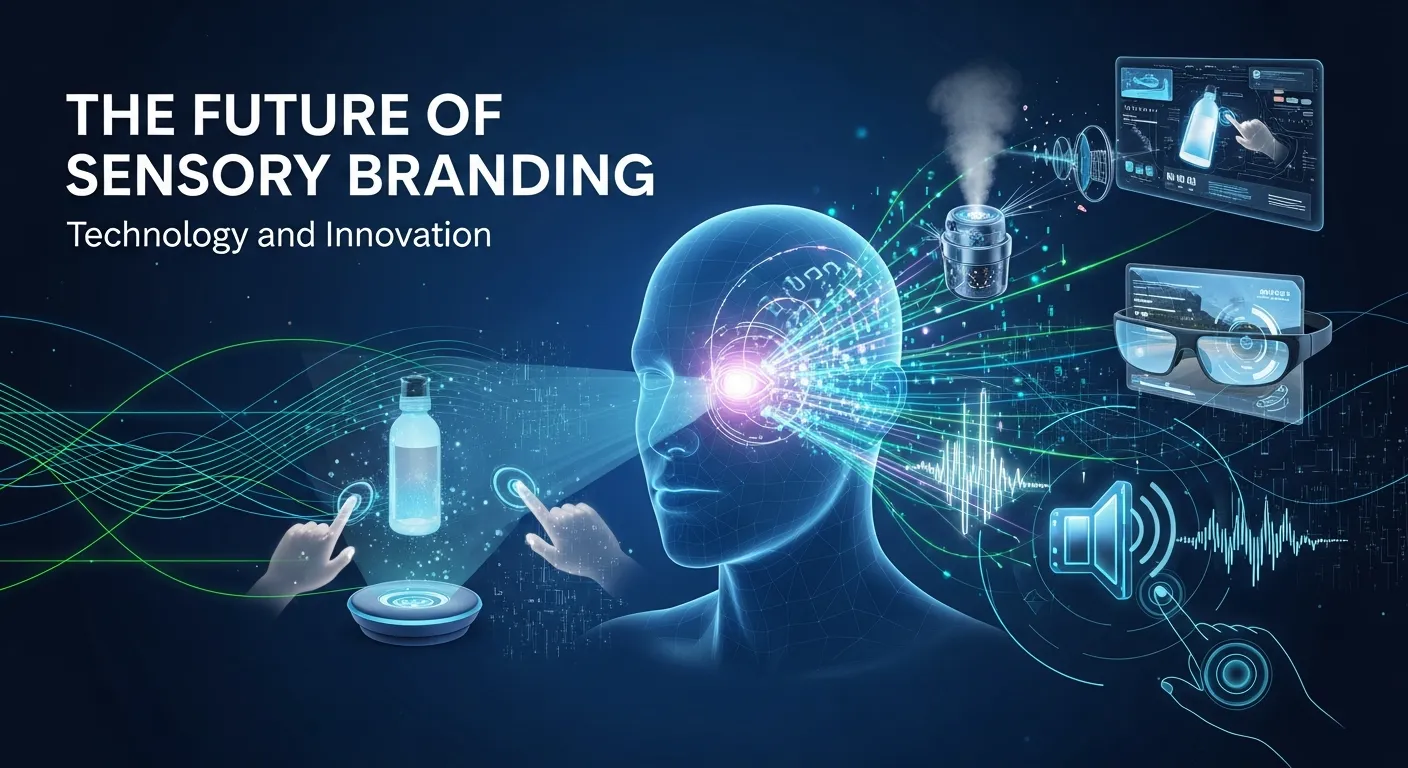
As technology continues evolving, sensory branding capabilities will expand dramatically. Several emerging developments deserve particular attention for forward-looking brand strategies.
Digital Scent Technology
Devices capable of emitting controlled fragrances in response to digital triggers are advancing rapidly. Imagine a cooking blog that triggers a device to release the scent of basil, or a perfume brand allowing you to “smell” a new fragrance through a digital attachment. This could revolutionize e-commerce growth.
Haptic Evolution
Next-generation haptic technologies promise far more sophisticated tactile feedback in digital environments. We are moving beyond simple vibrations to screens that can simulate texture—roughness, smoothness, or temperature. This will be a game-changer for online fashion and retail, allowing users to “feel” fabric before buying.
Sensory Personalization via AI
AI marketing and machine learning algorithms will increasingly tailor sensory experiences to individual preferences.
- Spotify: Already curates audio based on listening habits.
- Future Retail: Digital signage that changes color contrast based on the viewer’s visual needs, or in-store audio that adjusts tempo based on the crowd density.
Cross-Modal Integration
Our understanding of how senses interact continues advancing, enabling more sophisticated design of sensory experiences that leverage cross-modal correspondences (synesthesia) for heightened impact. For example, knowing that high-pitched sounds make chocolate taste sweeter can help brands design packaging (the crinkle sound) that enhances the product’s flavor profile.
The Five Senses in Branding Strategy
|
Sense |
Strategic Role |
Example of Brand Usage |
Key Metric |
|---|---|---|---|
|
Sight |
Identity & Navigation |
Tiffany Blue Box, Apple’s Minimalism |
Brand Recognition |
|
Sound |
Emotion & Attention |
Intel Bongs, Netflix “Ta-Dum” |
Recall Rate |
|
Smell |
Memory & Mood |
Starbucks Coffee Aroma, Hotel Scents |
Dwell Time |
|
Touch |
Quality & Ownership |
Heavy Credit Cards, Soft-Touch Packaging |
Perceived Value |
|
Taste |
Intimacy & Hospitality |
Ikea Meatballs, DoubleTree Cookies |
Customer Satisfaction |
Integrating Sensory Branding with Other Strategies
Sensory branding does not exist in a vacuum. It amplifies and supports other key marketing initiatives.
Brand Storytelling
Sensory cues provide the atmosphere for the story. If your brand storytelling is about adventure and ruggedness (like Jeep), the tactile feel of the steering wheel and the sound of the engine are physical manifestations of that story.
Customer Retention
Unique sensory experiences create “sticky” memories. A customer might forget the price of a meal, but they will remember the ambiance (lighting, music, smell). This emotional imprint drives repeat visits and higher customer retention.
Social Proof and Viral Marketing
Highly sensory experiences are shareable. “Instagrammable” visual moments, satisfying ASMR unboxing videos (sound and touch), or unique food presentations drive social proof and organic reach on social media.
Conclusion
The most successful brands of tomorrow will be those that recognize humans as fundamentally multisensory beings and design experiences accordingly. By thoughtfully orchestrating how their brands sound, feel, smell, and even taste—not just how they look—companies create deeper connections that resist both competitive pressure and consumer habituation.
The shift from visual-dominant branding to truly multisensory experiences represents not simply a tactical expansion but a fundamental reconceptualization of what constitutes a brand. In this emerging paradigm, brands exist not as visual symbols or intellectual concepts but as holistic sensory experiences that engage consumers more completely and memorably.
For companies willing to venture beyond the visual dominant paradigm, sensory branding offers a powerful pathway to create the most valuable form of brand equity: distinctive, meaningful experiences that consumers not only recognize but genuinely feel. It transforms a transaction into an interaction, and a customer into a believer.
FAQs
1. What is sensory branding?
Sensory branding is a marketing strategy that engages the consumer’s senses (sight, sound, smell, touch, and taste) to create emotional connections and memorable experiences. It goes beyond visual identity (logos) to include elements like signature scents, sonic logos, and tactile product design.
2. Why is sensory branding important?
It is important because multisensory experiences are processed deeper in the brain and are more memorable than visual-only experiences. It helps brands stand out in a crowded market, builds emotional loyalty, and creates subconscious recognition triggers.
3. Can small businesses use sensory branding?
Absolutely. A small coffee shop can curate a specific playlist (sound), roast beans at peak hours to entice passersby (smell), and choose heavy, warm mugs (touch). Small businesses often have more control over their physical environment than large chains, making it easier to implement.
4. What is a “sonic logo”?
A sonic logo is a short, distinctive sound sequence associated with a brand. Examples include the Intel “bong,” the McDonald’s “I’m Lovin’ It” jingle, or the Netflix startup sound. It serves as an auditory trademark.
5. How does scent marketing work?
Scent marketing involves using fragrances to influence consumer behavior and mood. It works because the sense of smell is directly linked to the brain’s limbic system, which controls emotion and memory. A pleasant, congruent scent can increase dwell time and willingness to pay.
6. Is sensory branding expensive?
It scales with the business. Developing a custom fragrance or hiring a composer for a sonic identity can be expensive for global brands. However, simple tactics like choosing consistent background music, upgrading packaging paper quality, or ensuring a clean-smelling store are very affordable.
7. How does sensory branding apply to digital-only brands?
Digital brands rely heavily on Sight and Sound. They focus on UX/UI design (visuals), micro-interactions (animations), notification sounds, and even haptic feedback on mobile devices. Voice search optimization also plays a role in how a brand “sounds” via smart speakers.
8. What are the risks of sensory branding?
The main risks are sensory overload (annoying the customer), cultural insensitivity (using offensive colors or sounds), and incongruence (the sensory experience doesn’t match the brand promise). Testing and moderation are key to avoiding these pitfalls.
9. Can sensory branding improve employee morale?
Yes. A pleasant work environment—with good lighting, acoustic control (reducing noise pollution), and fresh air/scent—improves employee well-being and productivity. Employees are the first consumers of the brand environment.
10. How do I start a sensory branding strategy?
Start with an audit. Walk through your customer experience and note what you hear, smell, and feel. Is it consistent? Is it intentional? Then, identify one area to improve—perhaps creating a consistent playlist or improving the tactile quality of your packaging—and measure the impact.