Sustainable Marketing Strategies for Eco-Friendly Brands
Sustainable brand marketing focuses on building eco-friendly brands through ethical practices, storytelling, and personalization. It helps businesses create trust, improve engagement, and grow responsibly while aligning environmental values with long-term brand success and customer loyalty.
Sustainable brand marketing is a strategic approach that helps businesses grow while maintaining environmental and ethical responsibility. It combines storytelling, personalized experiences, and transparent communication to build strong customer trust. By focusing on eco-friendly practices and data-driven strategies, brands can create long-term value. This approach not only improves reputation but also strengthens customer loyalty and supports sustainable business growth.
Understanding Sustainable Brand Foundations
Sustainable brand marketing begins with building a strong foundation based on clear environmental values, ethical responsibility, and long-term business vision. It requires companies to understand their impact on society and the environment before promoting any message. This includes evaluating supply chains, reducing waste, and ensuring responsible sourcing practices. Without this foundation, marketing efforts can feel inauthentic or inconsistent. A solid Brand Marketing Strategy helps ensure sustainability is deeply embedded into the brand identity rather than used as a surface-level message. When businesses commit to transparency and accountability, it becomes a powerful tool for building credibility, trust, and meaningful relationships with eco-conscious consumers.
Building a Brand Marketing Strategy
A well-structured Brand Marketing Strategy is essential because it defines how a brand communicates its mission, values, and eco-friendly efforts across all platforms. This strategy ensures consistency in messaging, visuals, and customer engagement while aligning sustainability goals with business objectives. In practice, eco-focused branding requires clear communication about environmental initiatives such as ethical sourcing, reduced carbon emissions, or recyclable packaging. When strategy and sustainability work together, brands create a strong emotional connection with their audience. This alignment helps businesses stand out in competitive markets where customers actively look for authentic, responsible, and purpose-driven brands that reflect their values.
Brand Storytelling in Marketing

Brand Storytelling in Marketing plays a crucial role because it transforms eco-friendly efforts into meaningful, emotional narratives that customers can relate to. Instead of focusing only on features or benefits, storytelling highlights the journey behind sustainability initiatives, including challenges, improvements, and real-world impact. This makes communication more engaging and memorable across digital platforms. Authentic stories about environmental responsibility, community support, or ethical production help build trust and loyalty. When done effectively, storytelling becomes a powerful communication tool that inspires customers and strengthens long-term emotional connections with the brand.
Hyper-Personalized Branding
Hyper-Personalized Branding enhances modern marketing by delivering customized experiences based on individual customer values, behaviors, and preferences. Eco-conscious consumers expect brands to understand their needs, such as sustainable packaging, ethical sourcing, or environmentally friendly lifestyles. Personalization makes messaging more relevant, targeted, and impactful by showing customers exactly what matters to them. This approach improves engagement and conversion rates because customers feel personally connected to the brand’s mission. When combined effectively, personalization and eco-focused branding create a deeper emotional bond, making customers feel valued, understood, and aligned with a brand that reflects their environmental beliefs.
Ethical Product Development
Ethical product development is a vital part of responsible branding, as it ensures that products are created with care toward both people and the planet. This includes using eco-friendly materials, reducing production waste, and designing products that are durable, reusable, or recyclable. When businesses integrate these practices, their marketing becomes more authentic and trustworthy. Consumers today are highly aware of greenwashing, so transparency in production is essential. Ethical design not only supports environmental goals but also strengthens brand reputation. By embedding responsibility into product development, sustainability is reflected in both messaging and the actual product lifecycle.
Digital Channels and Communication
Digital channels play a key role by enabling brands to communicate their eco-friendly values directly to a global audience. Platforms such as social media, websites, blogs, and email marketing allow businesses to share updates about sustainability initiatives in real time. However, effective communication requires transparency and consistency across all digital touchpoints. Brands must avoid exaggerated claims and focus on authentic storytelling backed by real actions. When used correctly, digital communication enhances visibility and credibility, making marketing efforts more scalable and measurable. It also helps brands connect with eco-conscious audiences more interactively and engagingly.
Customer Trust and Community Building

Customer trust is the foundation of long-term brand success, as modern consumers prefer companies that are honest, consistent, and socially responsible. Building a strong community around shared environmental values helps create deeper emotional connections between brands and customers. Through engagement, feedback, and participation, marketing efforts encourage long-term loyalty rather than short-term transactions. When customers feel included in a brand’s sustainability journey, they become advocates who naturally promote the brand. This community-driven approach is powerful because it turns customers into active supporters who believe in the brand’s mission and values.
Data and Performance Optimization
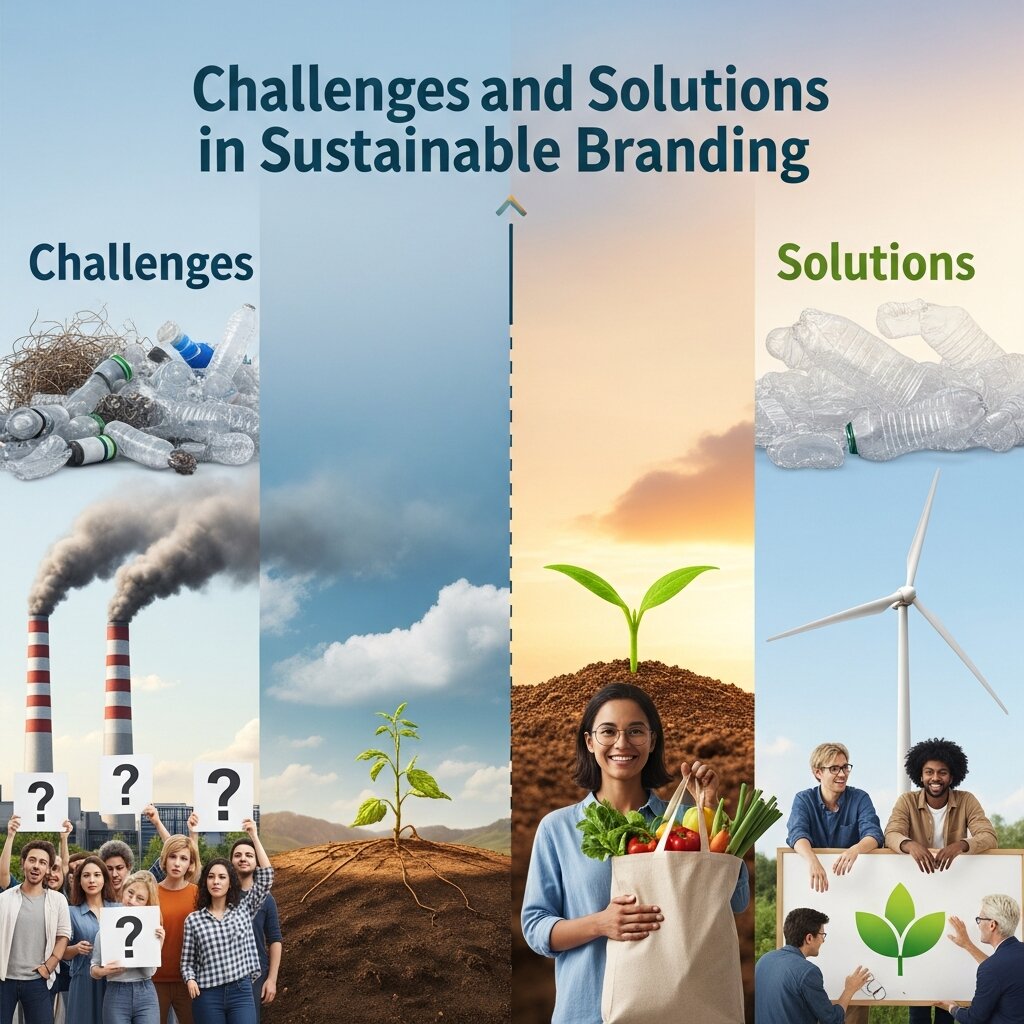
Data and analytics play an important role by helping businesses understand customer behavior, campaign effectiveness, and engagement trends. By analyzing performance metrics, brands can identify which sustainability messages resonate most with their audience. This allows for continuous improvement and better decision-making. Data ensures that strategies are based on real insights rather than assumptions. It helps optimize campaigns for better reach, engagement, and conversion. Over time, this data-driven approach makes marketing more efficient, targeted, and aligned with both environmental goals and business growth objectives.
Education and Affiliate Courses

Continuous learning is essential because trends, technologies, and consumer expectations constantly evolve. Many marketers and business owners enhance their skills through Affiliate Courses that focus on digital marketing, branding strategies, and sustainability practices. These courses provide valuable insights into modern eco-friendly marketing techniques and help professionals stay competitive. Education ensures that teams remain updated with the latest tools and strategies for growth. By combining learning with practical application, businesses can build more effective campaigns. This makes branding more innovative, adaptable, and capable of achieving long-term success in a rapidly changing market.
Future Trends in Sustainable Brand Marketing
The future of sustainable brand marketing is rapidly evolving as consumers demand more transparency, ethical responsibility, and environmental action from brands. Companies are shifting from basic eco-friendly messaging to fully integrated sustainability systems that influence product design, communication, and customer experience. Technologies like AI, data analytics, and automation are also helping brands deliver more personalized and responsible campaigns. As competition increases, brands that fail to adopt sustainable practices risk losing trust and relevance. Future-focused strategies will prioritize authenticity, measurable impact, and long-term value creation rather than short-term promotional gains.
Key trends:
- Increased demand for transparency and ethical sourcing
- Growth of AI-driven personalization in marketing
- Rise of carbon-neutral and zero-waste branding
- Stronger focus on community-driven brand engagement
- Integration of sustainability into the product lifecycle
| Trend | Description | Impact on Brands |
|---|---|---|
| Transparency | Clear communication of eco practices | Builds customer trust |
| AI Personalization | Tailored eco-friendly messaging | Higher engagement |
| Carbon Neutral Goals | Reducing emissions footprint | Strong brand reputation |
| Community Marketing | Customer participation in values | Long-term loyalty |
| Sustainable Products | Eco-conscious product design | Competitive advantage |
Conclusion
Sustainable brand marketing is no longer optional; it is a necessity for modern businesses that want to stay relevant and trusted. It combines strategy, storytelling, personalization, and ethics to create meaningful brand experiences. When applied consistently, sustainable brand marketing builds strong customer relationships and long-term loyalty. It also helps businesses stand out in competitive industries by showing real environmental responsibility. Ultimately, sustainable brand marketing is the foundation for building future-ready brands that prioritize both profit and purpose in a balanced and impactful way.