The Game Is Changing With Automated Branding
The marketing landscape is undergoing a seismic shift. Automated branding is redefining how businesses build identity, ensuring consistency at scale while freeing creative teams to focus on strategy and storytelling.
Automated branding leverages AI and software to streamline brand creation, management, and scalability. This article explores how automation tools ensure consistency, reduce costs, and accelerate speed-to-market. We delve into real-world success stories, potential challenges, and future trends shaping the next era of digital marketing.
What Is Automated Branding?
Automated branding refers to the use of technology, specifically artificial intelligence (AI) and automation software, to create, manage, and distribute brand assets with minimal manual intervention. It is the evolution of brand management from a purely human-centric, labor-intensive process to a streamlined, data-driven operation.
At its core, automated branding isn’t about replacing human creativity; it is about augmenting it. It involves using algorithms to handle repetitive tasks—such as resizing logos for different social media platforms, generating color palettes based on psychology, or ensuring tone-of-voice consistency across thousands of emails—so that human marketers can focus on high-level strategy and emotional connection.
Traditionally, maintaining a cohesive brand identity required rigorous oversight. Brand managers had to manually approve assets, designers spent hours tweaking layouts for various formats, and copywriters struggled to maintain a consistent voice across fragmented channels. Automated branding solves these inefficiencies by creating a centralized, intelligent system that enforces brand guidelines automatically.
The Shift from Manual to Automated
The transition to automated branding is driven by the sheer volume of content required in today’s digital ecosystem. A decade ago, a brand might have needed a few print ads and a TV spot. Today, brands must produce content for Instagram, TikTok, LinkedIn, email newsletters, personalized landing pages, and more.
Manual branding simply cannot keep up with this demand without sacrificing quality or consistency. Automated branding allows companies to scale their identity instantly. Whether you are a startup generating your first logo using an AI design tool or a multinational corporation using enterprise software to manage global assets, automation is the key to staying relevant and visible.
How Automated Branding Works
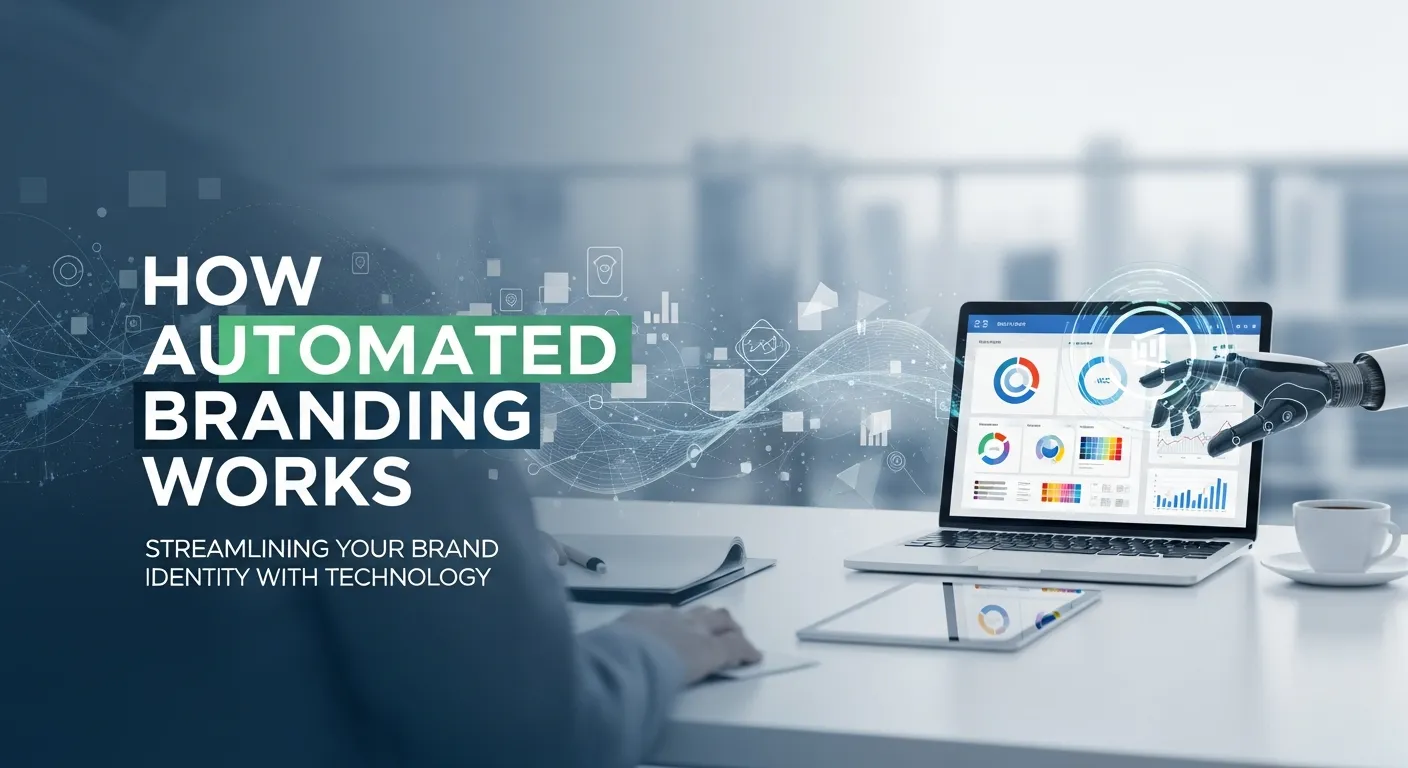
Understanding the mechanics behind automated branding reveals why it is such a game-changer. It operates through a combination of machine learning (ML), natural language processing (NLP), and sophisticated design algorithms.
1. Data Collection and Analysis
The process begins with data. Automated branding tools analyze vast amounts of market data, competitor visuals, and consumer preferences. For instance, an AI tool might analyze thousands of successful logos in the tech industry to understand which shapes and colors convey “innovation” and “trust.”
2. Asset Generation
Once the parameters are set, the software generates assets. This could be as simple as an AI logo generator creating dozens of variations based on a few keywords, or as complex as a dynamic creative optimization (DCO) platform generating thousands of unique ad banners tailored to individual user behaviors. Automated branding ensures that every single one of these assets adheres to the core brand guidelines—using the correct hex codes, fonts, and logo placement.
3. Distribution and Management
After creation, automation takes over distribution. Brand management platforms (often called Brand Asset Management or BAM systems) store these assets and automatically distribute them to the right channels. They can even update assets in real-time. If a company rebrands, automated branding tools can theoretically update the logo across all digital touchpoints simultaneously, eliminating the “zombie brand” assets that often linger on old landing pages.
4. Continuous Optimization
Perhaps the most powerful aspect of automated branding is its ability to learn. AI algorithms track how different brand elements perform. Do red call-to-action buttons generate more clicks than blue ones? Does a witty tone of voice get more engagement than a professional one? The system learns from this data and suggests or implements changes to optimize the brand’s impact continuously.
Benefits of Automated Branding

The adoption of automated branding is not just a trend; it is a strategic imperative for businesses looking to thrive in a competitive market. The benefits extend far beyond simple time-saving.
Speed and Efficiency
In the fast-paced digital world, speed is currency. Automated branding dramatically reduces the time-to-market for campaigns. What used to take a design team weeks—creating variations of ads for different regions and platforms—can now be done in minutes. Brand automation tools allow nimble responses to market trends, letting brands capitalize on viral moments instantly.
Unwavering Consistency
Inconsistency is the silent killer of brand equity. A stretched logo here, the wrong shade of blue there, or an off-brand tweet can dilute a company’s image. Automated branding acts as an incorruptible guardian of brand identity. By using templates and rule-based systems, it ensures that every piece of content, no matter who creates it or where it is published, aligns perfectly with the brand guidelines. This builds trust and recognition with the audience.
Scalability
Scaling a brand manually is expensive and logistically creating nightmares. Expanding into a new market usually means hiring local agencies or expanding in-house teams. Automated branding allows for scalable brand management. A central team can create a master campaign, and automation tools can translate, resize, and adapt those assets for dozens of global markets instantly. This allows small teams to operate with the output of a large enterprise.
Cost Reduction
While there is an upfront investment in software, automated branding significantly lowers long-term operational costs. It reduces the reliance on external agencies for routine production tasks and minimizes the billable hours spent on low-value revisions. By automating the mundane, budgets can be redirected toward high-impact creative strategies and media spend.
Data-Driven Creativity
Automated branding removes the guesswork from design. Instead of relying on subjective opinions (“I think this green looks nice”), decisions are backed by data. AI analyzes performance metrics to determine exactly which visual and textual elements resonate with the target audience. This leads to higher engagement rates and better ROI on marketing efforts.
Real-World Examples of Automated Branding Success
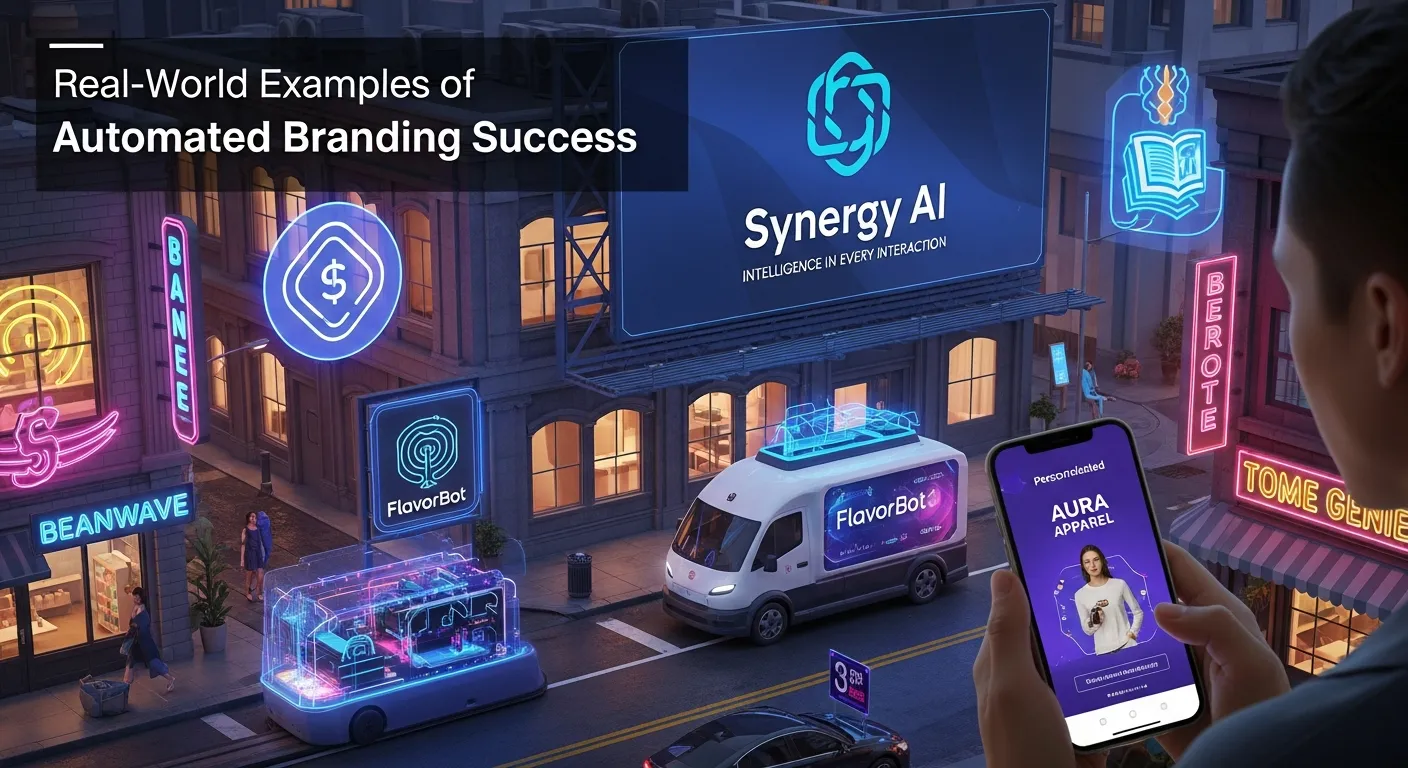
To truly understand the impact of automated branding, it helps to look at how leading companies are utilizing these technologies.
The Startup Sector: Tailor Brands and Looka
For small businesses, automated branding has democratized access to professional design. Platforms like Tailor Brands and Looka use AI to function as an automated creative agency. A user inputs their business name and industry, and the AI generates a complete brand identity—logo, color palette, typography, and even business card mockups—in seconds. This has allowed millions of entrepreneurs to launch with a polished brand without the high cost of a human designer.
The Enterprise Giant: Netflix
Netflix is a prime example of automated branding at an enterprise scale. They use sophisticated algorithms to automate the artwork users see on their homescreens. The “poster” you see for a movie might be different from what another user sees, tailored specifically to your viewing history. If you watch a lot of comedies, the artwork might feature a funny scene; if you watch romance, it might feature the lead couple. Despite these variations, the typography and layout remain consistent with Netflix’s brand, ensuring a cohesive yet personalized experience.
The E-commerce Leader: Amazon
Amazon utilizes automated branding to manage the branding of millions of products on its platform. Their systems automatically generate ad creatives for sellers, ensuring they meet platform standards while optimizing for conversion. Furthermore, Amazon’s A+ Content features allow brands to use templates that automate layout and design, ensuring a consistent shopping experience across the vast marketplace.
Challenges and Limitations of Automated Branding
Despite its transformative potential, automated branding is not without its hurdles. Businesses must navigate these challenges to implement automation effectively.
- Loss of Human Touch: There is a risk that automated branding can lead to sterile, generic identities. If everyone uses the same AI tools and templates, brands may start to look identical. The “human element”—emotional nuance, empathy, and cultural context—can be difficult for AI to replicate perfectly.
- Implementation Complexity: Integrating automated branding workflows into legacy systems can be technically challenging. It often requires a cultural shift within the organization, as creative teams may resist perceived encroachment on their territory.
- Quality Control: While AI is improving, it is not infallible. Automated branding tools can sometimes generate assets that are nonsensical or culturally insensitive if not properly monitored. Human oversight remains crucial to ensure the output aligns with the brand’s values.
- Data Privacy Concerns: Automated branding relies heavily on user data to personalize experiences. With increasing scrutiny on data privacy (GDPR, CCPA), brands must ensure their automation strategies are compliant and transparent to maintain consumer trust.
Future Trends in Automated Branding
The future of automated branding is inextricably linked to advancements in AI and machine learning. Here is where the technology is heading.
Hyper-Personalization at Scale
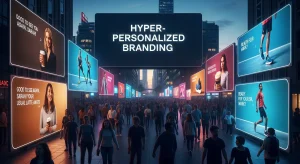
We are moving beyond simple segmentation. Future automated branding will deliver “segments of one.” Brands will be able to dynamically alter their visual identity and tone of voice in real-time to match the mood and context of a specific user. Imagine a website that changes its color scheme and layout based on the user’s browsing history and current time of day—all while retaining the core brand essence.
Generative AI and Dynamic Creation
Generative AI (like Midjourney or DALL-E) will become integrated into brand automation tools. Instead of selecting from pre-made templates, brand managers will be able to type a prompt—”create a festive version of our homepage for Diwali”—and the system will generate entirely new, on-brand assets instantly. This Generative Engine Optimization will revolutionize content production.
Voice and Sonic Branding Automation
As voice search and smart speakers proliferate, automated branding will expand into audio. AI will generate consistent brand voices (literally) for customer service bots, podcasts, and audio ads. Sonic branding—the strategic use of sound—will be automated to ensure audio cues are consistent across all touchpoints.
Predictive Brand Management
Future systems won’t just react; they will predict. Automated branding platforms will use predictive analytics to forecast brand fatigue before it happens. They might suggest a brand refresh or a tweak in color palette based on emerging cultural trends, helping brands stay ahead of the curve proactively.
Integration with the Metaverse and AR
As brands enter virtual spaces, automated branding will be essential for managing 3D assets and avatars. Automation will ensure that a brand’s presence in the metaverse is consistent with its physical and web presence, creating a seamless omnichannel experience.
Conclusion
The game is indeed changing with automated branding. It is no longer a futuristic concept but a present-day reality that distinguishes agile, scalable brands from those weighed down by manual processes. By embracing automated branding, companies can ensure consistency, reduce operational costs, and unlock new levels of personalization.
However, the most successful brands will be those that view automation not as a replacement for human creativity, but as a powerful tool that amplifies it. The future belongs to those who can blend the efficiency of automated branding with the irreplaceable emotional intelligence of human storytellers. As you look to the future of your business, ask yourself: are you playing the old game, or are you ready to automate your way to a stronger, more resilient brand?
FAQs
1. What is the difference between automated branding and marketing automation?
While they overlap, marketing automation focuses on the delivery of messages (sending emails, scheduling posts), whereas automated branding focuses on the creation and management of the brand identity itself (generating logos, enforcing style guides, ensuring visual consistency). Automated branding ensures the asset looks right; marketing automation ensures it gets to the right person.
2. Will automated branding replace human designers?
No. Automated branding replaces repetitive, low-value tasks (like resizing images or minor text edits), freeing up human designers to focus on high-value creative work, strategy, and conceptual design. It removes the drudgery, not the creativity.
3. Is automated branding expensive to implement?
It varies. For startups, AI logo makers are very affordable. For enterprises, implementing comprehensive brand automation tools and BAM systems can have high upfront costs but typically result in significant long-term savings by reducing agency fees and improving efficiency.
4. Can automated branding help with rebranding?
Absolutely. One of the biggest headaches of rebranding is updating assets across thousands of touchpoints. Automated branding systems can often propagate changes globally, updating logos and colors across digital channels instantly, ensuring a smooth transition.
5. How does automated branding ensure consistency?
It uses “guardrails.” Templates and style guides are coded into the software. Users can customize assets (like changing text on a flyer), but the system prevents them from changing locked elements like the logo aspect ratio, brand colors, or font choices, ensuring everything remains on-brand.
6. Is automated branding suitable for small businesses?
Yes, it is particularly beneficial for small businesses that lack large marketing budgets. Tools like Canva or Tailor Brands allow small teams to produce professional-grade, consistent branding without hiring expensive agencies.
7. What role does AI play in automated branding?
AI is the engine. It powers the generative design features, analyzes data to optimize creative decisions, and creates personalized experiences. It allows automated branding to be dynamic and intelligent rather than just a static set of rules.
8. Can automated branding handle voice and tone?
Yes. Natural Language Processing (NLP) tools can analyze written content to ensure it matches the brand’s tone of voice (e.g., friendly, professional, authoritative). Some tools can even rewrite content automatically to align with brand guidelines.
9. What are some popular brand automation tools?
Popular tools include Canva for teams (design automation), Frontify (brand guidelines management), Bynder (digital asset management), and Looka (AI logo generation). Enterprise solutions often involve custom integrations of these technologies.
10. How do I get started with automated branding?
Start by auditing your current brand workflows. Identify repetitive tasks that eat up time (e.g., social media resizing, email signature updates). Then, research brand automation tools that address those specific pain points. Begin with a pilot program before rolling it out across the entire organization.