Why Brand Activation is Essential for Business Growth?

Brand awareness is passive; brand activation is active. It transforms brand identity into an engaging experience that builds lasting customer relationships and drives tangible growth.
This guide explores why brand activation is a non-negotiable for modern businesses. We will dissect the psychological drivers of memorable experiences, outline a framework for creating multi-sensory campaigns, and detail the metrics that truly measure success. Learn how to turn awareness into action and build a loyal community.
Understanding Brand Activation: Moving Beyond Awareness
Having a strong product or an appealing logo is not enough to guarantee success in a crowded marketplace. Customers are inundated with thousands of brand messages daily. To cut through the noise, brands must move from simply being known to being experienced. This is the core purpose of brand activation.
So, what is it? Brand activation is the process of bringing a brand to life through experiences, events, and interactions that engage consumers and build lasting connections. It is the crucial step that follows brand awareness in the marketing funnel. While awareness makes people know your brand exists, activation makes them feel something about it and prompts them to act.
Think of it as the difference between someone knowing your name and someone shaking your hand and having a meaningful conversation with you. Top companies like Coca-Cola and Nike have mastered this, using experiential marketing to connect with their audience and deepen brand engagement. Effective brand activation strategies leverage social media platforms, live events, and interactive campaigns to deliver measurable ROI and build a lasting market presence.
The Psychology Behind Effective Activations
To understand why brand activation works, we must look at consumer psychology. Neuromarketing insights show that people remember experiences that trigger strong emotional responses. Our brains are wired to retain memories that are tied to feelings like joy, excitement, surprise, or belonging. A successful activation strategy targets specific emotions that align with the brand’s core values, a concept central to emotional branding.
Consider how Red Bull consistently creates activations centered around adrenaline, achievement, and pushing limits. Their extreme sports events, like the Red Bull Stratos jump, don’t just showcase their products—they embody their brand promise of “giving you wings.” This powerful psychological alignment makes their activations instantly recognizable and powerfully effective. The goal isn’t just to be seen; it’s to be felt and remembered.
The Pillars of a Successful Brand Activation Strategy

Transforming a marketing strategy into a successful activation requires methodical planning and a deep understanding of your brand and audience. It’s a multi-faceted process that goes far beyond simply hosting an event.
1. Defining Your Core Objectives
Before you plan any activity, you must know what you want to achieve. A brand activation can serve several purposes, and your primary goal will shape every subsequent decision. Common objectives include:
- Driving Product Trials: Getting your product into consumers’ hands (e.g., sampling campaigns).
- Increasing Brand Engagement: Fostering interaction and conversation around your brand.
- Generating Leads: Capturing contact information for future marketing efforts.
- Boosting Sales: Creating a direct path from the activation experience to a purchase.
- Shifting Customer Perception: Changing how your brand is viewed in the market (e.g., from “old-fashioned” to “innovative”).
- Building a Brand Community: Connecting like-minded consumers with each other through the brand.
Why it matters: Without clear objectives, you cannot measure success. If your goal is lead generation, but you only track social media mentions, you’ve failed to measure what matters.
2. Deep Audience Understanding
An activation that delights one demographic may completely miss the mark with another. You must go beyond basic demographics and understand your audience’s psychographics.
- Where do they spend their time (online and offline)? An activation for gamers might thrive on Twitch, while an activation for new parents might be more effective at a local family festival.
- What motivates their purchasing decisions? Are they driven by price, quality, status, or ethical considerations?
- What are their pain points? A successful activation often provides a solution or a moment of relief related to a customer’s problem.
Why it matters: Effective activations meet customers in environments where they are naturally receptive to your message. Placing your activation in the right context is half the battle. Customer journey mapping can be an invaluable tool here.
3. Aligning with Brand Identity and Storytelling
Every activation must be a true reflection of your brand. A luxury brand hosting a messy, chaotic event creates cognitive dissonance that can damage brand equity.
- Brand Voice Strategy: Does your brand have a witty, authoritative, or nurturing voice? The tone of your activation staff and promotional materials must match.
- Visual Identity: The colors, fonts, and imagery used must be consistent with your established branding guidelines.
- Brand Archetype: Is your brand a “Hero,” a “Jester,” or a “Sage”? A Hero brand might host a charity run, while a Jester brand might create a viral comedy sketch.
Why it matters: Consistency builds trust. When your activation feels like a natural extension of your brand’s personality, it reinforces your identity and makes the experience feel authentic rather than like a forced marketing stunt. This is a cornerstone of a successful branding strategy.
Types of Brand Activation Campaigns

Brand activation is not a one-size-fits-all concept. The type of campaign you choose should align with your objectives, audience, and budget. Here are some of the most effective types.
1. Experiential and Event Marketing
This is often what people think of first when they hear “brand activation.” It involves creating a physical experience for consumers to interact with your brand.
- Pop-Up Shops: Temporary retail spaces that create urgency and exclusivity. Glossier’s pop-ups are famous for being highly Instagrammable, turning visitors into marketers.
- In-Store Activations: Using product demonstrations, workshops, or interactive displays within a retail environment to enhance the shopping experience.
- Festival and Trade Show Booths: Creating an engaging oasis at a larger event to draw attendees in. A great example is the HBO “Westworld” activation at SXSW, which recreated the entire town of Sweetwater.
2. Sampling and Product Trial Campaigns
The most straightforward way to win over a customer is to let them experience your product’s quality firsthand.
- In-Person Sampling: Handing out free samples in high-traffic areas.
- “Try Before You Buy” Programs: Allowing customers to test a product for a limited time, which is common for software (free trials) and high-ticket items like cars (test drives).
3. Digital and Social Media Activations
Modern brand activation seamlessly blends the physical and digital worlds.
- Contests and Giveaways: Encouraging user-generated content (UGC) in exchange for a prize (e.g., “Share a photo with our product using #OurBrand for a chance to win”).
- Hashtag Campaigns: Creating a unique hashtag to centralize conversation around a specific event or theme.
- Interactive Content: Using quizzes, polls, or augmented reality (AR) filters to engage users on social media platforms like Instagram and TikTok.
4. Sponsorships and Partnerships
Leveraging the audience of another brand, event, or influencer can be a powerful way to activate your brand.
- Event Sponsorship: Sponsoring a music festival, sporting event, or conference that aligns with your brand’s values.
- Influencer Marketing: Partnering with micro-influencers or larger creators to have them integrate your brand into their content in an authentic way. The key is finding influencers whose personal brand aligns with yours.
Choosing the Right Activation Type
|
Activation Type |
Best For |
Key Metric |
Example |
|---|---|---|---|
|
Experiential/Events |
Building deep emotional connection, brand storytelling |
Dwell Time, Social Mentions |
Red Bull’s Sporting Events |
|
Sampling Campaigns |
Driving product trials, overcoming purchase hesitation |
Trial-to-Purchase Rate |
Costco’s In-Store Samples |
|
Digital Campaigns |
Brand awareness, lead generation, collecting UGC |
Engagement Rate, Leads |
#ShareACoke by Coca-Cola |
|
Sponsorships |
Reaching new, targeted audiences |
Referral Traffic, Brand Mentions |
Nike sponsoring elite athletes |
Creating Multi-Sensory Experiences
The most memorable activations engage multiple senses. When customers can see, hear, touch, taste, or even smell your brand, you create deeper and more resilient neural pathways for brand recall. This is the essence of sensory branding.
- Sight: This is the most obvious sense. Use your brand’s color psychology, create visually stunning displays, and design spaces that are inherently shareable on social media.
- Sound: What does your brand sound like? This includes the music you play at an event, a unique sonic logo (like Intel’s), or the sound a product makes. Voice branding is becoming increasingly important with the rise of smart speakers.
- Touch: The texture of your packaging, the feel of a product, or the materials used in your event space all contribute to the experience.
- Smell: Scent is powerfully linked to memory. Many hotels and retail stores use a signature scent to create a specific ambiance and make their brand instantly recognizable.
- Taste: For food and beverage brands, taste is the ultimate activation. For others, offering refreshments that align with the brand’s persona can enhance the experience.
Samsung’s product launch events exemplify this approach. Their showcases allow customers to physically interact with new devices (touch) while immersive audio-visual elements (sight and sound) reinforce the innovation narrative. This multisensory branding strategy creates a more profound memory imprint than traditional advertising ever could.
Measuring Brand Activation Success: Metrics That Matter

An effective brand activation requires a clear measurement framework that goes beyond simple attendance numbers or vanity metrics. To prove ROI and refine future campaigns, you need to track metrics across the entire customer journey.
Awareness and Reach Metrics
These metrics tell you how many people were exposed to your activation.
- Impressions: The total number of times your activation content was displayed.
- Social Media Mentions: How often your brand or campaign hashtag was mentioned.
- Media Value: The equivalent cost of the organic press and social coverage you received.
Engagement Metrics
These metrics measure the quality of the interaction.
- Dwell Time: How long did attendees stay at your physical event?
- Interaction Rate: What percentage of attendees participated in the core activity?
- User-Generated Content (UGC): How many pieces of content were created and shared by attendees? This is a powerful form of social proof.
- Engagement Rate (Digital): The percentage of your audience that liked, commented on, or shared your digital activation content.
Behavioral and Conversion Metrics
These are the bottom-line metrics that connect the activation to business growth.
- Leads Generated: The number of new contacts captured.
- Sales Lift: The increase in sales in the period during and after the activation. This can be tracked with unique promo codes.
- Website Traffic: An increase in direct or referral traffic from the activation. Tools like Google Analytics are essential here.
- Trial-to-Purchase Conversion Rate: For sampling campaigns, what percentage of people who tried the product went on to buy it?
Brand Perception Metrics
These qualitative metrics measure the activation’s impact on how people feel about your brand.
- Sentiment Analysis: Was the online conversation about your activation positive, negative, or neutral?
- Surveys: Conduct pre- and post-activation surveys to measure shifts in brand awareness, favorability, and purchase intent.
Using a combination of these metrics provides a holistic view of your activation’s performance and helps demonstrate its value to stakeholders.
Digital Integration for Extended Impact
In today’s world, a purely physical activation has limited reach. Smart brands create activation experiences that are inherently designed to bridge the physical and digital realms, creating an omnichannel strategy.
- Encourage Social Sharing: Design “Instagrammable” moments. Create photo booths, unique backdrops, or surprising elements that people will want to share. This turns your attendees into a volunteer marketing force.
- Use Hashtags and QR Codes: A clear, simple hashtag centralizes the online conversation. QR codes can seamlessly link a physical experience to a digital one, such as signing up for a newsletter, downloading an app, or accessing an exclusive offer.
- Extend the Experience: Don’t let the conversation end when the event is over. Use the leads and content generated to fuel follow-up email campaigns, social media content, and future marketing efforts.
- Capture Valuable Data: A digital layer allows you to capture first-party data that can be used for hyper-personalization in future marketing.
Glossier’s pop-up experiences showcase this integration masterfully. Their aesthetically pleasing physical spaces encourage UGC, while digital touchpoints and email follow-ups extend the customer experience long after the initial visit.
Avoiding Common Brand Activation Pitfalls
Many brands, in their excitement to create something memorable, fall into predictable traps.
- Spectacle Without Substance: Creating a huge, expensive event that looks cool but has no clear connection to the brand or its products. It generates buzz but no business results.
- Failing to Align with Broader Messaging: The activation feels disconnected from the rest of your marketing. A brand that preaches sustainability but hosts a wasteful event creates a credibility gap.
- Neglecting Post-Activation Follow-Through: The biggest mistake is treating the activation as a one-off event. The real value often comes from nurturing the leads and leveraging the content generated in the weeks and months that follow.
- Prioritizing Novelty Over Relevance: Using a new technology like Metaverse branding or augmented reality just because it’s trendy, without a clear strategic reason, often leads to a confusing and ineffective experience.
- Logistical Failures: Long lines, technical glitches, or rude staff can turn a well-conceived idea into a negative brand experience. Flawless execution is non-negotiable.
Successful activations avoid these pitfalls by maintaining tight strategic alignment while delivering genuine, tangible value to participants.
The Future of Brand Activation
As consumer expectations evolve, brand activation must become increasingly personalized, meaningful, and technologically integrated.
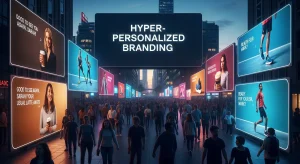
- Hyper-Personalization: Leveraging data-driven insights to create tailored experiences. Imagine an event where your name tag automatically brings up personalized content on screens you walk past.
- Sustainability and Purpose: Consumers, especially younger generations, expect brands to be responsible. Sustainable marketing practices, such as using recycled materials for an event or partnering with a charity (brand purpose development), are becoming key differentiators.
- Immersive Technologies: Augmented reality (AR), virtual reality (VR), and gamification strategies will allow brands to create more engaging and interactive experiences that blur the lines between physical and digital.
- The Metaverse: While still in its infancy, Metaverse marketing offers a new frontier for creating persistent, shared brand experiences where users can interact with brands and each other in a virtual world.
The brands that embrace these innovations while staying true to their core identity will create the most powerful and memorable customer touchpoints of the future.
Conclusion
A great product is a starting point, but a great brand is a destination. Brand activation is the bridge that gets your customers there. It represents the crucial intersection where strategy meets experience, turning passive awareness into active engagement and fostering the kind of loyalty that drives sustainable business growth.
The most powerful activations don’t just promote products—they bring a brand’s promise to life in a way that resonates authentically with customers’ lives and aspirations. They create memories, build communities, and transform consumers into lifelong advocates.
FAQs
1. What is the difference between brand marketing and brand activation?
Brand marketing is the broad, long-term strategy of shaping a brand’s identity and reputation. Brand activation is a specific campaign or event within that strategy designed to bring the brand to life and prompt consumer action. Marketing builds the brand; activation mobilizes it.
2. How much should I budget for a brand activation?
Budgets can range from a few hundred dollars for a small digital contest to millions for a large-scale experiential event. The key is to align your budget with your objectives and ensure you have a clear plan to measure ROI. Start small, prove the concept, and scale up.
3. Can B2B companies use brand activation?
Absolutely. For B2B, activations might look different but are just as important. Examples include hosting an exclusive industry summit, creating an immersive booth at a trade show, launching a thought-leadership webinar series, or developing valuable interactive tools for clients.
4. How long should a brand activation campaign last?
The duration depends on the format. A physical event might last a day or a weekend, while a digital hashtag campaign could run for a month. The “tail” of the activation—the period of follow-up and content repurposing—can and should last much longer.
5. What is the most important element of a successful activation?
Authenticity. The experience must feel like a genuine expression of your brand’s values and personality. If it feels like a disingenuous or forced marketing ploy, consumers will see right through it, and it can cause more harm than good.
6. How do I measure the ROI of a brand activation?
To measure ROI, you must first define your objectives. If your goal was sales, compare the cost of the activation to the sales lift generated. If your goal was awareness, you can calculate the earned media value of the press and social coverage. A comprehensive ROI calculation often involves multiple metrics.
7. What is “phygital” marketing?
“Phygital” is a term that describes the blending of physical and digital experiences. It’s a core concept in modern brand activation, where a physical event is enhanced and extended through digital touchpoints like QR codes, social media, and mobile apps.
8. How can a small business with a limited budget do a brand activation?
Small businesses can be very effective here. Ideas include: hosting a free workshop at your store, partnering with another local business for a small event, running a creative UGC contest on Instagram, or engaging in hyperlocal marketing by sponsoring a local youth sports team.
9. What is the role of influencers in brand activation?
Influencers can play two roles: they can be attendees whose presence and social sharing amplify the reach of your event, or they can be co-creators who help design and promote the activation to their audience, lending their credibility and creativity to the campaign.
10. How does brand activation relate to the customer journey?
Brand activation typically sits in the middle of the customer journey. It bridges the gap between the initial “Awareness” stage and the “Consideration” and “Conversion” stages. A successful activation can accelerate a customer’s journey from being aware of you to being ready to buy from you.