Product Branding Strategy: The Ultimate Guide to Growth
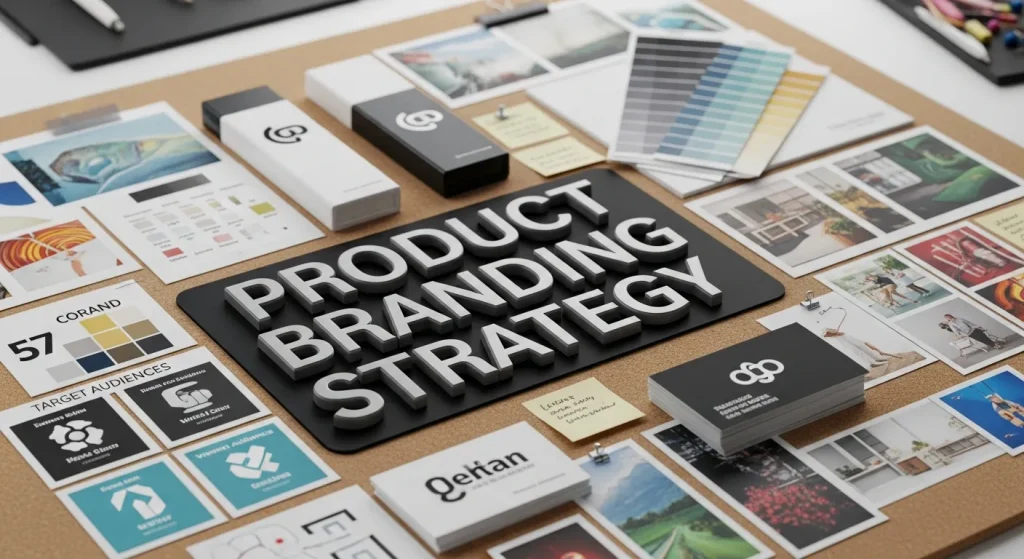
Great products don’t just appear; they are crafted into icons. A robust product branding strategy transforms a simple commodity into a beloved necessity that commands loyalty and premium pricing.
This guide explores the essential components of a successful product branding strategy. We will cover how to define your unique value proposition, master brand positioning, and leverage emotional branding to stand out. You’ll learn actionable steps to build brand equity, enhance customer perception, and drive sustainable growth in a crowded marketplace.
What is a Product Branding Strategy?
A product branding strategy is the deliberate process of giving a product a distinct identity. It goes far beyond a logo or a catchy name. It is the sum of every interaction a customer has with your product—from the packaging and price point to the marketing message and user experience. It is the strategic blueprint for how you want your product to be perceived in the minds of consumers.
In today’s saturated market, where consumers are bombarded with choices, a strong product branding strategy is your most powerful differentiator. It answers the fundamental question: “Why should I choose this over that?” It moves the conversation from price to value, allowing you to build brand equity in marketing that shields you from competitors.
Effectively executing a product branding strategy means aligning your product’s features with your target audience’s deep-seated needs and desires. It involves mastering brand alignment between what you sell and who you are selling to. Whether you are launching a new software tool or a line of organic snacks, the principles remain the same: clarity, consistency, and connection.
The Core Components of Product Branding
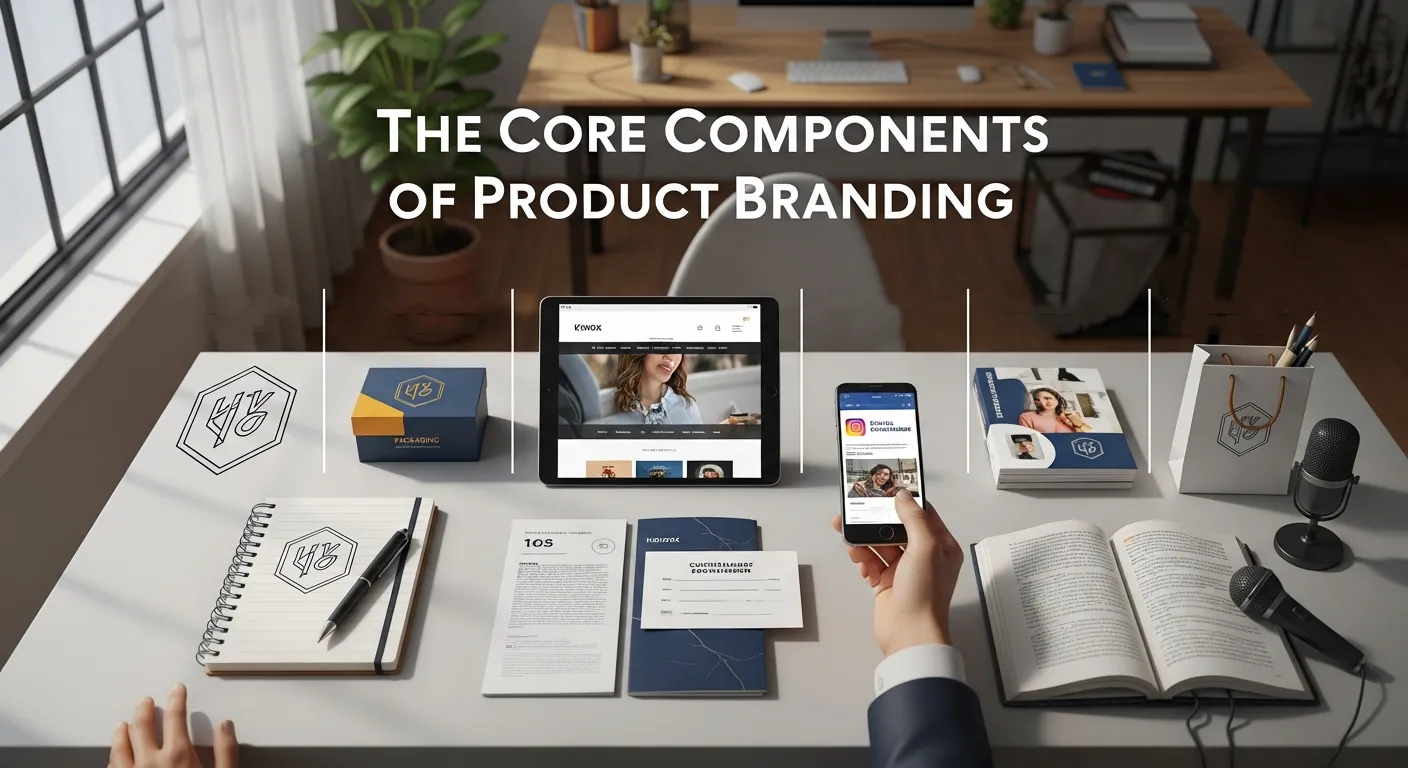
To build a strategy that works, you need to understand the building blocks. A product branding strategy isn’t a single tactic; it’s an ecosystem of decisions.
1. Brand Identity and Visuals
Your visual identity is the “face” of your product. This includes your logo, color palette, typography, and packaging design.
- The Psychology of Color in Branding: Colors aren’t just aesthetic choices; they are emotional triggers. Red can signal urgency or excitement (think Coca-Cola), while blue often conveys trust and reliability (think Intel).
- Packaging: In CPG brand marketing (Consumer Packaged Goods), your packaging is your silent salesman. It needs to pop on the shelf and communicate your value proposition instantly.
2. Brand Positioning
Brand positioning in marketing defines where your product sits in the marketplace relative to competitors. Are you the luxury option? The budget-friendly alternative? The eco-conscious choice?
- Value Based Brand Positioning: This involves aligning your product with specific customer values, such as sustainability or inclusivity.
- Competitive Analysis: Tools like SEMrush and Ahrefs can help you analyze competitor positioning to find gaps you can exploit.
3. Brand Voice and Messaging
Your brand voice is the personality of your product expressed through words. Is it witty and irreverent like Old Spice? Or serious and authoritative like The New York Times?
- Consistency: Your voice must be consistent across all channels, from your website copy to your social media posts. Brand consistency builds trust.
- Storytelling: Mastering brand storytelling allows you to wrap your product in a narrative that resonates emotionally with users.
4. Target Audience Definition
You cannot have a successful product branding strategy if you don’t know who you are talking to.
- Buyer Personas: Create detailed profiles of your ideal customers. What are their pain points? What motivates them?
- Customer Perception: Understanding how your audience currently views your product (or the category in general) is crucial for shaping your strategy.
Developing Your Product Branding Strategy: A Step-by-Step Guide

Creating a winning product branding strategy requires a methodical approach. Here is a roadmap to guide you.
Step 1: Conduct Thorough Market Research
Before you draw a logo or write a tagline, you need data.
- Analyze the Competition: Who are the major players? What are their strengths and weaknesses? Use competitive brand analysis to identify opportunities for differentiation.
- Understand the Customer: Use surveys, focus groups, and social listening to understand customer needs. Social listening as a brand strategy tool is invaluable for uncovering unfiltered consumer opinions.
Step 2: Define Your Unique Value Proposition (UVP)
What makes your product different? Why should anyone care? Your UVP is the core of your product branding strategy.
- Solve a Problem: The best products solve a specific problem better than anyone else.
- Identify Your “X-Factor”: Is it your technology? Your ingredients? Your customer service? This is your competitive advantage.
Step 3: Craft Your Brand Personality
If your product were a person, who would it be?
- Brand Archetypes: Use frameworks like Jung’s 12 archetypes to define your personality. Are you the Hero (Nike)? The Caregiver (Johnson & Johnson)? The Creator (Apple)?
- Brand Personality Assessment: Ensure your personality aligns with your target audience’s aspirations.
Step 4: Design Your Visual Identity
Now translate your strategy into visuals.
- Logo Design: It should be simple, memorable, and scalable.
- Design System: Create a comprehensive brand style guide to ensure visual consistency across all touchpoints. This is critical for brand recognition in marketing.
Step 5: Develop Your Go-to-Market Strategy
How will you introduce your brand to the world?
- Integrated Marketing: Ensure your launch campaign is cohesive across PR, digital ads, social media, and content marketing.
- Global Brand Launch Checklist: If you are launching internationally, consider global brand localization to ensure your branding translates culturally.
Differentiating Your Product in a Crowded Market
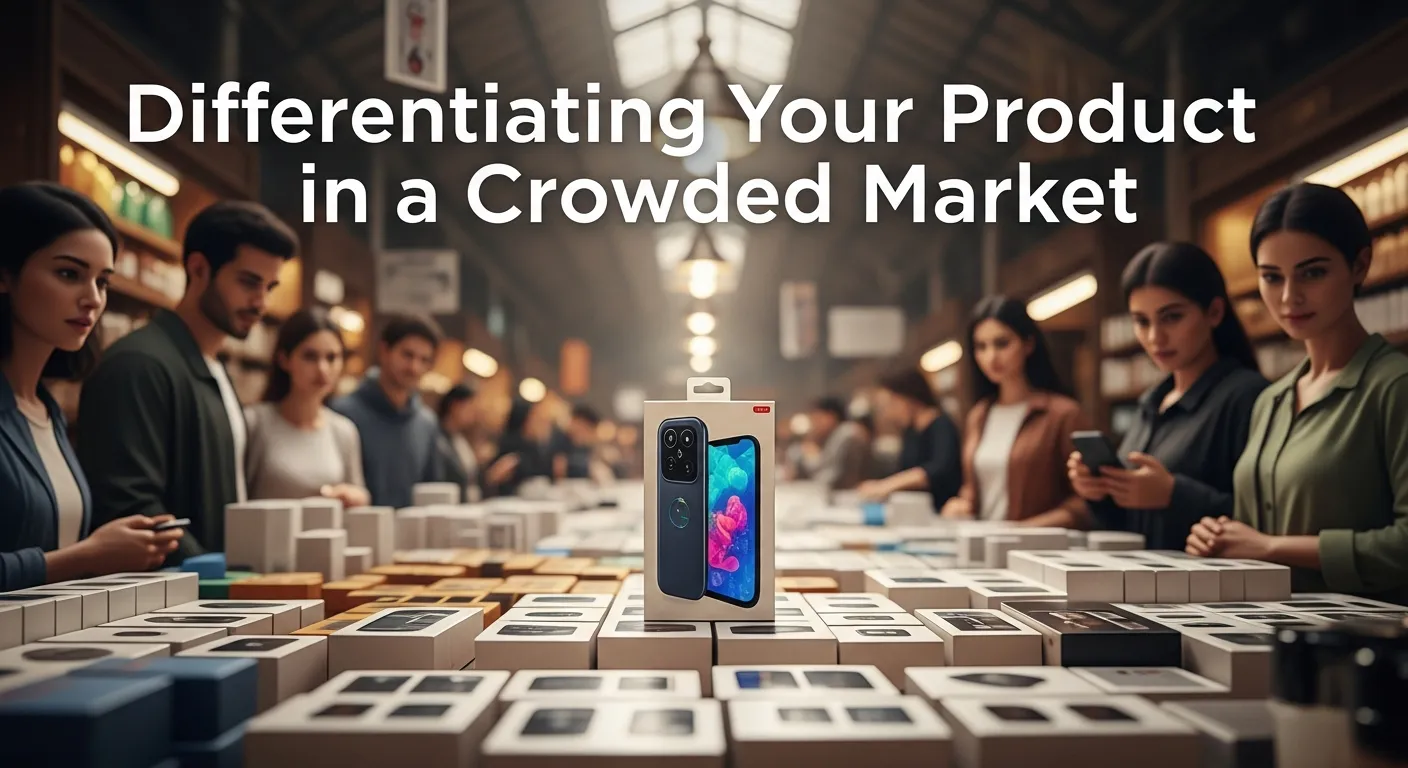
Differentiation is the heart of product branding strategy. Without it, you are just a commodity fighting a price war.
Emotional Branding
People buy with emotion and justify with logic. Emotional branding connects your product to a feeling.
- Example: Michelin tires doesn’t just sell rubber; they sell safety for your family.
- Tactics: Use interactive storytelling in branding to engage customers emotionally. Share stories of how your product changes lives, not just how it works.
Sustainable Branding Strategies
Modern consumers, especially Gen Z and Millennials, prefer brands that stand for something.
- The Truth Behind Branded Sustainability: Authenticity is key. Don’t greenwash. If your product branding strategy claims sustainability, your supply chain must back it up.
- Green Marketing: Highlight your eco-friendly practices as a core differentiator.
Sensory Branding
Sensory branding engages senses beyond just sight.
- The Power of Sonic Branding: Think of the Netflix “Ta-Dum.” A distinct sound can instantly trigger brand recognition.
- Tactile and Olfactory: For physical products, the texture of the packaging or the scent of the product can be a massive part of the product branding strategy.
The Role of Digital Marketing in Product Branding
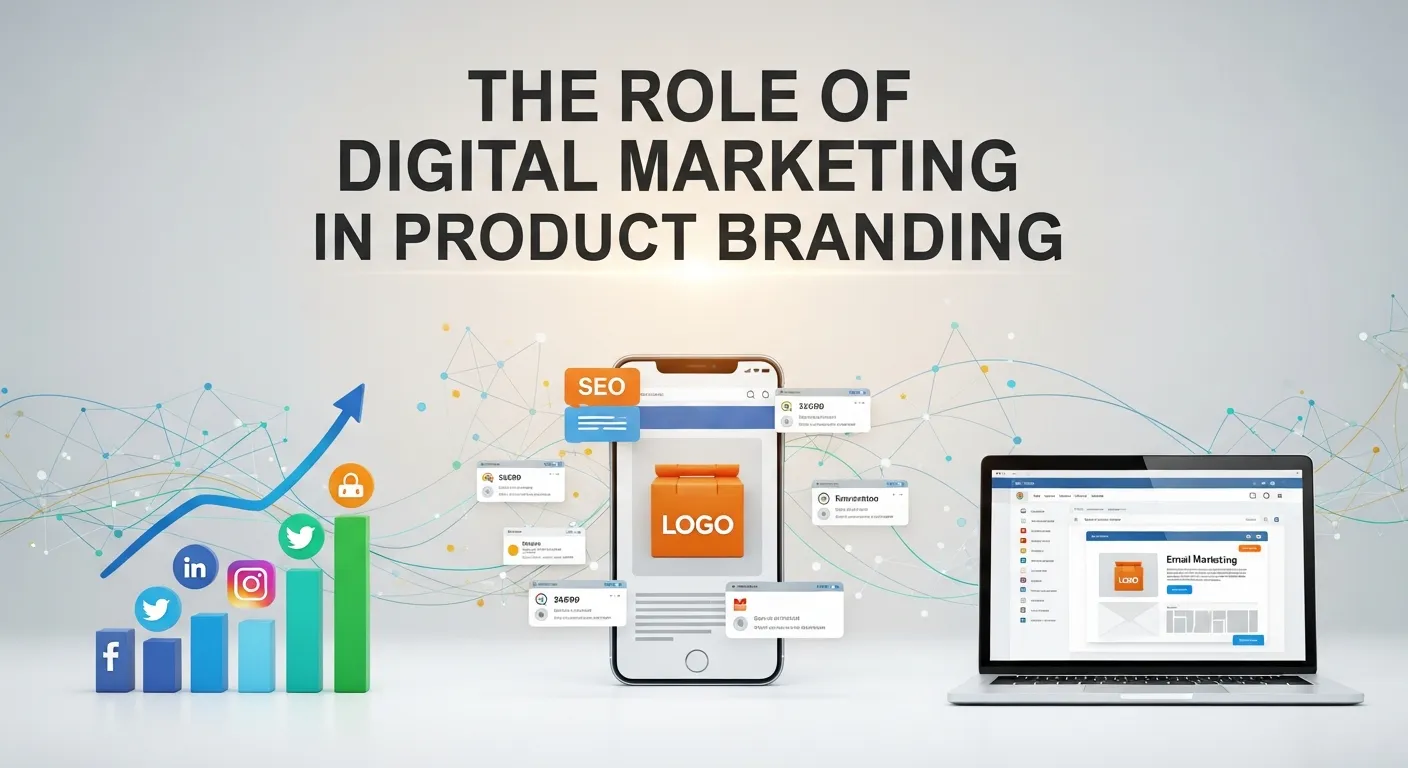
In the digital age, your product branding strategy lives online.
Content Marketing
What is branded content marketing? It is creating valuable content that educates or entertains your audience while subtly promoting your brand.
- Blogs and Video: High-quality content establishes authority and improves SEO, driving organic traffic.
- Influencer Marketing: Partnering with influencers allows you to borrow their trust and reach new audiences. The ROI of influencer marketing can be incredibly high for product launches.
Social Media Presence
Your social media channels are often the first place customers interact with your brand.
- How to Get Brand Promotions on Instagram: Use high-quality visuals and engage with user-generated content.
- Brand Voice in the Era of Conversational AI: Ensure your chatbots and automated responses reflect your brand’s personality.
SEO and Online Visibility
You can have the best product branding strategy in the world, but it fails if no one can find you.
- Keywords: Optimize your product pages and content for terms like “best [product category]” and specific feature-based queries.
- Backlinks: Building links from high-authority sites (like Wikipedia or industry news sites) signals trust to search engines.
Managing Brand Equity and Perception
A product branding strategy is not a “set it and forget it” task. It requires ongoing management.
Measuring Brand Equity
Brand equity is the value of your brand name. High equity allows you to charge more and retain customers longer.
- Brand Awareness: Measure how many people know your brand exists.
- Brand Loyalty: Track repeat purchase rates and Net Promoter Score (NPS).
- How to Measure Brand Equity: Use surveys and brand tracking software to monitor changes over time.
Brand Crisis Management
In the age of social media, a brand reputation can be ruined in minutes.
- Brand Crisis Management in the Social Media Era: Have a plan in place. Respond quickly, transparently, and empathetically to negative feedback or PR issues.
- Brand Resilience Strategies: Build a “bank of goodwill” with your customers through consistent positive actions so they are more likely to forgive a mistake.
Brand Extensions
Once you have a successful product branding strategy, you can leverage it to launch new products.
- Why Is Brand Extension a Popular Marketing Strategy? It reduces the risk of new product launches because customers already trust the parent brand.
- Risk of Cannibalization: Be careful that the new product doesn’t eat into the sales of your existing products (brand cannibalization).
Product Branding Strategy vs. Corporate Branding
It is important to understand the difference between product branding strategy and corporate branding.
|
Feature |
Corporate Branding |
Product Branding |
|---|---|---|
|
Focus |
The entire company |
A specific product or service |
|
Target Audience |
Stakeholders, investors, employees, customers |
Specific consumer segments |
|
Goal |
Build corporate reputation and trust |
Drive sales and market share |
|
Lifespan |
Long-term, enduring |
Product lifecycle dependent |
|
Example |
Procter & Gamble (P&G) |
Gillette, Pampers, Tide |
While they are distinct, they must be aligned. A strong corporate brand can lend credibility to a product brand (e.g., “Apple iPhone”), while a strong product branding strategy can lift the corporate reputation.
The Future of Product Branding

The landscape of product branding strategy is evolving rapidly.
AI and Personalization
AI-Powered Brand Analysis allows brands to analyze customer data at scale and deliver hyper-personalized experiences.
- Generative Engine Optimization: As search moves toward AI-generated answers, brands will need to optimize for being cited by AI models.
- Predictive Personalization: Anticipating customer needs before they even express them.
The Metaverse and Web3
Mastering metaverse branding offers new opportunities for digital products and virtual experiences.
- Augmented Reality Branding: Allowing customers to visualize products in their own space before buying.
- Virtual Goods: Branding digital assets for avatars in virtual worlds.
Inclusivity and Accessibility
Inclusive brand strategies are no longer optional.
- Ultimate Guide to Brand Accessibility: Ensure your branding (colors, fonts, website code) is accessible to people with disabilities. This expands your market and demonstrates social responsibility.
Conclusion
A successful product branding strategy is the bridge between a great product and a loyal customer. It requires a deep understanding of your market, a clear definition of your value, and the creative bravery to stand out. By focusing on emotional connection, consistent messaging, and strategic positioning, you can build a brand that doesn’t just survive but thrives. Remember, your product is what you sell; your brand is what they buy. Invest in your product branding strategy today to secure your market leadership tomorrow.
Frequently Asked Questions (FAQs)
1. What is the difference between branding and marketing?
Branding is who you are (your identity, values, and personality). Marketing is how you build awareness of who you are (tactics to drive sales). Your product branding strategy defines the core message that your marketing delivers.
2. How much should I budget for a product branding strategy?
Budget varies wildly depending on company size. However, a rule of thumb is to allocate 5-10% of projected revenue for branding and marketing. For startups, the initial investment in brand identity (logo, website, packaging) is critical.
3. Can I rebrand an existing product?
Yes, brand revitalization or rebranding is common. It is often done when sales are declining, the market has shifted, or the product has evolved significantly. However, it carries risks and requires a careful rebranding case study analysis before proceeding.
4. How does product branding affect pricing?
Strong branding increases brand equity, which allows for premium pricing. Customers are willing to pay more for a brand they trust and feel emotionally connected to, rather than a generic alternative.
5. What is the role of packaging in product branding?
Packaging is a critical touchpoint, especially for retail products. It must communicate the brand’s personality, promise, and information in seconds. It is a tangible representation of your product branding strategy.
6. How do I know if my product branding strategy is working?
Track metrics like brand awareness, customer acquisition cost (CAC), and customer retention rates. High awareness and low CAC usually indicate a strong brand. Also, monitor sentiment through social listening.
7. Is product branding important for B2B companies?
Absolutely. B2B buyers are still human beings looking for trust, reliability, and reduced risk. A strong B2B brand differentiation strategy can shorten sales cycles and build long-term partnerships.
8. How do I protect my product brand?
Legal protection (trademarks, patents) is the first step. Additionally, maintaining brand safety in digital marketing ensures your ads don’t appear alongside harmful content, protecting your reputation.
9. Can a product have a different brand than the company?
Yes, this is called a “House of Brands” strategy (like Unilever or P&G). It allows individual products to target specific niches without being constrained by the corporate brand’s identity.
10. What is the biggest mistake in product branding?
Inconsistency. If your website says you are “luxury” but your packaging feels cheap, or your social media voice is “silly” but your customer service is “robotic,” you break trust. Brand consistency is non-negotiable.