Brand Rituals: How Small Habits Can Build Massive Brand Loyalty
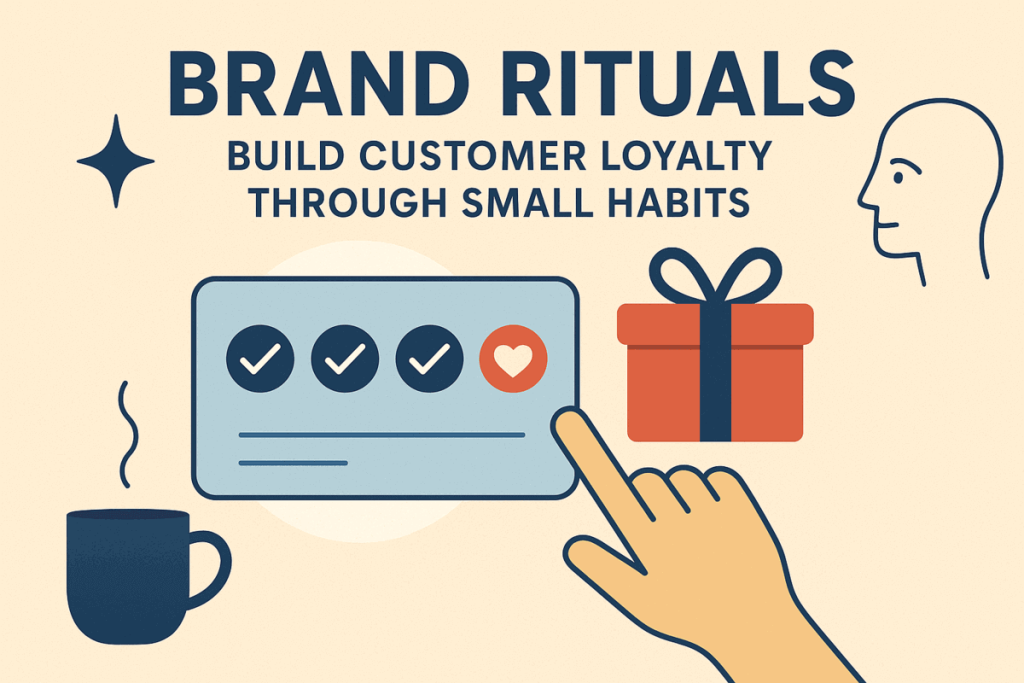
Think about your morning coffee or the way you unwind after a long day. These aren’t just habits; they’re rituals that bring comfort and meaning.
This guide explores how brands can create powerful brand rituals. We’ll delve into the psychology behind these repeated behaviors, showing you how to turn simple customer habits into profound acts of loyalty that foster deep emotional connections and drive business growth.
What Are Brand Rituals (and Why Do They Matter)?
A habit is something you do automatically, like brushing your teeth. A ritual is a habit with meaning. It’s a series of behaviors performed in a prescribed order that carries an emotional or symbolic weight. Brand rituals are a powerful form of emotional branding that transform the mundane use of a product into a meaningful experience.
Think of Oreo’s famous “Twist, Lick, Dunk” process. It’s not just about eating a cookie; it’s a specific, taught sequence that elevates the act. This is one of the most famous examples of brand rituals in action. It turns a simple snack into a shared cultural experience, fostering brand loyalty across generations. Similarly, the specific way one prepares a cup of tea or enjoys a glass of Corona with a lime are all carefully cultivated brand rituals.
Why are brand rituals so important? Because they tap into a fundamental human need for structure, comfort, and meaning. According to studies in consumer psychology, rituals can increase the perceived value of a product and enhance the consumption experience. They move a customer’s relationship with a brand from transactional to transformational. Brand rituals are the secret ingredient that turns customers into devoted advocates, significantly boosting brand equity in marketing.
The Neuroscience of Brand Rituals and Loyalty
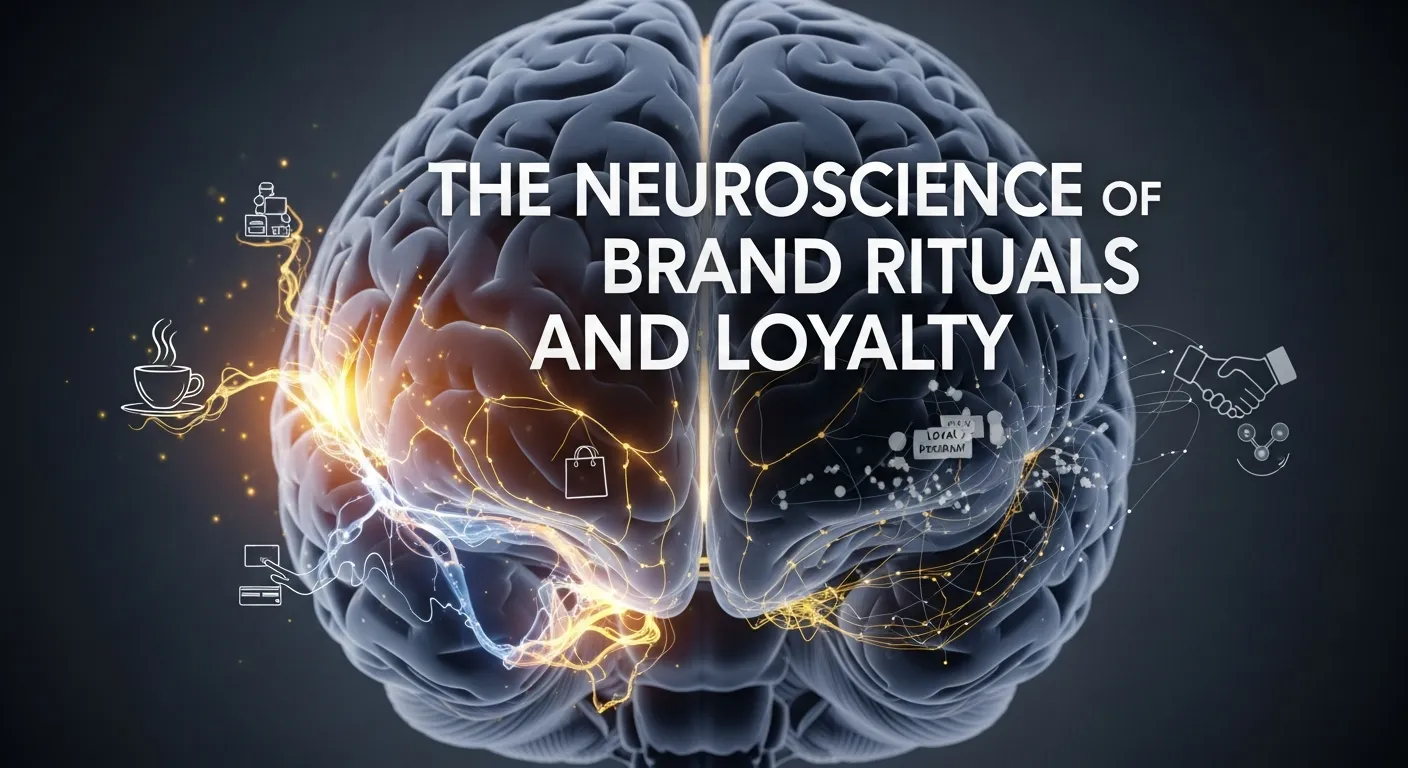
To understand the power of brand rituals, we must look at the neuroscience of brand loyalty. When we perform a ritual, our brains release dopamine, a neurotransmitter associated with pleasure and reward. This creates a positive feedback loop. The brain begins to associate the brand and its products with this feeling of satisfaction, reinforcing the behavior.
Tapping into the Science of Brand Memory
Brand rituals create strong memory pathways. The structured, multi-sensory nature of a ritual engages more of the brain than a simple, habitual action.
- Procedural Memory: The physical steps of the ritual (e.g., grinding coffee beans, lighting a specific candle) are stored in our procedural memory, making the action feel second nature.
- Episodic Memory: The positive emotions and context surrounding the ritual are stored as episodic memories. This is where nostalgia in digital branding can be leveraged; brand rituals often evoke fond memories of family or special occasions.
- Sensory Branding: Brand rituals are often multisensory. The smell of the coffee, the sound of a can opening (the power of sonic branding), or the feel of a product’s packaging all contribute to a richer, more memorable experience.
This deep-seated neurological connection is why brand rituals are so effective at building long-term loyalty. They make a brand an indispensable part of a customer’s life story.
The Pillars of a Powerful Brand Ritual
Not all repeated actions become brand rituals. A successful ritual typically contains three key elements that differentiate it from a mere habit.
1. A Prescribed Sequence of Actions
A ritual has a clear beginning, middle, and end. The steps are intentional. Guinness, for instance, has perfected this with its “two-part pour.” Bartenders are trained to pour the stout, let it settle, and then top it off. This process isn’t just for show; it creates a moment of anticipation and reinforces the idea that enjoying a Guinness is a special, crafted experience. This is a classic example of brand rituals creating perceived value.
2. Symbolic Meaning and Story
The actions must symbolize something greater than the product itself. The ritual of sharing a Kit Kat by “breaking” it in half connects to a theme of sharing and taking a break. Mastering brand storytelling is essential here. Your brand ritual should be an extension of your brand’s core narrative and brand purpose in action. It should align with your chosen brand archetypes—is it about rebellion, comfort, or celebration?
3. A Trigger and a Reward
Like any habit loop, brand rituals need a trigger (e.g., finishing a workout, starting the workday) and a reward (e.g., a feeling of refreshment, a sense of accomplishment). The reward is often emotional. The brand ritual of a skincare routine isn’t just about clean skin; it’s about self-care and preparing for the day ahead or unwinding before bed.
How to Design and Encourage Brand Rituals
Creating brand rituals is a deliberate process of customer-centric brand development. It’s not about forcing behavior but about gently guiding customers toward a more meaningful way to interact with your product.
Step 1: Understand Your Customer’s Journey
Before you can create brand rituals, you need to understand the existing habits and routines of your target audience.
- Customer Journey Mapping: Map out how, when, and why customers use your product. Where does it fit into their day?
- Social Listening: Use tools from platforms like SEMrush or Ahrefs to monitor how people are talking about your product. Are they already creating their own organic brand rituals? Social listening is a key brand strategy tool for uncovering these insights.
- Surveys and Interviews: Directly ask your customers about their usage habits. You might uncover surprising routines that can be formalized into official brand rituals.
Step 2: Design the Ritual
Based on your research, design a simple, repeatable sequence of actions.
- Keep it Simple: The ritual should be easy to learn and perform. Complicated brand rituals are less likely to be adopted.
- Incorporate Sensory Elements: How can you engage multiple senses? Think about sound, smell, touch, and sight. Multisensory branding makes rituals more immersive and memorable.
- Give it a Name: Naming the ritual (like Oreo’s “Twist, Lick, Dunk”) makes it official, shareable, and easier to remember.
Step 3: Teach the Ritual Through Marketing
Once you have designed the ritual, you need to teach it to your audience. This is where your digital marketing strategies come into play.
- Packaging: Print the steps of the ritual directly on your packaging.
- Content Marketing: Create blog posts, videos, and social media content that demonstrate the brand ritual. What is branded content marketing? It’s creating a “how-to” video for your ritual that people find genuinely helpful or entertaining.
- Influencer Marketing: Partner with influencers to showcase the brand ritual in an authentic way. When an influencer incorporates your ritual into their daily routine, it provides powerful social proof. The ROI of influencer marketing can be significantly boosted when focused on demonstrating brand rituals.
Step 4: Reinforce and Reward the Behavior
Encourage ongoing participation in your brand rituals.
- Build a Brand Community: Create a space (like a Facebook group or a subreddit) where customers can share their experiences with your brand ritual. This fosters a sense of belonging.
- Gamified Branding: Use gamification in marketing by creating challenges or rewarding users for sharing photos or videos of themselves performing the brand ritual.
- User-Generated Content (UGC): Feature customer content prominently. This not only provides you with authentic marketing material but also validates and rewards the customer’s participation.
Examples of Brand Rituals in Action
Studying digital marketing success stories reveals how different industries have successfully implemented brand rituals.
|
Brand |
Product |
Brand Ritual |
Symbolic Meaning |
|---|---|---|---|
|
Oreo |
Cookies |
Twist, Lick, Dunk |
Playfulness, childhood, sharing |
|
Corona |
Beer |
Adding a lime wedge |
Relaxation, vacation, escaping the everyday |
|
Aēsop |
Skincare |
The meticulous in-store hand-washing experience |
Purity, mindfulness, luxury self-care |
|
Guinness |
Beer |
The two-part “perfect pour” |
Patience, craftsmanship, quality |
|
Le Labo |
Perfume |
Compounding the scent and personalizing the label in-store |
Exclusivity, craftsmanship, personal identity |
These examples show that brand rituals can be applied to a wide range of products, from CPG brand marketing staples to high-end luxury goods. They all succeed by adding a layer of intention and story to the act of consumption.
The Link Between Brand Rituals and Brand Consistency
Brand rituals are a powerful tool for reinforcing brand consistency. A ritual is, by its nature, a consistent act. When a customer performs your brand ritual, they are actively participating in and reinforcing your brand’s identity.
- Consistent Experience: Brand rituals ensure that the product is experienced in a consistent way, as intended by the brand. This helps manage customer perception and ensures a uniform quality of experience.
- Reinforcing Brand Voice: The language used to describe and teach the ritual should be steeped in your brand voice in marketing. This is another touchpoint to showcase your brand personality in marketing.
- Building Brand Resilience: Brands with strong rituals are often more resilient to market changes and competition. The emotional bond created by brand rituals makes customers less likely to switch to a competitor, even if that competitor offers a lower price.
Challenges and Considerations in Creating Brand Rituals
While powerful, creating brand rituals is not without its challenges.
Authenticity is Non-Negotiable
You cannot force a ritual onto your audience. It must feel natural and authentic to your brand and your product. A forced or contrived ritual will be seen as a cynical marketing ploy and will likely fail. This is where you must measure brand authenticity using real-time data and feedback.
The Risk of Rigidity
While brand rituals rely on a prescribed sequence, there should be room for personal interpretation. If the ritual is too rigid, it may feel controlling. The goal is to provide a framework, not a straitjacket. For example, while “Twist, Lick, Dunk” is the classic Oreo ritual, some people might prefer to just dunk. The brand embraces all forms of interaction.
Cultural Branding and Localization
A ritual that works in one culture may not translate to another. When considering a global brand launch, you must research cultural norms to ensure your proposed brand rituals are not inappropriate or nonsensical. This is a key aspect of global brand localization.
The Future of Brand Rituals: Digital and Immersive Experiences
As technology evolves, so do the opportunities for creating brand rituals.
Digital Brand Rituals
Brands are now creating rituals that exist entirely in the digital space.
- Morning Newsletters: Subscribing to a daily newsletter like The Morning Brew becomes a morning ritual for many professionals.
- Meditation Apps: Apps like Calm and Headspace have built powerful brand rituals around daily meditation practices.
- Gamified Branding: Daily check-ins or challenges in an app (like Duolingo’s streak feature) create powerful digital brand rituals.
Augmented Reality and the Metaverse
Augmented reality branding and mastering metaverse branding will open new frontiers for brand rituals.
- AR Filters: Brands can create AR filters that guide users through a virtual product experience or ritual.
- Virtual Spaces: In the metaverse, a brand could create a dedicated virtual space where users can gather and perform collective brand rituals, enhancing the sense of community.
- AI Sensory Branding: AI can be used to create hyper-personalized sensory experiences that form the basis of future brand rituals.
Conclusion
Brand rituals are the ultimate expression of brand loyalty. They transform passive consumers into active participants in your brand’s story. By moving beyond simple habits and instilling a sense of meaning and purpose into the use of your product, you create an unbreakable emotional bond. These small, repeated actions build massive loyalty, turning everyday interactions into cherished moments that define a customer’s relationship with your brand for years to come. Start by observing your customers, find a meaningful action, and teach it as your own unique brand ritual.
Frequently Asked Questions (FAQs)
1. What is the difference between a brand habit and a brand ritual?
A habit is an automatic behavior performed with little thought (e.g., buying the same coffee brand). A brand ritual is a habit infused with meaning and intention, involving a specific sequence of actions (e.g., the specific way you grind the beans, brew, and savor that coffee). Rituals build a much stronger emotional connection.
2. How can a B2B company create brand rituals?
B2B brand rituals often revolve around process and partnership. It could be a specific onboarding ritual for new clients, a structured “quarterly success review” process that is unique to your company, or a ritualized way of celebrating client wins. The goal is to make the process of working with you meaningful and distinct.
3. Do brand rituals increase the perceived value of a product?
Yes. Studies from researchers like Kathleen Vohs have shown that performing a ritual before consumption can make the product taste better and increase its perceived value. The anticipation and mindful engagement created by brand rituals enhance the overall experience.
4. How long does it take to establish a brand ritual?
There is no set timeline. It depends on the simplicity of the ritual, how effectively it is taught through marketing, and how well it resonates with your audience’s existing behaviors. The key is consistent reinforcement across all your digital marketing strategies.
5. Can a brand have multiple brand rituals?
Yes, but it’s best to start with one core brand ritual to avoid confusing your audience. Once a primary ritual is established, you can introduce others for different products or occasions. For example, a skincare brand might have a morning “awakening” ritual and an evening “unwinding” ritual.
6. What is the role of brand storytelling in creating rituals?
Brand storytelling provides the “why” behind the ritual. The story gives the actions symbolic meaning. Without a compelling narrative, a ritual is just a series of empty gestures. The story is what elevates the action and connects it to your brand personality in marketing.
7. How do I know if my brand ritual is working?
You can measure success by tracking metrics like repeat purchase rate, customer lifetime value, and Net Promoter Score (NPS). Also, monitor social media for user-generated content (UGC) showing customers performing the ritual. An increase in organic mentions and shares of your brand ritual is a strong sign of success.
8. Is it possible for customers to create their own brand rituals?
Absolutely. The most powerful brand rituals are often those that emerge organically from your user base. Brands should use social listening to identify these emergent rituals and then choose to amplify and formalize them as part of their official brand marketing.
9. How do brand rituals contribute to building a brand community?
Shared rituals are a cornerstone of community. When customers perform the same brand ritual, it creates a sense of shared identity and belonging. They are “in the know.” This shared experience is a powerful foundation upon which to build a brand community on social media or other platforms.
10. Can a service-based business have brand rituals?
Yes. For a service business, brand rituals are built into the customer experience. A hair salon might have a signature head massage ritual. A financial advisor could have a ritualized “annual goal-setting” session. It’s about creating consistent, meaningful touchpoints within your service delivery.