How to Measure Brand Authenticity Using Real-Time Data?
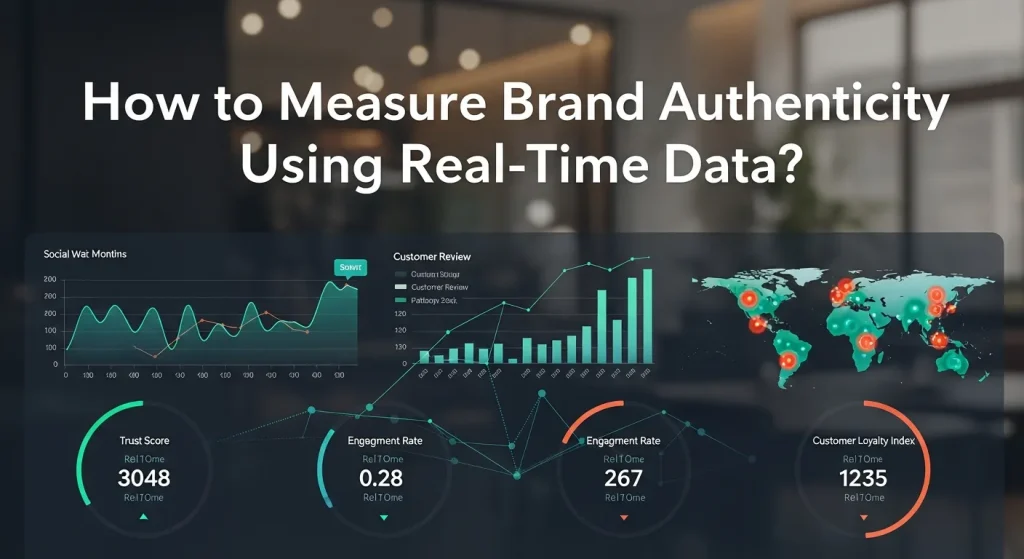
In a world saturated with advertising, consumers are craving something real. Brand authenticity is no longer a “nice-to-have”; it’s the foundation of trust and loyalty. This guide will show you precisely how to measure brand authenticity using real-time data, turning abstract feelings into actionable insights that can fortify your brand’s reputation and drive growth.
This article provides a comprehensive framework for marketers and business leaders on how to measure brand authenticity. We will explore the core metrics, from sentiment analysis to employee advocacy, and identify the essential tools for real-time tracking. Through case studies and best practices, you’ll learn to interpret complex data, avoid common pitfalls, and build a continuous system for monitoring and improving the genuineness of your brand.
What is Brand Authenticity, Really?
Before we dive into how to measure brand authenticity, it’s critical to understand what it means. Brand authenticity is the quality of a brand being true to its own values and spirit, regardless of external pressures. It is the alignment of what a brand says with what it does. An authentic brand doesn’t just craft a mission statement; it lives it in its products, its customer service, and its corporate culture.
Think of Patagonia. Their stated purpose is to “save our home planet.” This isn’t just a tagline. They prove it by donating 1% of sales to environmental groups, using sustainable materials, and even running campaigns telling people not to buy their jackets to reduce consumption. This consistency between word and deed is the essence of authenticity.
The core pillars of brand authenticity include:
- Consistency: The brand message, tone, and values remain coherent across all touchpoints, from a TikTok video to a customer service email. This is the foundation of Building Brand Consistency.
- Transparency: The brand is open about its practices, including its supply chain, pricing, and even its mistakes. It doesn’t hide behind corporate jargon.
- Purpose: The brand is driven by a clear mission that goes beyond profit. This Brand Purpose Development gives customers a reason to believe in the brand.
- Credibility: The brand delivers on its promises. Its products work as advertised, and its claims are backed by evidence.
Understanding these pillars is the first step in learning how to measure brand authenticity because they provide the framework for what you need to track.
Why is Measuring Brand Authenticity Non-Negotiable Today?

In the digital arena, brand perception is fragile. Social media acts as a massive, real-time focus group where every action is scrutinized. Learning how to measure brand authenticity isn’t an academic exercise; it’s a critical business function with tangible benefits.
- Customer Demand: Modern consumers vote with their wallets, and they are overwhelmingly voting for realness. Studies consistently show that over 80% of consumers cite authenticity as a key factor when choosing which brands to support.
- Building Brand Loyalty: Authentic brands cultivate communities, not just customer lists. When people feel a brand shares their values, they transition from transactional buyers to loyal advocates. This is the holy grail of Consumer Brand Marketing.
- Reputation and Crisis Management: Trust is the ultimate shield. Authentic brands are given the benefit of the doubt during a crisis. Because they have a history of honesty, a single misstep is more likely to be forgiven. This is a core part of proactive Brand Crisis Management.
- Driving Revenue: Authenticity is profitable. Consumers are willing to pay a premium for brands they trust and believe in. This is especially true in Luxury Brand Marketing, where heritage and genuine storytelling justify higher price points.
The alternative is bleak. A single inauthentic action, amplified by social media, can unravel years of brand-building efforts. Therefore, knowing how to measure brand authenticity is a vital part of your brand’s defense system.
Core Metrics to Measure Brand Authenticity Using Real-Time Data
You cannot manage what you do not measure. To understand how to measure brand authenticity, you must move from gut feelings to data-driven analysis. Here are the core metrics to track.
1. Sentiment Analysis Score
This metric quantifies the emotional tone behind conversations about your brand. Is the chatter positive, negative, or neutral?
- What to Track: Monitor sentiment across social media mentions, news articles, blog posts, and review sites.
- Why it Matters for Authenticity: A consistently positive sentiment suggests your actions are resonating well. A negative spike after a “purpose-driven” campaign might indicate the message felt inauthentic or opportunistic.
2. Trust and Credibility Ratings
This is a more direct way of learning how to measure brand authenticity. Use surveys to ask customers pointed questions.
- What to Track: Use Net Promoter Score (NPS)-style questions like, “On a scale of 0-10, how much do you trust this brand to be honest in its communications?”
- Why it Matters for Authenticity: This metric directly quantifies trust. A declining trust score is a major red flag, even if sales are stable.
3. Engagement Quality
Not all engagement is created equal. A “like” is passive; a thoughtful comment or a share is active endorsement.
- What to Track: Look at comment-to-like ratios, share rates, and video completion rates. Analyze the substance of the comments. Are people discussing your brand’s values or just the discount code?
- Why it Matters for Authenticity: Authentic brands spark genuine conversation. High-quality engagement shows your content is connecting on a deeper level.
4. Brand Mention Context
Go beyond counting mentions. Use social listening tools to understand the context in which your brand is being discussed.
- What to Track: Are people mentioning your brand in conversations about sustainability, ethics, or community? Or are the mentions purely product-focused?
- Why it Matters for Authenticity: This reveals if your core values are penetrating public consciousness. If you brand yourself as innovative, but mentions are all about customer service complaints, there is an authenticity gap.
5. Employee Advocacy Rate and Sentiment
Your employees are your first and most important audience. Their belief in the brand is a powerful indicator of true authenticity.
- What to Track: Monitor how often employees share company content on their personal social media. Track employee satisfaction scores and reviews on platforms like Glassdoor.
- Why it Matters for Authenticity: If your own team doesn’t believe in the brand’s mission, it’s impossible to project authenticity externally. A low employee advocacy rate is a canary in the coal mine. A positive New Seasons Market Career page, for example, signals internal health.
6. Customer Retention and Loyalty
Authentic brands build relationships that last.
- What to Track: Monitor your customer retention rate, churn rate, and Customer Lifetime Value (CLV).
- Why it Matters for Authenticity: High retention indicates that customers feel a sustained connection to your brand, which is often rooted in trust and shared values.
|
Metric |
What It Measures |
Why It’s an Authenticity Indicator |
|---|---|---|
|
Sentiment Analysis |
The emotional tone of online conversations. |
Reveals if your brand’s actions are perceived positively or as inauthentic. |
|
Trust Ratings |
Direct customer feedback on brand credibility. |
A direct score of how much your audience trusts you to be genuine. |
|
Engagement Quality |
The depth of interaction with your content. |
Shows if you are building a community or just getting passive views. |
|
Employee Advocacy |
How often employees promote the brand. |
Indicates if the brand’s values are authentic from the inside out. |
|
Customer Retention |
The rate at which customers stay with your brand. |
High retention signals a strong, trust-based relationship. |
Tools and Platforms to Measure Brand Authenticity in Real-Time
Knowing how to measure brand authenticity requires a robust tech stack. No single tool can do it all; the key is to integrate data from multiple sources.
Social Media Monitoring & Social Listening Tools
These platforms are your eyes and ears on the digital world.
- Hootsuite Insights / Sprout Social: These are excellent for tracking brand mentions, sentiment, and engagement metrics in real-time across all major social networks. They are fundamental for any strategy that seeks to understand how to measure brand authenticity.
- Brandwatch: This offers more advanced consumer intelligence, allowing you to analyze conversations with incredible granularity and even identify trending topics before they peak.
Customer Feedback & Survey Platforms
These tools allow you to ask your audience directly what they think.
- Trustpilot / Yelp: These platforms aggregate customer reviews, providing a raw, unfiltered look at customer experiences. Many offer analytics to track sentiment and trust scores over time.
- SurveyMonkey / Qualtrics: Create custom surveys to dig into specific aspects of authenticity. You can ask direct questions about trust, values alignment, and credibility, providing quantitative data to complement your qualitative listening.
Website and User Behavior Analytics Tools
How people behave on your owned properties reveals a lot about their connection to your brand.
- Google Analytics: Track which content resonates most. Are users spending time on your “About Us” and “Our Values” pages? This behavior can signal a deeper interest in your brand’s story.
- Hotjar: Use heatmaps and session recordings to see how users interact with your website. Are they skipping past your mission statement to get to the products? This can show a disconnect.
Reputation Management Platforms
These aggregate data from reviews, social media, and surveys into a single dashboard.
- Reputation.com / ReviewTrackers: These tools provide a holistic Online Reputation Management score, which is a strong proxy for brand authenticity. They help you manage reviews and respond to feedback efficiently.
How to Interpret Data to Truly Measure Brand Authenticity
Collecting data is easy. Deriving meaning from it is the hard part. Here’s how to measure brand authenticity by reading between the lines of your data.
- Look for Patterns, Not Peaks: A single viral tweet or negative review is just a data point. True insight comes from identifying trends. Is your negative sentiment slowly creeping up month over month? Is the quality of your engagement declining? Zoom out to see the bigger picture.
- Benchmark Against Competitors: Your authenticity doesn’t exist in a vacuum. Use your social listening tools for Competitive Brand Analysis. If your trust score is 7/10, that might seem good. But if your main competitor’s score is 9/10, you have a problem.
- Correlate Data with Business Activities: This is crucial. Did sentiment spike after you launched a Holiday and Festival Marketing campaign focused on family values? Did your employee advocacy rate dip after a round of layoffs? Connecting data to real-world events tells you what actions are building or eroding your authenticity.
- Segment Your Audience: Your brand might feel authentic to one demographic but completely fake to another. Segment your data by age, location, and psychographics. This can reveal critical insights, such as your Ethical Branding message resonating with Gen Z but falling flat with Baby Boomers.
- Identify the “Say-Do” Gap: This is the heart of how to measure brand authenticity. Compare what your marketing says with what your data shows. If your ads talk about “unparalleled customer service” but your sentiment analysis is full of complaints about long wait times, you’ve found a say-do gap. This is an authenticity crisis waiting to happen.
Case Studies: Brands That Excel at Measuring Authenticity
Patagonia’s Environmental Activism
Patagonia is a masterclass in how to measure brand authenticity. They don’t just launch environmental campaigns; they track their impact obsessively. When they launched their “Don’t Buy This Jacket” campaign, they tracked more than just sales. They monitored:
- Social Media Sentiment: Overwhelmingly positive, with users praising their bold stance.
- Media Mentions: The context of media mentions shifted from product-focused to values-focused.
- Website Behavior: A massive spike in traffic to their sustainability and corporate responsibility pages.
This data proved their counterintuitive message was a huge authenticity win.
Ben & Jerry’s Social Justice Stance
Ben & Jerry’s regularly takes strong stances on controversial social issues. They know this can be polarizing, so they measure the impact carefully. For their campaigns on racial justice, they track:
- Engagement Quality: They prioritize deep, thoughtful comments over simple likes.
- Sentiment by Segment: They analyze if they are alienating certain demographics while strengthening their bond with their core audience.
- Employee Sentiment: They use internal surveys to ensure their public stance is aligned with their corporate culture.
This data-driven approach allows them to be bold while managing risk.
Dove’s Real Beauty Campaign
The “Real Beauty” campaign has been running for decades. How to measure brand authenticity for such a long-term initiative? Dove continuously monitors:
- Emotional Response: They use advanced sentiment analysis to track the specific emotions (inspiration, empowerment, etc.) their content evokes.
- User-Generated Content: They track the volume and quality of UGC using their campaign hashtags as a measure of how deeply the message is resonating.
- Brand Trust Scores: They conduct yearly global surveys to track if their core message still builds trust across different cultures.
Conclusion
Learning how to measure brand authenticity is no longer optional; it is the critical practice of modern brand management. In a transparent world, you cannot simply claim to be authentic—you must prove it, and data is your proof.
By establishing a system of real-time monitoring that combines quantitative metrics with qualitative insights, you can move from hoping you are authentic to knowing where you stand. This data-driven approach allows you to spot weaknesses, double down on strengths, and build a brand that is not just perceived as genuine, but is genuine to its core. Start by tracking one or two key metrics, act on the insights, and build from there. Your customers, employees, and bottom line will thank you for it.
Frequently Asked Questions (FAQs)
1. What is the single most important metric for measuring brand authenticity?
There is no single magic metric. However, Sentiment Analysis combined with Trust Ratings from direct surveys gives you a powerful combination of what people are saying publicly and what they feel privately. This blend is key to understanding how to measure brand authenticity holistically.
2. How often should I measure brand authenticity?
You should be monitoring real-time metrics like social media sentiment daily. Deeper analysis and reporting should happen weekly or bi-weekly. Direct customer surveys for trust scores can be done quarterly or bi-annually.
3. Can a brand be authentic if it makes a mistake?
Yes. In fact, how a brand handles mistakes is a huge test of its authenticity. Owning up to the error transparently, apologizing sincerely, and outlining clear steps for correction can actually increase brand authenticity.
4. My brand is new. How can I measure authenticity without much historical data?
For new brands, focus on foundational metrics. Start by monitoring sentiment from your very first customers. Set up surveys early. Pay close attention to employee feedback. Establishing a baseline from day one is the best way to learn how to measure brand authenticity as you grow.
5. Are “likes” and “followers” useful for measuring authenticity?
No. These are vanity metrics. A million followers who don’t trust you are worthless. Focus on engagement quality (comments, shares), sentiment, and direct feedback to get a true measure of authenticity.
6. How do I measure the authenticity of my brand’s purpose-driven marketing?
Track sentiment specifically around your purpose-driven campaigns. Is it being perceived as genuine or as “woke-washing”? Also, track behavioral metrics. If you run a campaign about sustainability, do you see an increase in traffic to your sustainability report page? This shows genuine interest.
7. Can AI help in measuring brand authenticity?
Yes, AI is a powerful tool. AI-driven social listening tools can analyze sentiment, tone, and emotion at a massive scale. However, they are not foolproof and can miss sarcasm or cultural nuance. Human oversight and interpretation are still essential for accurately understanding how to measure brand authenticity.
8. What is the “say-do gap”?
The say-do gap is the difference between what a brand promises (says) and what it actually delivers (does). For example, a brand that advertises its amazing customer service but has 2-hour wait times on its support line has a large say-do gap. This is a primary source of perceived inauthenticity.
9. How does employee satisfaction relate to brand authenticity?
Your employees are your brand’s first customers. If they are unhappy, feel the company’s values are fake, or don’t believe in the mission, that internal rot will eventually become visible to the public. High employee turnover and poor Glassdoor reviews are major authenticity red flags.
10. How can I start measuring brand authenticity with a small budget?
You don’t need expensive enterprise tools to start. Use Google Alerts (free) to track brand mentions. Manually read comments on your social posts. Create a simple survey using Google Forms (free). The key is to start listening to your audience, no matter the scale.