
Sustainable Marketing: 7 Strategies for Eco-Friendly Brands
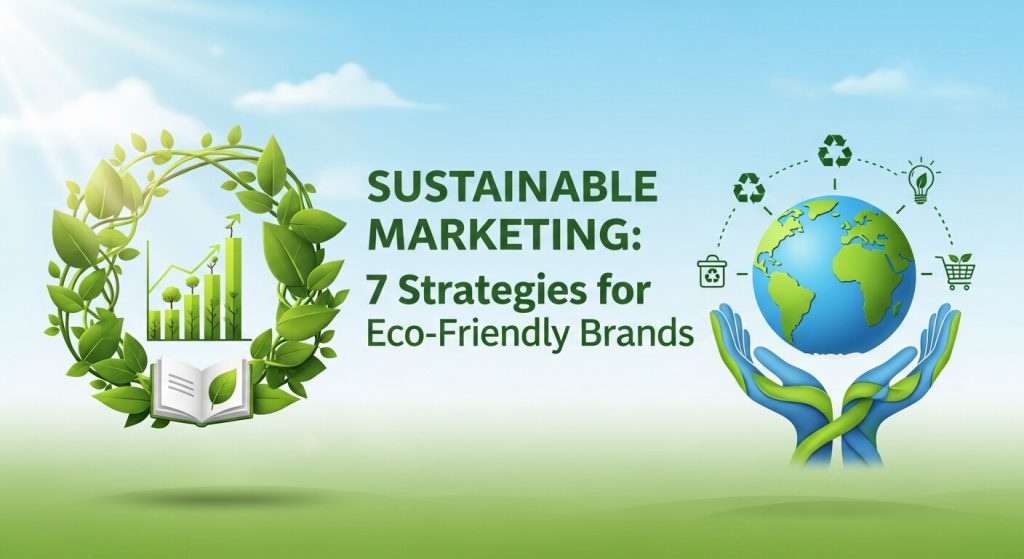
Sustainable marketing strategies help eco-friendly brands grow responsibly by combining ethical branding, digital innovation, and customer-focused communication. They reduce environmental impact, build trust, and support long-term business success while aligning with modern consumer sustainability values.
Understanding Sustainable Marketing Foundations
Understanding sustainable marketing strategies begins with recognizing the balance between environmental responsibility and business growth. These approaches encourage brands to reduce environmental impact while still achieving strong visibility in the market. Modern consumers are increasingly aware of eco-friendly practices, making it essential for companies to adapt. Sustainable marketing strategies help organizations build trust by focusing on transparency, ethical sourcing, and long-term engagement. Instead of relying on aggressive advertising, brands use value-driven communication to connect with audiences. This shift not only improves brand reputation but also supports global sustainability goals. Businesses that adopt these methods can position themselves as responsible leaders in their industry while maintaining consistent growth and customer loyalty over time.
Eco-Friendly Branding for Modern Businesses
Eco-friendly branding plays a crucial role in shaping modern consumer perception and loyalty. Companies that embrace environmental responsibility can differentiate themselves in a crowded market. Sustainable marketing strategies are essential in building this identity, as they guide how brands communicate their sustainability efforts. Through consistent messaging and responsible campaigns, sustainable marketing strategies help businesses highlight their eco-friendly values in a meaningful way. By integrating green practices into product design, packaging, and advertising, brands can strengthen emotional connections with conscious consumers. This approach not only enhances trust but also encourages long-term engagement. Ultimately, eco-friendly branding supported by strategic planning ensures that companies remain relevant and competitive in a market that increasingly values sustainability and ethical responsibility.
Digital Transformation in Sustainable Marketing
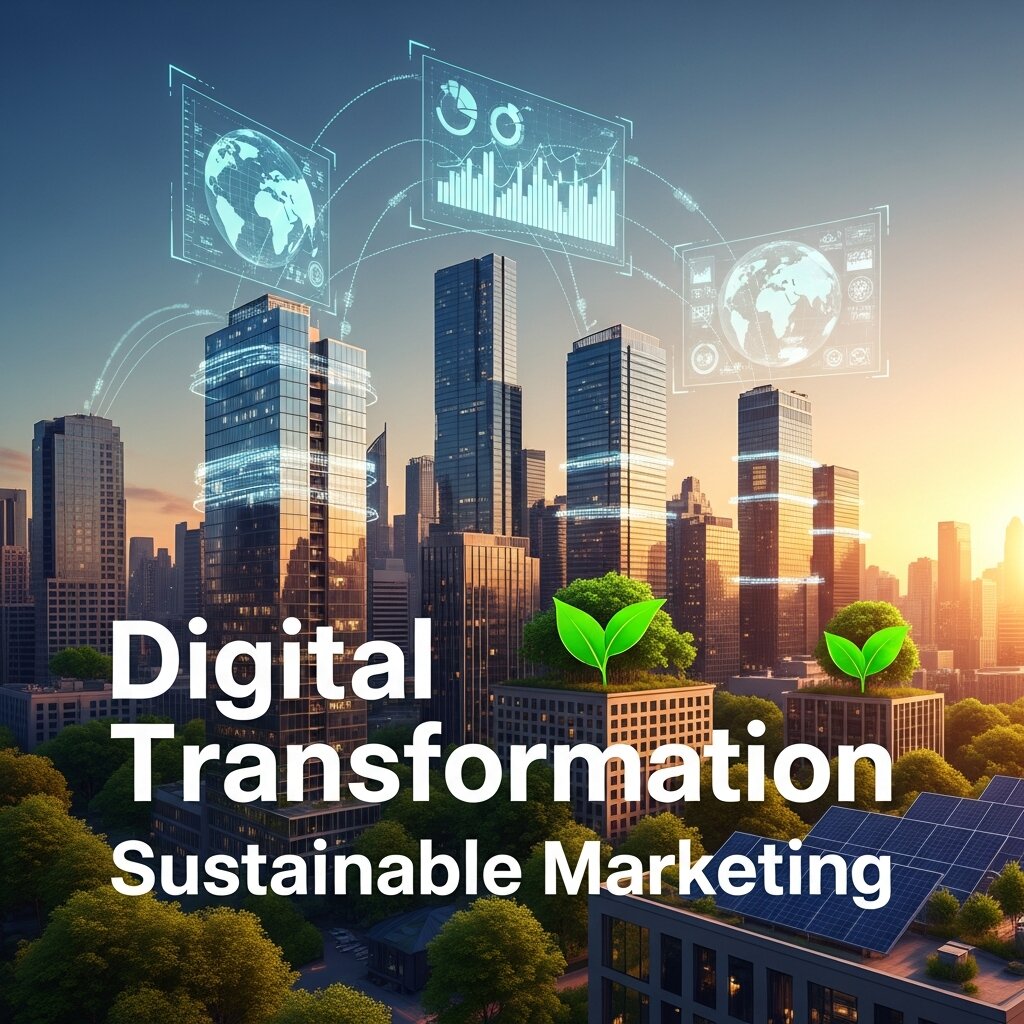
Digital transformation has significantly influenced how businesses approach environmental responsibility. With the rise of online platforms, brands now have more opportunities to communicate their sustainability efforts effectively. Sustainable marketing strategies allow companies to use data-driven insights to target eco-conscious audiences and reduce unnecessary resource consumption. Through digital tools such as social media analytics and automated campaigns, businesses can optimize their marketing performance while minimizing waste. This shift supports both cost efficiency and environmental goals. Additionally, digital transformation enables brands to track customer behavior and adjust messaging in real time. As a result, companies can create more meaningful and personalized engagement while staying committed to sustainable growth and ethical marketing practices in a rapidly evolving digital landscape.
Hyper-Personalized Branding and Consumer Connection
Hyper-personalized branding is reshaping how companies connect with their audiences in a more meaningful way. By analyzing consumer data, businesses can deliver tailored messages that reflect individual preferences and values. Sustainable marketing strategies play an important role in this process by ensuring that personalization aligns with ethical and environmental goals. Using sustainable marketing strategies, brands can avoid unnecessary marketing waste while still delivering impactful campaigns. This approach enhances customer satisfaction and improves conversion rates. Moreover, hyper-personalization allows companies to build stronger emotional relationships with consumers, making them feel understood and valued. As a result, businesses can increase loyalty and long-term engagement while maintaining responsible marketing practices that support sustainability objectives.
Branding and Marketing Alignment for Sustainability
Branding and marketing alignment are essential for creating a consistent and trustworthy brand identity. When both elements work together, businesses can communicate their values more effectively to their target audience. Sustainable marketing strategies ensure that branding efforts remain consistent with environmental and ethical principles. By integrating sustainability into both branding and marketing, companies can deliver a unified message that resonates with conscious consumers. This alignment helps reduce confusion and strengthens brand credibility. Additionally, it allows organizations to create more impactful campaigns that reflect their long-term vision. Ultimately, aligning branding and marketing with sustainability goals helps businesses build stronger connections and maintain a positive reputation in competitive markets.
Social Media and Green Engagement
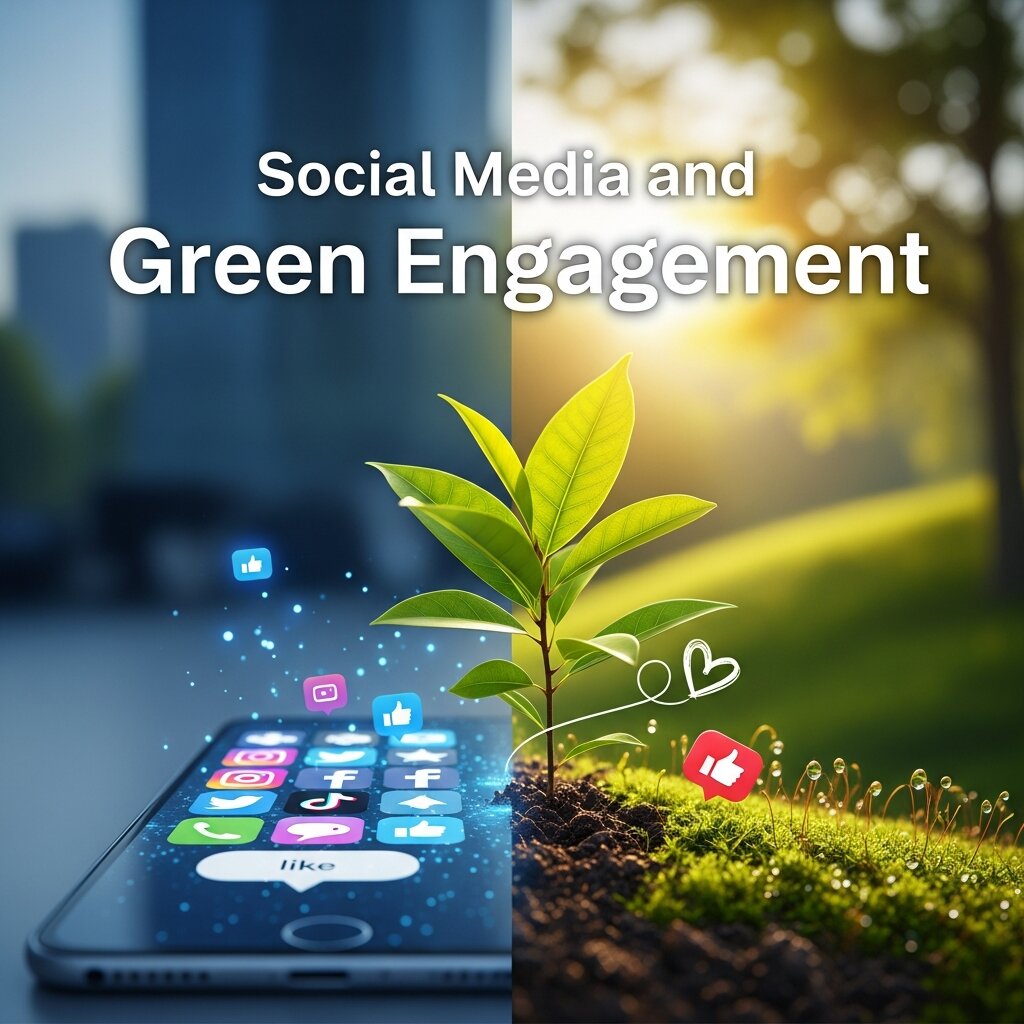
Social media platforms have become powerful tools for promoting eco-friendly initiatives and building brand awareness. Businesses can use these channels to share their sustainability journey and engage directly with consumers. Sustainable marketing strategies help brands design effective social campaigns that highlight environmental responsibility. Through sustainable marketing strategies, companies can also reduce unnecessary advertising spend by targeting the right audience more efficiently. This not only improves engagement but also minimizes digital waste. Social media storytelling allows brands to showcase real impact, encouraging trust and transparency. As a result, companies can strengthen their online presence while promoting meaningful environmental change through consistent and responsible communication practices.
Understanding Consumer Behavior Shifts
Consumer behavior is evolving as people become more conscious of environmental and social issues. Modern buyers prefer brands that demonstrate a genuine commitment to sustainability. Sustainable marketing strategies help companies understand these behavioral shifts and adapt their messaging accordingly. By analyzing consumer insights, businesses can create campaigns that resonate with eco-conscious values. This approach builds trust and encourages repeat purchases. Additionally, understanding consumer behavior allows brands to anticipate market trends and stay ahead of competitors. As sustainability becomes a priority for global audiences, companies that respond effectively can achieve stronger brand loyalty and long-term success in an increasingly responsible marketplace.
Sustainable Packaging and Green Communication
Sustainable packaging is a key part of modern sustainable marketing strategies that helps eco-friendly brands reduce environmental harm while improving brand image. Businesses are now shifting toward recyclable, biodegradable, and reusable packaging materials to meet customer expectations. Along with packaging, green communication focuses on promoting honesty and transparency in marketing messages. This builds trust and strengthens customer relationships. When brands combine sustainable packaging with clear communication, they create a strong identity that reflects responsibility and care for the environment. These practices not only reduce waste but also improve brand reputation in a competitive and eco-conscious market.
Key Points:
- Use recyclable and biodegradable packaging materials
- Reduce plastic usage in product design
- Communicate sustainability efforts clearly to customers
- Focus on transparent and honest marketing messages
- Strengthen brand trust through eco-friendly practices
| Packaging Type | Environmental Impact | Cost Level | Customer Appeal |
|---|---|---|---|
| Plastic Packaging | High pollution | Low | Low |
| Recyclable Packaging | Medium impact | Medium | High |
| Biodegradable Packaging | Very low impact | High | Very High |
Long-Term Business Growth Through Sustainability
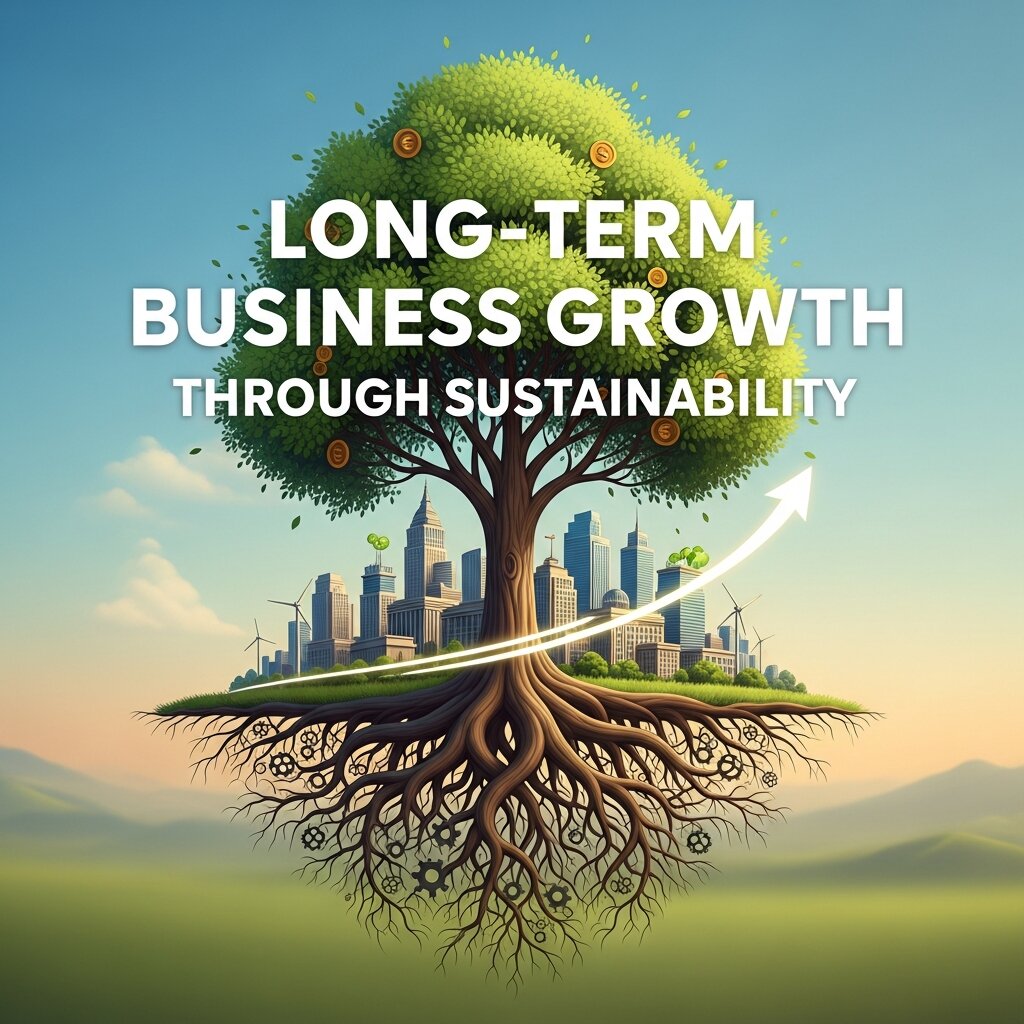
Long-term business growth depends on a company’s ability to adapt to changing market demands and environmental challenges. Sustainable marketing strategies provide a framework for achieving this balance by focusing on ethical practices and resource efficiency. Companies that invest in sustainability can reduce operational costs while improving brand reputation. This approach also encourages innovation in product development and customer engagement. As businesses adopt greener practices, they can attract investors and consumers who value responsibility. Ultimately, integrating sustainability into growth strategies ensures that companies remain competitive while contributing positively to global environmental goals.
Measuring Impact and Marketing Performance
Measuring the success of marketing efforts is essential for continuous improvement and strategic decision-making. Sustainable marketing strategies enable businesses to track performance using eco-focused metrics such as reduced waste, energy efficiency, and engagement quality. By evaluating these factors, companies can refine their campaigns for better impact. Data analytics also helps identify areas where resources can be optimized. This leads to more efficient marketing operations and stronger overall performance. As sustainability becomes a key business priority, measurement tools ensure that companies remain accountable and aligned with their environmental goals.
Data-Driven Sustainability in Marketing
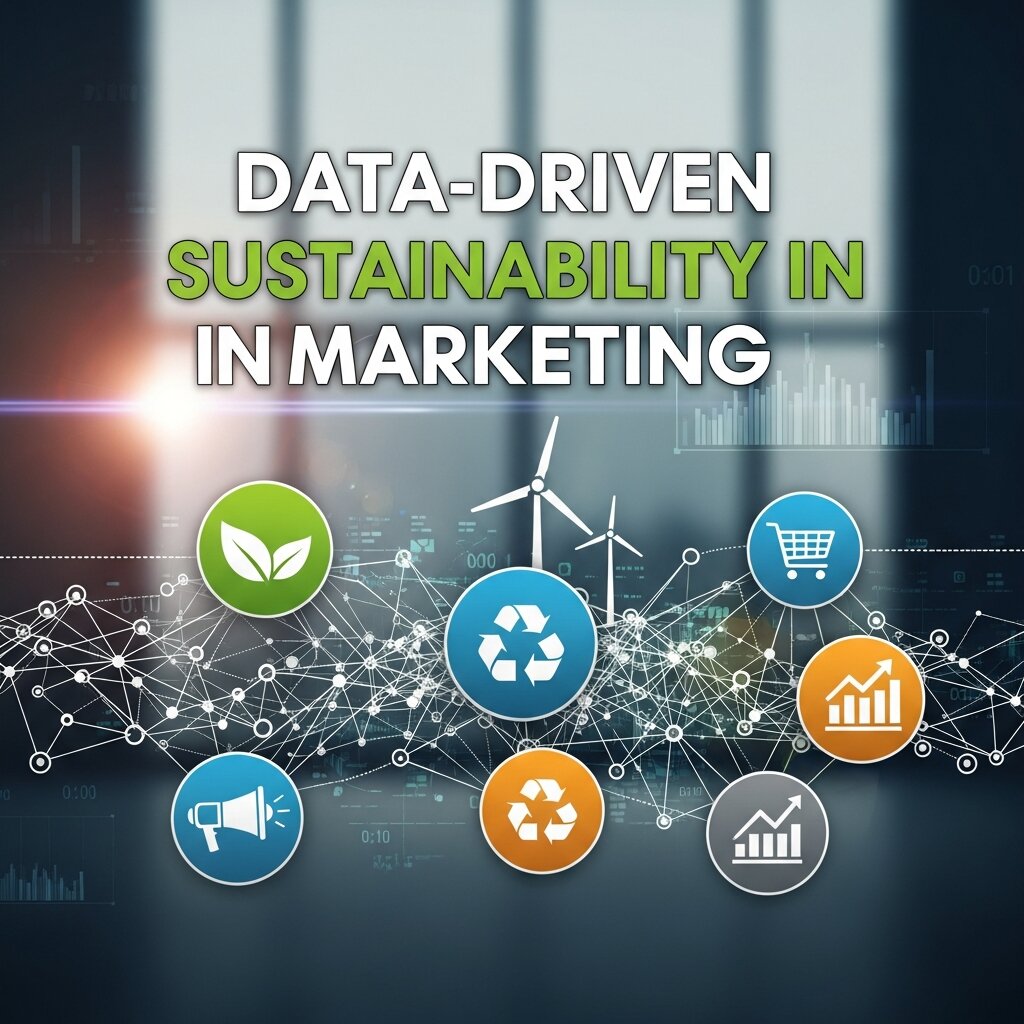
Data-driven decision-making plays a powerful role in improving sustainable marketing strategies for modern businesses. By analyzing customer behavior, brands can reduce unnecessary campaigns, optimize resources, and deliver more relevant content. This approach helps Eco-Friendly Brands make smarter choices while minimizing waste and maximizing impact. Data also supports Hyper-Personalized Branding, allowing companies to target the right audience with the right message at the right time. As a result, businesses can improve efficiency, reduce costs, and enhance customer satisfaction while staying committed to environmental responsibility and long-term sustainability goals.
Key Points:
- Use customer data to reduce marketing waste
- Improve targeting through analytics and insights
- Support Hyper-Personalized Branding strategies
- Optimize campaign performance for better results
- Increase efficiency while reducing environmental impact
| Aspect | Data-Driven Marketing | Traditional Marketing |
|---|---|---|
| Targeting Accuracy | High | Low |
| Resource Efficiency | High | Low |
| Environmental Impact | Low | High |
| Personalization Level | Advanced | Limited |
| Cost Effectiveness | Better | Higher waste |
Future of Sustainable Marketing Strategies
The future of sustainable marketing strategies is set to become even more impactful as global consumers demand greater environmental responsibility from brands. Companies will increasingly integrate AI, data analytics, and automation to create more efficient and eco-friendly campaigns. Eco-Friendly Brands will focus on reducing digital and physical waste while improving personalization and customer engagement. Hyper-Personalized Branding will play a major role in delivering relevant, low-impact marketing messages. In addition, governments and industries may introduce stricter sustainability regulations, pushing brands to adapt faster. Overall, sustainable marketing strategies will define competitive success, helping businesses grow responsibly while protecting the planet for future generations.
Conclusion
To conclude, sustainable marketing strategies are essential for modern businesses aiming to succeed in an eco-conscious world. Companies that implement sustainable marketing strategies can strengthen customer relationships while minimizing environmental impact. By consistently using sustainable marketing strategies, brands achieve long-term growth, improved reputation, and stronger alignment with global sustainability goals. This approach combines ethical practices, digital innovation, and consumer awareness to build future-ready businesses. As industries evolve, organizations focusing on sustainability will lead responsible branding and marketing with lasting positive impact.






1 thought on “Sustainable Marketing: 7 Strategies for Eco-Friendly Brands”