Meme Marketing 2.0: How AI-Powered Humor Is Becoming the Universal Brand Language
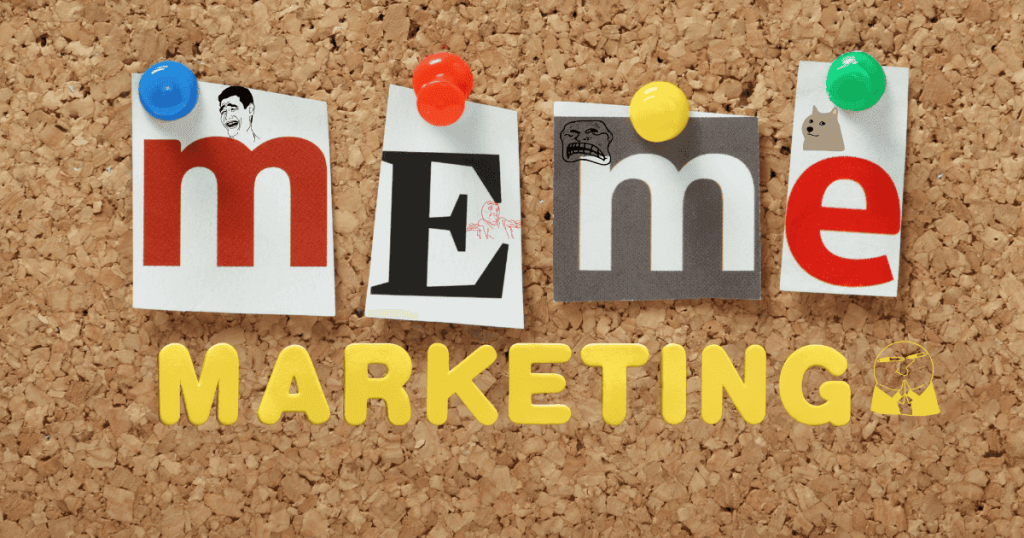
Memes are no longer just internet jokes; they are sophisticated communication tools. Meme Marketing 2.0 leverages AI technology to transform how brands connect, engage, and grow online.
This guide explores the evolution of digital humor into Meme Marketing 2.0. We delve into AI-driven trend analysis, cultural currency, and the psychology of viral content. You will learn actionable strategies to humanize your brand, navigate cultural nuances, and use data to master the art of modern, automated wit.
The Evolution of Digital Humor: Entering the Era of Meme Marketing 2.0
We have officially entered the era of Meme Marketing 2.0, a landscape where the spontaneous chaos of internet culture meets the precision of artificial intelligence. In the early days of social media, brands awkwardly attempted to use memes, often resulting in “cringe” moments that felt like a dad trying to use slang at a teenager’s party. Today, that dynamic has shifted entirely.
Meme Marketing 2.0 represents a sophisticated fusion of Consumer Brand Marketing and advanced data analytics. It is no longer about guessing what might be funny; it is about knowing exactly what resonates. Brands are moving away from reactive posting to predictive content creation, powered by AI tools that analyze millions of data points to identify the perfect cultural moment.
This evolution is critical because traditional advertising is losing its grip. Consumers, especially Gen Z and Millennials, have developed a near-perfect filter for corporate speak. They crave authenticity, and memes provide a unique vehicle for that. A meme acknowledges a shared truth or experience, creating an instant bond between the creator and the viewer. When a brand successfully executes Meme Marketing 2.0, it stops being a faceless corporation and becomes a participant in the culture.
The stakes are high. In a crowded digital marketplace, attention is the most valuable currency. Meme Marketing 2.0 offers a way to capture that attention not through interruption, but through entertainment and relatability. It is the difference between shouting at a consumer and sharing a laugh with them.
Why AI is the Engine of Meme Marketing 2.0
The transition to Meme Marketing 2.0 is largely driven by the democratization of creative tools. Previously, spotting a trend required a social media manager glued to Reddit and Twitter 24/7. Now, Trend Marketing AI Data Strategy allows brands to identify emerging formats before they hit the mainstream.
AI doesn’t just help with discovery; it assists with creation. Automated Branding tools can suggest captions, generate image variations, and even predict engagement rates based on historical data. This allows for scale and speed that was previously impossible. In the fast-paced world of Viral Marketing on TikTok or X (formerly Twitter), being an hour late to a trend can mean missing the wave entirely. Meme Marketing 2.0 ensures you are always on time.
Furthermore, AI facilitates Brand Safety In Digital Marketing. One of the biggest fears for companies entering the meme space is posting something offensive or tone-deaf. Advanced AI systems can scan content for potential cultural sensitivities, ensuring that your attempt at humor doesn’t turn into a Brand Crisis Management situation.
The Science Behind Viral Meme Marketing 2.0
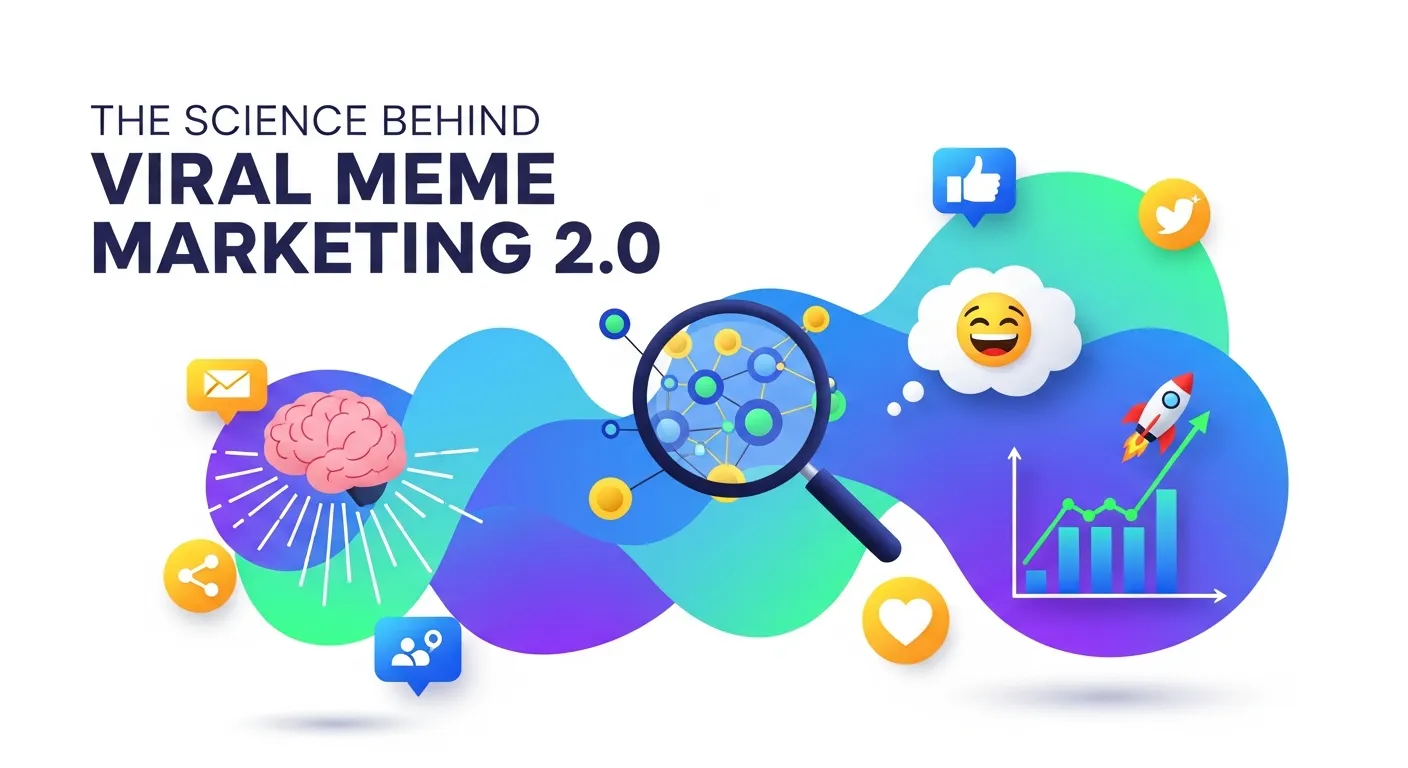
To master Meme Marketing 2.0, one must understand the underlying science of virality. It is not random lightning in a bottle; it is a replicable formula based on psychology and network theory.
The Psychology of Sharing
At the heart of Meme Marketing 2.0 is the psychology of why we share content. Research suggests that high-arousal emotions—joy, amusement, surprise—are key drivers of social sharing. Memes are efficient delivery mechanisms for these emotions. They offer a quick dopamine hit, a moment of recognition (“It’s funny because it’s true”), and a social token to pass along.
When a user shares a meme, they are performing an act of Personal Brand Strategy. They are signaling to their network: “I understand this reference,” “I have this sense of humor,” or “I am part of this in-group.” Meme Marketing 2.0 taps into this desire for social signaling. Brands that provide users with “cool” or “relatable” content to share effectively recruit their audience as volunteer marketers.
Pattern Recognition and Cultural Currency
Humans are pattern-seeking machines. We love recognizing familiar structures. This is why meme templates work so well. The visual format (e.g., the “Distracted Boyfriend” or “Woman Yelling at a Cat”) provides a familiar scaffolding, reducing the cognitive load required to understand the joke.
In Meme Marketing 2.0, understanding these patterns is crucial. It’s about leveraging Cultural Branding. A meme is a unit of cultural currency. By participating in a trending meme format, a brand demonstrates that it is culturally literate. It shows that the brand is paying attention to the same things its customers are. This builds Brand Authority in a way that a whitepaper or press release never could.
However, Meme Marketing 2.0 also demands nuance. Using a template incorrectly is a cardinal sin. It signals inauthenticity. This is where AI excels—analyzing thousands of iterations of a meme to understand the “rules” of the format, ensuring the brand uses it correctly.
AI Meme Generator Tools: The Backbone of Meme Marketing 2.0
The infrastructure of Meme Marketing 2.0 is built on a new generation of software. These aren’t just simple image editors; they are intelligent systems designed for Viral Content Marketing Strategy.
Advanced Template Recognition and Adaptation
Modern AI tools do more than just place text on an image. They understand the semantic context of a meme. For instance, if a brand wants to use a specific template to talk about their SaaS Development Services, the AI can analyze successful variations of that meme within the tech community. It can suggest punchlines that align with coding humor or developer pain points.
This capability is vital for B2B Digital Marketing Strategies. B2B brands often struggle to be funny without being unprofessional. Meme Marketing 2.0 tools can bridge this gap, finding the specific subset of humor that resonates with professional audiences—think “Excel spreadsheet memes” for accountants or “server crash memes” for IT professionals.
Real-Time Trend Analysis and Prediction
Predictive Trend Marketing is the holy grail of Meme Marketing 2.0. AI platforms monitor the velocity of keywords, hashtags, and visual formats across platforms. They can alert a marketing team when a trend is in the “early adopter” phase, which is the sweet spot for brand participation.
Waiting until a trend is saturated leads to diminishing returns. Meme Marketing 2.0 is about speed. Tools like Google Trends provide basic data, but specialized AI meme tools go deeper, analyzing sentiment and engagement quality. They can differentiate between a trend that people are laughing with versus one they are laughing at.
Cross-Platform Optimization
A meme that works on Reddit might fail on Instagram. Meme Marketing 2.0 requires platform-native adaptation. AI tools can automatically resize and reformat content, but more importantly, they can adjust the tone. LinkedIn memes need a gloss of professional irony; TikTok memes need raw, chaotic energy. Meme Marketing 2.0 embraces this diversity, ensuring Brand Consistency while respecting the unique language of each platform.
Building Authentic Brand Voices in Meme Marketing 2.0
One of the greatest challenges in Meme Marketing 2.0 is maintaining Brand Voice Strategy while navigating the irreverent world of internet humor.
Finding Your Brand’s Meme Personality
Not every brand needs to be a chaos agent like Duolingo or Wendy’s. Meme Marketing 2.0 allows for a spectrum of personalities.
- The Sage: Uses memes to educate or highlight industry truths (great for Consulting or SaaS).
- The Best Friend: Relatable, warm, focuses on shared daily struggles (great for CPG Brand Marketing).
- The Jester: Provocative, edgy, pushes boundaries (great for disruptor brands or fast food).
An AI Driven Trend Marketing audit can help identify which persona aligns best with your existing audience. By analyzing your historical engagement data, AI can reveal whether your audience responds better to snarky humor or wholesome content.
Avoiding Cultural Missteps
The “fellow kids” syndrome is the enemy of Meme Marketing 2.0. Trying too hard to use Gen Z slang when your target audience is Boomers is a recipe for disaster. AI tools act as a safeguard. By analyzing the demographic data of who is sharing a specific meme, AI can warn brands if a format is “too young,” “too niche,” or potentially controversial. This is a critical component of Brand Resilience Strategies.
Furthermore, Meme Marketing 2.0 respects the origins of trends. Many memes originate in marginalized communities or specific subcultures. Appropriating these without understanding the context can lead to backlash. AI semantic analysis helps brands understand the lineage of a meme, ensuring respectful participation.
Case Studies: Meme Marketing 2.0 in Action
To understand the power of Meme Marketing 2.0, we must look at who is doing it right. These Digital Marketing Success Stories highlight different approaches to the strategy.
The Tech Giant Strategy: Slack and Discord
Slack and Discord have mastered Meme Marketing 2.0 by focusing on the specific neuroses of their user base. They don’t just post random funny pictures; they post about the pain of endless meetings, the joy of canceling a call, or the chaos of remote work.
- Why it works: It validates the user’s experience. It says, “We know your work life is hard; we’re in it with you.” This builds immense Brand Equity In Marketing.
- Meme Marketing 2.0 Tactic: They likely use social listening to identify the exact phrases users complain about (“Let’s circle back,” “Per my last email”) and turn those into content.
The Legacy Brand Pivot: Fast Food Chains
Legacy brands often struggle with Brand Longevity Challenges. Meme Marketing 2.0 helps them stay relevant. Burger King and Wendy’s use aggressive, self-aware humor to engage younger demographics.
- Why it works: It breaks the corporate veneer. It feels like a person running the account, not a committee.
- Meme Marketing 2.0 Tactic: Rapid response. When a cultural moment happens (like the “Barbie vs. Oppenheimer” weekend), these brands have content up within hours, leveraging Real Time Trend Marketing.
The Luxury Approach: Gucci
Even Luxury Brand Marketing Strategy has embraced memes. Gucci commissioned artists to create “Gucci memes” to promote a watch collection.
- Why it works: It elevated the format. Instead of low-res JPEGs, they used high-art aesthetics with meme-style text overlays. It maintained their premium Brand Perception while engaging in the culture.
- Meme Marketing 2.0 Tactic: Co-creation. They didn’t just make memes; they collaborated with creators, leveraging Influencer Marketing Services within the meme space.
Strategic Implementation of Meme Marketing 2.0
How do you actually build a Meme Marketing 2.0 machine? It requires a blend of human creativity and technical infrastructure.
Building Your Creative Framework
You need a Brand Strategy Road Map specifically for humor.
- Define Guardrails: What topics are off-limits? Politics? Religion? Competitor bashing?
- Establish Visual Identity: Even memes should feel like your brand. Use consistent fonts or color palettes where possible, but don’t over-polish. The “lo-fi” look is often part of the charm.
- Create a Template Library: Use AI tools to maintain a library of “brand-safe” templates that can be deployed quickly.
Testing and Learning
Meme Marketing 2.0 is iterative. You must adopt an Agile Marketing mindset.
- A/B Testing: Post two variations of a meme with different captions. See which one performs better.
- Sentiment Analysis: Don’t just count likes. Read the comments. Are people tagging their friends (good) or rolling their eyes (bad)?
- Viral Marketing Funnel: Track how meme engagement translates to business metrics. Are meme viewers visiting your profile? Clicking your link in bio?
Traditional Marketing vs. Meme Marketing 2.0
|
Feature |
Traditional Marketing |
Meme Marketing 2.0 |
|---|---|---|
|
Focus |
Product Features & Benefits |
Relatability & Entertainment |
|
Speed |
Planned months in advance |
Real-time / Hours |
|
Tone |
Professional, Polished |
Authentic, Raw, Humorous |
|
Distribution |
Paid Ad Spend |
Organic Sharing & Virality |
|
Metric |
Impressions / Reach |
Shares / Cultural Impact |
|
Creator |
Creative Agency |
In-house Team + AI Tools |
The Future of AI in Social Media Marketing and Meme Marketing 2.0
As we look toward Social Media Meme Trends , the role of AI in Meme Marketing 2.0 will only expand.
Predictive Content Creation
We are moving toward a world where AI doesn’t just analyze trends but predicts them. Ai driven Trend Forcasting will allow brands to create content for a trend before it peaks. Imagine knowing that “Capybara memes” will spike next Tuesday and having your content ready to go. This is the future of Nest Gen Trend Marketing Strategies.
Personalized Meme Experiences
Meme Marketing 2.0 will eventually become personalized. Just as Netflix recommends movies, brands might use dynamic creative optimization to show different memes to different user segments. A Gen Z user might see a surrealist, deep-fried meme about your product, while a Gen X user sees a classic “Success Kid” format. This Micro Trend Marketing ensures maximum resonance.
Video and Interactive Memes
Static images are just the beginning. Video SEO and AI video generation tools (like OpenAI’s Sora) will make creating high-quality video memes accessible to everyone. We will see a rise in interactive memes—games, filters, and AR experiences—that invite the user to participate. This aligns with the shift toward Sensory Branding.
Measuring Success: Beyond Views and Likes
To justify investment in Meme Marketing 2.0, you need robust analytics. It’s not just about “going viral”; it’s about business impact.
Sentiment and Brand Perception
Use Brand Monitoring Services to track shifts in sentiment. Has your brand become “cooler”? Are you being mentioned in more positive contexts? Meme Marketing 2.0 aims to shift Brand Perception In Marketing from “utility” to “affinity.”
Conversion Tracking
While memes are top-of-funnel awareness drivers, they can drive sales. Use trackable links and attribution models to see if viral spikes correlate with increased website traffic or sign-ups. Viral Marketing Psychology suggests that the positive affect generated by humor makes consumers more receptive to purchase messages later in the funnel.
Cultural Impact Assessment
Did your meme get reposted by major accounts? Did it spawn remixes? This “share of culture” is a key metric in Meme Marketing 2.0. Tools like BuzzSumo or Sprout Social can help track this organic spread.
Conclusion
Meme Marketing 2.0 is not a fad; it is the new universal language of the internet. By combining the emotional power of humor with the analytical precision of AI, brands can break through the noise of traditional advertising and build genuine, human connections with their audience.
The brands that win in this new era will be those that embrace the chaos, respect the culture, and use data to sharpen their wit. Whether you are a global enterprise or a scrappy startup, the tools for Meme Marketing 2.0 are at your fingertips. It is time to stop taking yourself so seriously and start taking your humor seriously. The future of brand communication is funny, fast, and intelligent—make sure your brand is part of the joke, not the butt of it.
Frequently Asked Questions (FAQ)
1. What is Meme Marketing 2.0?
Meme Marketing 2.0 is the evolution of using internet humor for branding, characterized by the use of AI technology, data-driven insights, and predictive analytics. Unlike early meme marketing, which was often reactive and hit-or-miss, Meme Marketing 2.0 uses tools to analyze trends, optimize timing, and ensure cultural relevance, allowing brands to scale their humor strategically.
2. How can AI help with Meme Marketing 2.0?
AI plays a crucial role in Meme Marketing 2.0 by automating trend discovery, generating content variations, and analyzing audience sentiment. Tools like AI Meme Generators can suggest captions based on current trends, while Social Media Management AI can predict the best times to post for maximum viral potential. It essentially removes the guesswork from being funny.
3. Is Meme Marketing 2.0 suitable for B2B brands?
Absolutely. Meme Marketing 2.0 is highly effective for B2B Digital Marketing Strategies. B2B audiences are still people who enjoy humor. Platforms like LinkedIn have seen a surge in professional-themed memes. The key is to make the humor specific to the industry’s pain points (e.g., coding bugs, difficult clients, endless spreadsheets), which fosters a sense of community and understanding.
4. What are the risks of Meme Marketing 2.0?
The biggest risks are being perceived as “cringe” (trying too hard) or being culturally insensitive. Meme Marketing 2.0 mitigates this through Brand Safety In Digital Marketing tools that analyze content for potential backlash. Another risk is Brand Cannibalization if the humor overshadows the product, so a balance must be maintained between entertainment and brand messaging.
5. How do I measure the ROI of Meme Marketing 2.0?
ROI in Meme Marketing 2.0 is measured through a mix of engagement metrics (shares, saves, comments) and business metrics (brand sentiment, web traffic, conversion). Brand Awareness is often the primary KPI, but advanced attribution can track how users who engage with memes move down the Viral Marketing Funnel to become customers.
6. Do I need a professional designer for Meme Marketing 2.0?
Not necessarily. The aesthetic of memes is often “lo-fi” or amateurish by design. Authenticity matters more than polish. However, having a creative team that understands Visual Hierarchy and meme formats is helpful. AI Content Creation Services can also bridge the gap for teams without design resources.
7. How often should a brand post memes?
Consistency is key in Meme Marketing 2.0, but quality trumps quantity. It is better to post one highly relevant, timely meme than five forced ones. Using Real Time Trend Marketing, brands should aim to participate in conversations when they are trending, rather than sticking to a rigid editorial calendar.
8. Can Meme Marketing 2.0 improve Brand Loyalty?
Yes. Meme Marketing 2.0 humanizes a brand. When customers feel that a brand “gets” them and shares their sense of humor, it builds an emotional connection. This emotional bond is a key driver of Brand Loyalty and Customer Retention, as consumers prefer to support brands they perceive as relatable and authentic.
9. What platforms are best for Meme Marketing 2.0?
While memes are universal, the format changes by platform. Instagram and Pinterest are great for static visual memes. TikTok is the home of video memes and audio trends. X (Twitter) is ideal for text-based and reaction memes. LinkedIn is emerging as a space for corporate/career memes. A robust Meme Marketing 2.0 strategy often involves Cross-Platform Optimization.
10. How do I start with Meme Marketing 2.0?
Start by listening. Use Brand Monitoring Services to understand what your audience finds funny. Identify your brand’s “meme persona.” Then, experiment with AI Meme Generator tools to create content around low-stakes topics. Monitor the response, learn from the data, and refine your Brand Strategy Road Map accordingly.