Celebrity Endorsement vs. Micro-Influencer Strategy: ROI Analysis
Choosing between a Hollywood A-lister and a niche Instagram creator can make or break your marketing budget. Let’s analyze the real ROI of Celebrity Endorsement vs. Micro-Influencer Strategy to find your perfect match.
This comprehensive guide dissects the financial and strategic differences between high-profile celebrity partnerships and targeted micro-influencer campaigns. We explore the ROI of influencer marketing, examining engagement rates, cost structures, and trust factors. You will learn how to balance brand awareness with conversion goals, leverage digital marketing strategies, and ultimately decide which path aligns best with your brand’s growth objectives.
The Great Debate: Fame vs. Engagement
In the evolving landscape of digital marketing strategies, brands face a critical decision: should they invest their budget in a single, massive celebrity partnership or distribute it across a network of smaller, niche creators? The battle of Celebrity Endorsement vs. Micro-Influencer Strategy is not just about follower counts; it is about the quality of connection and the return on investment (ROI).
Traditionally, celebrity endorsement vs. micro-influencer strategy discussions favored the former. Brands believed that sticking a famous face on a product guaranteed success. However, the rise of social media has democratized influence. Today, a beauty blogger with 15,000 followers often holds more sway over purchasing decisions than a movie star with 15 million. Understanding the nuances of these approaches is essential for any brand promotion strategy.
Defining the Contenders
To analyze Celebrity Endorsement vs. Micro-Influencer Strategy, we first need to define the players.
- Celebrity Endorsements: These involve partnerships with famous individuals—actors, athletes, musicians—who have massive followings (usually 1 million+). Their primary asset is reach. They can make a brand a household name overnight.
- Micro-Influencers: These are content creators with smaller, but highly engaged audiences, typically ranging from 10,000 to 100,000 followers. Their primary asset is trust. They are seen as peers rather than distant idols.
Analyzing the ROI of Celebrity Endorsements
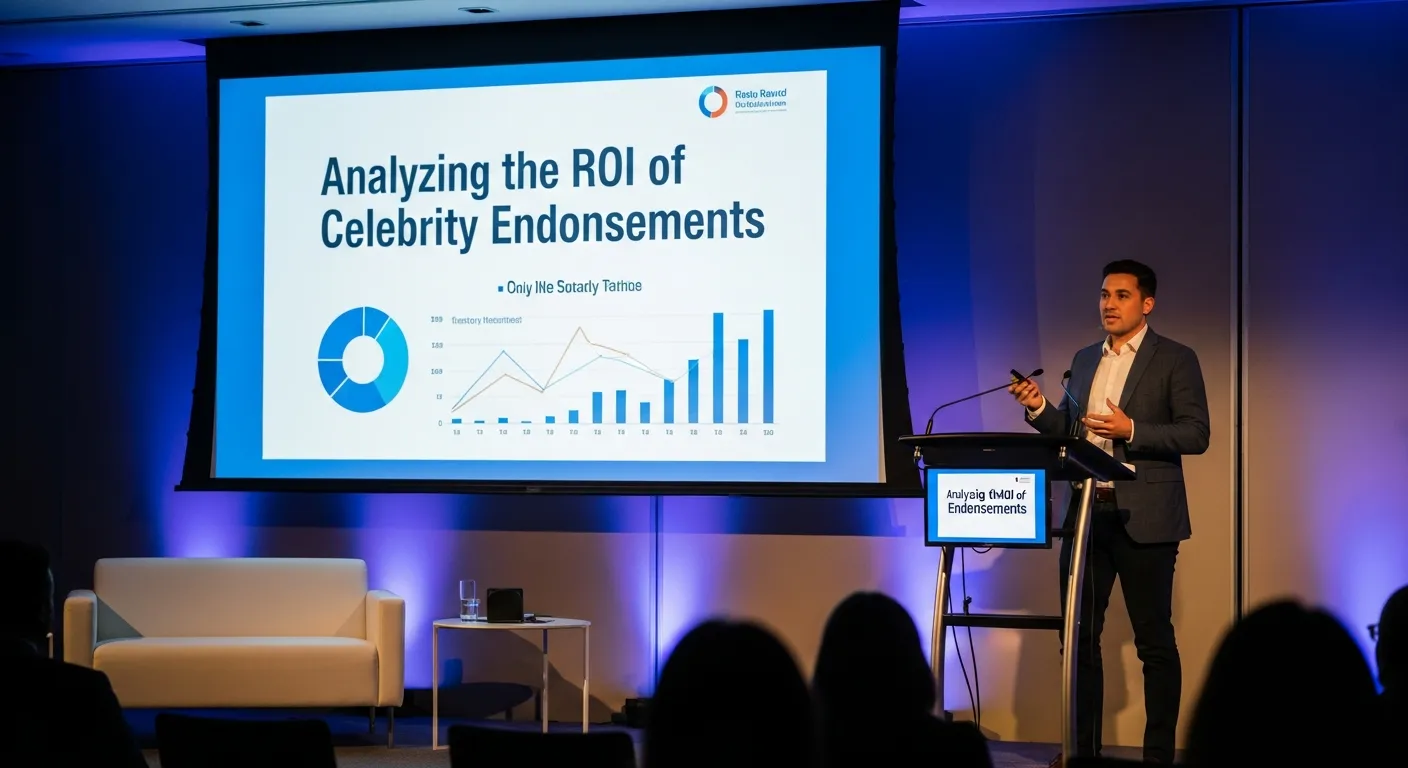
When weighing Celebrity Endorsement vs. Micro-Influencer Strategy, celebrities are the heavy hitters of brand awareness. If your goal is to be seen by millions instantly, this is the route to take.
The Power of Massive Reach
The primary benefit of celebrity endorsements is volume. A single post from a celebrity like Selena Gomez or Cristiano Ronaldo reaches hundreds of millions of eyes. For global brands launching a new product, this “shock and awe” approach can be effective. It creates immediate brand recognition in marketing and can elevate a brand’s status to “luxury” or “aspirational” simply by association. This is a staple of luxury brand marketing.
The Trust Deficit
However, reach does not always equal influence. Modern consumers are savvy. They know celebrities are paid exorbitant fees to promote products. This leads to a trust deficit. A celebrity might endorse a detox tea one day and a crypto exchange the next. This lack of brand consistency can dilute the message.
Furthermore, the cost is astronomical. A single post can cost hundreds of thousands of dollars. If that post doesn’t convert immediately, the ROI plummets. In the Celebrity Endorsement vs. Micro-Influencer Strategy calculation, high entry costs make celebrities a high-risk, high-reward option.
Measuring Celebrity ROI
Measuring the ROI of celebrity campaigns can be tricky. While brand awareness metrics (impressions, reach) will skyrocket, direct sales attribution can be lower than expected.
- Pros: Instant visibility, social proof, potential for viral media coverage.
- Cons: Extremely high cost, lower engagement rates (often <1%), lack of niche targeting, risk of scandal (brand safety).
Analyzing the ROI of Micro-Influencer Strategy
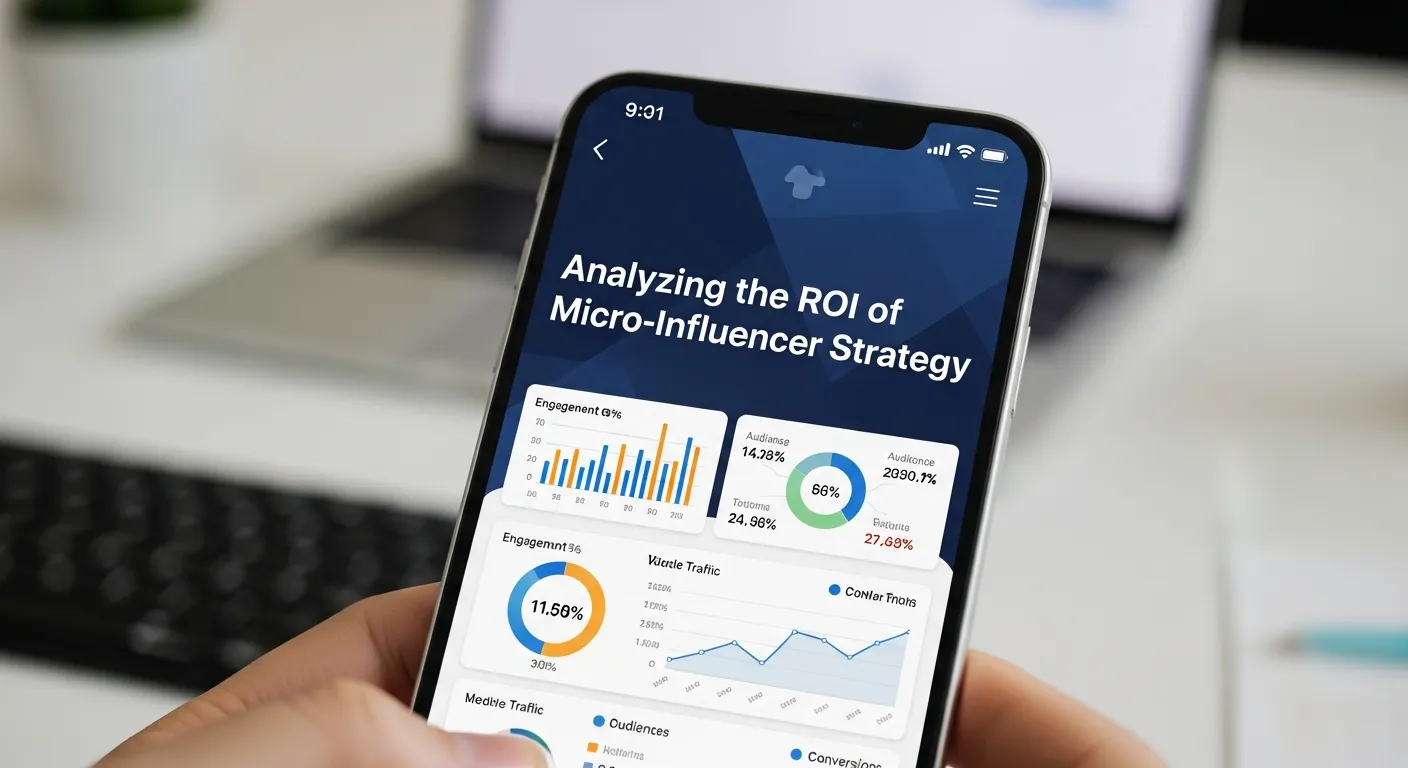
On the other side of the Celebrity Endorsement vs. Micro-Influencer Strategy spectrum lies the micro-influencer. These creators are the sweet spot for many modern digital marketing strategies.
High Engagement and Trust
Micro-influencers typically boast significantly higher engagement rates than celebrities—often between 3% and 7%. Their followers are not just fans; they are a community. When a micro-influencer recommends a product, it feels like a suggestion from a friend. This “word-of-mouth” effect at scale drives emotional branding and higher conversion rates.
Cost-Effectiveness and Scalability
You can hire 50 micro-influencers for the price of one mid-tier celebrity. This allows for diversification. If one influencer underperforms, the others can pick up the slack. This strategy also provides a wealth of user-generated content (UGC) that brands can repurpose across their own channels, boosting content marketing efforts.
Niche Targeting
Micro-influencers allow for laser-focused targeting. Selling sustainable yoga mats? Partner with 20 yoga instructors who focus on sustainable branding strategies. Selling vegan snacks? Find foodie creators who specialize in plant-based diets. In the Celebrity Endorsement vs. Micro-Influencer Strategy debate, micro-influencers win on relevance.
Measuring Micro-Influencer ROI
The ROI of influencer marketing with micro-influencers is often easier to track and higher in terms of direct sales.
- Pros: High engagement, trust and authenticity, cost-effective, precise niche targeting, SEO benefits from blog features.
- Cons: Lower reach per individual, management intensive (coordinating 50 people takes time), potential for unprofessionalism.
Comparative Analysis: Celebrity Endorsement vs. Micro-Influencer Strategy
To truly understand Celebrity Endorsement vs. Micro-Influencer Strategy, we need to look at them side-by-side across key performance indicators.
|
Feature |
Celebrity Endorsement |
Micro-Influencer Strategy |
|---|---|---|
|
Reach |
Massive (Millions) |
Moderate (Thousands) |
|
Engagement Rate |
Low (1-2%) |
High (3-7%+) |
|
Cost |
Very High ($$$$) |
Low to Medium ($-$$) |
|
Trust Factor |
Low (Seen as paid ads) |
High (Seen as peer reviews) |
|
Content Quality |
Polished, often staged |
Authentic, relatable, raw |
|
Best Goal |
Brand Awareness |
Conversions & Brand Loyalty |
|
Targeting |
Broad / Mass Market |
Niche / Specific Demographics |
When you analyze this table, the choice depends heavily on your objective. If you need brand awareness for a mass-market product (like a soft drink), celebrities work. If you need to explain a complex value proposition or drive sales for a niche product, the micro-influencer side of the Celebrity Endorsement vs. Micro-Influencer Strategy wins.
The Role of Brand Authenticity
Brand authenticity is the currency of modern marketing. Consumers are increasingly drawn to brands that feel real and transparent.
Micro-Influencers and Authenticity
Micro-influencers excel at inclusive brand strategies and family branding in marketing. They share their real lives—messy houses, parenting struggles, honest reviews. This aligns perfectly with the trend of nostalgia in digital branding and the desire for genuine connection. When a micro-influencer integrates a product into their daily routine, it demonstrates brand purpose in action.
Celebrities and Aspiration
Celebrities, conversely, represent aspiration. They are effective for luxury brand marketing where the goal is to sell a dream or a lifestyle rather than a functional benefit. However, brands must be careful. If a celebrity endorsement feels forced or inauthentic, it can backfire, leading to a PR crisis. This is why brand alignment is critical.
ROI Calculation: Where is the Money Best Spent?

Let’s look at a hypothetical scenario to illustrate the Celebrity Endorsement vs. Micro-Influencer Strategy ROI.
Scenario: You have a $50,000 budget to launch a new skincare line.
Option A: Celebrity
- You hire one TV actress with 500k followers.
- Cost: $45,000 for one post + $5,000 production.
- Reach: 500,000.
- Engagement (1%): 5,000 likes/comments.
- Conversions (0.5%): 25 sales.
- Result: High visibility, low immediate sales.
Option B: Micro-Influencers
- You hire 50 beauty micro-influencers with 20k followers each.
- Cost: $800 each ($40,000 total) + $10,000 product/shipping.
- Total Reach: 1,000,000 (cumulative).
- Engagement (4%): 40,000 likes/comments.
- Conversions (2%): 800 sales.
- Result: Higher reach (aggregate), significantly higher engagement and sales.
In this Celebrity Endorsement vs. Micro-Influencer Strategy breakdown, Option B clearly delivers a better direct ROI. Additionally, you now have 50 pieces of unique content to reuse for ads, whereas the celebrity contract likely limits usage rights.
Integrating Both Strategies: The Hybrid Approach

Why choose? The most sophisticated digital marketing strategies often employ a hybrid model. This approach leverages the strengths of both sides of the Celebrity Endorsement vs. Micro-Influencer Strategy coin.
The Pyramid of Influence
- Top Tier (Celebrity): Use one or two major names to create a “halo effect” and establish broad brand awareness. This creates the initial buzz.
- Mid-Tier (Macro): Use influencers with 100k-500k followers to bridge the gap between fame and relatability.
- Base Tier (Micro/Nano): Deploy a large army of micro-influencers to drive conversation, reviews, and actual sales.
This tiered approach ensures you capture the mass market while securing the high-conversion trust of niche communities. It allows for integrated brand promotion where the message flows from the top down, reinforcing brand consistency.
Strategies for Success in Influencer Marketing
Whether you lean towards Celebrity Endorsement vs. Micro-Influencer Strategy, certain principles apply to maximize success.
1. Data-Driven Selection
Don’t just guess. Use tools like SEMrush or specialized influencer platforms to vet potential partners. Look at their audience demographics, engagement history, and brand safety score. Avoid influencers with fake followers. How to measure brand authenticity using real-time data? By tracking sentiment and engagement quality, not just vanity metrics.
2. Clear Creative Briefs
Provide clear guidelines but allow creative freedom. For micro-influencers, their unique voice is why their audience follows them. Restricting them too much kills brand authenticity. For celebrities, ensure the script aligns with your brand voice in marketing.
3. Long-Term Partnerships
One-off posts rarely generate lasting impact. Build long-term relationships. A micro-influencer who posts about your brand consistently over a year builds immense trust. This is brand resilience in action. It shifts the dynamic from a transaction to a partnership.
4. Focus on Storytelling
Mastering brand storytelling is key. The influencer shouldn’t just hold the product; they should tell a story about how it fits into their life. This is interactive storytelling in branding at its best.
5. Track the Right KPIs
Beyond likes, track saves, shares, clicks, and conversions. Use unique discount codes or UTM parameters to attribute sales accurately. This is crucial for determining the winner in your personal Celebrity Endorsement vs. Micro-Influencer Strategy A/B tests.
Trends Shaping the Future
The Celebrity Endorsement vs. Micro-Influencer Strategy landscape is shifting due to several emerging trends.
The Rise of Nano-Influencers
Brands are going even smaller. Nano-influencers (1k-10k followers) often have engagement rates above 10%. They are essentially “super customers.” Utilizing them is a form of family branding in marketing—targeting close-knit circles.
AI and Virtual Influencers
AI sensory branding and virtual influencers are entering the chat. These computer-generated personas can be fully controlled by the brand, eliminating the risk of human error or scandal. However, they lack the human connection that drives the micro-influencer success.
Sustainability and Ethics
Consumers are scrutinizing the environmental impact of influence. The truth behind branded sustainability and environmental harm is often exposed by influencers. Brands must ensure their partners align with their sustainable branding strategies. A celebrity flying a private jet to promote an eco-friendly product is a PR disaster waiting to happen.
Performance Marketing Integration
Influencer marketing is merging with performance marketing. Brands are paying for results (sales, leads) rather than just posts. This shifts the Celebrity Endorsement vs. Micro-Influencer Strategy preference heavily towards micros, who are often more willing to work on affiliate or commission-based models.
Risks and Brand Safety
In any Celebrity Endorsement vs. Micro-Influencer Strategy, risk management is vital.
- Celebrity Risks: Scandals can destroy a brand’s reputation by association. Think of how brands dropped Kanye West or Tiger Woods. Brand crisis management becomes a high-stakes game.
- Micro-Influencer Risks: Vetting hundreds of smaller creators is harder. One might post offensive content that slips through the cracks. However, the blast radius of a micro-influencer scandal is much smaller and easier to contain.
Conclusion
The verdict on Celebrity Endorsement vs. Micro-Influencer Strategy is not binary. It is strategic. Celebrities offer the shotgun blast of visibility—expensive, loud, and wide-reaching. Micro-influencers offer the sniper shot—precise, trusted, and highly effective at conversion.
For most brands, especially those prioritizing ROI and brand authenticity, the micro-influencer strategy offers a smarter, more sustainable path to growth. It democratizes influence, allowing you to build a community rather than just buying an audience. However, the ultimate win often lies in a hybrid approach: using celebrity power to spark the flame and micro-influencer trust to keep the fire burning. By analyzing your goals, budget, and brand purpose, you can navigate the Celebrity Endorsement vs. Micro-Influencer Strategy dilemma and build a winning campaign.
Frequently Asked Questions (FAQs)
1. Which yields a higher ROI: Celebrity Endorsement vs. Micro-Influencer Strategy?
Generally, the micro-influencer strategy yields a higher ROI in terms of engagement and direct sales per dollar spent. While celebrities provide massive reach, their high costs and lower engagement rates often result in a lower return on investment for conversions compared to a targeted network of micro-influencers.
2. Can a small business afford celebrity endorsements?
Typically, A-list celebrity endorsements are out of reach for small businesses. However, “local celebrities” or industry-specific thought leaders can be affordable. In the debate of Celebrity Endorsement vs. Micro-Influencer Strategy, small businesses almost always benefit more from starting with micro-influencers to build a foundation of trust and cash flow.
3. How do I find the right micro-influencers for my brand?
You can use manual hashtag searches on platforms like Instagram and TikTok to find creators using relevant tags (e.g., #sustainablefashion, #veganrecipes). Alternatively, tools like SEMrush, Upfluence, or AspireIQ can help you filter influencers by niche, location, and engagement rate to build your micro-influencer strategy.
4. What is a good engagement rate for a micro-influencer?
A healthy engagement rate for a micro-influencer (10k-100k followers) is typically between 3% and 7%. Anything above 10% is exceptional. In contrast, celebrities often have engagement rates below 2%. This difference is a key factor in the Celebrity Endorsement vs. Micro-Influencer Strategy ROI calculation.
5. How does brand consistency apply to influencer marketing?
Brand consistency is crucial. Whether you choose a celebrity or 50 micro-influencers, they must all communicate your core message and values effectively. A disjointed message confuses customers. Providing a clear creative brief ensures that your brand voice remains consistent across all partner channels.
6. Are micro-influencers better for niche products?
Yes, absolutely. Micro-influencers often specialize in specific niches (e.g., gluten-free baking, retro gaming, curly hair care). This allows brands to target specific audiences with high precision. In the context of Celebrity Endorsement vs. Micro-Influencer Strategy, micros are the clear winner for niche brand positioning.
7. What are the risks of using micro-influencers?
The main risks include potential unprofessionalism, lack of experience in content creation, and the administrative burden of managing many relationships. There is also a risk of follower fraud. However, these risks are generally lower impact than a major celebrity scandal.
8. Can I use both celebrities and micro-influencers?
Yes, a hybrid strategy is often the most effective approach for large brands. You can use a celebrity for broad brand awareness (top of the funnel) and micro-influencers to drive consideration and conversion (middle and bottom of the funnel), maximizing the benefits of both sides of the Celebrity Endorsement vs. Micro-Influencer Strategy.
9. How does “social proof” differ between the two strategies?
Celebrity social proof relies on authority and aspiration (“I want to be like them”). Micro-influencer social proof relies on relatability and trust (“They are like me”). In today’s market, relatable trust often drives more purchase behavior than distant aspiration, shifting the tide in the Celebrity Endorsement vs. Micro-Influencer Strategy.
10. How do I measure the success of an influencer campaign?
Success metrics depend on your goals. For brand awareness, track reach and impressions. For engagement, track likes, comments, and shares. For ROI, track direct sales using promo codes, affiliate links, and UTM parameters in Google Analytics. Always compare these metrics against the costs to settle the Celebrity Endorsement vs. Micro-Influencer Strategy question for your specific brand.