Brand Marketing vs Digital Marketing How They Differ and Why They Matter
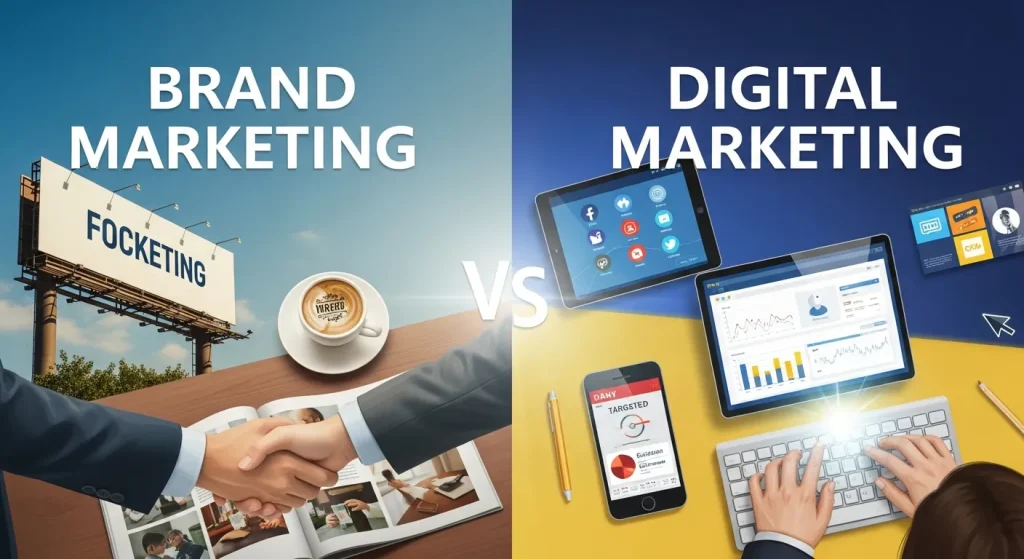
Do you know the real difference between building a reputation and generating a lead? In the crowded business landscape, understanding the battle of Brand Marketing vs Digital Marketing is the secret weapon you need to skyrocket your growth and authority.
This guide explores the critical distinctions in Brand Marketing vs Digital Marketing. We uncover how branding builds long-term loyalty through identity and emotion, while digital marketing drives immediate action through data and technology. Learn how to integrate both for a holistic strategy that dominates your market.
The Core Dilemma: Brand Marketing vs Digital Marketing
In the modern business world, leaders often confuse the “why” with the “how.” The debate of Brand Marketing vs Digital Marketing is not about choosing one over the other; it is about understanding their unique roles in your ecosystem.
Brand Marketing is the art of shaping your public identity. It is the “who” you are—your values, your voice, and the emotional connection you forge with your audience. It answers the question: Why should I trust you?
Digital Marketing, conversely, is the set of tactical tools and channels used to promote that identity online. It is the “how” and “where” you reach people. It answers the question: How do I find you?
To master Brand Marketing vs Digital Marketing, you must realize that digital marketing is the megaphone, but brand marketing is the voice speaking through it.
Defining Brand Marketing
What is Brand Marketing? It is the strategic process of cultivating a brand’s reputation and visibility. It goes beyond logos and colors; it encompasses Brand Personality In Marketing, Brand Voice, and the overall Brand Perception in Marketing.
The major objective of all brand marketing is to build Brand Equity—the value premium that a company generates from a product with a recognizable name when compared to a generic equivalent. High brand equity leads to customer loyalty, resilience against crises, and the ability to command higher prices.
Defining Digital Marketing
Mastering Digital Marketing involves using digital channels to reach consumers. This includes Search Engine Optimization (SEO), content marketing, Pay-Per-Click (PPC), and social media.
Where branding is qualitative (feelings, trust, loyalty), digital marketing is often quantitative (clicks, impressions, conversions). Digital marketing success stories are usually defined by metrics like ROI, Customer Acquisition Cost (CAC), and click-through rates (CTR).
Brand Marketing vs Digital Marketing: The Breakdown
To truly understand Brand Marketing vs Digital Marketing, we must look at how they differ across specific parameters.
|
Feature |
Brand Marketing |
Digital Marketing |
|---|---|---|
|
Primary Goal |
Build loyalty, trust, and identity. |
Generate leads, traffic, and sales. |
|
Time Horizon |
Long-term (Years/Decades). |
Short-to-medium term (Campaigns). |
|
Key Metrics |
Brand Awareness, Sentiment, Equity. |
CTR, ROI, Conversion Rate. |
|
Target Audience |
Broad market & existing customers. |
Highly targeted segments. |
|
Approach |
Emotional, storytelling-based. |
Data-driven, tactical. |
|
Tools |
Archetypes, Voice, PR, Values. |
SEO, PPC, Email, Social Media. |
The Timeline Difference
One of the starkest contrasts in Brand Marketing vs Digital Marketing is patience. Digital marketing often seeks instant gratification. You turn on a Google Ads campaign, and you expect traffic immediately.
Brand marketing is a marathon. Building Brand Resilience or executing a Global Brand Launch Checklist takes time. You are planting seeds of Brand Trust that may not bear fruit in next month’s sales report but will ensure the company survives for the next decade.
The Emotional vs. Analytical Divide
Brand Marketing vs Digital Marketing also splits along the lines of psychology versus data.
Brand marketing relies heavily on Emotional Branding and Neuromarketing Techniques. It asks: How does this color make the user feel? Does this story resonate with their nostalgia? Concepts like Nostalgia in Digital Branding and The Psychology of Color in Branding are paramount here.
Digital marketing relies on hard data. It asks: Which headline got more clicks? What is the bounce rate on this landing page? Tools like Google Analytics and SEMrush are essential here to measure performance.
Strategic Pillars of Brand Marketing
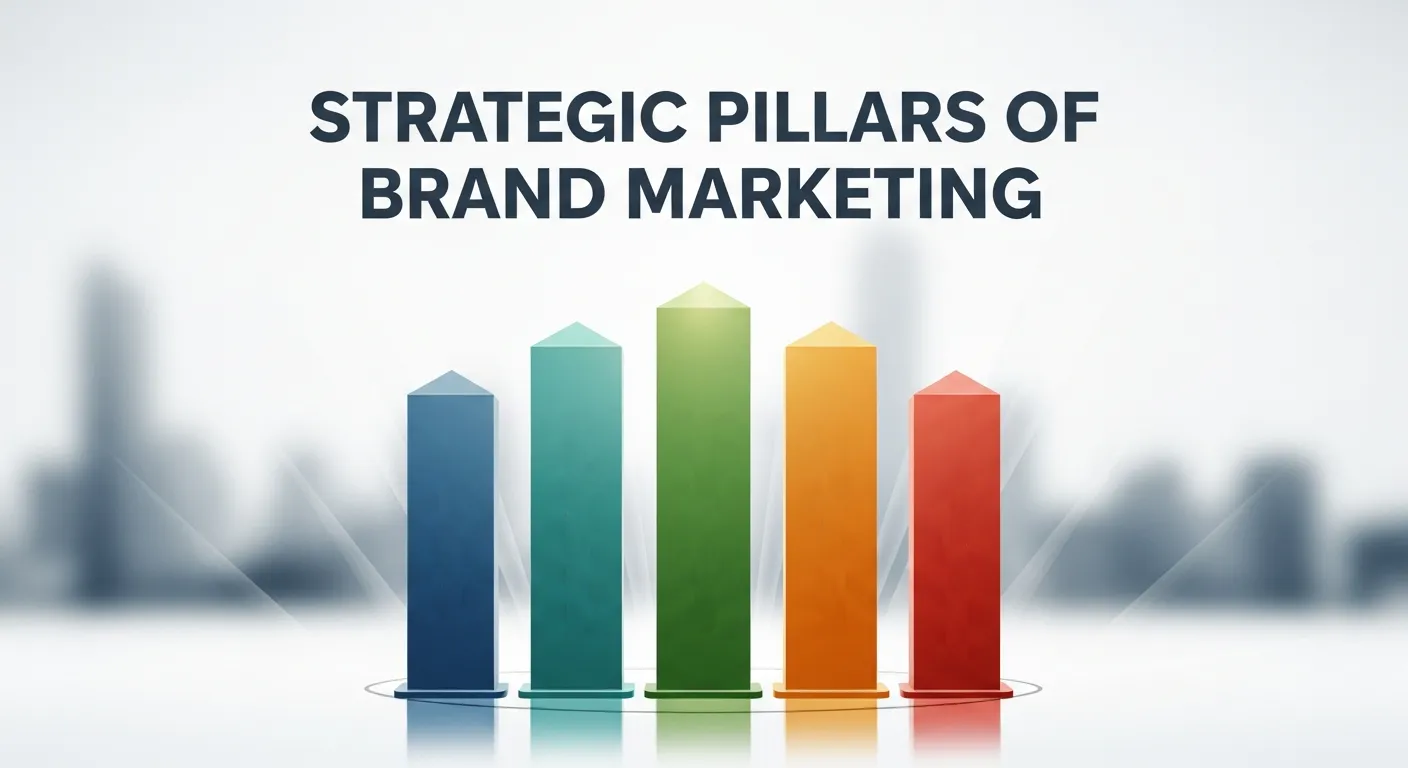
To win the Brand Marketing vs Digital Marketing game, you must first ensure your foundation—the brand—is solid. Without a strong brand, your digital marketing is just noise.
1. Brand Archetypes and Personality
Understanding Brand Archetypes (e.g., The Hero, The Outlaw, The Caregiver) helps you maintain consistency. Your Brand Personality in Marketing dictates how you speak to your audience. Are you authoritative like IBM or playful like Wendy’s? This personality must remain consistent whether you are doing a Brand Refresh or engaging in Crisis Management in the Social Media Era.
2. Inclusive and Sustainable Strategies
Modern consumers demand more. Inclusive Brand Strategies and Sustainable Branding Strategies are no longer optional. Customers want to know the Truth Behind Branded Sustainability and Environmental Harm. Green washing won’t cut it; authentic Green Marketing is required to build trust.
3. Storytelling and Narrative
Mastering Brand Storytelling is the heart of branding. Whether it is Interactive Storytelling in Branding or simple blog posts, the narrative connects the product to the human experience. This is where Branded Content Marketing shines—creating content that entertains or informs rather than just sells.
4. Brand Positioning
How to Create Strong Brand Positioning in Your Market involves defining where you sit in the customer’s mind relative to competitors. Are you the luxury option (Luxury Brand Marketing) or the budget-friendly choice? Value Based Brand Positioning ensures your price point aligns with your perceived worth.
5. Specialized Branding
Different sectors require different nuances:
- CPG Brand Marketing: Focuses on packaging and shelf presence.
- Family Branding in Marketing: marketing a group of products under a single brand.
- Personal Branding for CEOs: Building the reputation of leadership to bolster the company.
Strategic Pillars of Digital Marketing
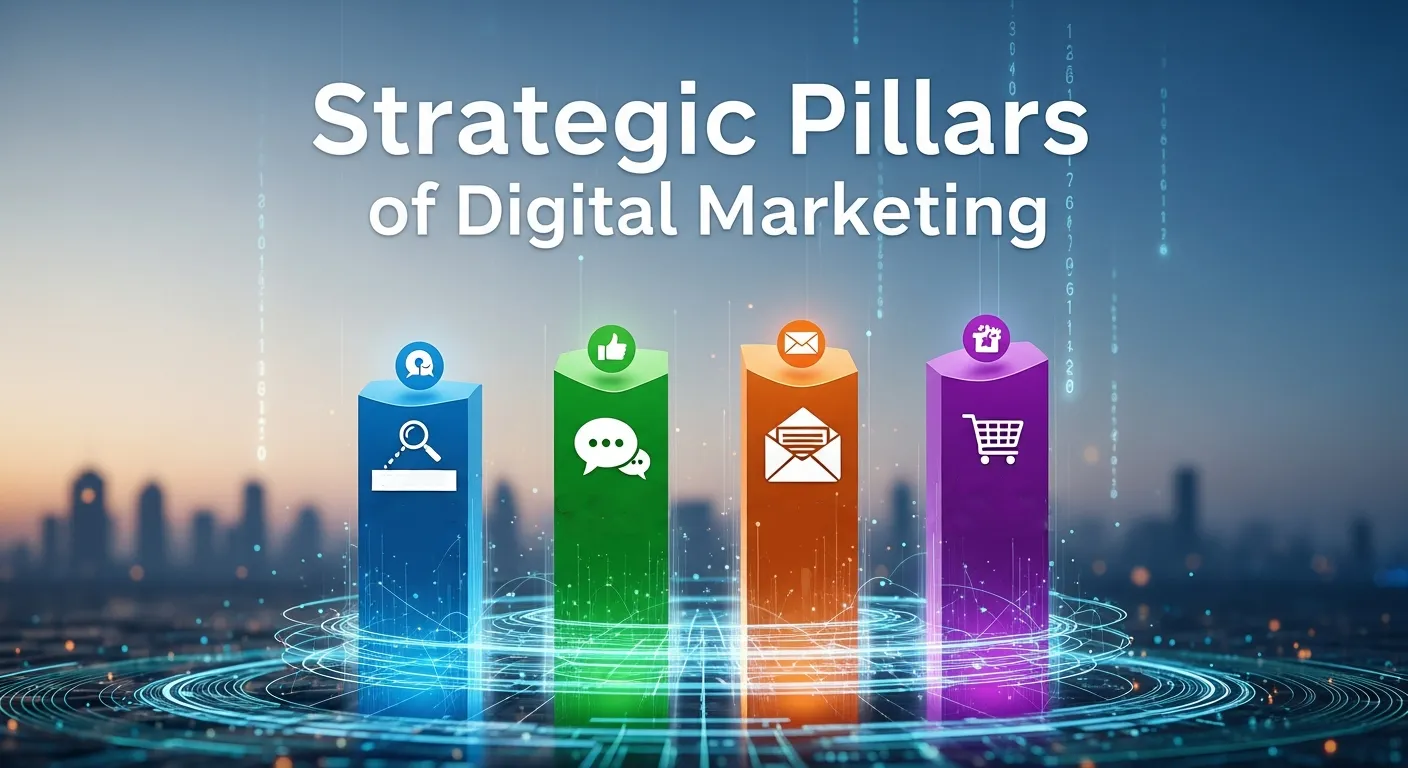
Once the brand is defined, digital marketing amplifies it. In the context of Brand Marketing vs Digital Marketing, this is the execution phase.
1. SEO and Content
Generative Engine Optimization and traditional SEO ensure your brand is found. High-authority sources like Backlinko emphasize that content must satisfy user intent. This includes Voice Search Optimization as more users rely on smart speakers.
2. Social Media and Influencer Marketing
Can Social Media Marketing Increase Brand Awareness? Absolutely. But it requires strategy. Influencer Marketing allows brands to borrow the trust of established creators. However, you must measure the ROI of Influencer Marketing carefully.
- Meme Marketing 2.0: Using humor to go viral.
- Viral Marketing on TikTok: Leveraging trends for massive exposure.
- How to Get Brand Promotions on Instagram: Utilizing visual storytelling.
3. Performance Marketing
Brand Marketing vs Performance Marketing is a common sub-debate. Performance marketing is purely results-based (paying for conversions). While effective, it must not cannibalize the brand. Over-discounting to drive performance metrics can hurt Brand Perception.
4. Email and Automation
Email Marketing Tips for Seasonal Campaign execution can drive significant revenue. Automation ensures that your Brand Voice reaches the customer at the right time without manual intervention.
The Intersection: Integrated Marketing
The most successful companies do not view Brand Marketing vs Digital Marketing as a binary choice. They practice Integrated Marketing and Integrated Brand Promotion.
How Digital Enhances Brand
How to Use Digital Marketing to Enhance Brand Awareness is a key skill. Digital channels provide the data to refine the brand. Social Listening as a Brand Strategy Tool allows you to hear what people are saying about you and adjust your Brand Voice Strategy accordingly.
The Role of Content
What is Branded Content Marketing? It is the bridge. A high-quality blog post or video series (Digital) that tells a compelling story about your values (Brand) is the perfect marriage of the two.
Consistency Across Channels
Building Brand Consistency Across Digital and Physical Touchpoints is vital. If your website is sleek and modern (Digital), but your customer service is slow and rude (Brand Experience), the disconnect will kill your conversion rates. This includes Omnichannel Personalization—ensuring the user feels known whether they are on your app, website, or in-store.
Emerging Trends in 2026 and Beyond
The landscape of Brand Marketing vs Digital Marketing is shifting rapidly due to technology.
1. AI and The Senses
AI Sensory Branding is rising. Brands are using AI to predict which sounds (The Power of Sonic Branding) and visuals will trigger specific neurological responses (Neuromarketing Techniques).
2. The Metaverse and AR
Mastering Metaverse Branding and Augmented Reality Branding offers immersive experiences. Instead of just seeing a product, digital marketing allows users to “try it on” virtually, deepening the brand connection.
3. Voice and Audio
With the Rise of Voice Branding, how your brand “sounds” on Alexa or Siri is as important as how it looks. This requires a distinct Brand Voice that is recognizable without visuals.
4. Zero-Click Marketing
Platform algorithms now prioritize keeping users on the app (Google, LinkedIn, etc.). Zero-Click Marketing means delivering value (Brand) directly in the feed without forcing a click-through (Digital), building authority even if traffic doesn’t immediately spike.
Measuring Success: The KPIs
How do you score the game of Brand Marketing vs Digital Marketing?
Measuring Brand
- Brand Equity: The commercial value of your reputation.
- Share of Voice: How much you dominate the conversation compared to competitors.
- Brand Sentiment: Are mentions positive or negative?
- Brand Recall/Recognition: What Is Brand Recognition in Marketing? It is the ability of a consumer to identify your brand by attributes alone.
Measuring Digital
- Conversion Rate: The percentage of visitors who take action.
- Cost Per Acquisition (CPA): How much you spend to get a customer.
- Traffic Sources: Where are your users coming from? (See Google Analytics).
- SERP Rankings: Your position on search engines (See Ahrefs or SEMrush).
Common Pitfalls to Avoid
In the tug-of-war between Brand Marketing vs Digital Marketing, businesses often make fatal errors.
- Brand Cannibalization: Launching new products that eat into the sales of your existing brand without expanding the market.
- Inconsistent Voice: Being professional on LinkedIn but inappropriately casual on Twitter/X creates confusion.
- Ignoring Brand Safety: In Brand Safety in Digital Marketing, placing ads on controversial sites can damage your reputation instantly.
- Over-relying on Discounts: Using digital tactics to slash prices might drive sales today but destroys Luxury Brand Marketing positioning in the long run.
- Neglecting Internal Branding: Internal Branding: Turning Employees into Your Most Powerful Brand Ambassadors is often overlooked. If your team doesn’t believe in the brand, they can’t sell it.
How to Build a Holistic Strategy
To win at Brand Marketing vs Digital Marketing, follow this integrated roadmap:
- Conduct a Brand Audit: Use How to Conduct a Comprehensive Brand Audit guides to see where you stand.
- Define Your Archetype: Use the Big 5 Model of Brand Management or Jungian archetypes to solidify your personality.
- Map the Customer Journey: Understand Customer Journey Mapping. Where does the user need education (Brand)? Where do they need a push to buy (Digital)?
- Align Keywords: Use LSI keywords and Optional Supporting Keywords like “Brand Extension,” “Co-branding,” and “User Experience” to capture broad search intent.
- Test and Iterate: Use A/B testing (Digital) to refine your messaging (Brand).
Conclusion
Ultimately, the debate of Brand Marketing vs Digital Marketing isn’t about choosing one over the other. It is about harmony. Your brand is the soul of your business—the story, the values, and the promise. Digital marketing is the vehicle that delivers that soul to the world.
If you focus only on digital, you become a commodity—loud, but replaceable. If you focus only on brand, you become a hidden gem—admired, but invisible. By mastering the synergy between Brand Marketing vs Digital Marketing, you build a business that is not only visible but resilient, trusted, and unshakeable in the face of changing market trends.
FAQs
1. What is the main difference between Brand Marketing vs Digital Marketing?
Brand marketing focuses on building a long-term reputation, emotional connection, and identity. Digital marketing focuses on using online channels and technologies to drive immediate traffic, leads, and sales. Branding is the “why,” digital is the “how.”
2. Can you have digital marketing without brand marketing?
You can, but it is rarely sustainable. Without a strong brand foundation, digital marketing becomes a race to the bottom on price. Branding provides the trust required for digital campaigns to convert effectively.
3. How does SEO fit into Brand Marketing vs Digital Marketing?
SEO is primarily a digital marketing tool, but it serves branding goals. Ranking high for industry terms builds authority (Branding) while driving traffic (Digital). “Brand Awareness” is significantly boosted when you dominate search results.
4. Is Influencer Marketing considered Brand or Digital Marketing?
It is a hybrid. It uses digital channels (social media) but relies heavily on the “Brand Equity” and trust of the influencer to transfer credibility to your product.
5. How do I measure the ROI of Brand Marketing?
Unlike digital marketing, which has clear attribution, brand ROI is harder to measure. You look at metrics like Brand Equity, Net Promoter Score (NPS), Brand Search Volume, and long-term customer retention rates (LTV).
6. What is “Brand Safety” in digital marketing?
Brand Safety in Digital Marketing refers to measures taken to ensure your ads do not appear alongside inappropriate or offensive content (e.g., hate speech, violence) that could damage your brand’s reputation.
7. How does “Personal Branding for CEOs” impact the company?
A CEO with a strong personal brand acts as a trust signal. In an era of skepticism, people trust people more than faceless corporations. A visible CEO can humanize the digital marketing efforts of the entire organization.
8. What is the role of “Nostalgia” in digital branding?
Nostalgia in Digital Branding is a powerful psychological trigger. It uses digital channels to evoke positive memories from the past, creating an immediate emotional bond that drives engagement and sales.
9. Why is “Internal Branding” important for digital success?
Internal Branding ensures your employees understand the brand’s mission. When employees are aligned, they share content, advocate for the company online, and deliver better customer service, all of which amplify digital marketing efforts.
10. What is “Generative Engine Optimization”?
As AI search engines (like ChatGPT Search or Google SGE) rise, Generative Engine Optimization is the new frontier of SEO. It involves optimizing content so that AI models cite your brand as the authority when answering user queries.