Web3 Branding: How to Build Decentralized Brand Experiences for the Future
Web3 branding strategies enable decentralized, transparent, and community-driven brand experiences using blockchain, NFTs, and DAOs. They enhance engagement, trust, and digital ownership, helping brands build stronger loyalty and future-ready ecosystems in the evolving Web3 landscape.
Understanding Web3 Branding Fundamentals
Web3 branding strategies represent a major shift from centralized marketing control to decentralized, user-driven ecosystems where communities actively participate in shaping brand identity. Instead of brands controlling all communication, blockchain technology introduces transparency, shared ownership, and trust-based interactions. This includes the use of smart contracts, NFTs, and decentralized applications that redefine how engagement works in digital environments. With web3 branding strategies, customers are no longer passive audiences; they become active contributors who influence brand growth and direction. This creates stronger emotional loyalty, deeper engagement, and long-term relationships. The foundation of Web3 branding lies in openness, collaboration, and digital ownership, which together build more meaningful, transparent, and future-ready brand experiences in today’s rapidly evolving decentralized digital economy.
Building Community-Driven Brand Ecosystems
A successful Web3 ecosystem thrives on active community participation, and Web3 branding strategies enable brands to transform users into co-creators rather than passive consumers. Through decentralized platforms, communities can vote on decisions, suggest improvements, and influence product development, creating a sense of ownership and empowerment. This approach builds stronger trust and long-lasting loyalty compared to traditional marketing models. By implementing web3 branding strategies, brands create dynamic environments where engagement is continuous, meaningful, and value-driven instead of transactional. Communities become the core growth engine, helping brands scale organically and authentically. When combined with concepts from the Metaverse Marketing Guide, these ecosystems become even more immersive, allowing real-time interaction where users actively shape brand direction and overall digital experience collaboratively.
Tokenization and Digital Ownership
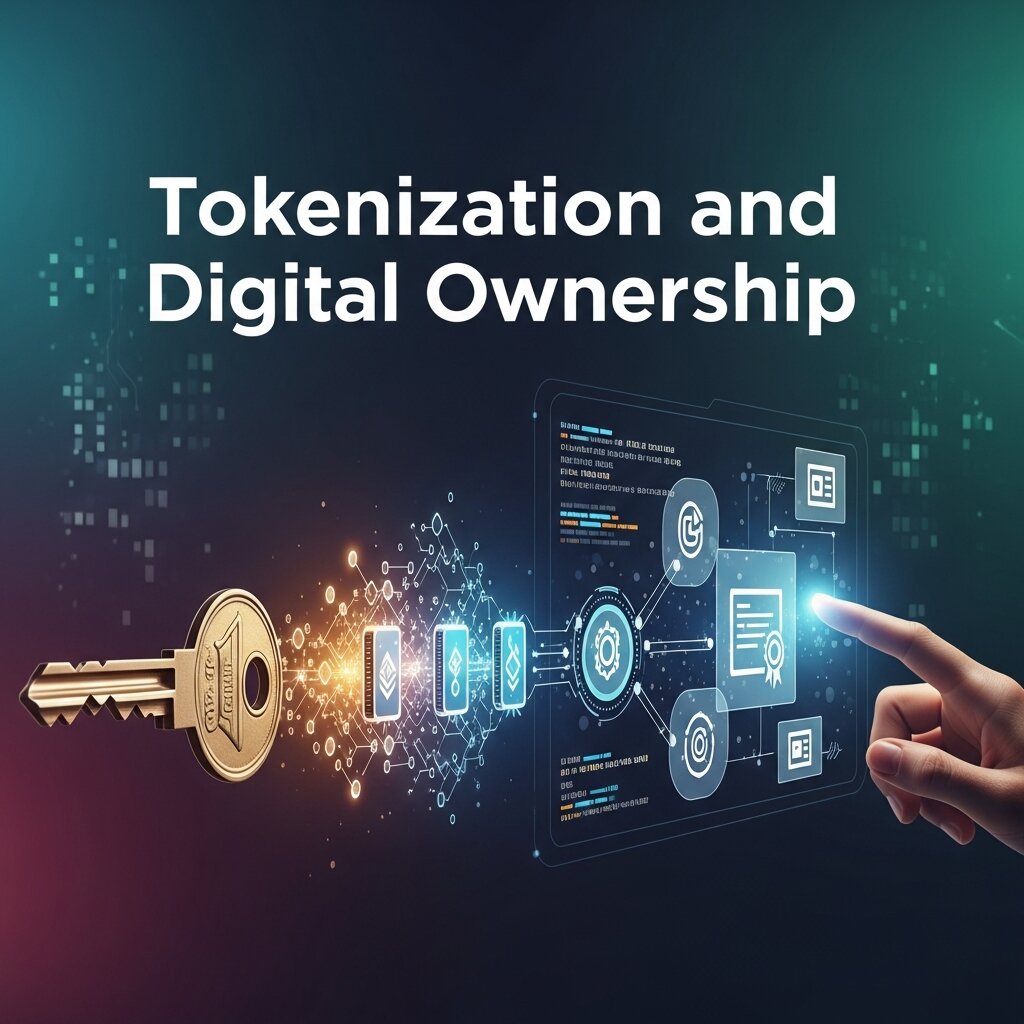
Tokenization is a core pillar of modern digital transformation, and web3 branding strategies use NFTs and blockchain-based tokens to provide users with true ownership of digital assets. These assets may include loyalty rewards, membership access, exclusive content, or collectibles that enhance engagement and user value. When customers feel they own part of a brand ecosystem, their emotional connection becomes significantly stronger. Through web3 branding strategies, businesses shift from traditional customer relationships to value-sharing models where participation is rewarded and recognized. This approach also aligns with modern Product Branding Strategy principles, helping brands stand out in competitive markets. Ultimately, tokenization builds trust, increases engagement, and creates a more interactive, rewarding, and sustainable brand ecosystem for both businesses and users.
Decentralized Storytelling in Branding
Storytelling in Web3 is no longer controlled by a single brand voice; instead, it evolves through community participation using web3 branding strategies. This decentralized approach allows users to contribute content, share experiences, and validate authenticity through blockchain transparency. Unlike traditional static narratives, brand stories become dynamic, evolving based on real-time user interaction and feedback. With web3 branding strategies, storytelling becomes more authentic, transparent, and trust-driven because every contribution is traceable and meaningful. This strengthens emotional engagement and builds deeper loyalty between brands and audiences. When aligned with a Successful Branding Strategy, decentralized storytelling transforms customers into active participants who help shape brand identity, ensuring the narrative remains relevant, inclusive, and continuously evolving in the digital ecosystem.
Role of NFTs in Brand Engagement
NFTs play a powerful role in modern digital ecosystems, and web3 branding strategies leverage them to create exclusive, verifiable, and interactive brand experiences. These digital assets can represent event tickets, loyalty rewards, limited-edition products, or access to premium content, giving users tangible and meaningful value. Through web3 branding strategies, NFTs go beyond collectibles and become tools for engagement, participation, and long-term customer loyalty. They also help brands differentiate themselves in highly competitive digital markets by offering unique ownership experiences. When combined with gamification and Product Branding Strategy techniques, NFTs significantly enhance user interaction and emotional engagement. This makes brand experiences more immersive, personalized, and rewarding, ultimately strengthening both customer relationships and overall brand identity in the Web3 ecosystem.
Decentralized Governance and DAOs

Decentralized governance is a defining feature of Web3 ecosystems, and Web3 branding strategies use DAOs to involve users directly in brand decision-making. Through token-based voting systems, communities can micro-influence marketing development, marketing strategies, and future direction. This creates transparency, fairness, and stronger trust between brands and users. With web3 branding strategies, governance shifts from traditional top-down control to collaborative participation, encouraging innovation and inclusivity. DAOs ensure that brand growth aligns with community interests, making ecosystems more sustainable and user-focused. This model significantly increases engagement and loyalty by giving users real power in shaping brand outcomes. As a result, decentralized governance transforms branding into a shared responsibility, strengthening long-term relationships and building resilient digital communities.
Web3 Branding Tools and Technologies
To implement effective web3 branding strategies, businesses must rely on advanced tools and technologies that support decentralization, transparency, and user engagement. These tools help brands build secure ecosystems where users can interact, trade digital assets, and participate in governance. From blockchain networks to NFT platforms, each technology plays a vital role in shaping modern decentralized branding. When used strategically, these tools strengthen trust, improve engagement, and support long-term brand growth in the Web3 environment.
Key Points:
- Blockchain ensures transparency and data security
- Smart contracts automate brand interactions
- NFT platforms enable digital ownership and rewards
- DAOs support community-driven development
- Decentralized apps (dApps) enhance user engagement
| Tool/Technology | Purpose | Branding Benefit |
|---|---|---|
| Blockchain | Data transparency | Builds trust and security |
| Smart Contracts | Automation | Reduces manual processes |
| NFTs | Digital ownership | Increases engagement & loyalty |
| DAOs | Governance | Empowers community participation |
| dApps | User interaction | Enhances brand experience |
Metaverse Integration for Brand Expansion
The metaverse is reshaping how brands interact with audiences, and web3 branding strategies enable businesses to create immersive virtual experiences such as digital stores, events, and interactive environments. These experiences increase engagement by allowing real-time interaction between users and brands in fully digital spaces. Through web3 branding strategies, companies can seamlessly connect physical and virtual branding, creating unified and memorable customer journeys. This approach aligns with the Metaverse Marketing Guide, helping brands expand globally in innovative and engaging ways. The metaverse also enhances emotional connection by offering experiential rather than passive engagement. As a result, brands can create deeper impact, stronger storytelling, and more immersive digital identities that resonate with modern, tech-savvy audiences.
Data Transparency and User Trust

Trust is essential in digital branding, and web3 branding strategies strengthen it by using blockchain technology to ensure full transparency and data integrity. Users can verify transactions, brand activities, and data usage in real time, reducing fraud and increasing confidence. With web3 branding strategies, individuals also gain greater control over their personal data, aligning with modern privacy expectations and ethical digital practices. This transparency builds stronger, long-term relationships between brands and audiences, where trust is embedded rather than marketed. When combined with a Successful Branding Strategy, transparency becomes a powerful competitive advantage. It enhances credibility, improves customer retention, and ensures that brands are seen as reliable, responsible, and future-ready in an increasingly decentralized digital world.
Challenges in Implementing Web3 Branding Strategies
While web3 branding strategies offer powerful opportunities, they also come with challenges that businesses must address to succeed. Issues like technological complexity, regulatory uncertainty, and user adoption barriers can slow down implementation. Brands must carefully plan their transition into decentralized systems while ensuring user education and security. Despite these challenges, companies that overcome them can gain a strong competitive advantage in the evolving digital economy.
Key Points:
- High technical complexity for beginners
- Regulatory uncertainty in different regions
- Limited user awareness of Web3 tools
- Security risks if systems are poorly designed
- High initial development and integration cost
| Challenge | Impact | Possible Solution |
|---|---|---|
| Technical complexity | Slows adoption | Hire skilled Web3 developers |
| Regulatory issues | Legal uncertainty | Follow compliance guidelines |
| Low user awareness | Limited engagement | Educate audiences |
| Security risks | Data vulnerability | Use audited smart contracts |
| High cost | Budget pressure | Start with small pilot projects |
Future of Web3 Branding
The future of branding is strongly rooted in decentralization, and web3 branding strategies will continue evolving with advancements in blockchain, AI, and immersive technologies. Brands will increasingly adopt community ownership models, token-based economies, and metaverse integration to stay relevant in competitive digital markets. With web3 branding strategies, marketing will shift from traditional campaigns to interactive ecosystems where users actively participate in brand development and growth. AI-driven personalization and decentralized data systems will further enhance user experience and engagement. Businesses that adopt these strategies early will gain a strong competitive advantage by building loyal, engaged, and future-ready communities. Ultimately, Web3 branding will redefine how trust, value, and digital identity are created in the global economy.
Conclusion
In summary, web3 branding strategies are transforming how brands build trust, engagement, and long-term relationships in a decentralized digital world. By integrating blockchain, NFTs, DAOs, and metaverse experiences, businesses can create transparent and community-driven ecosystems. These strategies shift branding from traditional promotion to interactive participation, where users become active stakeholders. Adopting web3 branding strategies helps brands stay future-ready, improve loyalty, and enhance digital experiences. As Web3 continues to evolve, companies embracing decentralization will gain a strong competitive advantage in global markets.
Frequently Asked Questions
1: What are Web3 branding strategies?
Web3 branding strategies are approaches that use blockchain, NFTs, and decentralized platforms to build transparent and community-driven brand experiences. They shift control from centralized brands to users, allowing participation, ownership, and trust-based engagement in digital ecosystems and future-ready marketing models.
2: Why are Web3 branding strategies important?
Web3 branding strategies are important because they help brands build trust, transparency, and stronger community relationships. They enable user participation through decentralized systems, improve engagement, and create long-term loyalty by giving customers real ownership and influence over brand experiences and digital ecosystems.
3: How do Web3 branding strategies work?
Web3 branding strategies work by integrating blockchain technology, smart contracts, and digital assets like NFTs into branding systems. These tools allow transparent interactions, user ownership, and community governance, making branding more interactive, secure, and aligned with decentralized digital economy principles.
4: What role do NFTs play in Web3 branding?
NFTs are essential in web3 branding strategies as they provide digital ownership, exclusivity, and engagement opportunities. Brands use NFTs for rewards, memberships, and access passes, helping users feel valued while strengthening loyalty and creating unique, interactive digital brand experiences.
5: How do Web3 branding strategies improve customer engagement?
Web3 branding strategies improve engagement by turning users into active participants rather than passive audiences. Through tokens, DAOs, and interactive ecosystems, customers contribute to decisions, earn rewards, and engage deeply, creating stronger emotional connections and long-lasting brand relationships.
6: What is the role of community in Web3 branding?
Community is central to web3 branding strategies because it drives collaboration, participation, and brand growth. Users help shape products, share ideas, and influence decisions, creating stronger loyalty and trust while transforming branding into a shared, decentralized ecosystem.
7: Can small businesses use Web3 branding strategies?
Yes, small businesses can adopt web3 branding strategies to build trust, grow communities, and offer unique digital experiences. Even with limited budgets, they can use NFTs, social tokens, and decentralized tools to engage audiences and compete in evolving digital markets.
8: How does Web3 affect brand trust?
Web3 branding strategies improve brand trust by using blockchain transparency, where all transactions and interactions are verifiable. This reduces fraud, increases accountability, and gives users confidence in the brand’s authenticity, data usage, and long-term commitment to ethical digital practices.
9: What is the future of Web3 branding?
The future of web3 branding strategies includes deeper metaverse integration, AI personalization, and decentralized ownership models. Brands will focus more on community-driven ecosystems, immersive experiences, and token-based economies to build stronger engagement and long-term digital loyalty.
10: How do Web3 branding strategies differ from traditional branding?
Web3 branding strategies differ from traditional branding by shifting control from centralized companies to decentralized communities. Instead of one-way communication, users actively participate, own digital assets, and influence decisions, creating more transparent, interactive, and trust-based brand ecosystems.