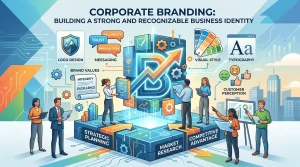
Brand Personality Assessment: Tools and Techniques for Authentic Development

Unlock your business’s true potential by mastering a Brand Personality Assessment. This guide reveals how to define, measure, and refine your authentic voice for lasting market impact.
A Brand Personality Assessment is essential for distinguishing your business in a crowded market. This article explores psychological frameworks, practical tools, and modern strategies like neuromarketing and AI to help you build a resonant identity. We cover actionable steps to align your internal culture with external perception for maximum brand equity.
Understanding the Power of Brand Personality
In the competitive landscape of modern business, a product is never just a product. It is a promise, a story, and an experience. At the heart of this experience lies the Brand Personality Assessment. Just as human personality determines how we connect with others, brand personality dictates how a company connects with its audience. It is the set of human characteristics attributed to a brand name. When a consumer describes a brand as “innovative,” “trustworthy,” or “rebellious,” they are describing its personality.
A robust Brand Personality Assessment allows you to move beyond logo design and color palettes into the realm of emotional connection. It answers the question: “If your brand were a person, who would it be?” This personification is crucial because consumers do not just buy what you sell; they buy who you are. Whether you are leveraging Luxury Brand Marketing or CPG Brand Marketing, the principles of personality remain the bedrock of Consumer Brand Marketing.
The Psychology of Brand Personality
To conduct a meaningful Brand Personality Assessment, one must understand the psychological underpinnings of brand perception. The most widely accepted framework is Jennifer Aaker’s “Big 5 Model of Brand Personality.” This model suggests that a brand’s personality is structured around five core dimensions:
- Sincerity: Down-to-earth, honest, wholesome, and cheerful. (e.g., Disney, Hallmark)
- Excitement: Daring, spirited, imaginative, and up-to-date. (e.g., Tesla, Red Bull)
- Competence: Reliable, intelligent, and successful. (e.g., Microsoft, Volvo)
- Sophistication: Upper-class and charming. (e.g., Rolex, Mercedes)
- Ruggedness: Outdoorsy and tough. (e.g., Jeep, REI)
When you perform a Brand Personality Assessment, you are essentially measuring where your brand falls on this spectrum. Are you trying to project Sophistication but your audience perceives you as Rugged? This disconnect is where brand equity is lost. Aligning these perceptions is the Major Objective of All Brand Marketing.
Neuromarketing Techniques and The Psychology of Color in Branding play significant roles here. For instance, blue often signifies competence and trust, while red triggers excitement. Understanding The Science of Brand Memory helps marketers craft cues that trigger the right personality associations in the consumer’s brain.
Why You Need a Brand Personality Assessment Now
The market is shifting. We are seeing a rise in Inclusive Brand Strategies and Sustainable Branding Strategies. Consumers are scrutinizing brands more than ever. The Truth Behind Branded Sustainability and Environmental Harm is often exposed, leading to a demand for radical transparency. A Brand Personality Assessment acts as a mirror, revealing whether your “green” claims align with your actual brand behavior or if they are merely Greenwashing.
Furthermore, a Brand Personality Assessment is critical for:
- Differentiation: In a sea of sameness, personality is your unique identifier.
- Loyalty: Emotional connections drive higher retention than functional benefits.
- Consistency: It provides a North Star for content creation, ensuring Brand Voice in Marketing remains consistent across all channels.
- Premium Pricing: Brands with strong personalities (like Apple or Harley Davidson) can command higher prices due to high Brand Equity in Marketing.
Tools for Conducting a Brand Personality Assessment
Conducting a Brand Personality Assessment requires the right toolkit. You cannot manage what you cannot measure. Here are the primary tools and techniques used by top strategists:
1. Brand Archetype Quizzes
Brand Archetypes (based on Carl Jung’s theory) are a powerful starting point. Are you the Hero, the Outlaw, the Caregiver, or the Creator? Brand Archetypes in Practice: From Theory to Marketplace Reality shows us that brands like Nike embody the Hero, while Virgin embodies the Outlaw. Using an archetype quiz helps internal teams align on a shared identity.
2. Surveys and Focus Groups
Direct feedback is invaluable. Use platforms like SurveyMonkey or Typeform to ask customers to describe your brand using adjectives. This is a direct Brand Personality Assessment technique that highlights the gap between desired and actual perception.
3. Social Listening Tools
Tools like SEMrush and Ahrefs are not just for SEO; they are vital for Social Listening as a Brand Strategy Tool. By monitoring mentions and sentiment, you can see how people talk about you. Are they using words like “helpful” and “kind” or “arrogant” and “slow”? This real-time data feeds into your Brand Personality Assessment.
4. Competitor Analysis
Using Competitive Brand Analysis, you can map your personality against rivals. If everyone in your niche is “Corporate and Serious,” there might be a massive opportunity to be “Playful and Accessible.”
5. AI and Data Analytics
AI Sensory Branding and AI-Powered Brand Analysis are revolutionizing the field. These tools can analyze thousands of customer interactions to detect personality patterns that humans might miss. They are essential for Measuring Brand Authenticity Using Real-Time Data.
|
Tool Category |
Recommended Tools |
Purpose in Brand Personality Assessment |
|---|---|---|
|
SEO & Listening |
Monitor brand sentiment and keyword associations. |
|
|
Analytics |
Track user behavior to infer engagement with brand voice. |
|
|
Surveys |
Typeform, Qualtrics |
Gather direct qualitative data from consumers. |
|
Visualization |
Miro, Canva |
Map personality traits against competitors. |
|
Education |
Research historical brand theories and models. |
|
|
SEO Training |
Learn how to optimize brand content for search engines. |
Techniques for Authentic Development
Once you have completed your Brand Personality Assessment, the next step is development. How do you build or pivot your personality authentically?
Storytelling and Content
Mastering Brand Storytelling is non-negotiable. Your personality lives in your stories. Interactive Storytelling in Branding and Data-Driven Brand Storytelling allow you to weave your traits into narratives that resonate. For example, if your Brand Personality Assessment reveals a “Sincerity” trait, your content should focus on real employee stories, community impact, and behind-the-scenes honesty.
Visual and Sensory Identity
Your visual identity must match your Brand Personality Assessment results. A “Sophisticated” brand should use minimalist design and serif fonts. A “Rugged” brand might use bold typography and earth tones. Sensory Branding and The Power of Sonic Branding (jingles, soundscapes) further reinforce these traits.
Voice and Tone
What Is Brand Voice in Marketing? It is the distinct personality your brand takes on in its communications. If your Brand Personality Assessment points to “Excitement,” your voice should be punchy, enthusiastic, and fast-paced. If it points to “Competence,” your voice should be measured, authoritative, and data-backed. This applies to everything from Email Marketing Tips for Seasonal Campaign to Brand Crisis Management in the Social Media Era.
Internal Branding
Your employees are your ambassadors. Internal Branding: Turning Employees into Your Most Powerful Brand Ambassadors ensures that the personality defined in the boardroom is acted out on the sales floor. If your Brand Personality Assessment says you are “Friendly,” but your customer service is robotic, you have a realignment issue.
The Role of Digital Marketing in Brand Personality
Digital Marketing Strategies are the vehicles through which personality is delivered. You cannot separate Brand Personality In Marketing from your digital execution.
- Social Media: Can Social Media Marketing Increase Brand Awareness? Absolutely, but it also defines personality. Meme Marketing 2.0 is a technique used by brands like Wendy’s to establish a sassy, “Jester” personality. Influencer Marketing and The ROI of Influencer Marketing depend heavily on finding influencers whose personal brands align with your Brand Personality Assessment.
- SEO: Even search intent reflects personality. Voice Search Optimization and the Rise of Voice Branding mean that how you sound when Alexa reads your content matters. Generative Engine Optimization ensures your brand’s personality remains intact even when summarized by AI.
- Content Marketing: What is Branded Content Marketing? It is content that entertains or informs rather than just sells. This is the playground for personality. High-Ticket Sales Webinars or Webinars for B2B Lead Generation require a “Competent” and “Sage” personality to build trust.
Navigating Modern Challenges with Brand Personality
The modern landscape poses unique challenges that a Brand Personality Assessment must address.
1. Sustainability and Ethics
Green Marketing and Ethical Branding are no longer optional. A Brand Personality Assessment helps you determine if your commitment to Sustainable Branding is perceived as genuine. Consumers are wary of The Truth Behind Branded Sustainability and Environmental Harm, so your personality must communicate authentic commitment, not just marketing fluff.
2. Inclusivity
Inclusive Branding: Designing Brand Experiences That Embrace Diversity and Equality is critical. Does your Brand Personality Assessment show that you are perceived as exclusive or welcoming? Ultimate Guide to Brand Accessibility helps ensure your personality resonates with all demographics.
3. The Metaverse and AI
Mastering Metaverse Branding and Augmented Reality Branding are the new frontiers. How does your brand personality translate to a virtual avatar? Brand Voice in the Era of Conversational AI and Chatbots is another massive consideration. If a bot handles your customer service, it must be programmed to reflect the traits identified in your Brand Personality Assessment.
4. Crisis Management
When things go wrong, your personality dictates your survival. Brand Resilience Strategies: For Crisis Management and Recovery rely on a strong pre-existing bank of trust. A brand with a “Sincere” personality often recovers faster from scandals than one with a “Sophisticated” but cold personality. Brand Safety in Digital Marketing ensures your ads don’t appear next to content that contradicts your personality.
Integrating Brand Personality into Specific Niches
A Brand Personality Assessment looks different across industries.
- B2B vs. B2C: B2B Brand Differentiation: Strategies for Crowded Professional Markets often rely on the “Competence” and “Sage” archetypes. However, Humanizing B2B is a trend where companies use humor and empathy. Brand Personality Assessment helps B2B firms decide how “human” to be.
- Luxury Markets: Luxury Brand Marketing relies heavily on “Sophistication” and “Exclusivity.” The Psychology of Brand Design in luxury is about minimalism and elegance.
- Family and CPG: Family Branding in Marketing and CPG Brand Marketing often lean on “Sincerity” and “Nurturing.” Nostalgia in Digital Branding works wonders here, reminding parents of their own childhoods.
Step-by-Step Guide: Conducting Your Brand Personality Assessment
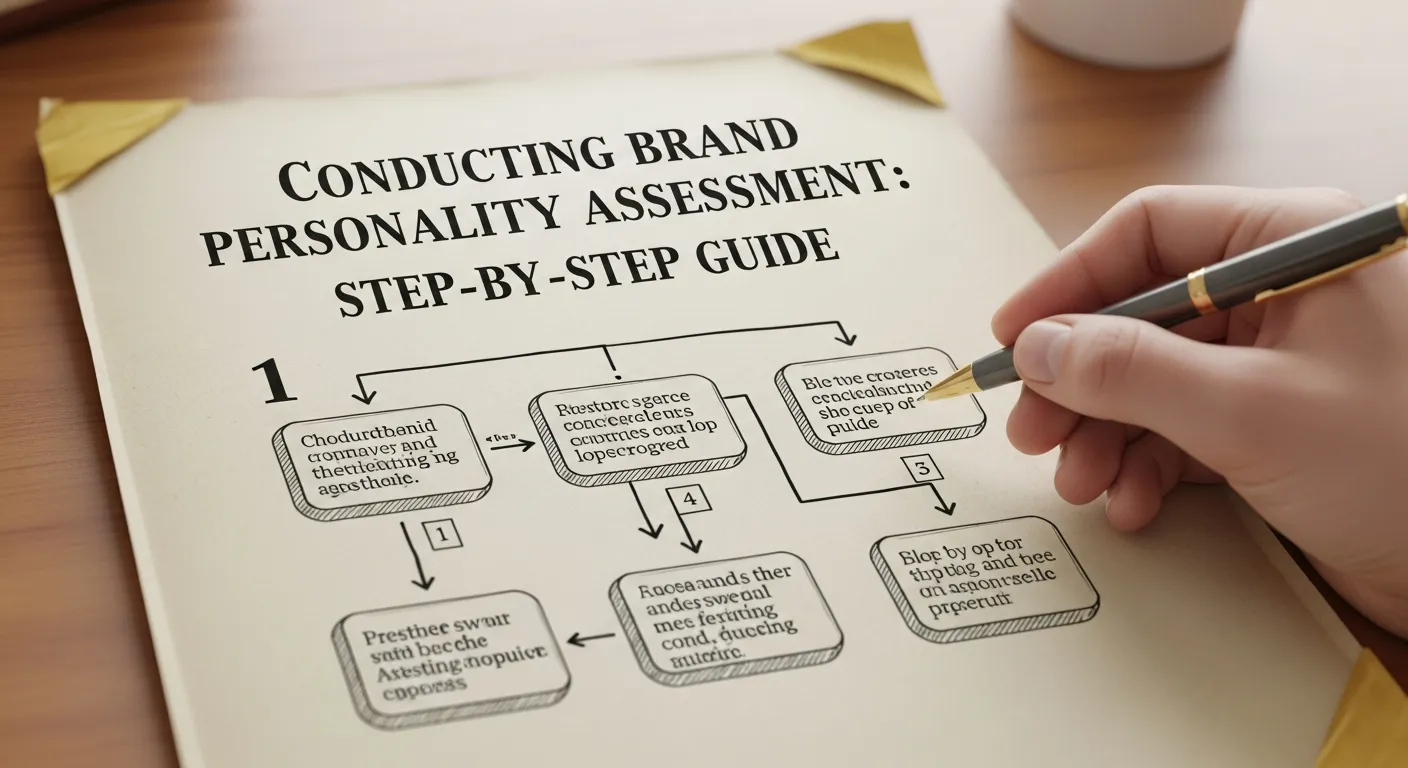
Ready to dive in? Follow this structured approach to conduct your own Brand Personality Assessment.
Step 1: Preparation and Goal Setting
Define why you are doing this. Are you preparing for a Global Brand Launch Checklist? Are you undergoing a Brand Refresh or a full Rebranding? Are you trying to Increase Market Share for Brand? Clear goals shape the assessment.
Step 2: Internal Audit
Review your Brand Architecture and Brand Positioning. What is your Value Based Brand Positioning? What Is Brand Voice in Marketing currently for your team? Use a Brand Strategy Framework to document what you think you are.
Step 3: External Data Collection
Deploy surveys and use Social Listening. Ask questions like “If this brand were a car, what would it be?” or “Which celebrity represents this brand?” This qualitative data is the gold of your Brand Personality Assessment.
Step 4: Analysis and Gap Identification
Compare internal views with external data. This is where you find the “Brand Gap.” If you think you are “Innovative” but customers think you are “Traditional,” you have work to do. Use Brand Equity KPIs to measure the impact of this gap.
Step 5: Strategy Implementation
Adjust your Integrated Marketing plan. Update your Brand Style Guide. Retrain your customer support. Launch a Brand Promotion Strategy that highlights your desired traits. Use Gamified Branding or Interactive Content Marketing to re-engage users with your new persona.
Step 6: Monitoring
A Brand Personality Assessment is not a one-time event. It is continuous. Use Brand Tracking and Predictive Analytics in Trend Marketing to monitor shifts. Automated Branding: Unlock the Future of Marketing tools can help keep this consistent.
Advanced Strategies: Emotional and Sensory Branding
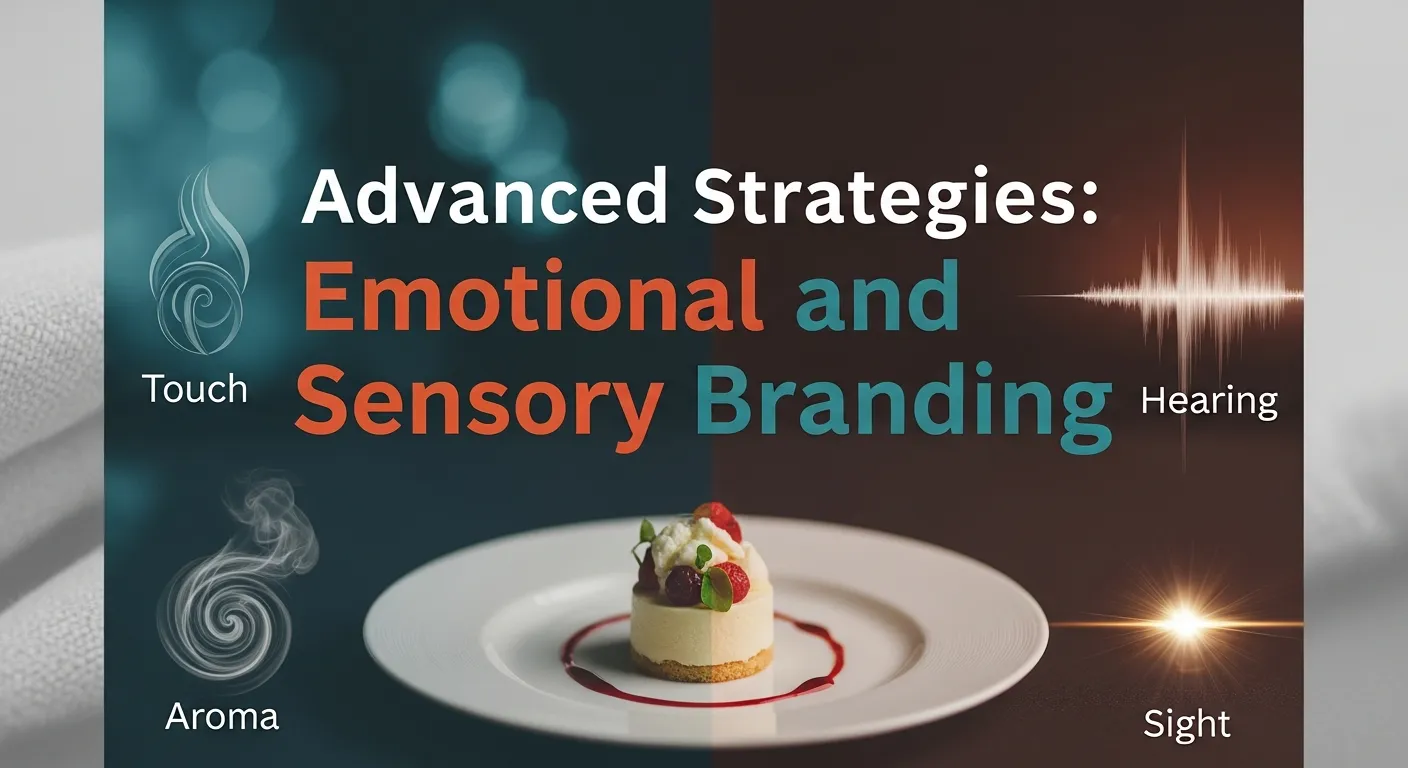
To truly excel, move beyond basic traits. Emotional Branding connects on a visceral level. Emotional Branding in the Digital Age requires using Emotional AI to detect user mood and adjust your response. Multisensory Branding: How to Engage All Five Senses to Create Unforgettable Brand Experiences suggests that even the packaging texture affects personality perception.
Consider Nostalgia in Digital Branding. It’s a potent tool. By referencing the past, you borrow positive emotions and attach them to your brand personality. This is often seen in Seasonal Marketing Strategies where holidays evoke deep emotional memories.
Brand Personality and Performance Marketing
There is often a debate: Brand Marketing vs Performance Marketing. A Brand Personality Assessment bridges this gap. Performance marketing (ads, PPC) captures demand, but brand personality creates it. Brand Building and Performance Marketing must work together. A distinct personality increases ad click-through rates because the brand is recognizable and trusted. The ROI of Brand Strategy is realized when your cost of acquisition (CAC) drops because people naturally gravitate toward your personality.
Avoiding Common Pitfalls
- Inconsistency: Being funny on Twitter but corporate on LinkedIn confuses the audience. Omnichannel Personalization requires a unified personality.
- Inauthenticity: Don’t try to be a “Rebel” if you are a risk-averse bank. Consumers smell fakes. Brand Authenticity is paramount.
- Stagnation: Personalities evolve. Brand Revitalization: Breathing New Life Into Legacy Brands keeps you relevant. Cross-Generational Branding ensures you don’t alienate Gen Z while serving Boomers.
- Ignoring Data: Do not rely on gut feeling. Use Data-Driven Inbound Marketing and AI-Powered Brand Analysis to back your Brand Personality Assessment findings.
Future Trends in Brand Personality
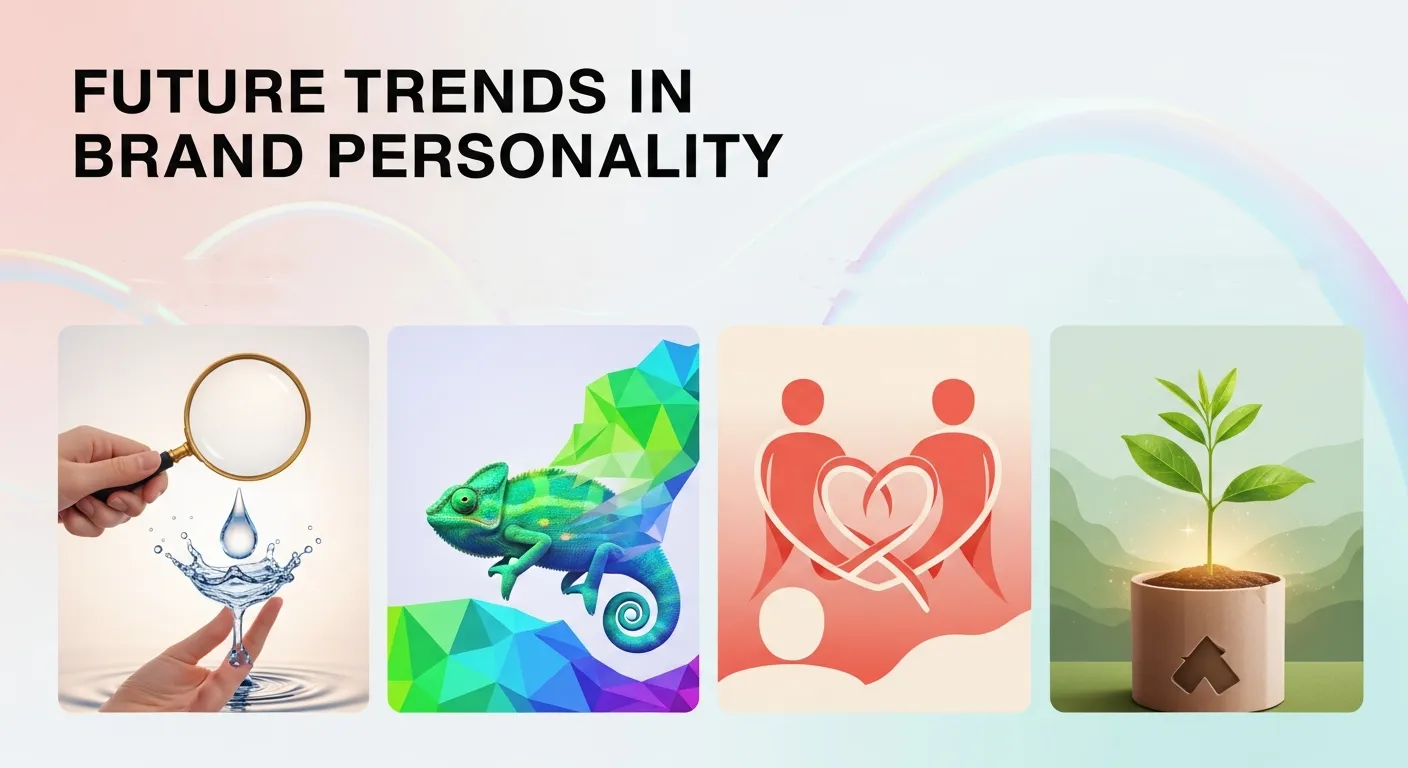
The future belongs to Personal Branding for CEOs and Employee Advocacy. The line between corporate and personal brand is blurring. A CEO’s personality often becomes the proxy for the company (think Elon Musk). The Future of Personal Branding is deeply intertwined with corporate identity.
Additionally, Brand Ecosystems: How to Craft Cohesive Experiences That Engage will become the norm. Your personality must flow seamlessly from your app to your store to your metaverse plot. Brand Rituals: How Small Habits Can Build Massive Brand Loyalty will be the new engagement metric.
By regularly performing a Brand Personality Assessment, you ensure your brand remains a living, breathing entity that evolves with its audience. It allows you to navigate Brand Cannibalization, optimize Brand Extension, and master Global Brand Localization. Whether you are a startup needing a Brand Strategy for Startups vs. Established Companies or a giant looking for Brand Resilience, the assessment is your roadmap.
Conclusion
A Brand Personality Assessment is more than a marketing exercise; it is a strategic imperative. In a world dominated by Digital Marketing Success Stories and fleeting trends, authenticity is your anchor. By utilizing the tools and techniques outlined—from archetype quizzes to AI analytics—you can carve out a unique space in the market. Remember, people don’t fall in love with corporations; they fall in love with personalities. Invest in your Brand Personality Assessment today to build a brand that is not just seen, but felt, remembered, and cherished.
FAQs
1. What is a Brand Personality Assessment?
A Brand Personality Assessment is a comprehensive evaluation process used to identify and measure the human characteristics attributed to a brand. It involves analyzing customer perceptions, internal company culture, and market positioning to determine if a brand is seen as sincere, exciting, competent, sophisticated, or rugged. This assessment helps businesses align their identity with their target audience’s expectations.
2. Which tools are best for a Brand Personality Assessment?
The best tools include survey platforms like SurveyMonkey or Typeform for direct customer feedback, and social listening tools like SEMrush or Ahrefs to monitor sentiment. Additionally, archetype quizzes based on Jungian psychology and AI-Powered Brand Analysis software are excellent for uncovering deep insights into how your brand is perceived in the digital space.
3. How does Brand Personality differ from Brand Identity?
Brand Identity includes the visual elements like logos, colors, and design (the “face” of the brand). Brand Personality is the emotional and behavioral set of characteristics (the “soul” of the brand). While identity is what you see, personality is who the brand “is” and how it communicates. A Brand Personality Assessment focuses on the latter.
4. Can a small business benefit from a Brand Personality Assessment?
Absolutely. In fact, small businesses often benefit more because personality is a cost-effective way to compete against larger corporations. A distinct personality helps small brands build deep loyalty and community, which are crucial for Brand Growth and Customer Retention.
5. How often should I conduct a Brand Personality Assessment?
It is recommended to conduct a Brand Personality Assessment at least once a year, or whenever there is a significant shift in the market or company strategy. Major events like a merger, a new product launch, or a PR crisis also warrant an immediate assessment to ensure the brand’s integrity remains intact.
6. What are the 5 dimensions of Brand Personality?
Proposed by Jennifer Aaker, the five dimensions are Sincerity (honest, genuine), Excitement (daring, spirited), Competence (reliable, intelligent), Sophistication (glamorous, charming), and Ruggedness (outdoorsy, tough). A Brand Personality Assessment typically measures a brand against these specific traits.
7. How does AI impact Brand Personality Assessment?
AI tools can process vast amounts of data from social media, reviews, and customer support chats to identify personality patterns that humans might miss. AI Sensory Branding and sentiment analysis allow for real-time tracking of brand perception, making the assessment more dynamic and accurate than traditional static surveys.
8. Is Brand Personality relevant for B2B companies?
Yes, B2B Brand Differentiation increasingly relies on personality. While B2B brands often lean towards “Competence,” adding elements of “Sincerity” or “Excitement” can humanize the brand and build stronger relationships with decision-makers. A Brand Personality Assessment helps B2B firms find the right balance between professionalism and approachability.
9. What is the role of Archetypes in Brand Personality Assessment?
Archetypes (like the Hero, Jester, or Sage) provide a shortcut to understanding brand personality. They offer a universally understood narrative framework. During a Brand Personality Assessment, identifying your primary archetype helps clarify your messaging, tone of voice, and visual identity, ensuring consistency across all touchpoints.
10. How do I fix a misalignment found in my Brand Personality Assessment?
If your assessment reveals a gap between how you want to be seen and how you are seen, you need a realignment strategy. This involves revisiting your Brand Core Values, adjusting your Tone of Voice, retraining staff on Brand Culture, and launching targeted Brand Awareness campaigns that consistently reinforce the desired traits until the perception shifts.