Customer-Centric Brand Development: Co-Creation Methodologies
Stop guessing what your customers want and start building it with them. The era of the “lone genius” marketer is over; the era of customer-centric brand development is here.
This guide explores the transformative power of customer-centric brand development through co-creation. We will unpack methodologies for involving customers in product design, marketing, and strategy. You’ll learn how to leverage brand storytelling, inclusive brand strategies, and digital tools to turn passive consumers into active partners, driving innovation and massive brand loyalty.
The Shift to Customer-Centric Brand Development
In the traditional model of branding, companies worked behind closed doors. They conducted secretive R&D, developed a polished image, and then unveiled their creation to the world, hoping it would stick. Today, that model is obsolete. Customer-centric brand development has flipped the script. It is no longer about building a brand for your customers; it is about building a brand with them.
This shift is driven by a fundamental change in power dynamics. Social media and digital connectivity have given consumers a voice, and they expect to use it. They don’t just want to buy products; they want to buy into values, communities, and stories they helped shape. This is where co-creation methodologies come into play. By integrating the customer into the development process, brands can ensure product-market fit, enhance brand perception in marketing, and foster a deep sense of ownership among their audience.
Why Co-Creation is the Future of Branding
Co-creation is the ultimate expression of customer-centric brand development. It goes beyond simple feedback forms or surveys. It involves active participation in the creative process. When customers feel heard and valued, brand loyalty skyrockets. They become more than just buyers; they become advocates and defenders of the brand. This approach also mitigates risk. If you co-create a product with your target audience, you already know there is a demand for it before you launch.
Core Pillars of Customer-Centric Brand Development
To successfully implement customer-centric brand development, you need a solid foundation. This isn’t just a tactic; it’s a mindset shift that must permeate the entire organization.
1. Radical Empathy and Listening
You cannot be customer-centric if you don’t understand your customer. This goes beyond demographics. It requires deep empathy—understanding their fears, aspirations, and daily struggles. Social listening as a brand strategy tool is essential here. By monitoring conversations on platforms like Reddit, Twitter, and specialized forums, brands can uncover unarticulated needs. Tools like SEMrush and Ahrefs can help identify what questions people are asking and what problems they are trying to solve.
2. Transparency and Trust
Co-creation requires trust. You are asking customers to give you their time and ideas. In return, you must be transparent about how those ideas will be used. The truth behind branded sustainability and environmental harm is often a friction point. If you claim to be co-creating a sustainable product, you must be open about your supply chain and challenges. Sustainable branding strategies thrive on this transparency.
3. Agility and Responsiveness
Customer-centric brand development is an iterative process. You launch, you listen, you tweak, and you launch again. This requires an agile organizational structure that can pivot quickly based on customer feedback. The days of the rigid 5-year plan are gone; the days of the 2-week sprint are here.
Co-Creation Methodologies for Modern Brands

How do you actually do it? Here are specific co-creation methodologies you can implement to drive customer-centric brand development.
A. The “Beta Brand” Strategy
Instead of launching a perfect product, launch a “minimum viable brand” or product and invite early adopters to shape its evolution.
- Software and Gaming: Video game developers often release “Early Access” versions. Players report bugs and suggest features, effectively becoming part of the QA and design team.
- Fashion: Brands like Glossier built their empire on this. They started with a blog (Into The Gloss), asked their community what they wanted in a cleanser or moisturizer, and then built exactly that. This is consumer brand marketing at its finest.
B. Crowdsourcing Innovation
This involves opening up a specific challenge or design task to the public.
- LEGO Ideas: Fans submit designs for new LEGO sets. If a design gets 10,000 votes, LEGO reviews it for official production. The creator gets a cut of the sales. This is a brilliant example of gamified branding and customer-centric brand development.
- Lays “Do Us a Flavor”: Asking customers to invent new chip flavors. It creates buzz (brand awareness) and results in a product people are curious to try.
C. Advisory Boards and Insider Communities
Create an exclusive group of “super users” who get early access to products and direct lines to your product team.
- Sephora Beauty Insider Community: This isn’t just a loyalty program; it’s a massive focus group. The discussions here influence inventory and marketing decisions.
- B2B Customer Advisory Boards (CABs): For B2B companies, gathering top clients to discuss industry trends and product roadmaps is a key form of customer-centric brand development.
Integrating Co-Creation into Digital Marketing Strategies

Customer-centric brand development isn’t just for product teams; it should revolutionize your marketing too.
User-Generated Content (UGC) as the Hero
Stop hiring models; start hiring your customers. UGC is the most authentic form of marketing.
- GoPro: Their entire brand is built on video shot by their customers. It shows brand purpose in action—enabling people to capture their adventures.
- Inclusive Brand Strategies: UGC naturally fosters inclusivity. When you feature real customers, you reflect the real diversity of your audience, rather than a curated, airbrushed version. This builds trust and aligns with inclusive brand strategies.
Interactive Storytelling
Interactive storytelling in branding invites the audience to choose the path of the narrative.
- Polls and Quizzes: Use Instagram Stories polls to let followers choose the color of your next product drop.
- Live Q&As: Host live sessions where leadership answers tough questions directly. This vulnerability creates emotional branding connections that polished ads cannot match.
Leveraging Data for Customer-Centricity
Data is the voice of the customer at scale. Customer-centric brand development relies on interpreting this data to anticipate needs.
Predictive Analytics
Mastering brand positioning with PredictiveBoost strategies involves using AI to forecast what your customers will want next. By analyzing past behavior and broader market trends, you can co-create solutions for problems customers haven’t even articulated yet.
Measuring Brand Authenticity
How to measure brand authenticity using real-time data? Look at the sentiment analysis of your mentions. Are people saying you “get it”? Or are they calling you out? Tools like Google Analytics can track how users navigate your site—are they finding what they need easily? If not, your UX isn’t customer-centric. User experience and branding are deeply intertwined.
Case Studies in Customer-Centric Brand Development

Let’s look at how successful brands have utilized these methodologies.
Case Study 1: IKEA’s “Co-Create IKEA”
IKEA realized that lifestyles were changing faster than their furniture designs. They launched a digital platform called “Co-Create IKEA” to invite customers, designers, and students to solve specific living challenges.
- The Result: Innovative product lines designed for small urban spaces and sustainable living.
- The Lesson: Even massive global corporations can be agile and use customer-centric brand development to stay relevant.
Case Study 2: Lego Ideas
As mentioned, LEGO allows fans to submit designs.
- The Result: Sets like the “Friends” apartment or the Saturn V rocket, which might not have passed a traditional corporate committee but had massive fan support.
- The Lesson: Trust your community’s passion. They often know what will sell better than you do.
The Role of Technology: AI and the Metaverse
The toolkit for customer-centric brand development is expanding with technology.
AI and Personalization
Generative Engine Optimization and AI tools allow for hyper-personalization. Imagine a brand where every customer gets a unique homepage or a unique product recommendation based on their specific history. This makes the customer feel seen and understood, a core tenet of customer-centric brand development.
Co-Creation in the Metaverse
Mastering metaverse branding opens up new frontiers. Brands like Nike are allowing users to design virtual sneakers (NFTs) that can be worn by avatars or even 3D printed. This form of augmented reality branding blurs the line between creator and consumer completely.
Challenges to Customer-Centric Brand Development

While powerful, this approach is not without risks.
1. The “Henry Ford” Problem
Ford famously said, “If I had asked people what they wanted, they would have said faster horses.” Sometimes, customers don’t know what’s possible. Customer-centric brand development requires balancing customer input with visionary leadership. You co-create the solution, but you might need to define the innovation.
2. Loss of Control
Inviting the public in means you can’t control every aspect of your brand voice. You might get negative feedback or designs that don’t fit your aesthetic. Brand safety in digital marketing becomes a concern. You need clear guidelines and moderation without stifling creativity.
3. Analysis Paralysis
You can drown in data and feedback. It’s crucial to know when to stop listening and start executing. Brand management involves synthesizing thousands of data points into a clear strategic direction.
Comparison: Traditional vs. Customer-Centric Models
|
Feature |
Traditional Brand Development |
Customer-Centric Brand Development |
|---|---|---|
|
Source of Ideas |
Internal R&D, Executive intuition |
Customer feedback, Crowdsourcing, Co-creation |
|
Communication |
Monologue (Broadcast) |
Dialogue (Conversation) |
|
Product Launch |
“Here it is, buy it.” |
“Here is v1, help us make v2.” |
|
Marketing Focus |
Features and Benefits |
Shared Values and Stories |
|
Key Metric |
Sales Volume |
Brand Loyalty and Advocacy |
|
Role of Customer |
Passive Consumer |
Active Partner |
|
Risk Profile |
High (Hit or Miss) |
Lower (Validated by market) |
Building a Customer-Centric Culture
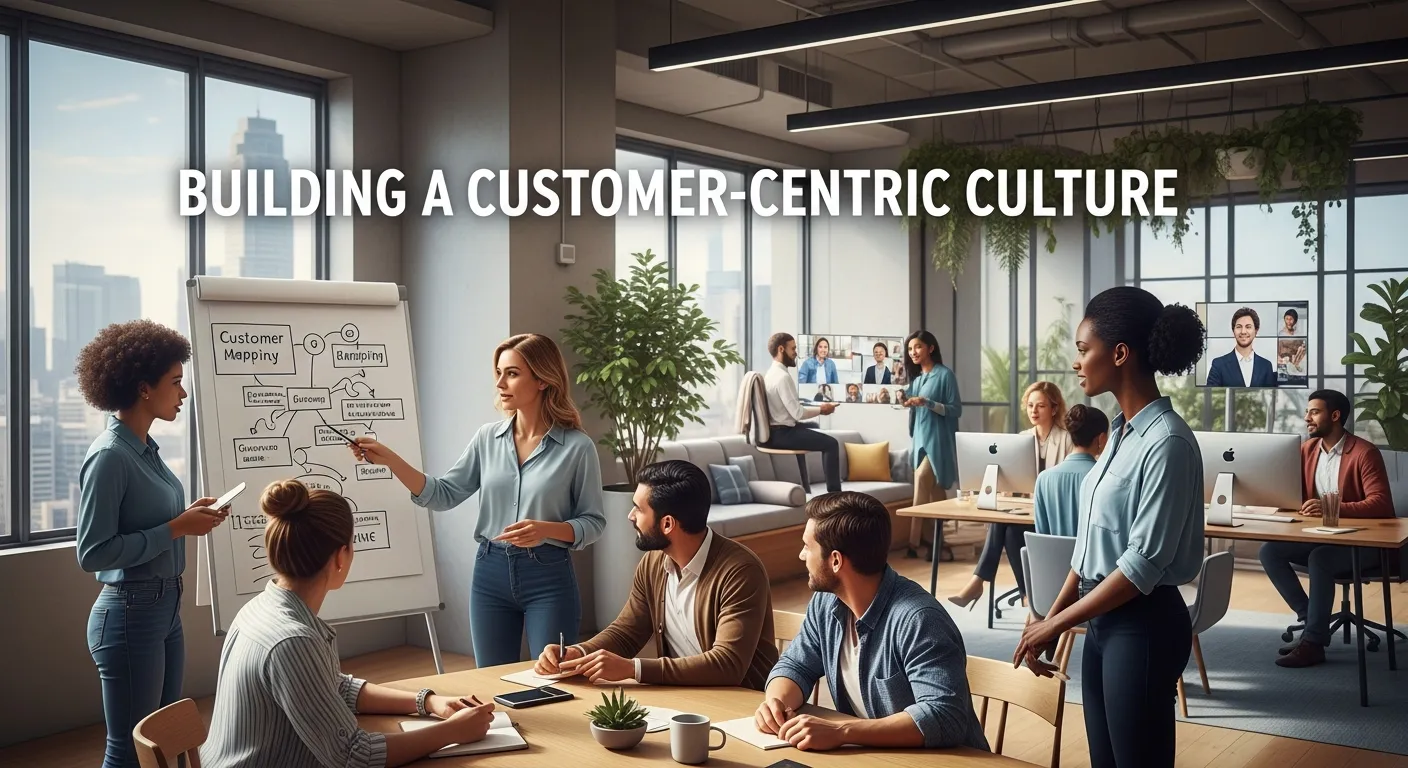
Customer-centric brand development fails if it’s just a marketing stunt. It must be cultural.
Internal Branding
Internal communication is the lifeline of a strong brand. Your employees are the ones interacting with customers every day. They need to be empowered to gather feedback and act on it. Family branding in marketing can apply internally too—treating your team like a family that serves the extended family of customers.
Breaking Down Silos
Customer insights shouldn’t die in the customer support department. There needs to be a direct pipeline from Support to Product, Marketing, and Sales. Integrated marketing ensures that the voice of the customer echoes through every hall of the company.
The ROI of Customer-Centricity
Is it worth the effort? Absolutely.
- Reduced Customer Acquisition Costs: Happy co-creators tell their friends. Word of mouth is free.
- Higher Customer Lifetime Value (CLV): Customers who feel invested in a brand stay longer and spend more.
- Brand Resilience: When a crisis hits, a community that feels ownership of the brand is more likely to defend it. Brand resilience strategies are built on this bank of goodwill.
Conclusion
Customer-centric brand development is more than a strategy; it is a philosophy of respect. It respects the customer’s intelligence, their creativity, and their power. By adopting co-creation methodologies, you transform your brand from a static entity into a living, breathing organism that grows and evolves with its audience. In a world where trust is low and competition is high, the brands that build with their customers are the ones that will thrive. Open your doors, invite them in, and start building the future together.
Frequently Asked Questions (FAQs)
1. What is the difference between customer-centricity and just good customer service?
Customer service is reactive (fixing problems). Customer-centric brand development is proactive. It involves the customer in the strategic planning and creation phases to prevent problems and ensure the product meets their needs from day one.
2. Is co-creation expensive?
It can be, but it’s often cheaper than a failed product launch. Digital tools have made crowdsourcing and community engagement relatively low-cost. The primary investment is time and attention, not necessarily media spend.
3. Can B2B companies use co-creation?
Yes. In fact, B2B is often better suited for it. B2B brand differentiation can be achieved by forming deep partnerships with key clients to co-develop solutions that solve specific industry headaches.
4. How do we handle negative feedback during co-creation?
Treat it as gold. Negative feedback during development saves you from negative reviews after launch. Acknowledge it, learn from it, and if possible, fix it. This transparency builds brand trust.
5. Does customer-centric mean the customer is always right?
No. It means the customer’s perspective is always valuable. As the brand steward, you must filter their input through your brand purpose and feasibility constraints. It’s a partnership, not a surrender.
6. How does this impact brand consistency?
It challenges it. Brand consistency becomes less about rigid visual guidelines and more about consistent values and responsiveness. The “look” might evolve with user input, but the “soul” of the brand must remain steady.
7. What tools are best for co-creation?
Social media polls (Instagram, LinkedIn), community platforms (Discord, Slack, Circle), survey tools (Typeform), and specialized crowdsourcing software. For SEO and topic research, SEMrush is invaluable for understanding what customers are searching for.
8. Can luxury brands be customer-centric without losing exclusivity?
Yes. Luxury brand marketing can use co-creation with VIP clients to offer bespoke experiences or limited-edition products. It deepens the exclusivity by making the top-tier customers feel like “insiders.”
9. How do we measure the success of co-creation?
Look at engagement rates during the campaign, the speed of product adoption at launch, Net Promoter Score (NPS), and ultimately, sales and retention rates of the co-created products versus standard ones.
10. Is this just a trend?
No. The shift toward customer-centric brand development is driven by the democratization of information and the internet. Consumers now have the tools to organize and demand better. Brands that ignore this will become irrelevant.