Effective Brand Development Strategies for Long-Term Business Success

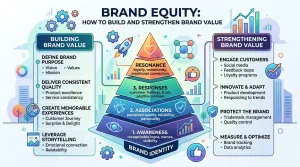
In today’s competitive market, strong branding is essential for long-term success. Brand development strategies help businesses create a unique identity, build trust, and connect with customers effectively. These strategies guide how a brand communicates, looks, and delivers value. From purpose and audience understanding to consistency and storytelling, each element plays a key role in shaping a powerful and recognizable brand identity.
Define a Clear Brand Purpose
A clear brand purpose is the foundation of effective brand development strategies, as it explains why your business exists beyond profit. It defines your mission, vision, and the value you offer to customers. When your purpose is strong, it becomes the guiding force behind every business decision, helping you stay focused and consistent. Customers are more likely to trust brands that represent something meaningful and impactful. A well-defined purpose also helps your business stand out in a competitive market. By aligning your actions with core values, you create a strong identity that builds long-term recognition, emotional connection, and customer loyalty over time.
Identify and Understand Your Target Audience
 Understanding your target audience is a crucial part of brand development strategies, as it allows you to create meaningful and relevant messaging. By analyzing demographics, interests, behavior, and pain points, you can develop accurate customer profiles. This helps you design products, services, and marketing messages that truly connect with your audience. When businesses understand their customers deeply, engagement and satisfaction naturally improve. Regular research ensures your brand stays aligned with changing customer needs and expectations. A strong audience focus allows you to deliver personalized experiences, improve communication effectiveness, and increase overall market impact while strengthening your brand positioning.
Build a Strong Visual Identity
A strong visual identity is an important element of brand development strategies, as it shapes the first impression of your business. It includes your logo, color palette, typography, and design style. Consistency across these elements helps customers recognize your brand instantly on websites, social media, and marketing materials. A well-designed visual identity builds trust, professionalism, and memorability. It should clearly reflect your brand’s personality and core values. When visuals are consistent with messaging, they create a unified brand experience. This not only strengthens brand recall but also improves credibility and helps your business stand out in a competitive marketplace effectively.
Create a Unique Brand Voice and Messaging
A unique brand voice plays a vital role in brand development strategies, as it defines how your business communicates with its audience. Whether your tone is formal, friendly, or inspirational, it must remain consistent across all platforms. Strong messaging includes taglines, slogans, and key statements that highlight your value proposition. Clear communication helps build trust and emotional connection with customers. A consistent voice also makes your brand more recognizable and distinct from competitors. When your messaging aligns with audience expectations, it enhances engagement, improves brand perception, and supports long-term relationships that strengthen customer loyalty and business growth over time.
Strengthen Online Presence and Digital Branding

Focus on Customer Experience
Customer experience is a key factor in brand development strategies, as it directly impacts satisfaction, loyalty, and retention. Every interaction a customer has with your brand—whether online or offline—shapes their overall perception. A smooth, positive, and helpful experience encourages repeat business and word-of-mouth referrals. Businesses that prioritize customer needs often build stronger reputations and long-term trust. Listening to feedback and continuously improving service quality is essential for maintaining high standards. A great customer experience not only strengthens relationships but also increases brand value, improves customer loyalty, and supports sustainable growth in a competitive business environment.
Leverage Storytelling for Brand Growth
Storytelling is a powerful tool in brand development strategies, as it helps create emotional connections with your audience. A strong brand story shares your journey, mission, struggles, and values in a relatable way. People remember stories more easily than facts, making storytelling an effective branding method. It builds authenticity, trust, and emotional engagement with customers. Sharing your story across websites, social media, and marketing campaigns strengthens brand identity. When customers connect emotionally with your journey, they are more likely to trust your business and remain loyal. This emotional bond helps turn customers into long-term supporters and brand advocates.
Build Strong Brand Positioning
 Brand positioning is one of the most important parts of brand development strategies, as it defines how your brand is perceived in the minds of customers compared to competitors. A strong positioning strategy highlights what makes your business unique and why customers should choose you over others. It focuses on your strengths, values, and key benefits. When positioning is clear, it becomes easier to attract the right audience and communicate your value effectively. Strong positioning also helps build trust, improve recognition, and create a lasting impression in a competitive marketplace. This approach is also essential within brand-building strategies, as it strengthens identity and long-term market presence.
Key Points:
- Defines how your brand stands in the market
- Highlights unique value and strengths
- Helps attract the right target audience
- Improves trust and recognition
- Differentiates from competitors
| Element | Description |
|---|---|
| Target Market | Specific audience you want to reach |
| Brand Promise | Value you guarantee to customers |
| Competitive Edge | What makes you different from others |
| Brand Perception | How customers view your business |
| Core Values | Principles that guide your brand identity |
Build Trust Through Consistency
Consistency is a core principle in brand development strategies, as it ensures your brand delivers the same message, tone, and quality across all platforms. When customers see consistency in visuals, communication, and service, they develop trust and confidence in your business. Inconsistent branding can create confusion and weaken identity. Maintaining uniformity across marketing channels, customer service, and digital presence strengthens reliability. Strong brands ensure every interaction reflects their values and promises. This consistency improves recognition, enhances credibility, and builds a solid reputation in the market, ultimately leading to stronger customer loyalty and long-term business stability.
Monitor, Analyze, and Improve Brand Performance
Continuous monitoring is essential in brand development strategies, as it helps businesses evaluate performance and identify areas for improvement. By analyzing customer feedback, engagement data, and market trends, you can measure the effectiveness of your branding efforts. This information allows for smarter decision-making and strategic adjustments. Regular evaluation ensures your brand remains relevant and competitive in a changing market. Businesses that adapt based on insights can improve customer satisfaction and strengthen their identity. Ongoing optimization enhances brand performance, builds stronger relationships, and supports long-term growth by keeping your branding strategy aligned with business goals and audience expectations.